





 Portuguese
  English
  Spanish
  3 min of reading
  0 comments


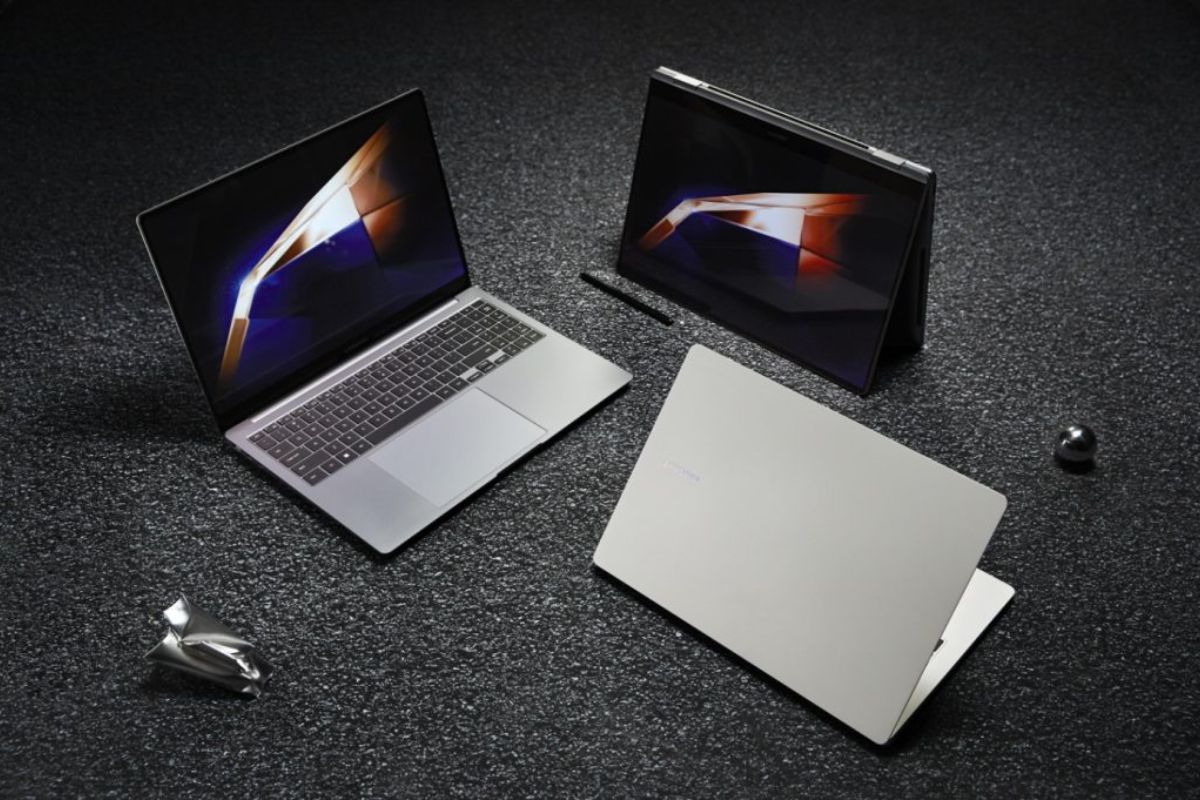
Notebooks With OLED Screens Deliver Superior Contrast, Sharper Images, and High-Level Performance for Demanding Users
Anyone looking for visual quality and high performance should consider investing in a notebook with an OLED screen. This technology offers deeper blacks, more vibrant colors, and better definition, making it ideal for those who work with images, videos, or seek a premium experience in daily use.
By 2025, the market already offers various options for notebooks with OLED screens, from more affordable models for productivity to robust machines aimed at gaming and heavy editing. Below, we list the top available models and explain the differences that justify the choice.
What Changes With a Notebook With an OLED Screen
Unlike LCD screens, OLED panels have pixels that emit their own light. This eliminates the backlight and significantly improves contrast and color fidelity. Additionally, the response time is shorter, making the experience smoother for those who game or watch high-definition videos.
-
Mysterious object on Mars divides NASA and Harvard after Curiosity image reignites suspicions about what was really found on the planet.

-
Giant structures 14 meters beneath Egypt are revealed by satellites and expose a millennia-old secret buried in Buto.

-
Children have been making clay pieces for 15,000 years in Southwest Asia, and fingerprints preserved on 142 ornaments helped archaeologists prove this.

-
New semi-autonomous legged robot technology challenges the limitations of space exploration by operating almost without human intervention on the Moon.


Another important benefit is the more efficient power consumption when using dark tones, which can help with battery life. However, it’s worth mentioning that the technology is still more expensive, which affects the final price of the models.
Check Out the 5 Best Notebooks With OLED Screens to Buy in 2025
1. ASUS Vivobook 15X – starting at R$ 6,272
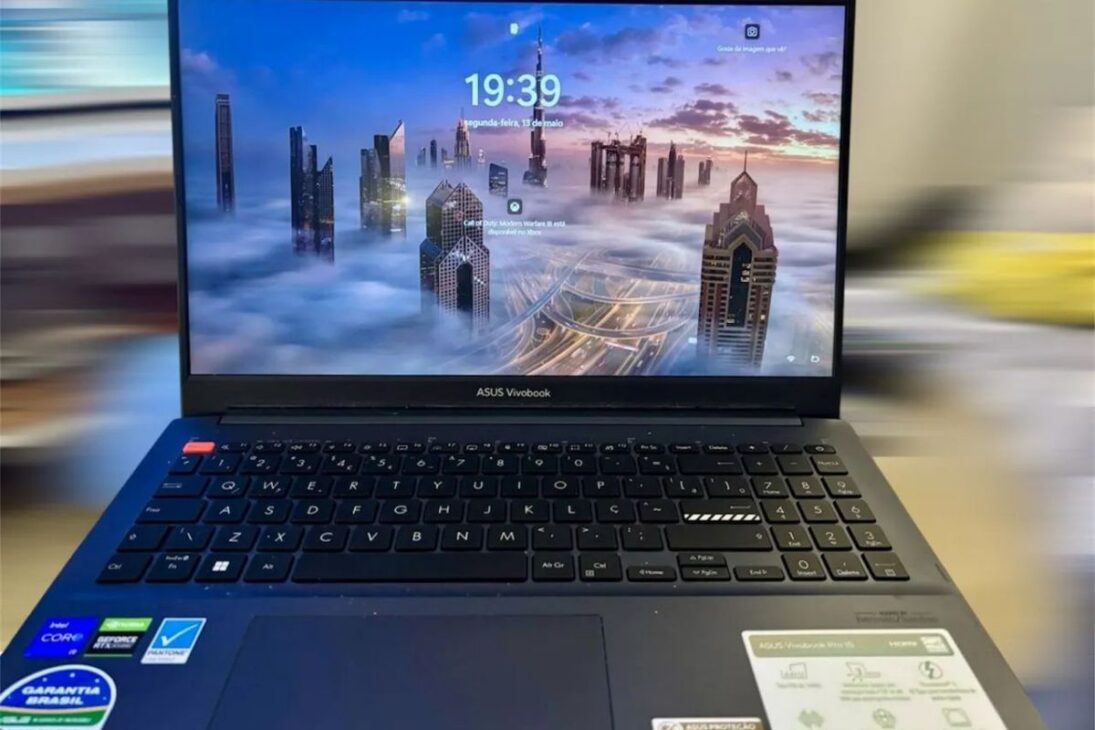
Entry-level model for those who want a notebook with an OLED screen without sacrificing good performance. It features an Intel Core i7-1255U processor, 16 GB of RAM, and a 512 GB SSD. The 15.6” Full HD OLED display ensures excellent video and image playback. It is not recommended for gaming due to the use of the integrated Intel Iris Xe graphics.
- Pros: competitive price, OLED screen, and good processor.
- Cons: limited graphic performance.
2. Samsung Galaxy Book4 Pro – starting at R$ 6,886
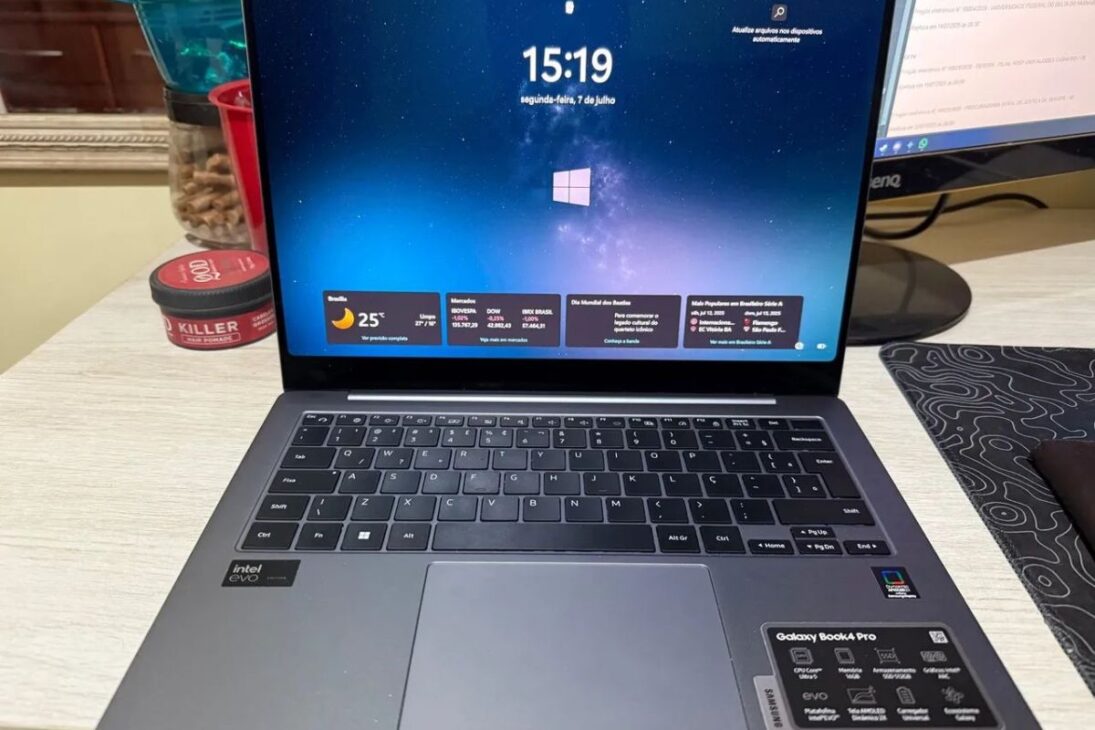
Compact, lightweight, and well-built, this notebook with an OLED screen features 16 GB of RAM, a 512 GB SSD, and an Intel Core Ultra 5 processor. The 14” display has a 120 Hz refresh rate and high definition. Despite the lack of a dedicated graphics card, it is excellent for productivity and media consumption.
- Pros: excellent display and premium design.
- Cons: no dedicated GPU and non-expandable RAM.
3. ASUS Vivobook S14 – starting at R$ 7,904
One of the most balanced options on the list. It features a 14.5” OLED display with a 120 Hz refresh rate, an Intel Core Ultra 7 processor, 32 GB of RAM, and a 1 TB SSD. Ideal for image editing and multitasking.
- Pros: strong performance and excellent build quality.
- Cons: no dedicated graphics card.
4. ASUS ROG Zephyrus G16 – starting at R$ 15,090
For those looking for a notebook with an OLED screen aimed at gamers, the Zephyrus G16 delivers high performance with an Intel Core i7-13620H CPU, RTX 4070 GPU, 16 GB of RAM, and a 165 Hz Full HD OLED display. Ideal for competitive gaming and intense use.
- Pros: high graphic performance, fluid and modern display.
- Cons: high price and limited battery life.
5. Galaxy Book4 Ultra – starting at R$ 13,849
The most complete version of Samsung’s lineup. It features an Intel Core Ultra 9 processor, 32 GB of RAM, a 1 TB SSD, and RTX 4070 GPU. The OLED display has anti-glare technology and touch sensitivity. It is quiet, powerful, and well integrated into the Samsung ecosystem.
- Pros: top performance and compatibility with brand devices.
- Cons: high cost.
Is It Worth Investing in a Notebook With an OLED Screen?
Yes, especially if you prioritize quality visual, work with graphic content, or value a good user experience in your daily life. Although the price is higher, the benefits in contrast, color fidelity, and fluidity are worth it for more demanding profiles.
Would you pay more for a notebook with an OLED screen? Which model caught your attention? Comment below.









-

-

-

9 pessoas reagiram a isso.