





 Portuguese
  English
  Spanish
  4 min of reading
  0 comments


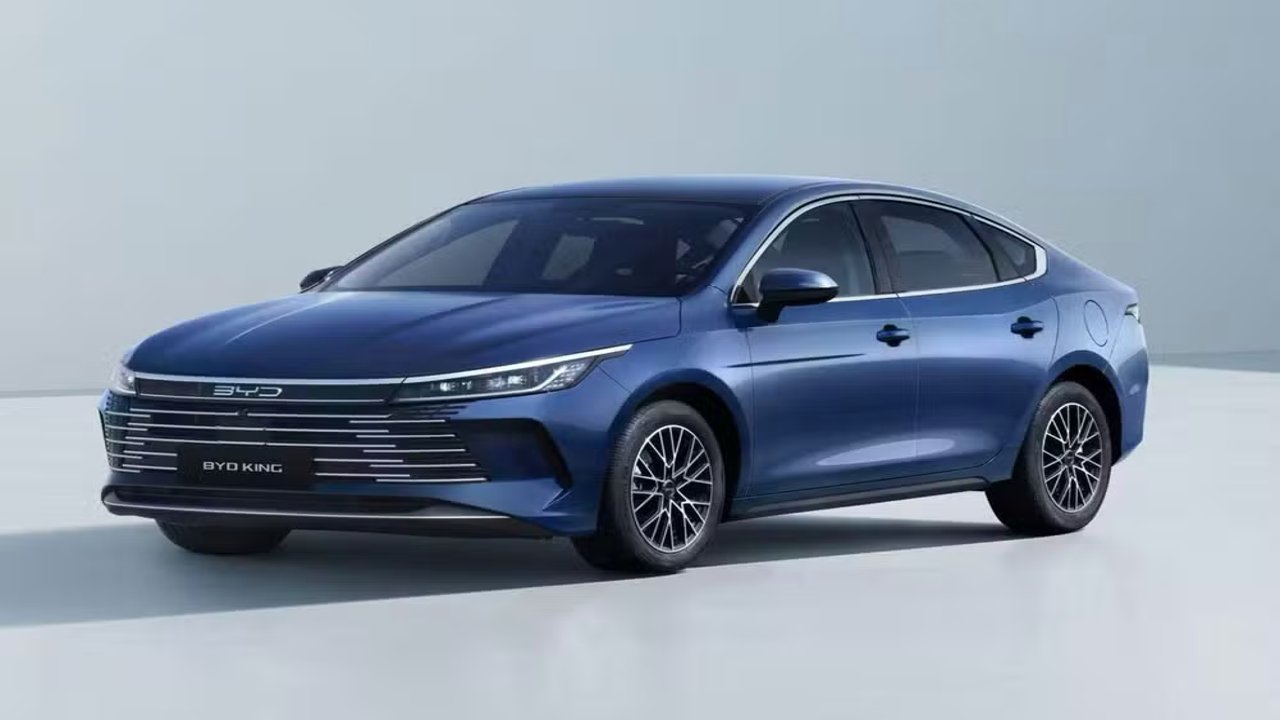
Lower Price and More Equipment: BYD Bets on Cost-Effectiveness to Grow in Brazil
The Brazilian mid-size sedan market has gained an important new chapter: the BYD King GS 2026 arrives at dealerships with a price R$ 15,000 lower and packed with new equipment. Now sold for R$ 175,990, the Chinese plug-in hybrid model directly targets the rival Toyota Corolla, the historical category leader.
The brand’s strategy is clear: increase competitiveness and offer more technology and space for a lower price. The entry-level GL version is priced at R$ 169,990, while the top-of-the-line GS costs less than the entry-level Corolla hybrid, a difference of approximately R$ 14,000.
The launch of the King last year had already stirred the segment significantly. Now, with the price reduction and content improvements, BYD takes an ambitious step to win over Brazilian consumers looking for efficiency, modern design, and cost-effectiveness.
-
PRF drones are already fining drivers on federal highways across Brazil, and intelligent monitoring can identify infractions such as using the shoulder, using a cell phone while driving, and not wearing a seatbelt without the need for direct intervention, using authorized video monitoring and specialized technical operation.

-
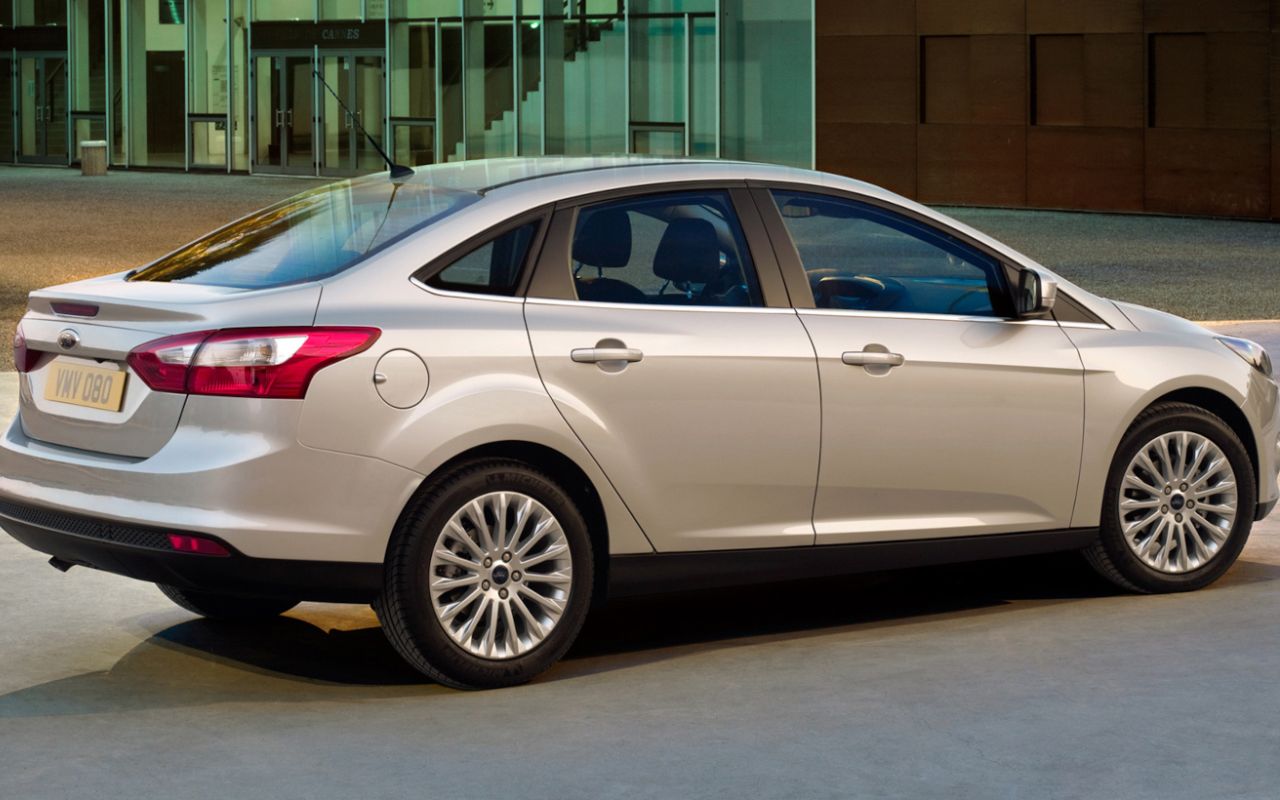
They catch the eye, but be careful! Some used cars can cause a lot of headaches.
-
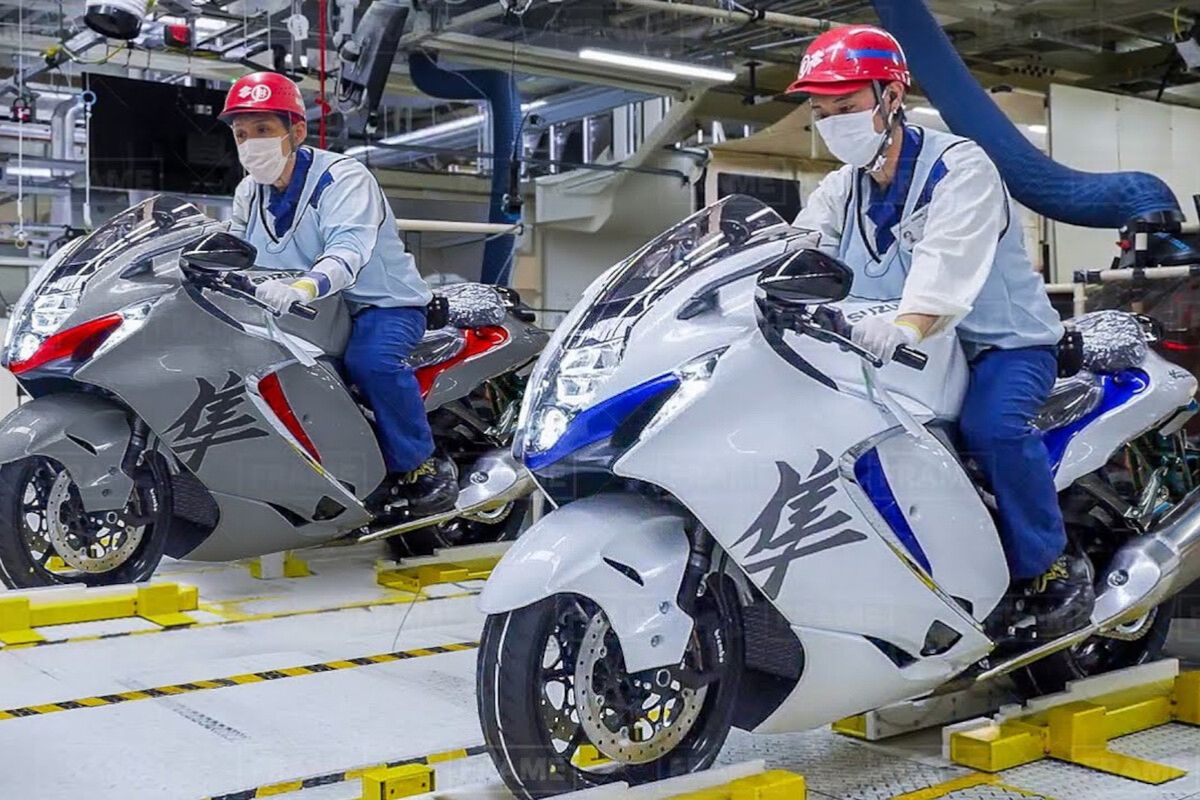
While China accelerates with automated factories, Japan assembles the Suzuki Hayabusa almost by hand, piece by piece, with zero tolerance and strict quality control, unit after unit.
-
GM celebrates 100 years in Brazil, changes president, and faces a tough mission: relies on a single platform, struggles with oil-soaked belts, launches the Sonic SUV, but still lacks a hybrid and direction.

Updated Design and More Refined Cabin
In the 2026 line, the BYD King GS arrives with subtle changes that reinforce its proposal. The main aesthetic update is in the 17-inch alloy wheels, now featuring a star-shaped design and chrome finish.
At the rear, the sedan adopts the “BYD” acronym instead of the lengthy name “Build Your Dreams,” a move already seen in other models from the brand, such as the Dolphin Mini.
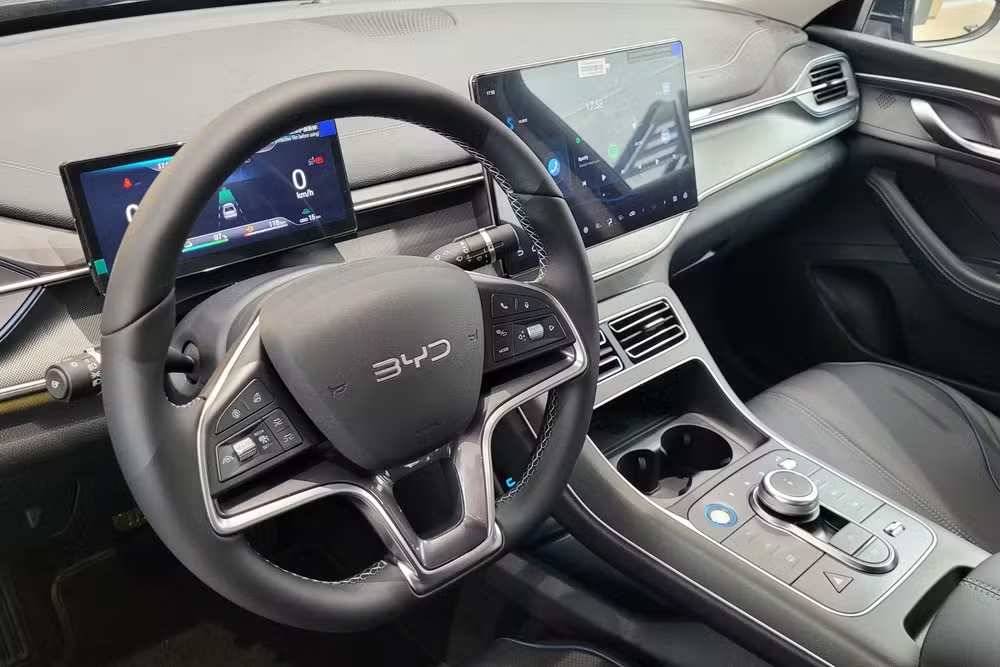
Inside, the leap in refinement is evident. The 8.8” digital panel and the 12.8” rotating multimedia center with integrated GPS and wireless mirroring elevate the car’s status compared to the Corolla. The elevated console houses transmission controls, digital air conditioning, and driving functions.
The finishing impresses: synthetic leather, textured plastics, and chrome pieces replace simpler materials. The seats, now in black leather, have electric adjustments for the driver and passenger. The sedan also adds customizable LED ambient lighting, a sound system with eight speakers, induction charging, four USB ports (A and C), and a 12V socket.
In terms of technological content, the King GS 2026 offers more than its Japanese rival, a crucial play in the market.
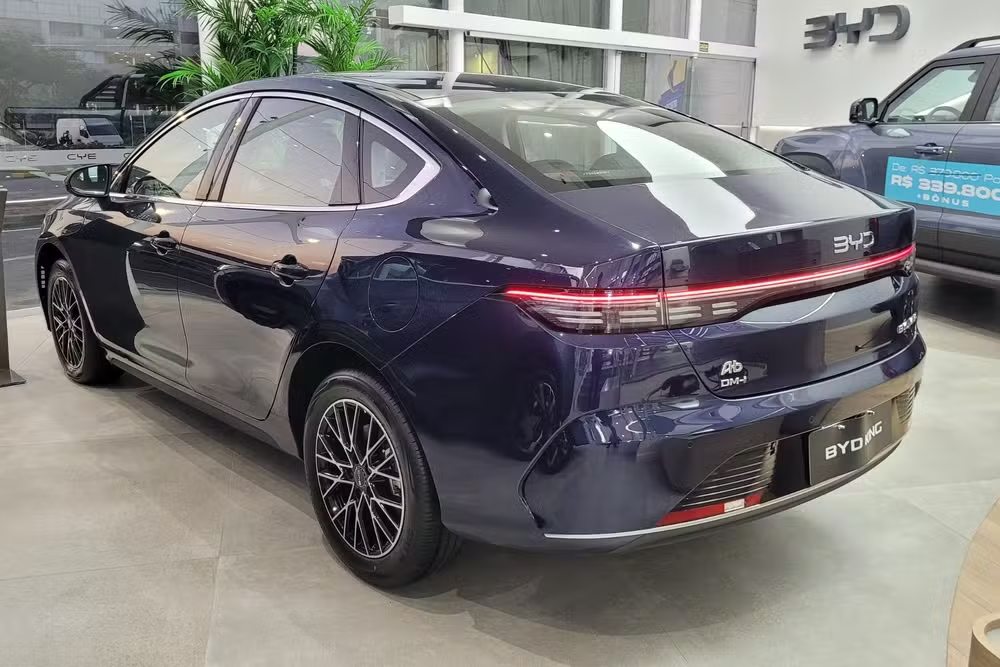
Enhanced Safety with ADAS Package
In terms of safety, BYD has strengthened its value proposition by including the Level II ADAS package. The set includes adaptive cruise control, blind-spot monitoring, smart speed limiter, lane-keeping assist, front collision alert, and automatic emergency braking.
Additionally, the sedan is equipped with six airbags, traction and stability controls, hill-start assist, automatic headlights, and a 360° camera.
In other words, the BYD King GS 2026 delivers the same safety standard as the Corolla but at a more competitive price.
Internal Space and Hybrid Performance
With a length of 4.78 m, a width of 1.83 m, and a wheelbase of 2.71 m, the King GS 2026 is larger than the Corolla in internal measurements, although it loses out in trunk space (450 liters compared to 470 liters of the rival).
In the mechanical set, adjustments were made to the combustion engine due to Proconve L8 regulations: the 1.5 naturally aspirated engine dropped from 110 hp to 98 hp, but the electric motor continues to deliver 197 hp. The final result is the same combined power as the previous generation: 235 hp.
Even with reduced torque in the combustion engine (12.5 kgfm compared to 13.8 kgfm), the electric unit maintains a robust force of 33.1 kgfm. The Blade battery of 18.3 kWh ensures up to 78 km in 100% electric mode and a total range of 1,200 km.
In terms of fuel consumption, the advantage is clear: 44.2 km/l in the city and 36.7 km/l on the highway, compared to 17.5 km/l and 15.2 km/l of the conventional hybrid Corolla.
BYD also offers six years of warranty with no mileage limit for the hybrid system and eight years for the electric battery, important points to reduce consumer insecurity.
Corolla vs. BYD: Which is the Better Purchase?
The Toyota Corolla maintains the strength of tradition, a consolidated network of dealerships, and a more stable resale value. However, the BYD King GS 2026 offers more equipment, superior performance, and energy efficiency for less money.
What weighs in for the Brazilian consumer is the trust in the brand. Toyota has been established for decades, while BYD is still building its reputation here. However, the aggressive positioning of the Chinese brand regarding cost-effectiveness is quickly changing this scenario.
And What About the Consumer?
The BYD King GS 2026 shows that the competition in the mid-size sedan segment is far from over. The R$ 15,000 price reduction, combined with a robust list of equipment and energy efficiency, positions the model as a serious option for those seeking technology and savings.
Now, the question is: is it worth taking a risk on the new to get more for less, or should one continue betting on the traditional Corolla for brand trust?
Leave your opinion in the comments.







Seja o primeiro a reagir!