





 Portuguese
  English
  Spanish
  3 min of reading


Electricity Costs Prevent Electric Cars From Charging at More Affordable Prices
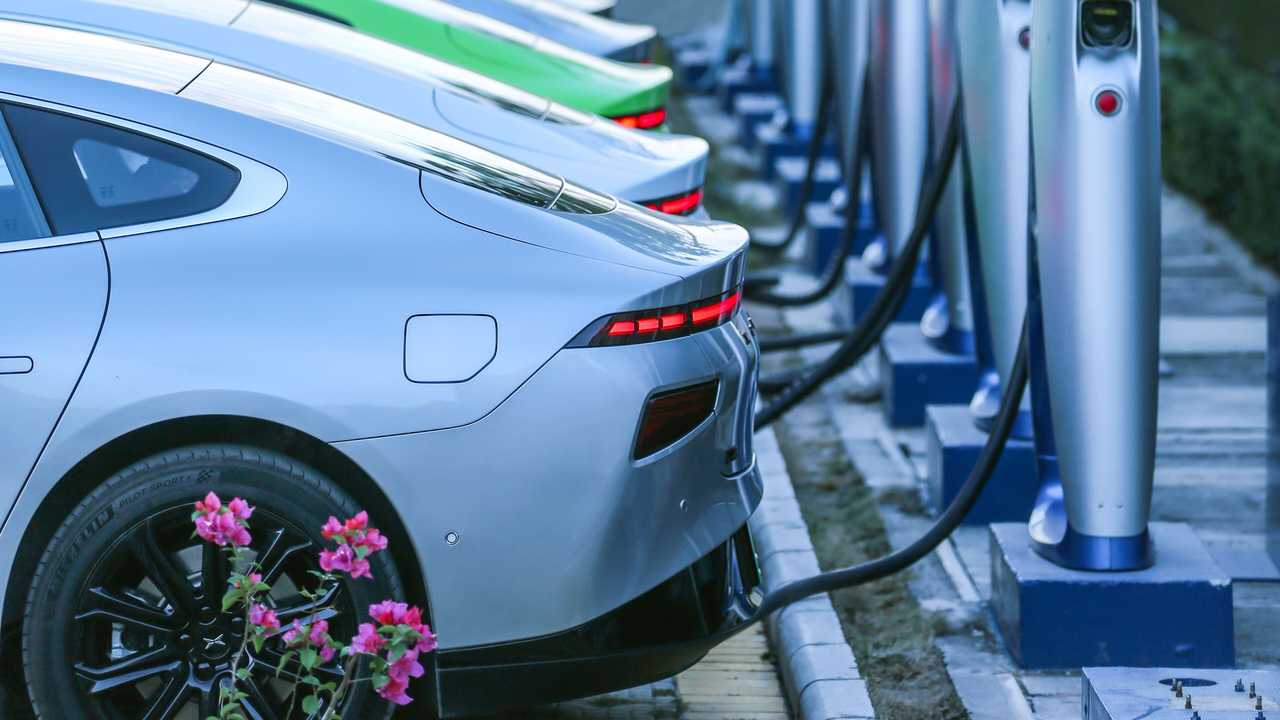
In Europe, new data reveals that electric cars have spent more to charge through public charging. This is because the use of chargers increased by more than 42% in just four months, due to rising gas and electricity costs.
Today, the average cost to charge a family car of 64 kWh is £32.41, such as the Kia-e-Niro Long Range. However, the increase was considerable compared to public charging last year, being £9.60 in May and £13.60 in June.
The price spike occurred due to the average charging cost per kilowatt-hour, which rose to 63.29p, significantly above the 44.55 in May and 36.75 in September last year. The data was released by the RAC.
-
The German economist Wolf-Peter Schill has no doubts: “Electric cars are already far superior to cars with internal combustion engines.”

-
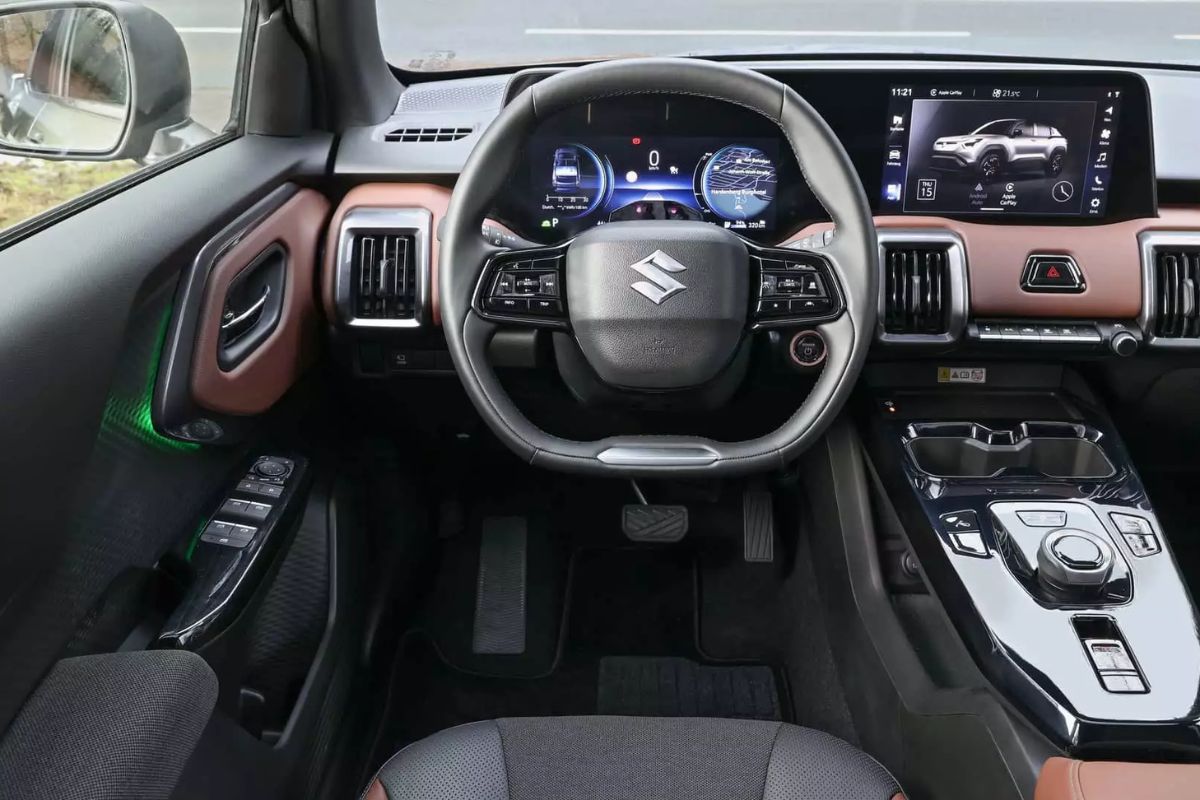
The 2026 electric Vitara arrives in Brazil and proves that Suzuki is not leaving: 4×4 traction, 184 hp, 61 kWh LFP battery, 293 km range, R$ 259,000, and a trunk capacity of 224 L.
-
Hyundai has unveiled the Boulder, a square SUV with a body-on-frame design, 37-inch mud tires, and carriage-style doors that seems to be made to take on the Ford Bronco and the Scout Traveller in the United States.

-
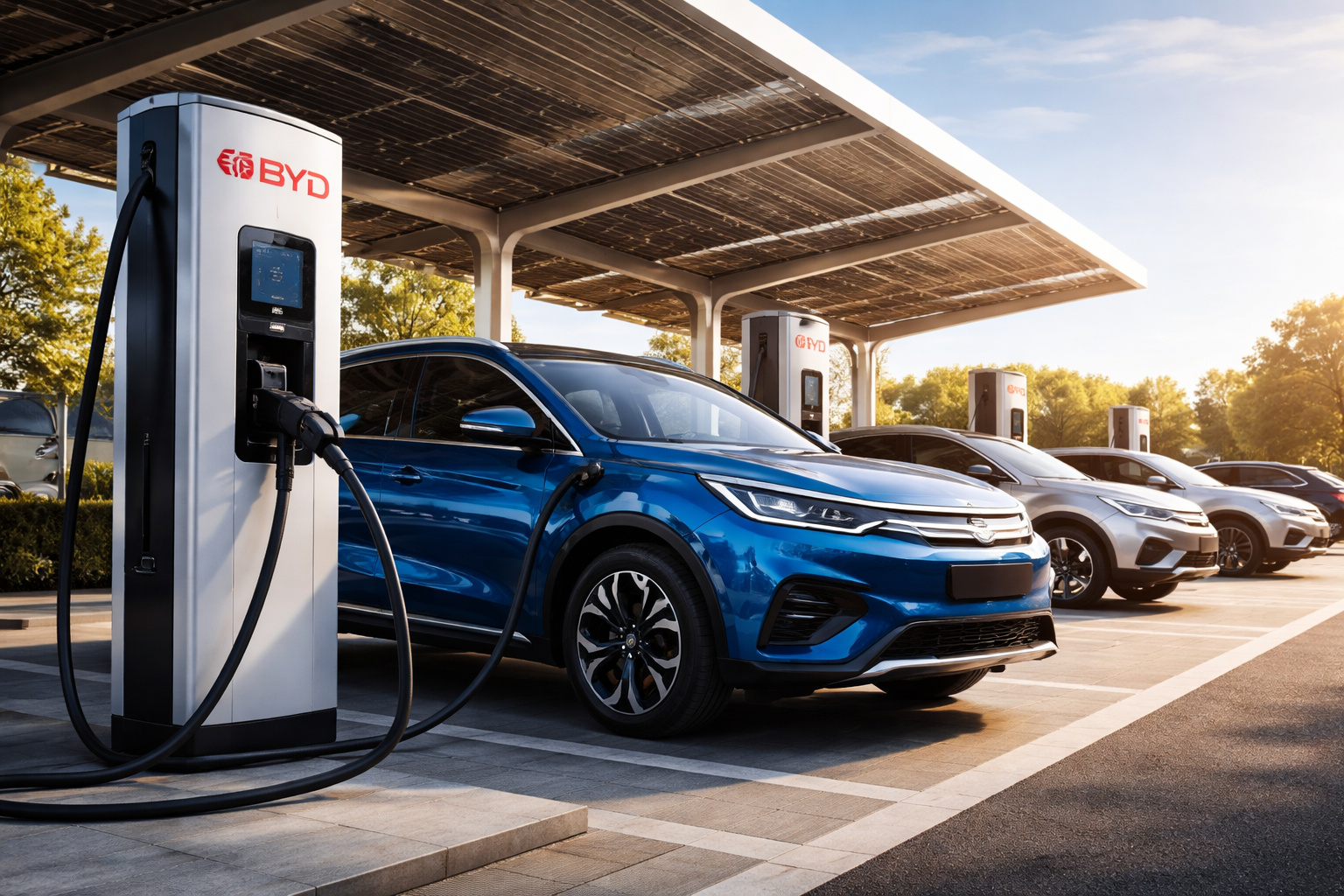
Largest public charging network in Brazil: BYD reaches 125 fast chargers and accelerates national expansion of electric mobility.

Thus, the rising cost was observed at ultra-rapid charging points, which now charge around 63.94p per kilowatt-hour. Therefore, to charge a family car of 64 kWh to 80%, we will see an increase of £6.64 compared to the previous period.
Electric Car Charging Raises Concerns in Europe
Due to the rising cost of fueling, charging companies have expressed concern about the situation. This is because the increase was caused by the UK’s decision to seek other sources of gas and oil following the conflict in Ukraine.
Consequently, Instavolt stated that the increase occurred due to the 20% VAT on public charging compared to the 5% on home charging. Furthermore, the company asserted that it is possible to offer lower prices below 58p per kilowatt-hour if home charging VAT rates are matched.
Among the supporters of this idea is Ian Johnston, CEO of Osprey, who told Autocar that there is a limit to protect consumers at home, but that limit does not exist for private companies. He reiterated that companies are currently buying energy at invisible levels.
However, Ionit, a fueling company, stated that despite rising costs, it does not plan to raise its prices. On the other hand, the increased supply of electric cars could deter potential buyers, delaying the government’s plan to ban the sale of all combustion cars by 2030.
Thus, with the European Union’s mission to ban the sale of gasoline and diesel cars, it becomes more challenging to reconcile the new reality with the planned policy. Furthermore, current electric car buyers may feel discouraged with vehicle usage, leading them to purchase or revert to traditional combustion vehicles.
However, despite the situation, the CEO of Osprey disagrees with this view, stating that people are currently making the decision to switch, which proves that buying an EV is still a great deal and, today, remains a cheaper option than driving a vehicle powered by gasoline or diesel.








Seja o primeiro a reagir!