Portuguese
  Spanish


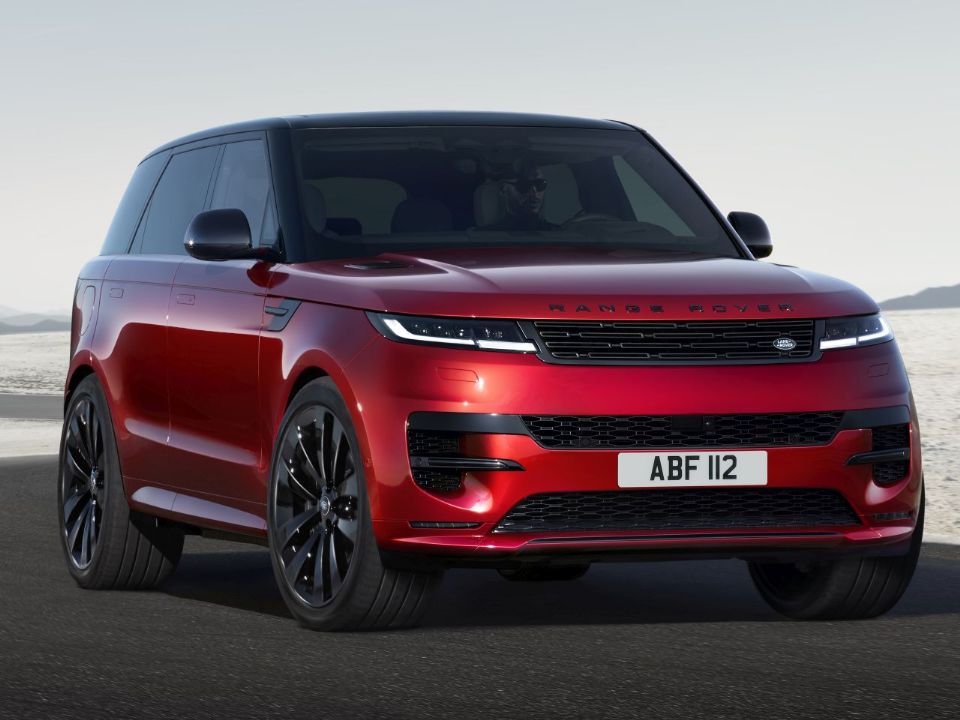

The Group Began Working on British Unit Conversion. Electric Land Rover Set for Release in 2024
Aiming for a transformation into a fully electric brand, Jaguar Land Rover wants to lead the way in electric vehicles and has started converting its factory in Halewood, England, to prepare the unit for the production of only zero-emission vehicles. In Halewood, a suburb southeast of Liverpool, the first battery-powered Land Rover will be produced, among other future electric cars. The expectation is that it will be marketed starting in 2024.
In this regard, the modernization of the factory in Halewood had been planned for some time but only recently began. The factory will play a crucial role in the group’s strategy, named Reimagine, which seeks a rapid shift to electrification in both Jaguar and Land Rover. According to the official community, Jaguar, which will only produce electric cars starting in 2025, will bring high-end models made with advanced technology platforms, with an investment in development of approximately €3 billion. However, Land Rover will follow a slower plan that will take longer to materialize.
Electric Cars Will Make History in Halewood
The Halewood factory was first built by Ford in the early 1960s to enable the company to enter major European markets with cars produced on the Old Continent. However, it was not until 2001 that the company began producing the X-Type and, subsequently, other models from the manufacturer founded by William Lyons. In the last decade, following Ford’s exit and the return of Jaguar and Land Rover under Tata Motors’ ownership, the factory in the outskirts of Liverpool has focused on various models from both British brands. Today, it aims to lead the way in the production of electric and hybrid cars.
-
Does a Flag on Your Car’s Hood Overheat the Engine? Expert Reveals the Overlooked Danger for Drivers

-
How to Identify and Remove Superficial Scratches Before Spending on Car Bodywork

-
Electric Car with Extended Range: Company Patents Hybrid Transmission System Using Gasoline Engine for Backup
-
GM Developed the Chevette to Rival the Beetle, Launched it in Brazil Before Europe, Sold 1.6 Million Units, and Left a Generation with Gas Station Trauma


Interestingly, Ford still maintains an industrial center in Halewood, having also decided to convert these plants for electric mobility. In this perspective, however, production will focus on powertrains for battery-powered vehicles intended for Europe. Regarding the conversion of its activities to an electric scenario, Jaguar Land Rover has also created a new center in Gaydon, where it will be able to test cp, facilitating its next generation of zero-emission electric cars in terms of electrical and radio interference.
Thus, it is known as an electromagnetic compatibility laboratory and will assess the correct functioning of all devices connected to connectivity, continuously measuring any kind of electromagnetic interference, a phenomenon that can bring undesirable effects even in cases where electrical components and software equipment assume increasing importance. Today, Jaguar and Land Rover aim to be a reference in the production and development of electric cars, and the revitalization of the factory demonstrates their mission to bring new developments to the automotive sector. Moreover, the new technologies may present models that merge old concepts with futuristic perspectives.