





 Portuguese
  English
  Spanish
  3 min of reading


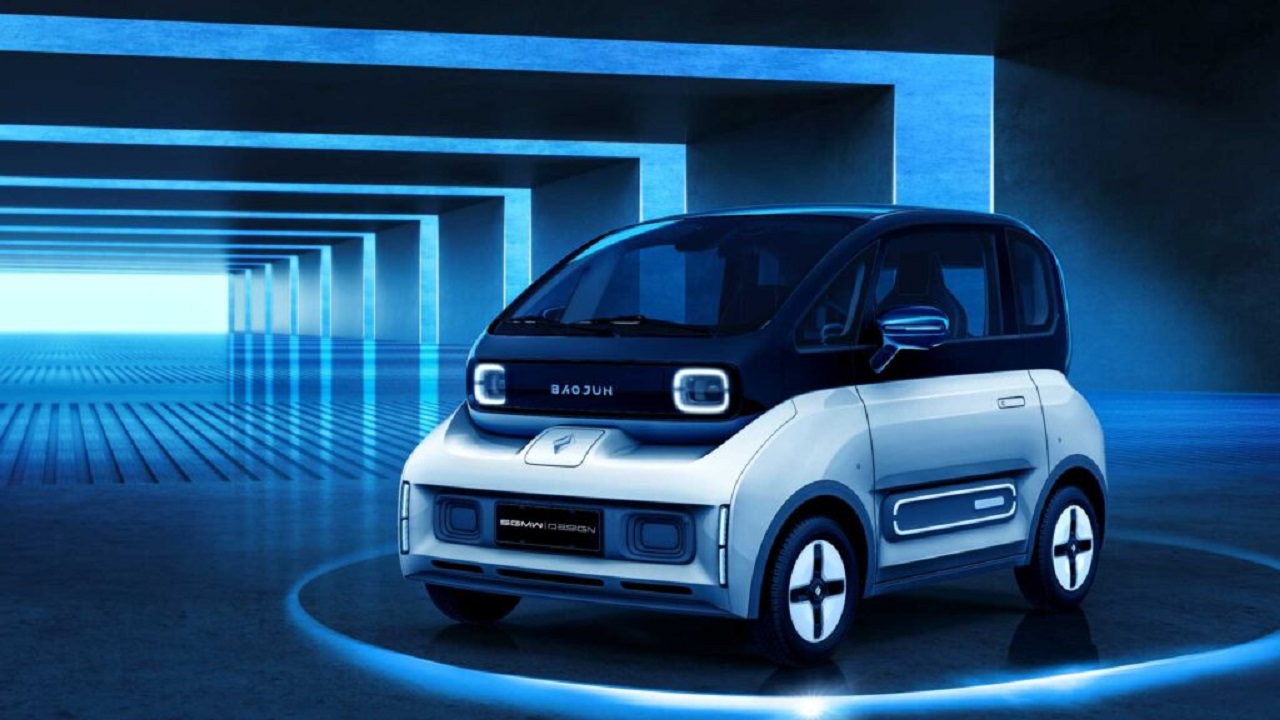
Shares of Chinese Xiaomi Jumped 5% After News That Smartphone Leader Will Mass Produce Its Own Electric Cars in 2024
The Chinese smartphone company Xiaomi announced yesterday (19) that it plans to launch its first electric car in the first half of 2024 and, subsequently, a new car in each of the next three years. Its goal is to sell a total of 900,000 electric cars over these three years and surpass Tesla, the company led by Elon Musk.
Read Also
Xiaomi President Speaks on Market Entry and Electric Cars


The president of the Xiaomi group, Lei Jun, announced the arrival of Xiaomi’s electric cars at the company’s investor day event. Interestingly, Lei stated that if Xiaomi, which manufactures smartphones, smart homes, and smart office products, did not participate in the transition to electric vehicles, it would be “eliminated,” because “electric cars have now transformed from a mechanical industry into an information industry.”
The company already manufactures electric bicycles and mopeds. Xiaomi’s initial investment in the electric car business will be US$ 1.54 billion, with an expected investment of US$ 10 billion over the next decade.
-
Why buying a car at a dealership is more expensive? New study reveals the factors that raise the price.

-
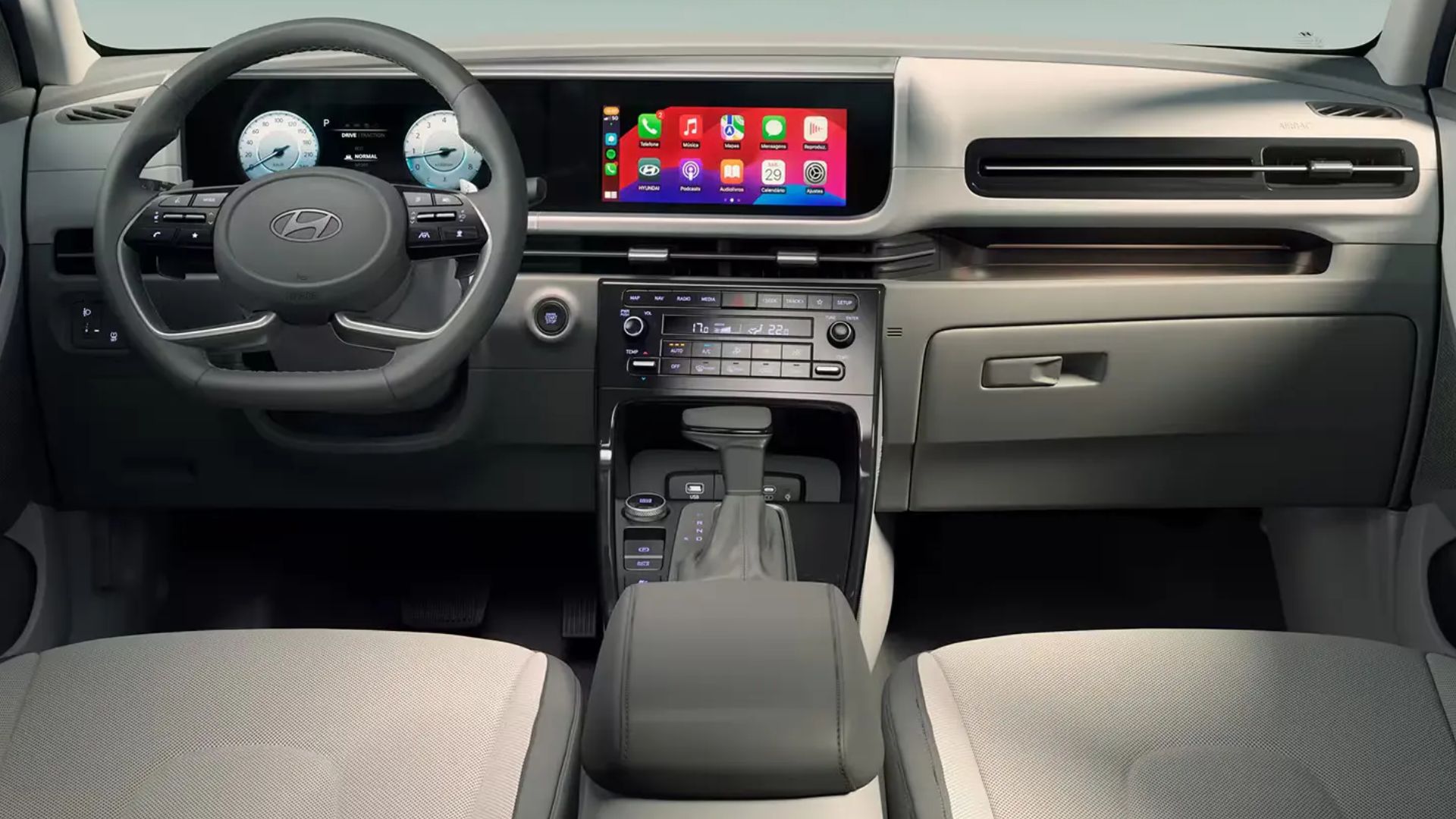
Starting at R$ 144,590 and featuring a 1.0 turbo engine and a complete ADAS package, the 2026 Hyundai Creta surpasses the Nivus, Pulse, and even the Kwid, advancing in the SUV rankings in Brazil.
-
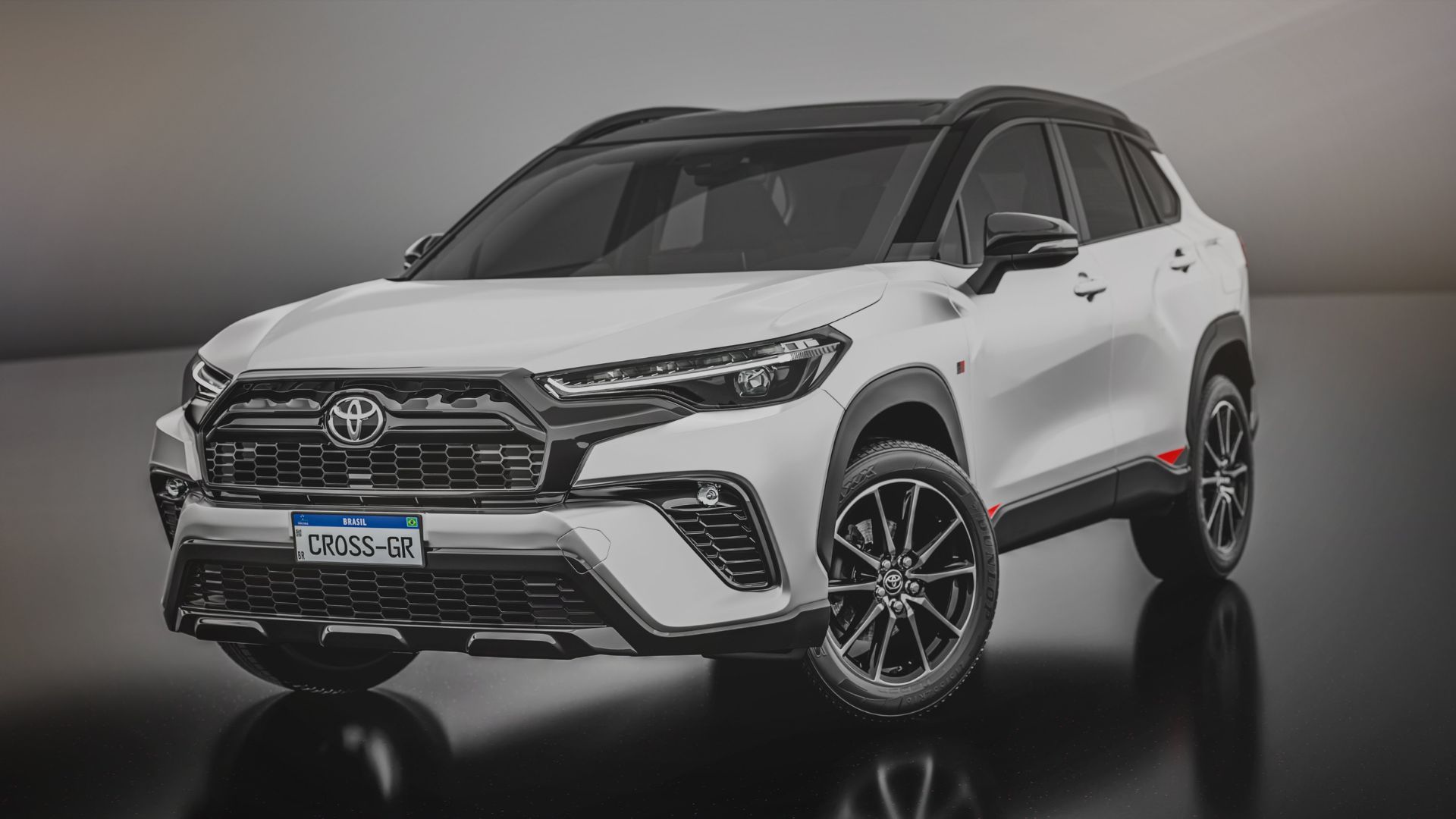
Used Toyota Corolla Cross features a 2.0 engine with up to 177 hp, a hybrid version that achieves up to 17 km/l and 122 hp combined, a 10-speed CVT transmission, a package with 6 airbags and adaptive cruise control, as well as prices starting from R$ 117,000 and reaching R$ 149,000 in versions such as XRE, XR, XRV Hybrid, and GR-S.
-
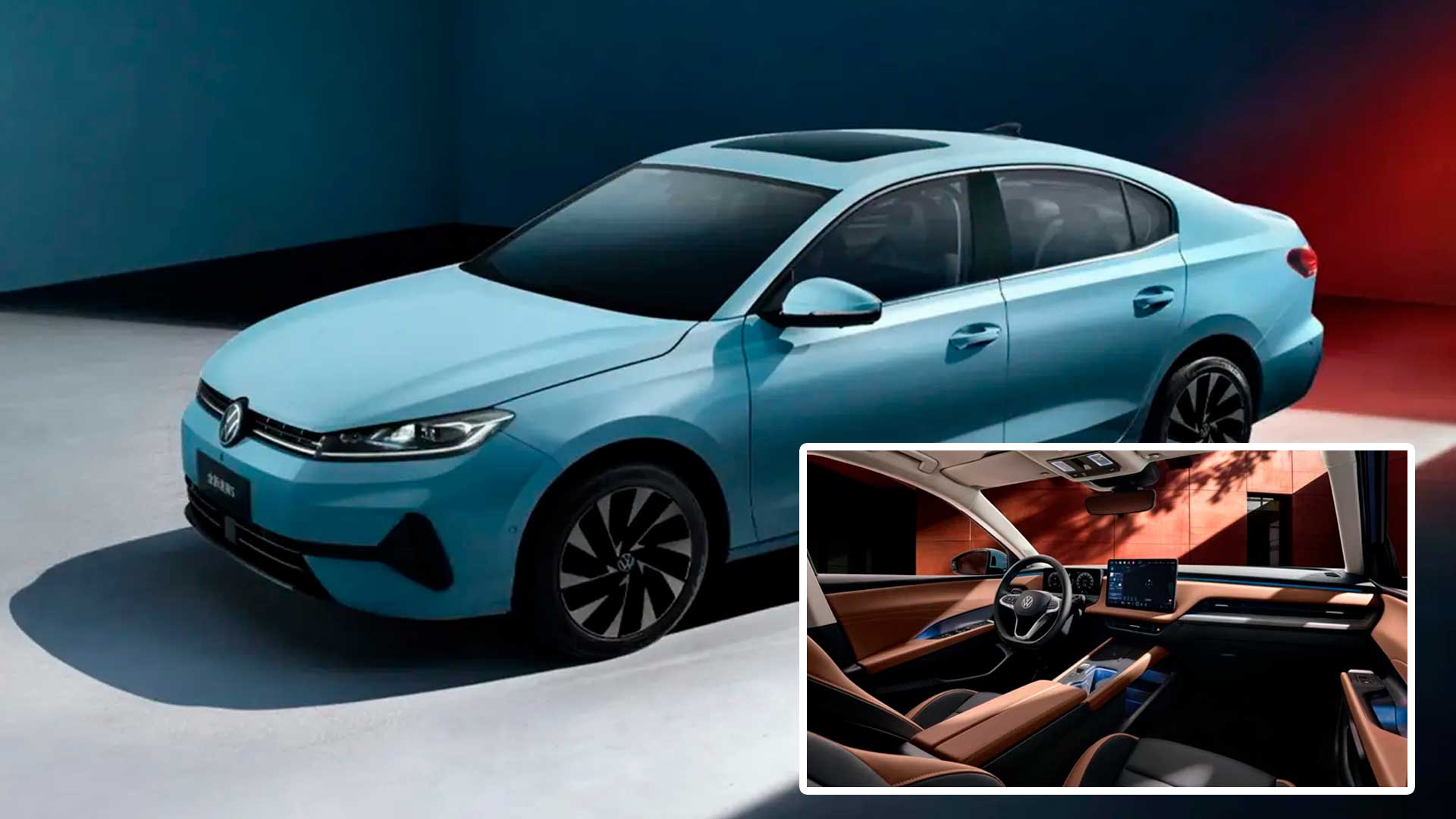
It looks like a Jetta, but costs half the price; Volkswagen launches the Sagitar S 2026 in China with a more modern design, a larger trunk, and a price much lower than the Jetta sold in Mexico.
On March 30, the company announced on the Hong Kong Stock Exchange that Xiaomi will open a wholly-owned subsidiary to manage the smart electric car business, of which Lei will be the CEO. After Lei’s announcement, Xiaomi’s shares jumped 5.4%, the largest daily percentage increase since May 12, extending gains for the third consecutive session.
Over US$ 10 Billion Invested in Electric Mobility
Xiaomi is ramping up hiring for its electric car subsidiary but has not yet indicated whether it will produce its electric cars independently or partner with an existing manufacturer.
The company’s major previous announcement regarding its new venture was made in March when it stated that it plans to invest US$ 10 billion in the business over the next 10 years. These plans were solidified last month when Xiaomi officially registered its electric vehicle business, Xiaomi EV Inc. The new company now has 300 employees, and Lei Jun himself leads the group.
Chinese Market Is One of the Largest Producers of Electric Vehicles
The potential of the Chinese market for electric vehicles is limitless. With incentives, nearly every five new cars registered last month were rechargeable in the country, new entrepreneurs are entering the market, which is now more crowded than ever.
Recently, even the Chinese search giant Baidu launched an electric car company in January, hiring a CEO for the company a month later. When Xiaomi launches its own electric cars in 2024, it will face competition from companies like BYD, Nio, and Xpeng, as well as from American Tesla.
In recent years, China’s electric car sector has benefited from favorable government assistance, which has helped the sector grow. This support may have lessened, but the market continues to grow. According to market research firm Canalys, 1.9 million electric vehicles will be sold in China in 2021, a yearly increase of 51%.









Seja o primeiro a reagir!