





 Portuguese
  English
  Spanish
  4 min of reading
  0 comments


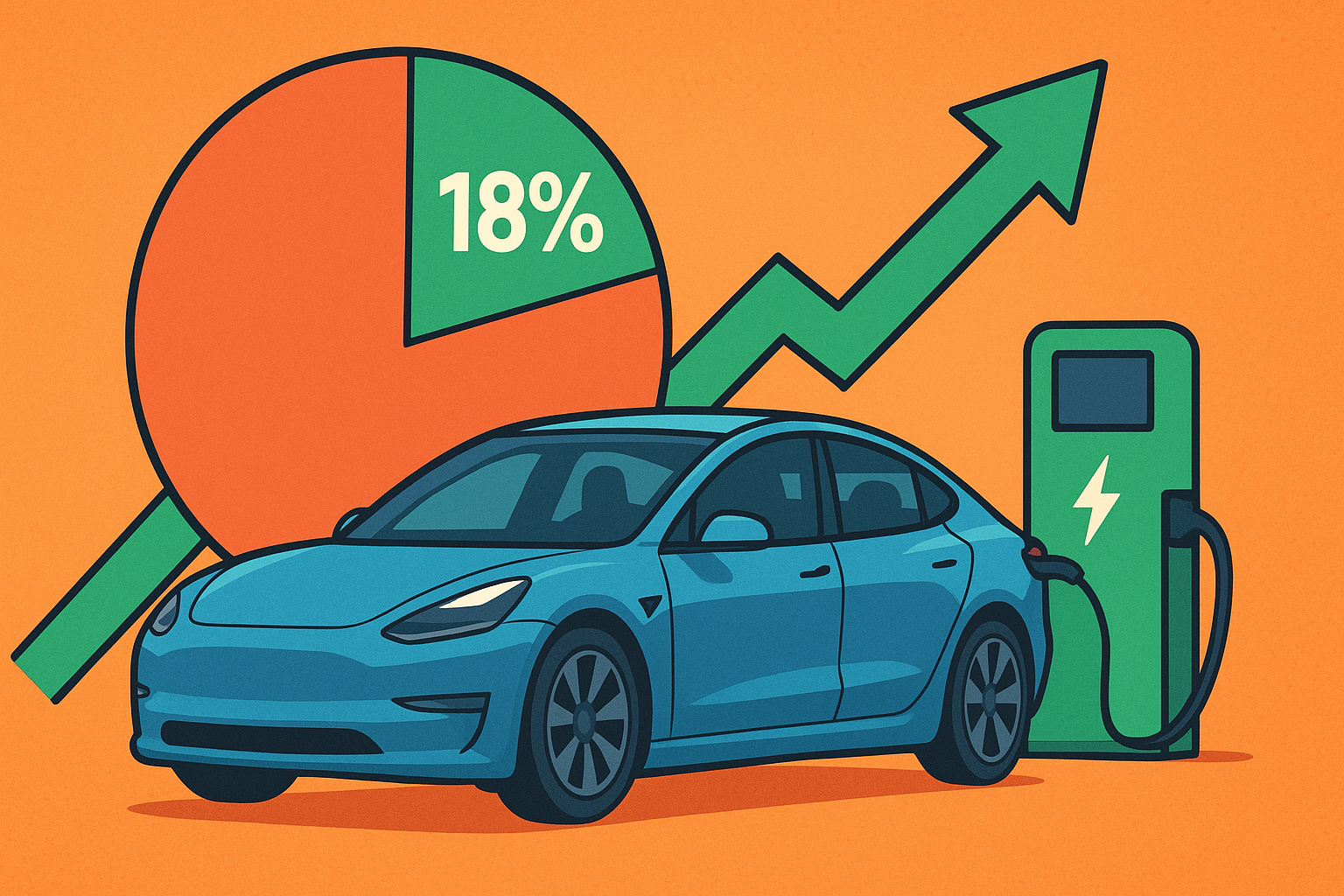
Electric Cars Account for 18% of the Global Market, While Brazil Reaches 3.4%. Understand the Scenario, Challenges, and Cost-Benefit.
Electric Cars Gain Traction in the Global Market, But Brazil Still Follows at a Slower Pace
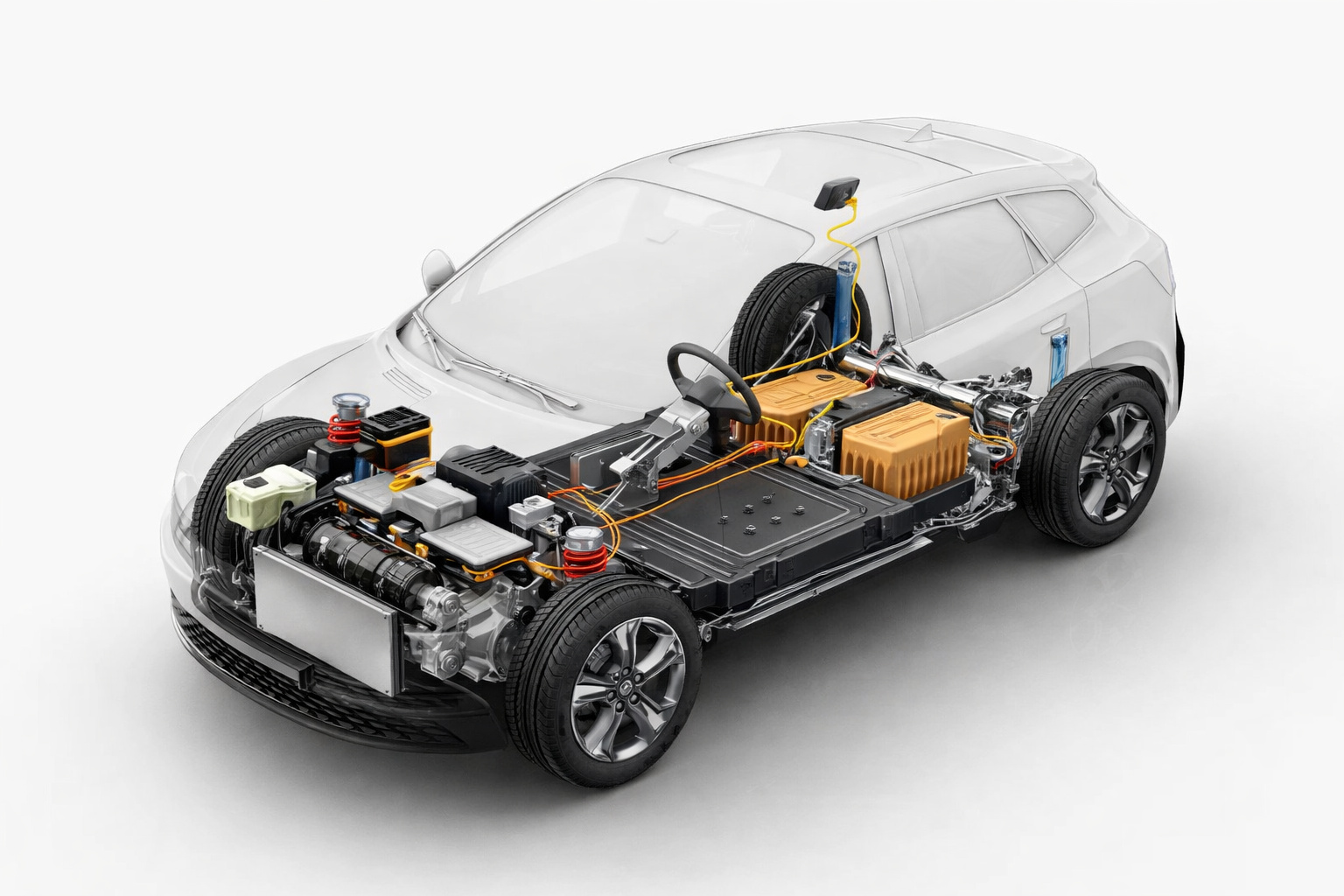
The global market for electric and plug-in hybrid cars is accelerating in 2025 and achieving historic results. Automakers sold more than 1.7 million electrified vehicles in August, according to a survey by CleanTechnica.
This number represents an annual growth of about 15% and shows the continuous advancement of automotive electrification.
International brands are expanding their portfolios and reducing costs, making electric cars more accessible and attractive to consumers.
-
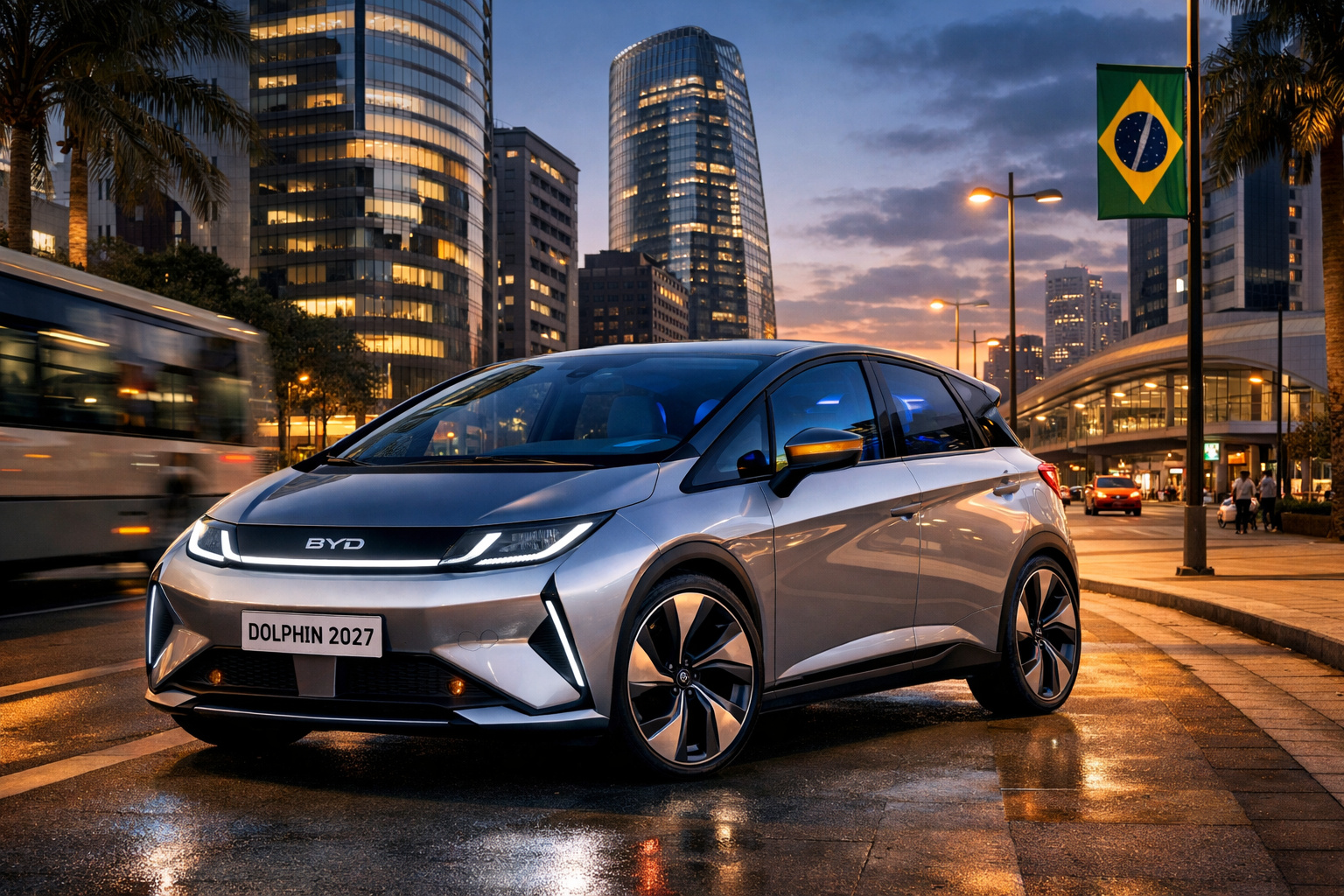
BYD Dolphin 2027 gains more power, increases in size, changes interior, and abandons controversial feature to face new competition in Brazil.
-
The German economist Wolf-Peter Schill has no doubts: “Electric cars are already far superior to cars with internal combustion engines.”

-
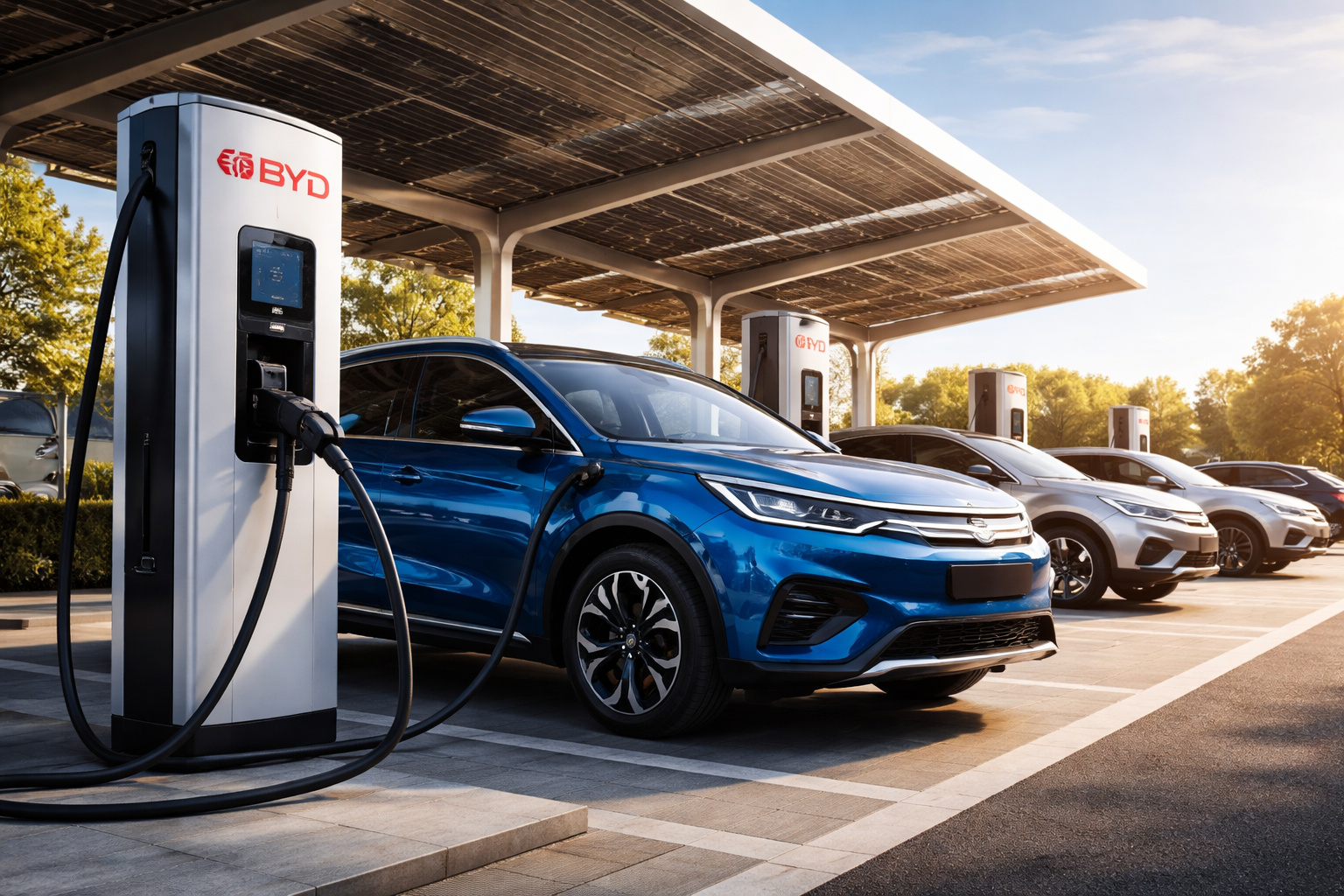
Largest public charging network in Brazil: BYD reaches 125 fast chargers and accelerates national expansion of electric mobility.
-
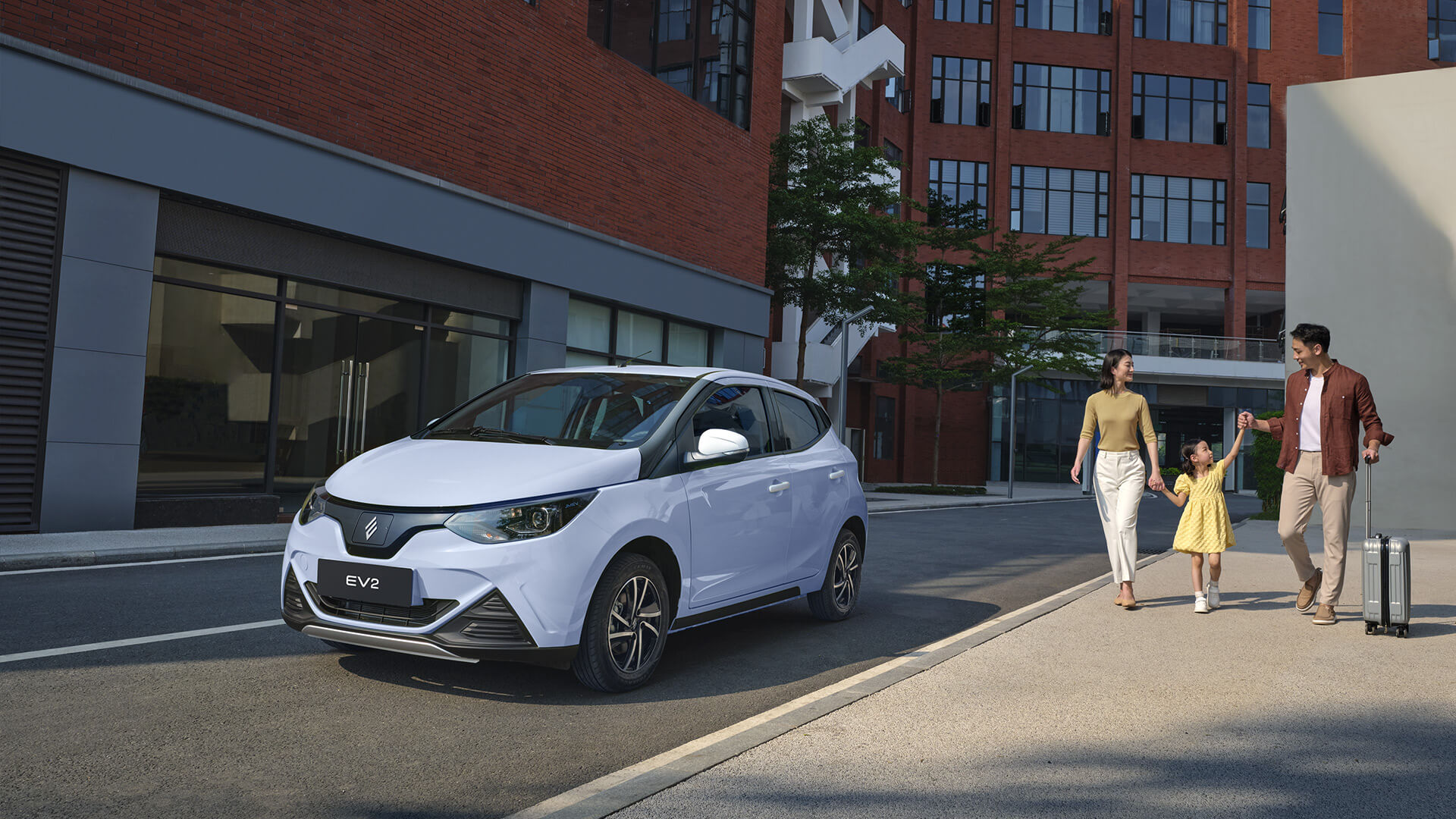
Goodbye expensive popular car: electric vehicle for less than R$ 70,000 starts being sold in Brazil with a range of 200 km and targets those looking to escape gasoline.

China and Europe Lead Global Expansion. Tax incentive policies, strict environmental goals, and robust investments in charging infrastructure drive growth in these markets.
Brazil is growing at a more moderate pace. The volume of electrified vehicle sales is increasing, but still falls below the global average.
Nonetheless, automakers and Brazilian consumers are showing increasing interest in electric mobility. The energy transition has already begun and gains momentum each month.
Global Market Driven by Chinese Brands
China Leads the Growth of the Global Electric Car Market and Establishes Itself as a Global Reference in Automotive Electrification.
According to CleanTechnica’s survey, BYD Maintained Absolute Leadership by Selling 344,839 Vehicles in August, Which Represents 20.1% of Global Sales.
Following BYD, Tesla Occupied Second Place with 8.9% Market Share, Followed by Geely (6.4%), Wuling, and Leapmotor, Which Are Gaining Traction Among Consumers.
In addition, Seven of the World’s Ten Largest Electric Vehicle Manufacturers Are Chinese, Reinforcing the Country’s Dominance in This Strategic Sector.
China’s Progress Is Driven by Robust Government Incentives and Heavy Investments in Technology and Charging Infrastructure.
As a result, Chinese automakers Are Shaping the Global Electric and Hybrid Vehicle Market, Offering More Accessible Models and Increasing Global Competitiveness with Better Cost-Benefit and Technological Diversity.
Brazil Advances, but Lags Behind International Pace
In Brazil, the advancement of electric cars has still been perceived as gradual. According to ABVE (Brazilian Electric Vehicle Association), 20,222 Light Electrified Vehicles Were Sold in August, Which Corresponds to 9.4% of the Total Number of Cars Sold.
Of these, 77.5% Were Plug-In Models (BEV + PHEV), While the Remainder Consisted of Conventional Hybrids.
Despite Growth, National Performance Is Still Well Below the Global Average. Worldwide, 100% Electric Vehicles (BEV) Represented 18% of Total Sales, While in Brazil, This Rate Was Only 3.6%.
However, a Significant Advance Has Been Recorded: Between January and August, the Country Has Already Accumulated Over 126,000 Electrified Vehicles Sold, and ABVE’s Projection Indicates That the Total May Exceed 200,000 Units by the End of 2025.
Factors Explaining Brazil’s Discrepancy
Brazil is Still Advancing More Slowly than the Global Electric Car Market, and Three Factors Explain This Delay.
Firstly, High Prices Limit the Growth of Electrification. As Most Models Are Imported, Automakers Pass High Costs on to Consumers, Which Reduces Cost-Benefit and Dissuades Part of the Interested Public.
Moreover, the Country Lacks a Broad and Efficient Charging Infrastructure. Although New Stations Are Gradually Being Installed, the Network Still Concentrates on Major Cities and Does Not Serve Long-Distance Routes, Which Reduces Driver Confidence.
On the Other Hand, the Absence of Consistent Government Incentives Also Hinders the Expansion of Electric Cars in Brazil. In Other Countries, Subsidies, Tax Benefits, and Environmental Policies Encourage the Purchase of Electrified Vehicles and Strengthen the Sector.
Here, however, Initiatives Remain Isolated and Depend on Local Governments, Which Delays the Popularization of Electric and Hybrid Cars and Keeps the Country Far from the Global Average.
Optimistic Prospects for Brazil
The Electric and Hybrid Car Market in Brazil is Advancing Consistently, Even in the Face of Challenges.
New Chinese Brands, Such as BYD, GWM, MG, Omoda-Jaecoo, and Leapmotor, Are Increasing Competition and Driving Prices Down, Which Further Increases Interest Among Brazilian Consumers.
At the Same Time, Traditional Automakers Intensify Investments in Electrification and Launch More Accessible Models, with Better Cost-Benefit and Increased Energy Efficiency.
This Movement Accelerates the Energy Transition and Confirms That Automotive Electrification Is Inevitable, Both in the Global and National Market.
Thus, Brazil Gradually Inserts Itself into This New Scenario, Where Technology, Sustainability, and Energy Economy Guide the Future of Mobility and Transform How the Country Moves.
Hybrid Cars Gain Ground as a Viable Alternative
Hybrid Cars Are Gaining Space as a Practical Alternative Amid the Challenges Faced by Electric Cars, Especially Regarding Price and Charging Infrastructure.
These Models Combine Combustion Engines with Electric Systems, Increasing Riding Range and Reducing Maintenance Costs, Making Them More Accessible to the Public.
For This Reason, More and More Consumers Are Choosing Hybrids as a Gateway to Electric Mobility, Enjoying the Best of Both Worlds.
Moreover, This Preference Has Been Observed in Brazil and Other Emerging Countries, Where Cost-Benefit Remains a Decisive Factor in Vehicle Purchase.







Seja o primeiro a reagir!