





 Portuguese
  English
  Spanish
  4 min of reading
  0 comments


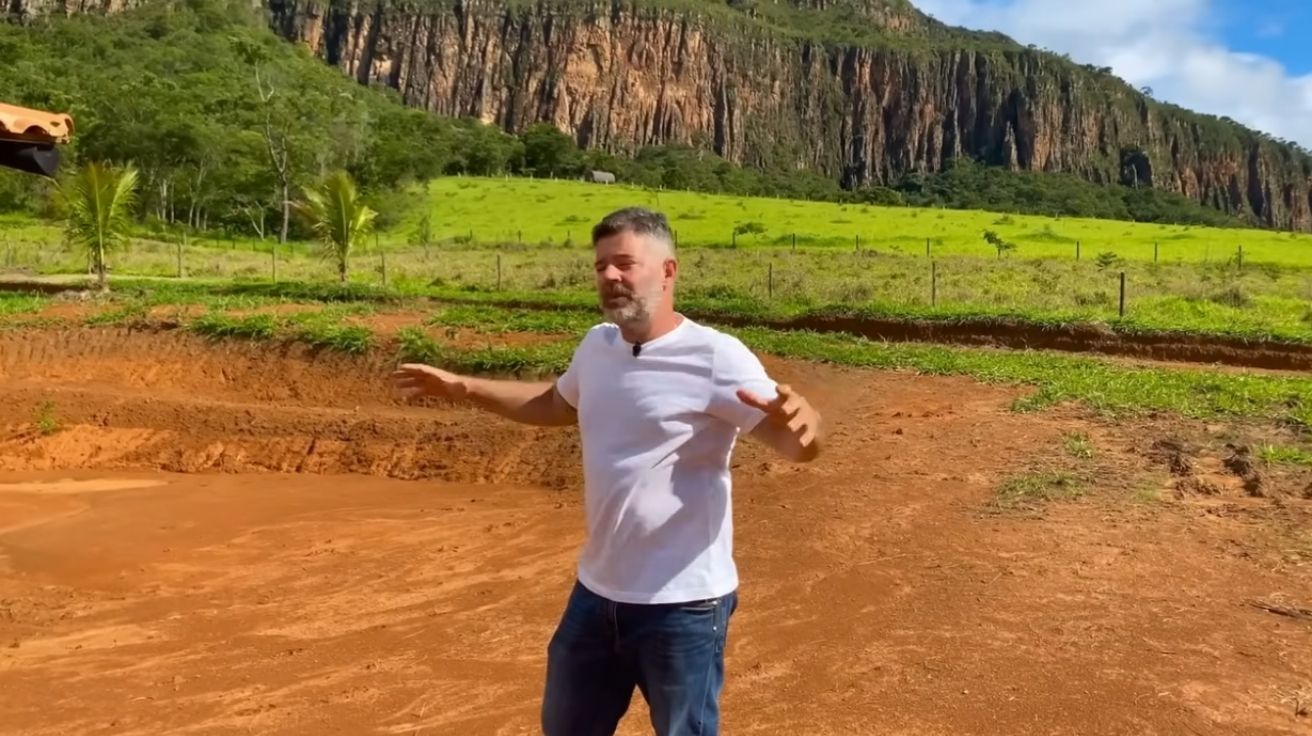
They Exchanged the Comfort of a Stable Routine Abroad for the Simplicity of the Interior of Minas, Where They Raise Rescued Dogs, Grow Organic Gardens, and Build Chalets with a View of Natural Walls
A couple who lived for over 15 years in Canada decided to restart their life on a farm in Minas Gerais, near Capitólio. The choice was motivated by the desire to live with more autonomy, contact with nature, and the freedom to apply sustainable practices in agriculture and construction.
The project started from scratch. Upon returning to Brazil, Frederico, a native of Belo Horizonte, and his wife Ron, born in Vietnam and raised in Canada, settled on a six-hectare plot filled with springs, native vegetation, and a privileged view of the Serra da Canastra. The area is now known as Chalé Vale das Cachoeiras, where the couple grows medicinal plants, organic gardens, and takes in rescued animals.
ARTICLE CONTINUES BELOWSee also
The village where two rivers run side by side without mixing in Santarém and Alter do Chão reveals some of the most beautiful freshwater beaches on the planet.
Brazil’s nuclear submarine with a speed 5 times greater than normal advances after nearly 50 years and R$ 40 billion spent.

A Brazilian island charges R$ 0.50 to receive visitors and prohibits any new residents.
Why was the Great Wall of China built? The truth that many are unaware of!

They live with three adopted dogs, Grandão, Tupã, and Brownie, as well as two heifers, Dolores and Creuza, responsible for keeping the pasture low in a natural way. With construction experience gained in Canada, Frederico uses bioconstruction techniques, utilizing local resources such as stone, clay, and wood to erect functional structures integrated into the environment.

Sustainability and Simple Living Mark the Routine at the Farm in Minas
To make the property more sustainable, the couple implemented a evapotranspiration pit system, where gray water is treated by plants like banana trees, which absorb up to 20 liters of liquid per day. Additionally, the cultivation follows the principles of agroforestry and permaculture, with crop consortia like corn, beans, and pumpkin to enrich the soil and balance the ecosystem.
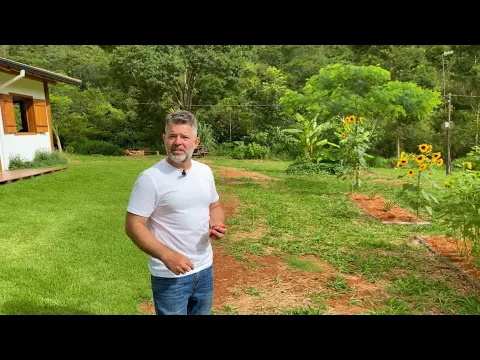
Another distinction is the great diversity of fruit and medicinal species planted, including macadamias, starfruit, taioba, parsley, and green onions, among others. There are also ornamental sunflowers, part of the seeds brought from Canada, along with native trees such as Brazilwood and rosewood.
The water consumed on the property comes from natural springs, located within the farm itself. The construction of the chalets respects the topography and local climate, with large windows for air circulation and sunlight, eliminating the need for air conditioning.
Rural Tourism and Immersive Experiences in the Countryside
The two rustic chalets, named “Chalé Sol” and “Chalé Lua,” were designed to offer visitors an immersive experience of rural life. Guests can pick vegetables directly from the garden, participate in ecological trails to nearby waterfalls, and interact with the animals. The location does not provide full-board service, allowing visitors freedom and autonomy during their stay.
Frederico’s wife also actively participates in the project. Of Asian descent and with a strong cultural connection to Canada, Ron has adapted to the Minas routine, learning to make cheese bread, jabuticaba jelly, and managing content production for the couple’s digital channel, where they share behind-the-scenes life on the farm.
The land includes areas planned for future expansions, such as a wood-fired oven for pizzas and bread, as well as a gazebo for gatherings. A significant portion of the property is preserved as a forest reserve, demonstrating the commitment to environmental preservation.
A Project That Unites Past, Present, and Future with Roots in the Countryside
The farm in Minas represents the realization of an old dream of Frederico: to live in harmony with nature. Decisions are guided by values such as respect for the environment, care for animals, and the revival of traditional practices. Everything is done gradually, with attention to detail and daily learning.
Moreover, the project promotes conscious rural tourism and offers a leisure alternative aimed at reconnection with the countryside. The warm reception, home-cooked meals, contact with plants, and pure water attract families and couples seeking rest and tranquility.
According to a report published on the Portal da Roça channel, the location is becoming an example of how it is possible to transform an abandoned space into a reference for sustainability and rural well-being with low environmental impact.






Seja o primeiro a reagir!