





 Portuguese
  English
  Spanish
  3 min of reading


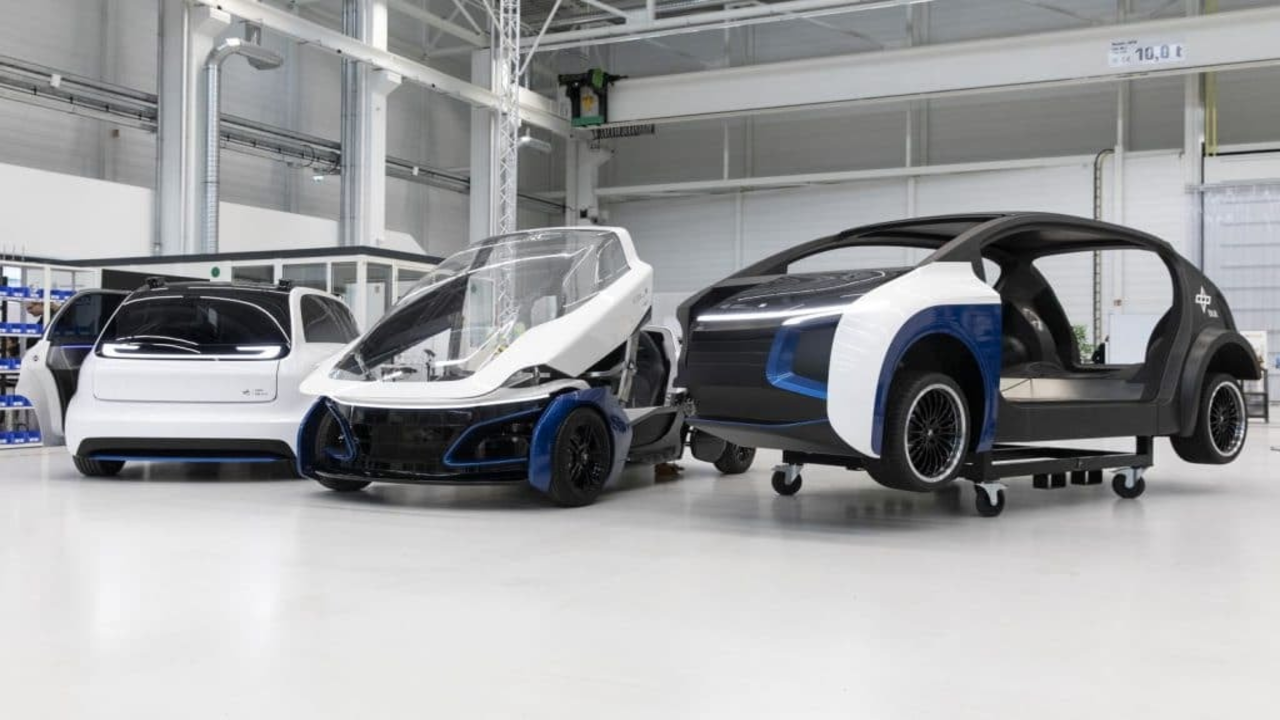
The German Aerospace Center Presented a Prototype Equipped with an Unusual Powertrain, Promising a Range of 1,000 km
The first Intercity Vehicle (IUV) will be built by the German Aerospace Center (DLR). The institution released the first images of the first medium and high-class vehicle concept. The IUV combines a fuel cell, a battery, and new approaches for energy management. The DLR promises that the hydrogen car, which can be refueled like an electric car, will deliver a range of 1,000 km.
Hydrogen Car That Can Be Recharged Like an Electric Vehicle
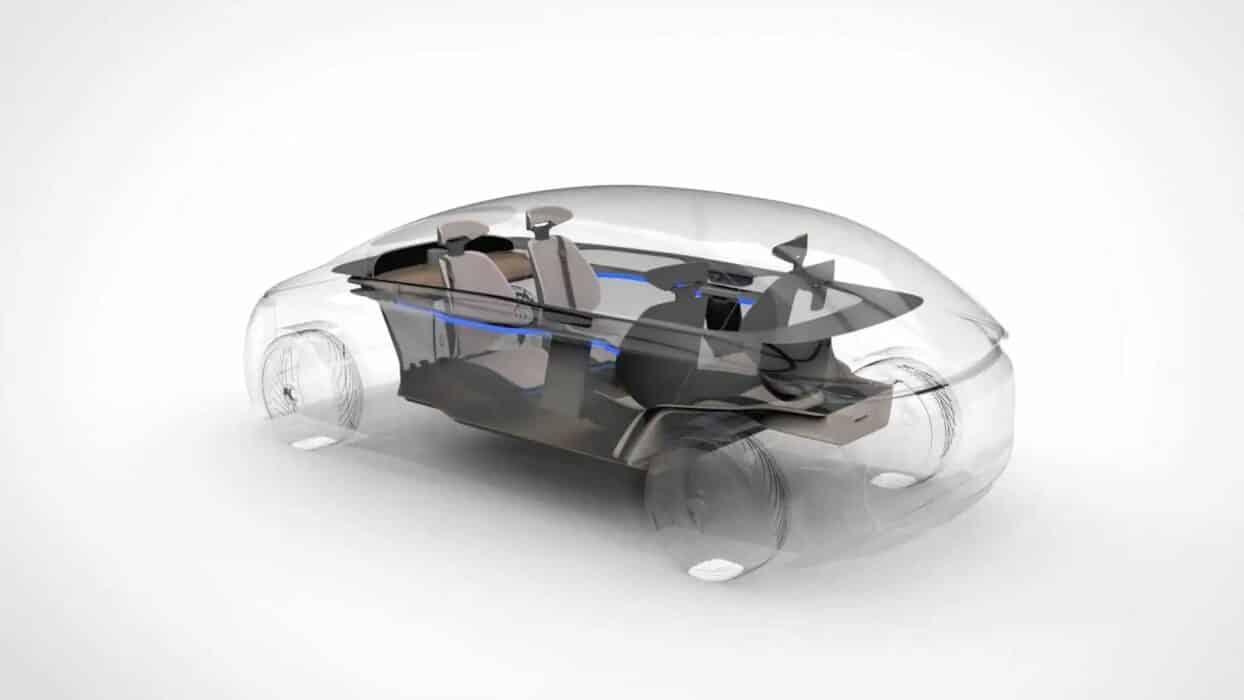
The hydrogen car is five meters long, two meters wide, and can accommodate five people. As an “intermunicipal vehicle,” the five-meter car is optimized not for urban traffic but for travel between cities and even long distances.
According to the announcement, the IUV was designed for “long-distance, emission-free, and comfortable driving of up to 1,000 kilometers.” In terms of drive concept, the DLR opted for a combination of battery/fuel cell, referred to in the post as “plug-in fuel cell hybrid.”
-
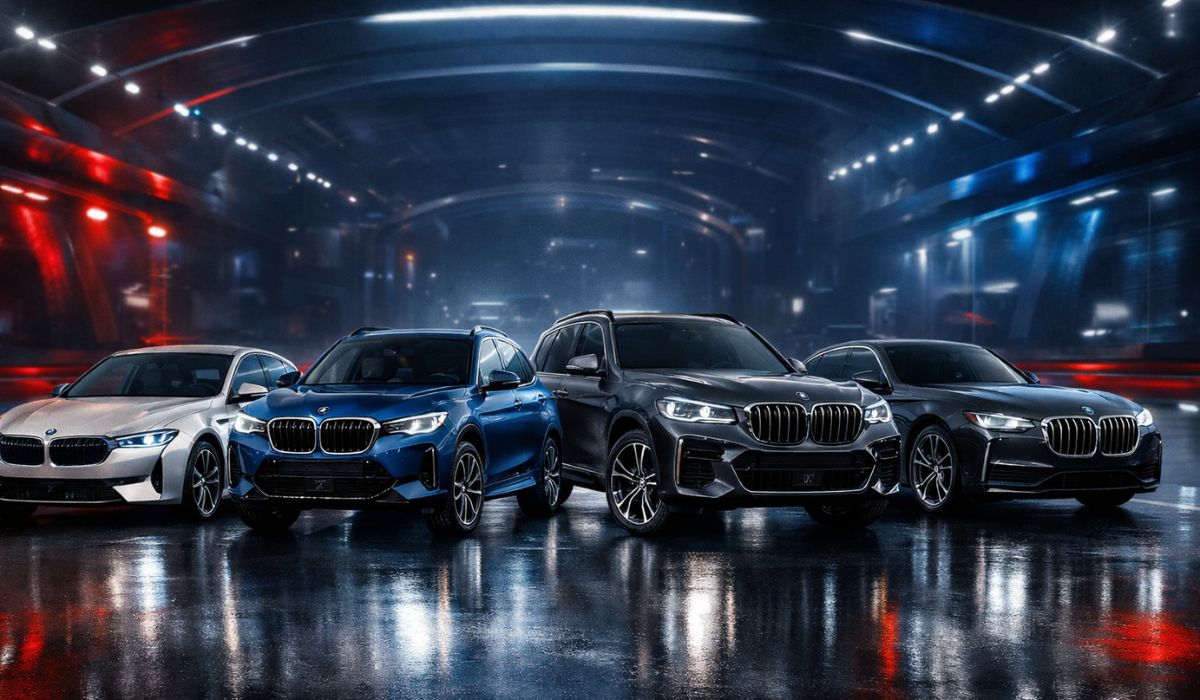
BMW entered 2026 ready to turn the tables with an avalanche of launches that mix new electric vehicles, refreshed SUVs, transitioning sedans, and sports cars, in an offensive that accelerates the Neue Klasse era and could reshape the global premium competition.
-
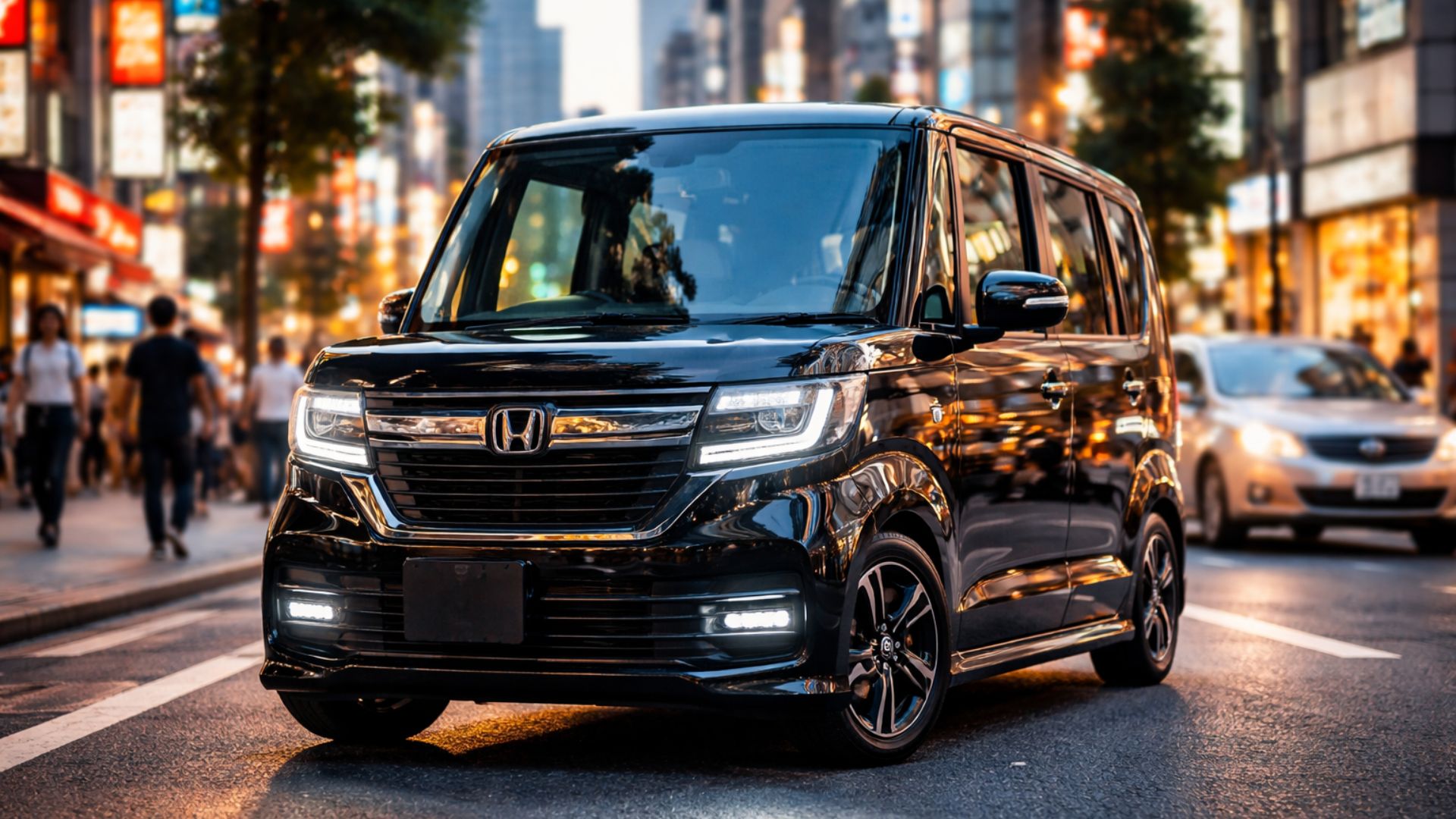
Honda’s mini car is a hit with a 0.66 turbo engine, selling 198,893 units, leading sales for the 5th consecutive year, featuring Honda SENSING and optional 4×4 traction, with a spacious interior and measuring just 3.39 m in Japan.
-
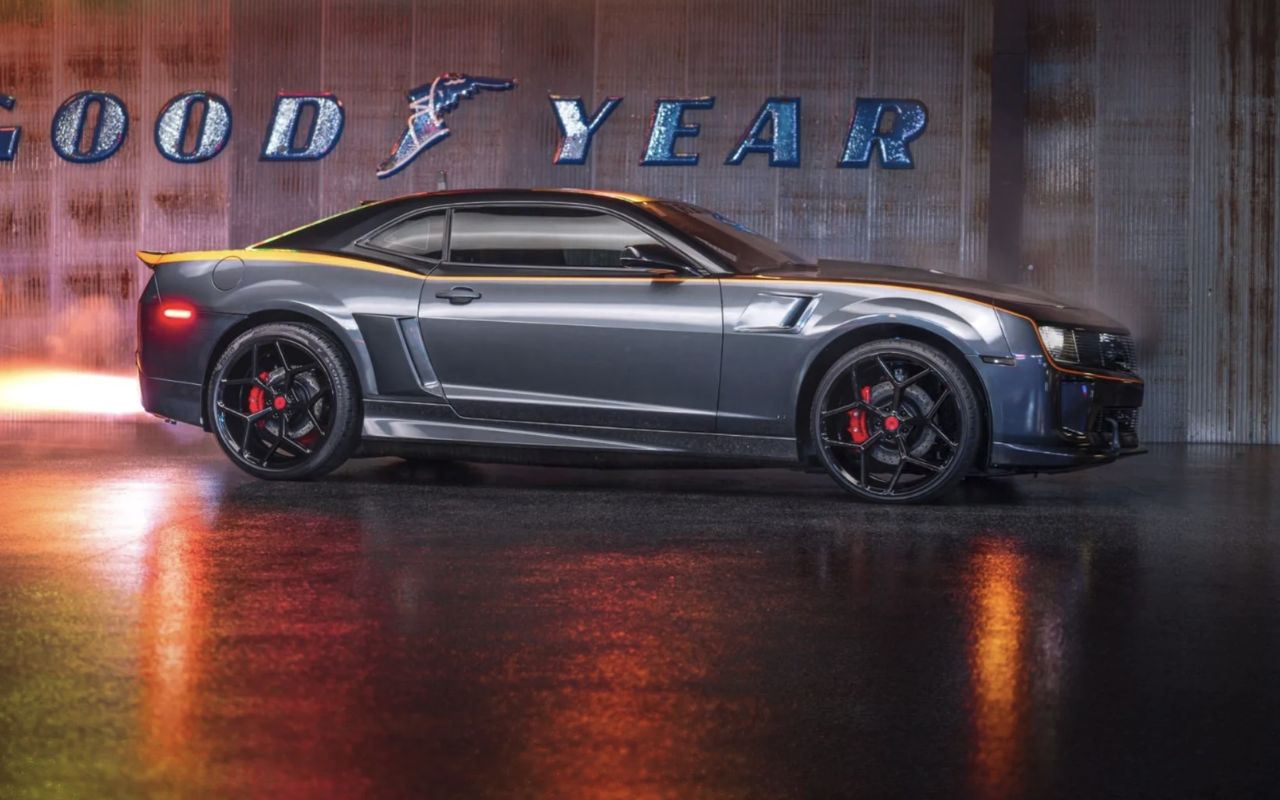
Modified Chevrolet Camaro with Boeing T50 military turbojet engine surprises with its performance, technology, and stands out at auction.
-
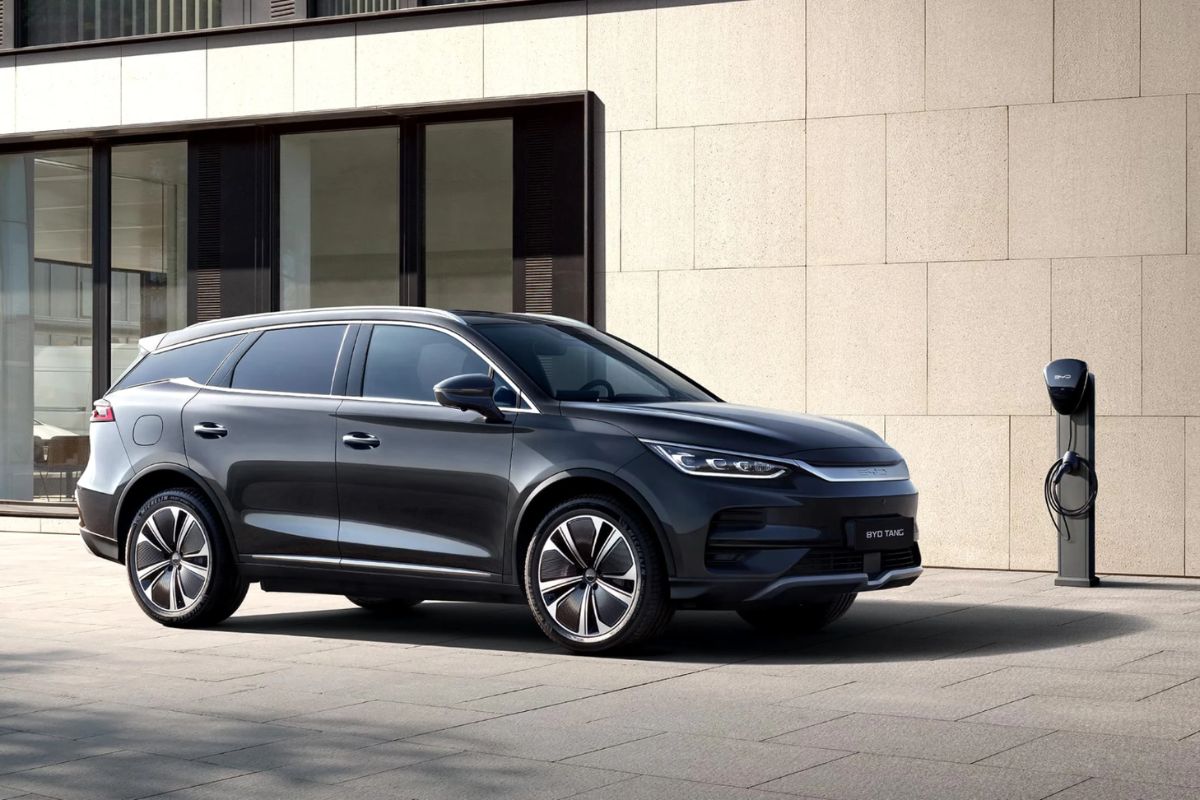
BYD presents the new Great Tang electric vehicle with 7 seats, Blade battery of 130.15 kWh, a range of up to 590 miles CLTC, AWD 585 kW, and 0 to 100 in 3.9 seconds.
By definition, this is not entirely correct, as both the battery and fuel cell drive components use the same electric motor, and it is not divided into two complete drive systems, each with its own energy storage and motor, as is the case with a hybrid.
However, with this designation, the principle becomes clear: similarly, for example, to the Mercedes GLC F-Cell, the battery can also be charged via cable, which is not possible in the Hyundai Nexo and the Toyota Mirai.
48 kWh Battery
The IUV battery is larger than conventional combustion plug-in hybrids, with an energy capacity of 48 kWh. The battery is installed in the back of the car.
Hydrogen tanks with a capacity of 7.5 kilograms are installed in the lower part of the body, where electric cars usually have a battery. The fuel cell at the front of the car has a power output of 45 kW, which should be sufficient to meet energy needs at long-distance speeds. The electric motors produce a total of 136 kW, so the difference should be compensated by the battery.
To achieve a range of 1,000 kilometers, energy management was also done in the most efficient way possible. For this, a metal hydride storage system was developed that uses part of the pressure difference between the hydrogen tank at 700 bar and the fuel cell at 5 bar to generate additional cooling and air conditioning – this is significant energy that cannot be drawn from the battery (ed).
Hydrogen Car Weighs Only 250 kg
“The body structure of the hydrogen car from the German Aerospace Center weighs only 250 kg, which is about a quarter less than normal in this vehicle segment,” says project manager Sebastian Vohrer from the DLR Institute for Automotive Concepts in Stuttgart.
The structure of the car is made possible by the use of fiber-reinforced plastics, but aluminum and multi-layer materials are also used in appropriate places. The design also adapts to this. The structures serve multiple functions. For example, the floor structure is used to transmit electricity and data, in addition to supporting the load capacity of all car superstructures.
“This eliminates the need for extra wiring and further reduces the overall weight.” The vehicle shown in the photographs is an illustration – in other words, an interpretation of how the DLR team might envision a possible body in a technology platform of this kind being developed. However, the prototype serves a different purpose: “The initial prototype gives a first impression of how the car might look in practice,” says Vohrer.









Seja o primeiro a reagir!