





 Portuguese
  English
  Spanish
 4 min of reading
  0 comments


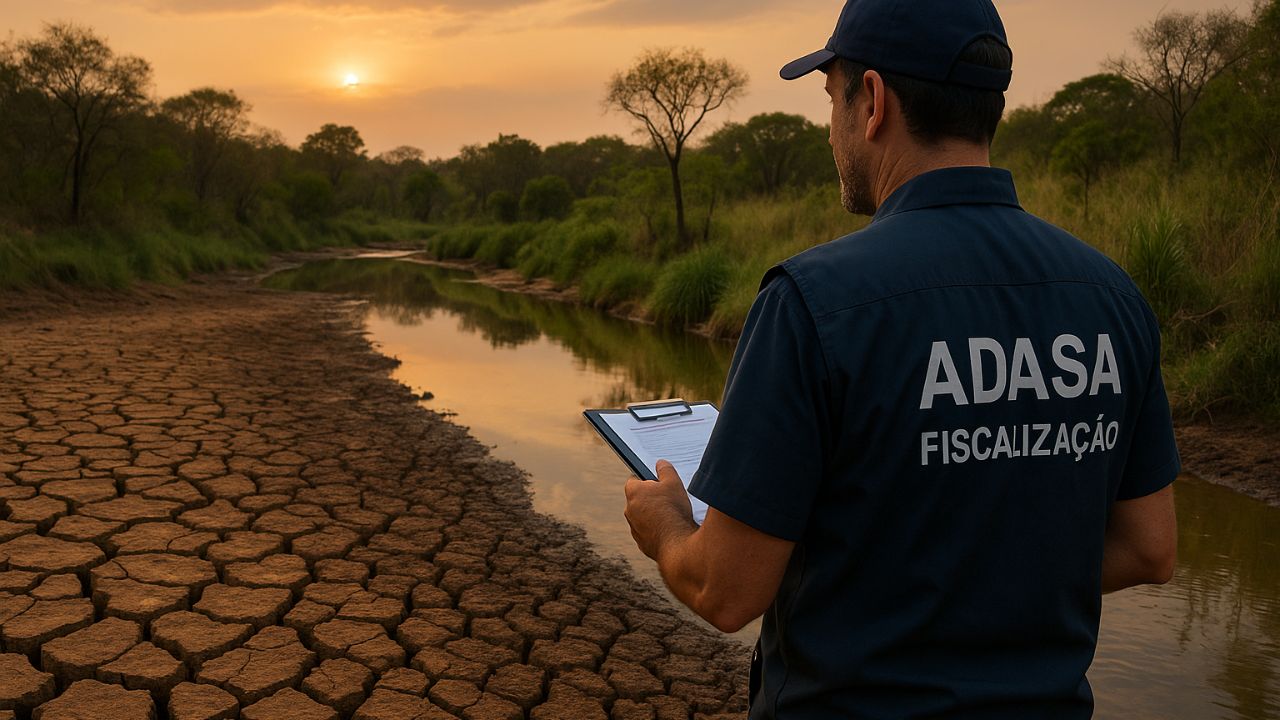
Cerrado Suffers Record Loss of Water Resources; Adasa Reinforces Oversight in the DF and Experts Call for Urgent Actions at COP30.
A few days before the COP30 in Belém (PA), the Cerrado returns to the center of attention for an alarming reason: the accelerated loss of its water resources. Known as the “heart of Brazil’s waters,” the biome is drying up.
Since the 1970s, the minimum safety flow of the main basins has dropped by 27%, and the current loss is equivalent to 30 Olympic swimming pools of water per minute — enough volume to supply the country for more than three days.
Between 2021 and 2025, the Water, Energy and Basic Sanitation Regulatory Agency of the Federal District (Adasa) issued about 800 violation notices for illegal water use, mainly for drilling underground wells.
-
With a water crisis on the radar, Sabesp invests in reclaimed water for data centers and transforms sewage treatment into a solution that saves millions of liters and protects public supply.

-
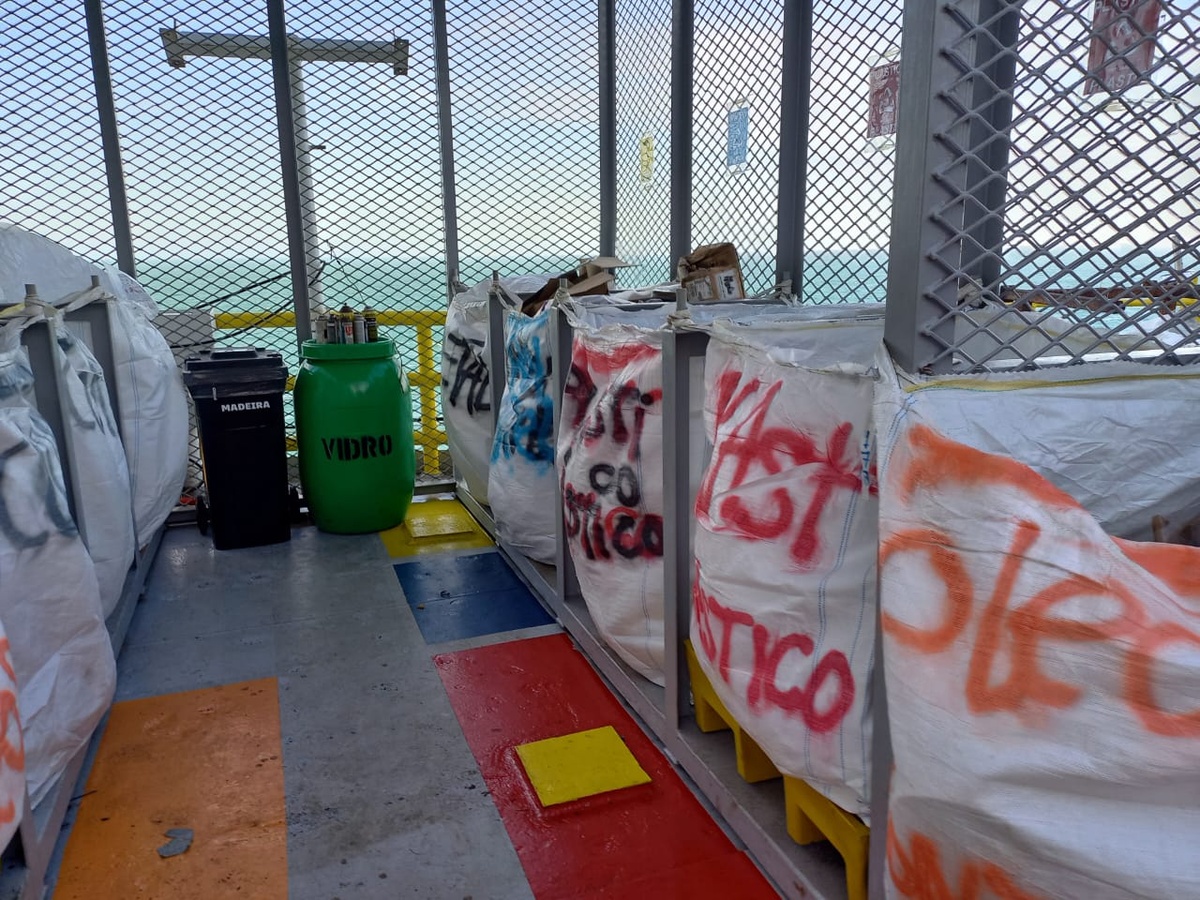
Foresea achieves 100% offshore waste reuse in 2025, eliminates landfill disposal, and consolidates sustainable strategy with 1,500 tons recycled.
-
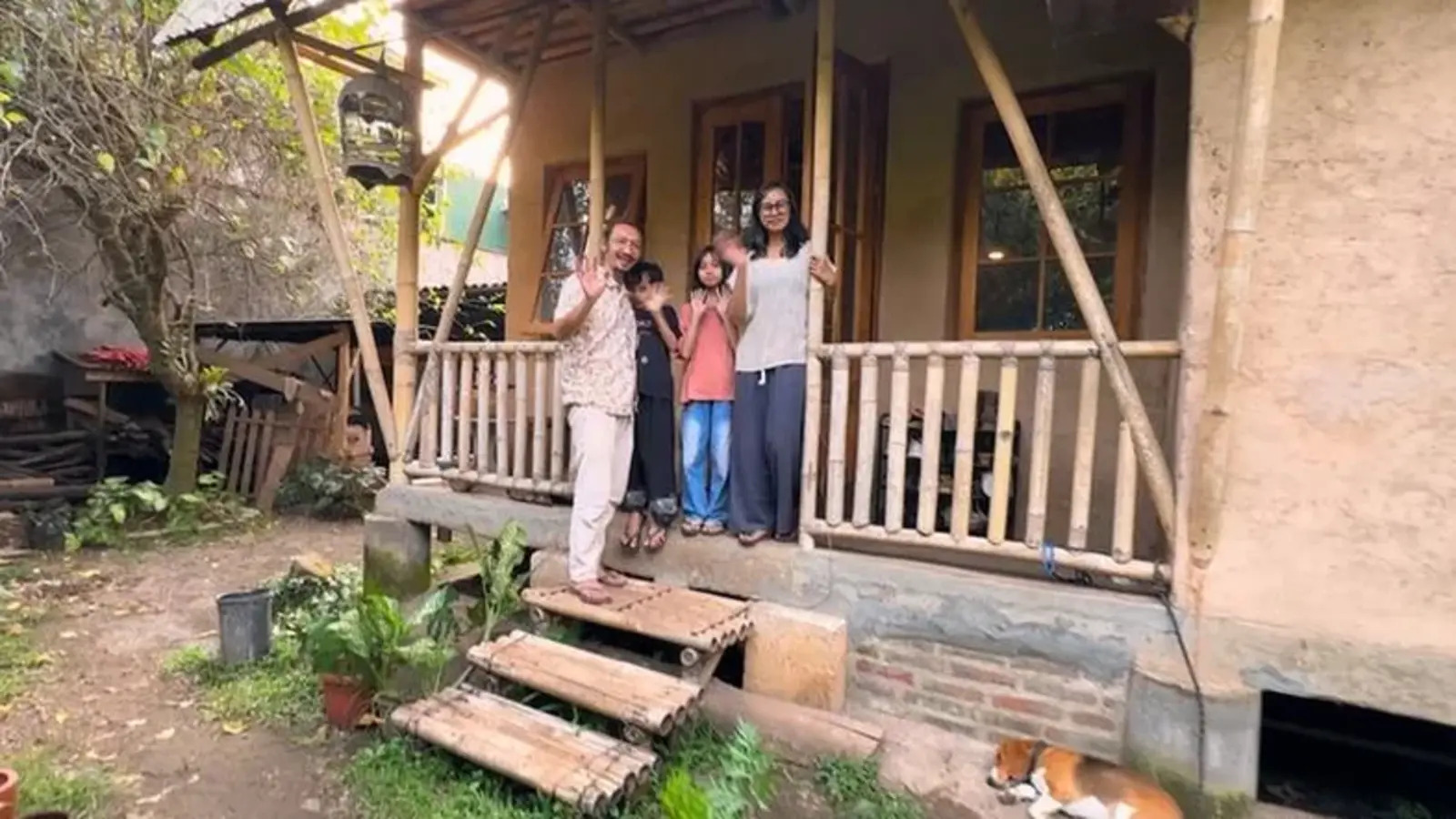
With earth, bamboo, straw, and lime mortar, a specialist builds a house for just over $460 and draws attention for its cost being much lower than traditional construction.
-
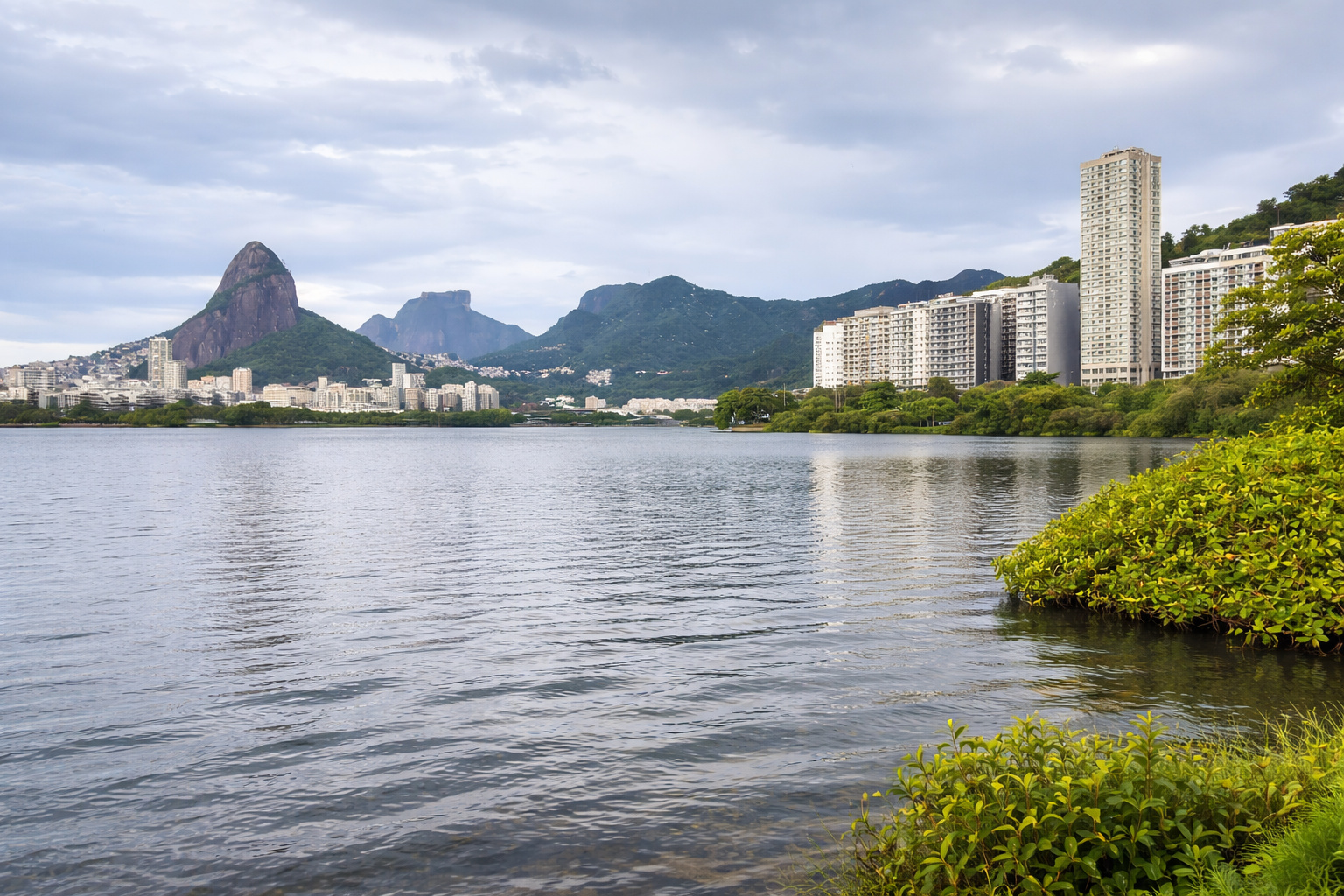
Rodrigo de Freitas Lagoon advances in environmental recovery with sanitation, elimination of irregular sewage, and the resumption of water sports in Rio de Janeiro.

The situation is considered critical by experts, who call for urgency in implementing sustainable policies and preserving the water sources of the DF and the Cerrado.
The “Heart of Waters” in Danger
Agricultural expansion, deforestation, and unplanned urban growth are compromising the natural water cycle.
The replacement of native vegetation with monocultures of soybeans and pastures profoundly alters the soil’s ability to retain moisture.
The typical plants of the Cerrado — such as pequi, buriti, and ipe — have deep roots that function as “natural pumps,” keeping the soil moist and supplying aquifers.
When removed, the entire water balance collapses.
The biologist and PhD in Botany from UnB, Marcelo Kuhlmann, explains:
“The loss of vegetation cover contributes to increased temperatures and reduced rainfall because the Cerrado participates in the moisture cycle that connects the biome to the Amazon through so-called ‘flying rivers’.”
According to the expert, the problem goes beyond the borders of the Midwest:
“Soil compacted by machines and cattle loses its ability to infiltrate water, which reduces the recharge of aquifers and causes erosion and sedimentation of rivers. The ‘heart of Brazil’s waters’ is weakening, affecting vital basins such as São Francisco, Xingu, and Tapajós.”
Adasa Reinforces Actions and Alerts for Rational Water Use
In the Federal District, Adasa has been intensifying oversight on the use of water resources, focusing on artesian wells and illegal water captures.
According to the Department of the Environment (Sema-DF), there are 6,200 mapped springs in the region, and their preservation is essential to ensure the water supply for the population.
Authorities advocate for measures that combine sustainability and productivity, such as recovering degraded areas, protecting riparian forests, and sustainable agricultural management — practices that reduce sedimentation and preserve water quality.
Agriculture Seeks Balance Between Productivity and Sustainability
With a Gross Value of Production (VBP) of R$ 5.87 billion in 2024, the agricultural sector of the DF shows strength but also faces the challenge of using water rationally.
The agronomist engineer from Emater-DF, Antonio Dantas, states that intelligent irrigation is essential:
“Irrigating at the right time and in the right amount requires technology. After the water crisis of 2017, we encouraged producers to adopt more efficient practices, as the costs of energy and irrigation are very high.”
The rural producer Marcos Almeida is an example of someone who has adopted modern solutions. He implemented a drip irrigation system and uses plastic covering on the soil to conserve moisture.
“With drip irrigation, the water goes directly to the root and avoids waste. Additionally, the plastic keeps the soil moist for longer and reduces the use of herbicides,” he explained.
According to him, the results are visible:
“Before, I spent about R$ 800 per month on energy. Now, I reduced it by almost 40%. Sustainability is not an expense — it’s savings.”
Environmental Programs and the Role of COP30
The COP30 should discuss solutions to curb the degradation of the Cerrado and strengthen water-related sustainability policies.
For biologist Marcelo Kuhlmann, the event is a historic opportunity to place the biome at the center of global debate:
“A large part of the waters that sustain the Amazon originate here. Protecting the Cerrado is essential to confront the global climate crisis.”
In the DF, programs like the Pipiripau Water Producer are already showing positive results.
Farmers receive financial incentives to reforest degraded areas, restore springs, and build structures that conserve soil and water.
These initiatives reinforce that the path to sustainability is also the path to survival.
The future of the Cerrado and Brazilian water security will depend on the ability to reconcile production, conservation, and environmental responsibility — themes that are expected to gain prominence in the discussions at COP30.






Seja o primeiro a reagir!