





 Portuguese
  English
  Spanish
  5 min of reading
  0 comments


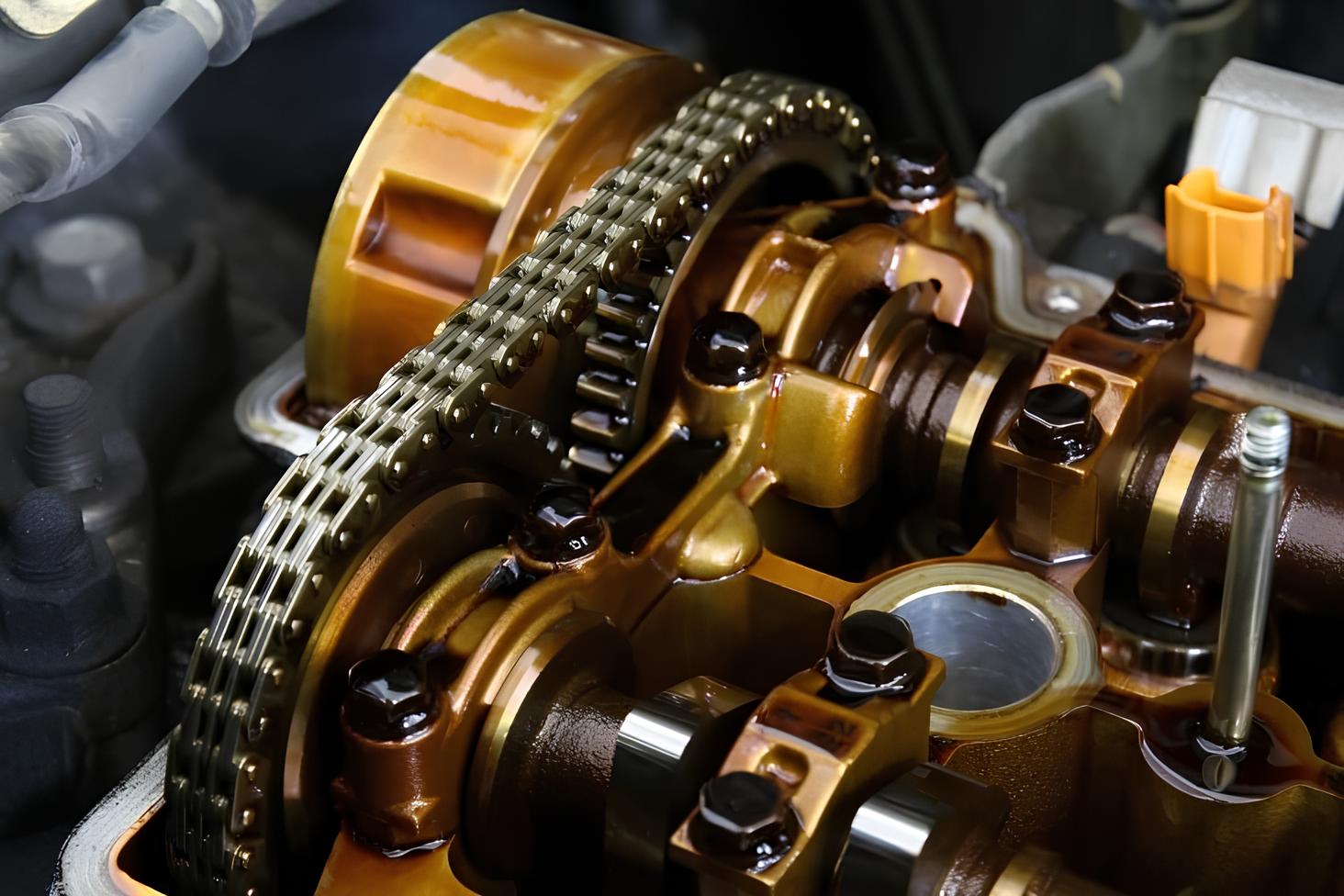
Oil-Coated Timing Belt Has Been Gaining Highlight in Models in Brazil Due to Its Low Maintenance. Discover the Durability of the Timing Belt and Cars with Oil-Coated Belt That Last Up to 240 Thousand Km Driven.
The durability of the timing belt has always been a concern among drivers and mechanics. Traditionally, the replacement of this vital part occurs between 60 thousand and 100 thousand kilometers. However, some modern models surprise with a more efficient technology: the oil-coated timing belt, which can last up to 240 thousand km.
This article explores Brazilian cars that use this advanced system, the advantages of the technology, and essential care to extend its lifespan, offering reliable information for those who value quality automotive maintenance and long-term savings.
What is the Oil-Coated Timing Belt?
The oil-coated timing belt, also known as immersed belt or “belt-in-oil,” is an evolution of the traditional system. Unlike dry belts, this type is installed inside the engine, functioning submerged in lubricating oil.
-
Less than a Tera TSI, up to 710 km of range and charging in 9 minutes: the new BYD Song Ultra expands the Chinese brand’s bet on increasingly faster, more technological, and competitively priced electric SUVs.

-
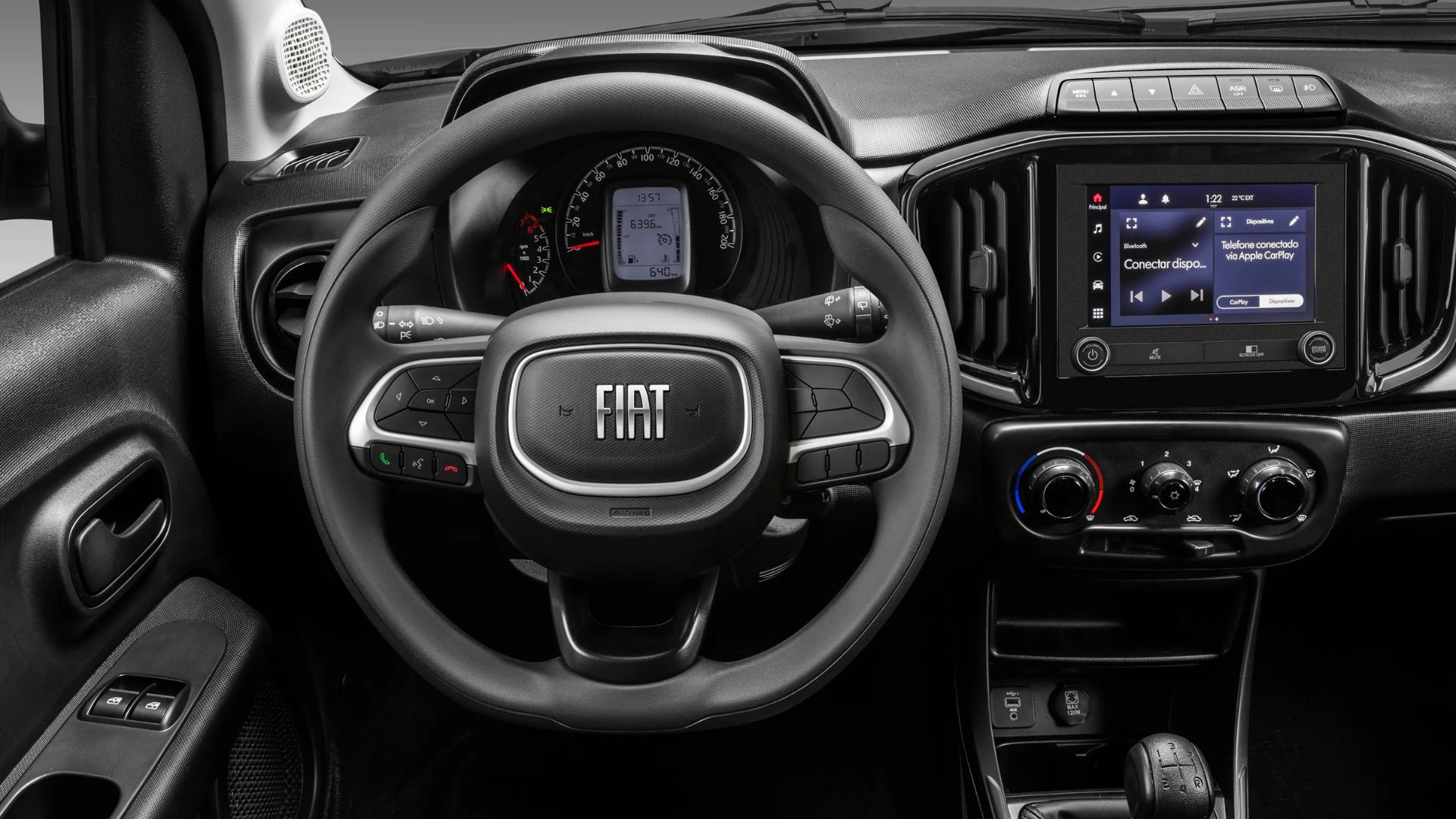
With a 1.0 engine producing 75 hp and costing less than R$ 70,000, Fiat’s car returns to the podium as the cheapest in the country; a temporary promotion for the 2026 Like version reduces the price of the Fiat Mobi.
-
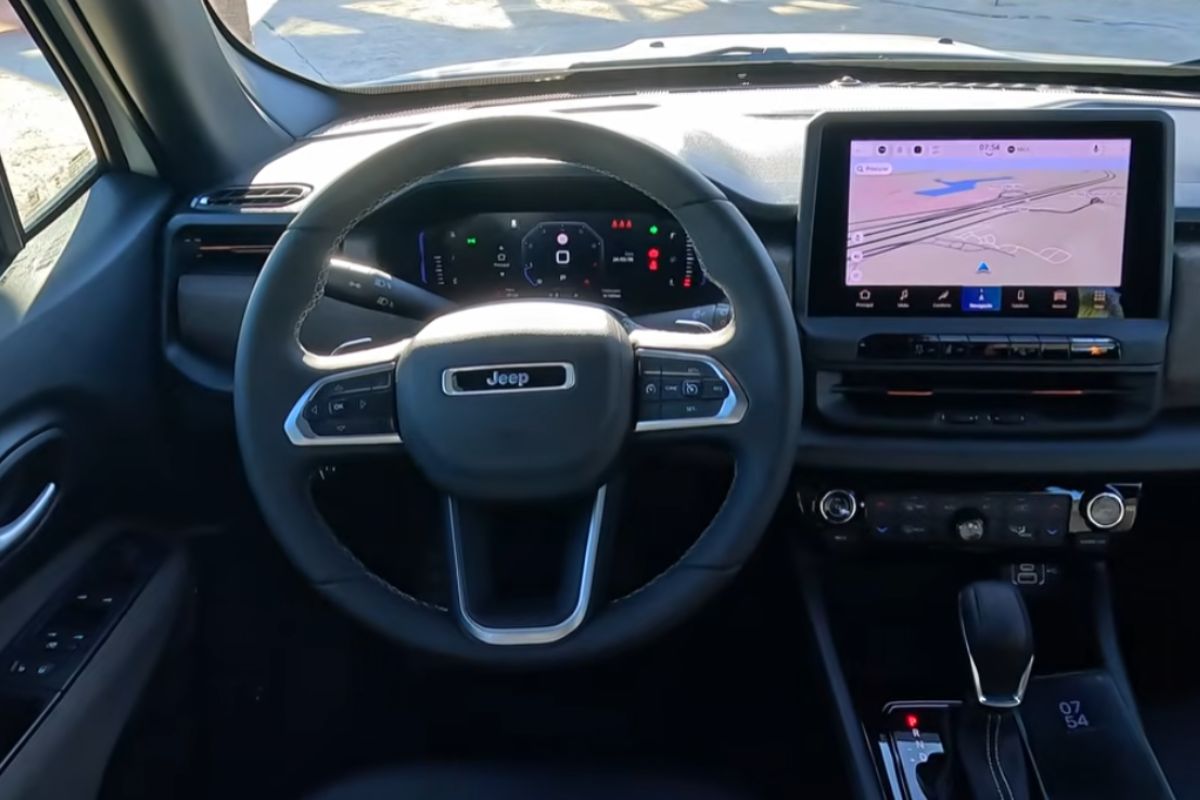
With a mild hybrid system of 48 V, 176 hp and a price of R$ 175,990 in the Sahara version, the new Jeep Renegade changes mostly on the inside, improves slightly in fuel consumption, and remains almost the same car.
-
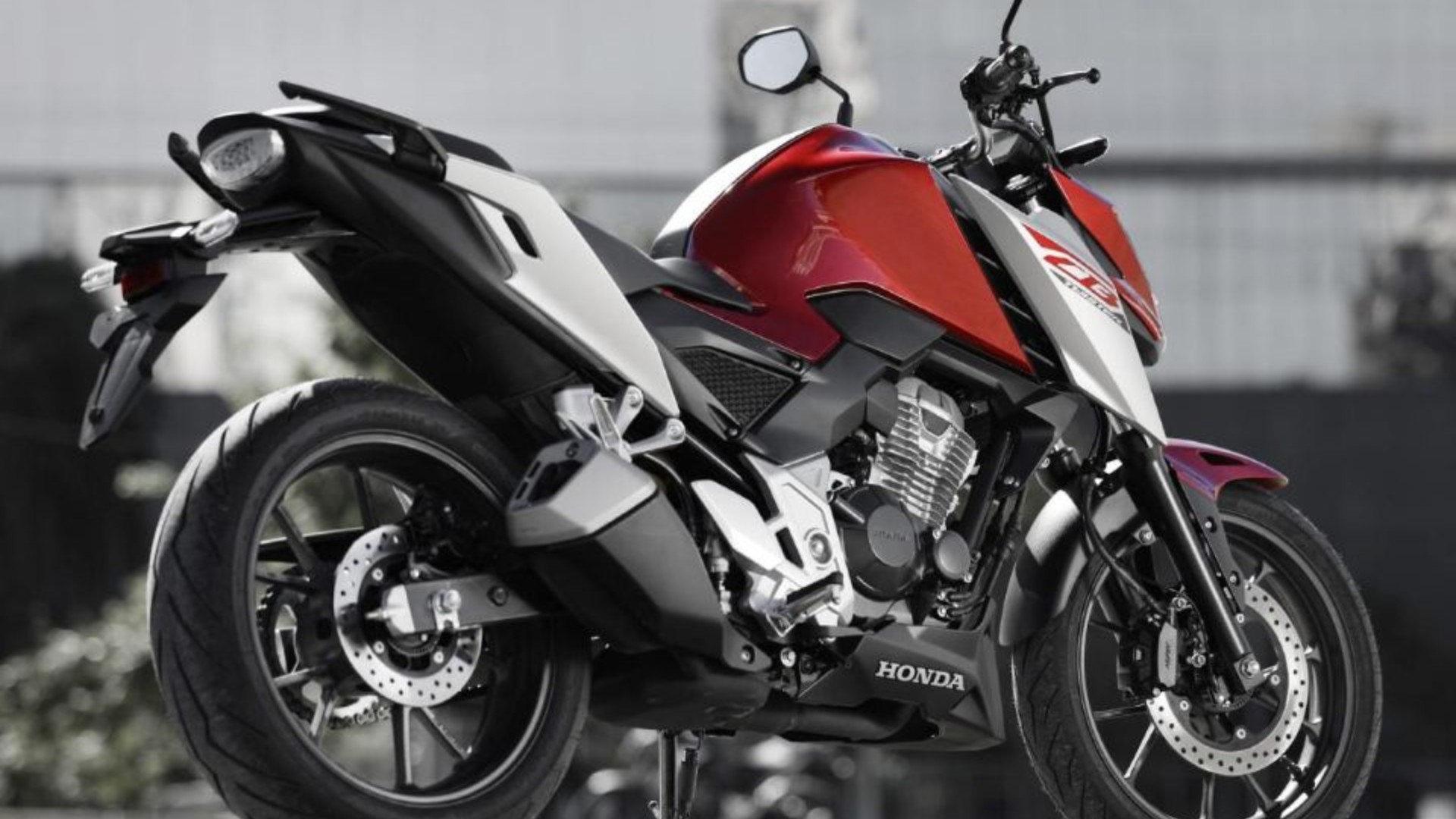
With a 293.5 cm³ engine and a range of up to 400 km with a 14.1-liter tank, the Honda CB 300F Twister 2026 has up to 24.7 hp, an initial price of R$ 25,150, and already exceeds R$ 29,000 in the Fipe Table.

This drastically reduces wear due to friction and increases the durability of the timing belt. In some cases, its lifespan can reach 240 thousand kilometers or 10 years, according to the standards stipulated by manufacturers.


Ford was one of the first to adopt this technology on a large scale, followed by GM (Chevrolet), Peugeot, and Citroën. The goal is to offer more reliability and lower costs with preventive maintenance.
Cars with Oil-Coated Belt in Brazil
Below, see the main cars with oil-coated belt that circulate on Brazilian streets:
Ford
Ford Ka 1.0 (from 2015) – Equipped with the 1.0 Ti-VCT engine, this model uses the oil-coated belt, with recommended replacement intervals at 240 thousand km.
Ford Ka 1.5 (from 2019) – Version with 1.5 Dragon engine, which also adopts this technology.
Ford EcoSport 1.5 – Uses the same Dragon engine from the Ka line.
Ford Fiesta EcoBoost – With a 1.0 turbo direct injection engine, this model is one of the highlights of the brand, combining performance and efficiency.
Ford Ranger 2.0 Turbo Diesel – The midsize pickup uses a modern and robust system, which includes the immersed belt.
Ford Transit 2.2 Turbo Diesel – Aimed at commercial transport, the Transit also employs this type of belt to reduce operational costs.
Chevrolet
Chevrolet Onix (from 2020) – With a 1.0 turbo engine, the Onix adopted the oil-coated belt, aligning with global trends.
Chevrolet Montana (from 2023) – The new generation of the compact pickup shares the engine with the Onix.
Chevrolet Tracker (from 2020) – Compact SUV that uses the 1.0 turbo engine with the same technology.
Stellantis Group
Citroën C3 1.2 – Equipped with the 1.2 PureTech engine, this model already comes with the oil-coated belt from the factory.
Peugeot 208 1.2 – Shares the same engine as the C3, focusing on low consumption and optimized maintenance.
Advantages of the Oil-Coated Timing Belt
Adopting the oil-coated timing belt brings several benefits, both for the manufacturer and the consumer. See the main ones:
Greater Durability
With less exposure to external agents, the submerged belt suffers less wear and drying out. Studies indicate that its lifespan can be 2.5 times longer than that of conventional belts. In ideal conditions, it can last up to 240 thousand km without showing signs of failure.
Lower Long-Term Maintenance Cost
Despite the higher initial cost, savings are evident in the medium and long term. The frequency of replacements and the risk of failures that can damage the engine are reduced.
Less Noise and Better Efficiency
The oil-coated system also offers a quieter and more efficient operation, contributing to acoustic comfort and engine performance.
Essential Care for the Oil-Coated Timing Belt
Despite being more resistant, automotive maintenance is still essential. Neglecting the engine oil, for example, can directly compromise the durability of the timing belt. See the main recommendations:
Oil Change on Time
Using the correct oil and making changes within the indicated timeframes is crucial. Contaminated oil can accelerate wear of the belt and cause cracks.
Periodic Checks
Even with high durability, it’s ideal to review the system every 60 thousand km. In some situations, such as severe usage or low-quality fuel, the belt may require replacement before the expected time.
Using Original Parts
The replacement of the belt should be done with original components or those approved by the manufacturer. Parallel belts may not withstand the internal environment of the engine and cause catastrophic failures.
Common Problems and Registered Failures
Although it offers several advantages, the oil-coated belt system is not free of problems. Some failures reported in Brazil and abroad involve the use of inappropriate or expired oil, as well as premature deterioration in cases of negligence in maintenance.
In Ford models equipped with the 1.0 EcoBoost engine in Europe, there have been reports of belt failures after 150 thousand km, due to oil contamination. The manufacturer itself updated the replacement recommendations to 160 thousand km in these cases, demonstrating the importance of preventive maintenance.
Is It Worth Investing in the Oil-Coated Timing Belt?
The answer is yes — as long as the owner follows basic automotive maintenance care, such as replacing oil within the correct timeframes, using the lubricant recommended by the manufacturer, and conducting periodic reviews. The models that use oil-coated timing belts in Brazil represent a global trend in efficiency, durability, and maintenance savings, ensuring more reliable, quieter engines with lower operational costs over time.
For those looking for a vehicle with fewer headaches in the long run, lower risk of mechanical failures, and fewer visits to the workshop, it’s worth considering the models listed in this article. After all, driving up to 240 thousand km without replacing the timing belt is an ambitious promise — and until a few years ago, unthinkable — but now totally feasible thanks to the evolution of this technology. It’s excellent news for the wallet, for the peace of mind of the driver, and for those who value a modern, practical car with easy maintenance in daily life.









Seja o primeiro a reagir!