





 Portuguese
  English
  Spanish
  4 min of reading
  0 comments


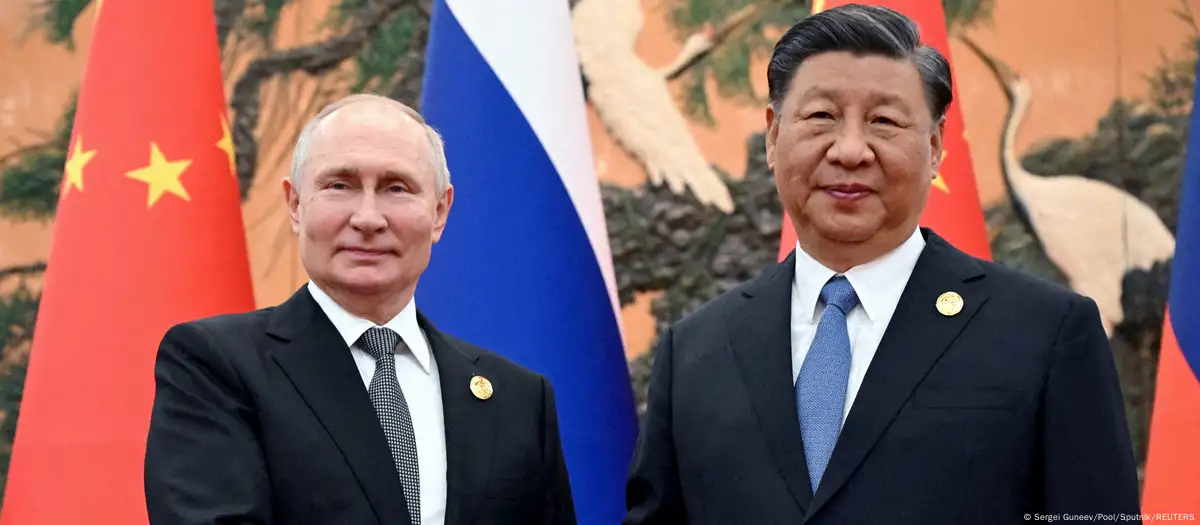
NATO Challenges China Over Its Support for Russia in the War Against Ukraine: Discover the Impacts of This Alliance and the New Strategy at the Summit in Washington
NATO leaders are expected to call out China for its support of the Russian war machine at their summit in Washington. However, they are divided over their approach to the Indo-Pacific region.
At their summit in the U.S. capital, Washington, NATO leaders will not only approve a new military aid package for Ukraine but will also speak firmly to China.
Statements by Jens Stoltenberg and Antony Blinken
In an interview with American media ahead of the summit, NATO Secretary General Jens Stoltenberg described China as “the main enabler of Russia’s war against Ukraine.”
-
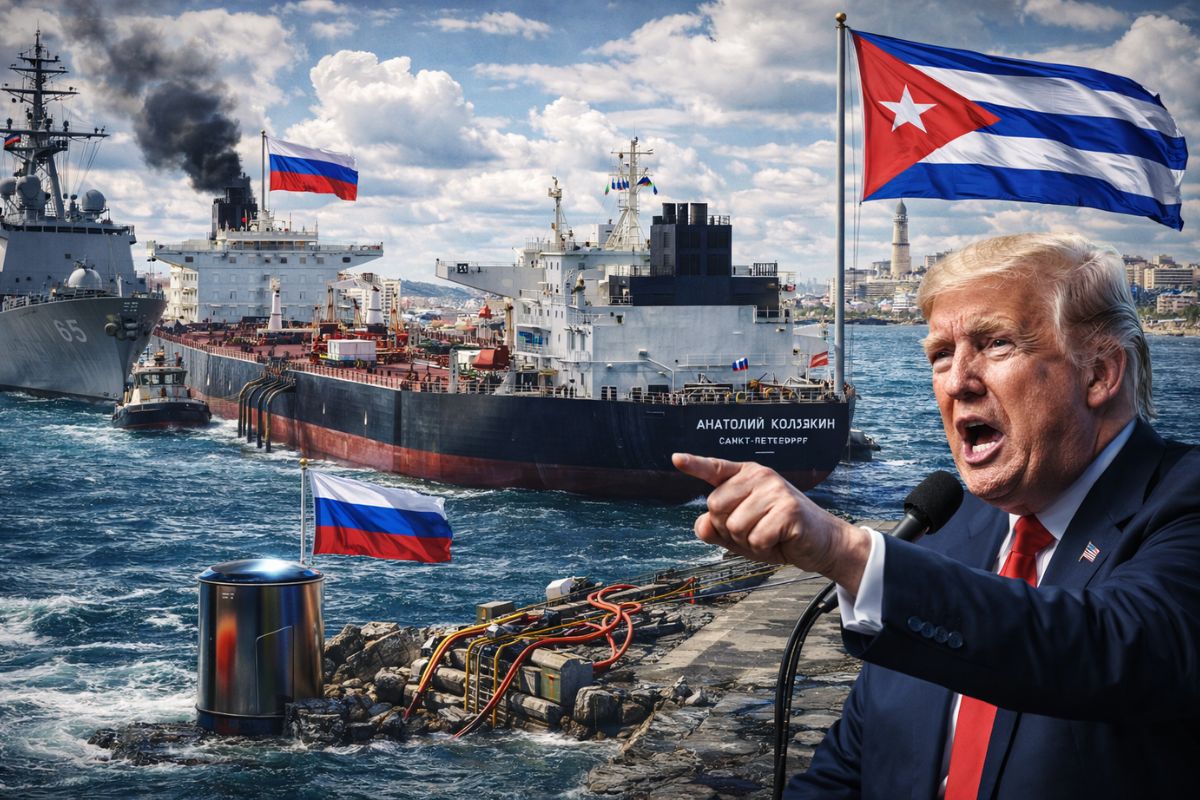
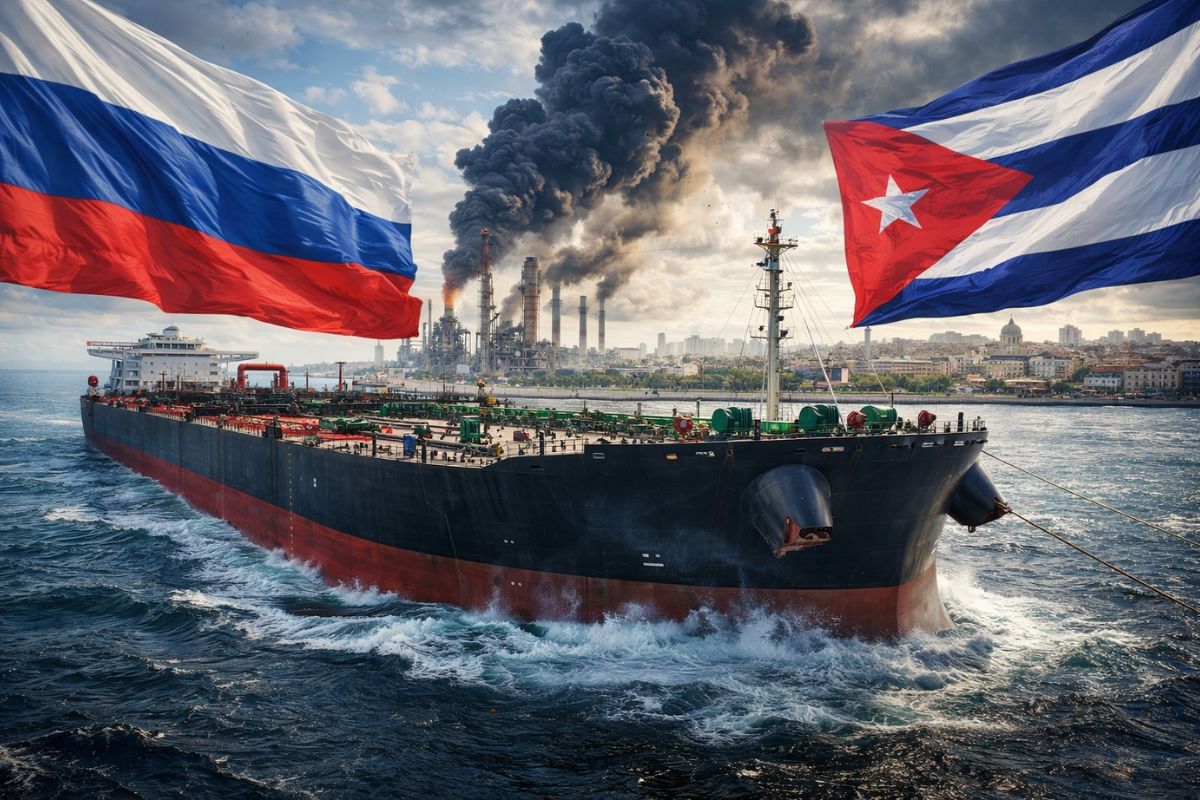
Russia has broken the U.S. maritime blockade to send oil to Cuba and is now loading a second ship while Trump says that “Cuba is next” in a possible military action against the island.
-
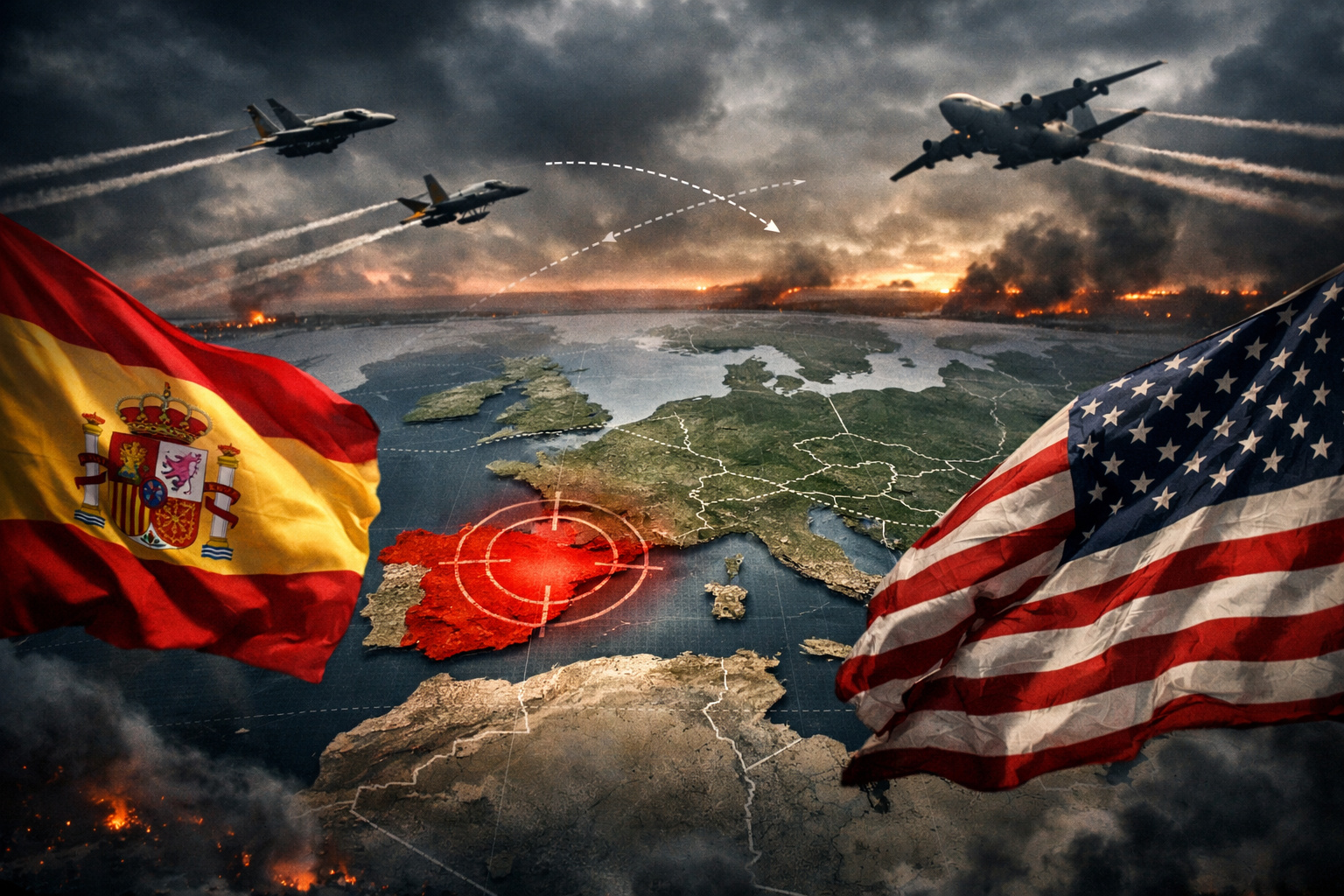
Spain challenges the USA and closes its airspace for operations against Iran, raising global tension and provoking the threat of a trade rupture.
-
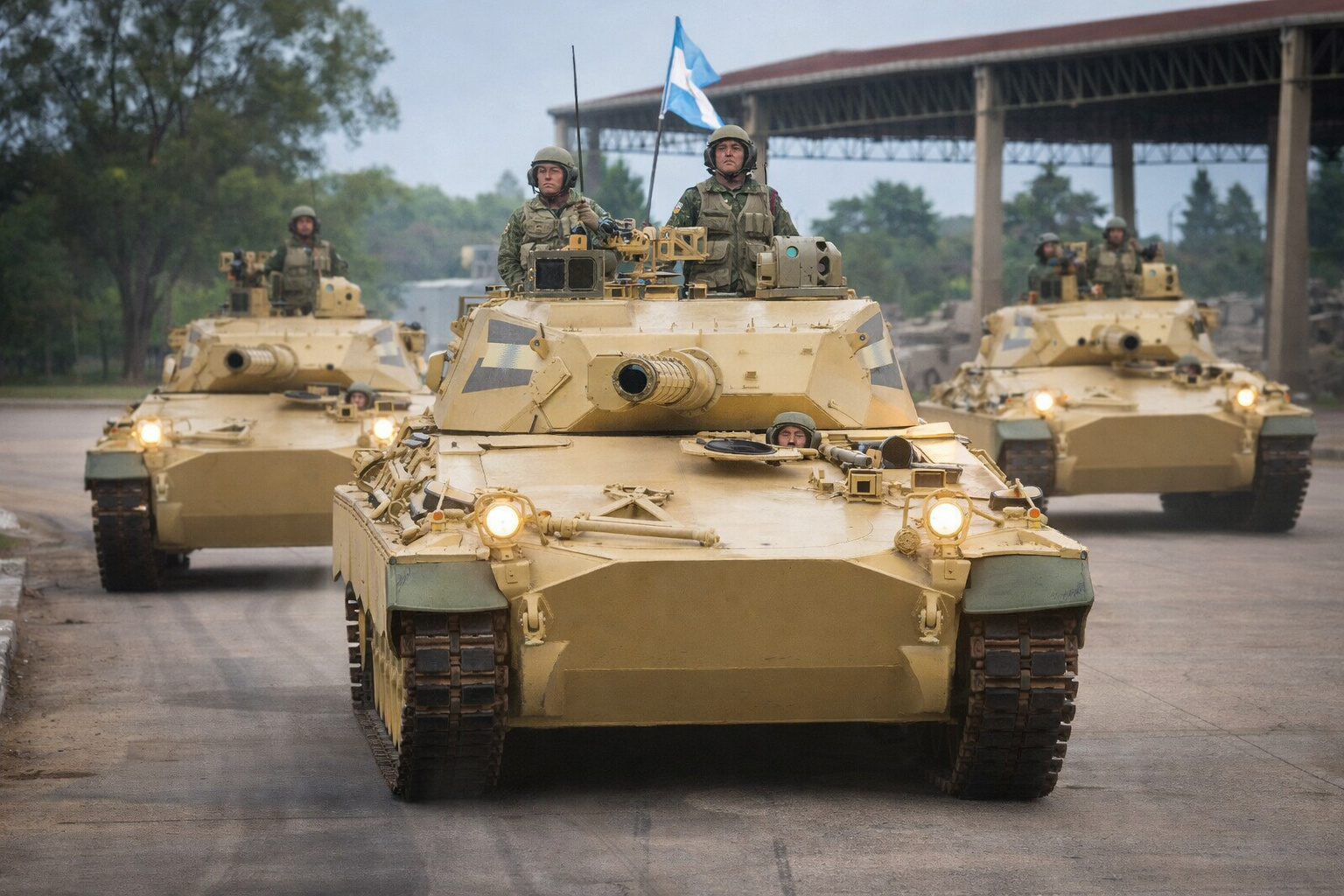
While no other country manufactures tanks in Latin America, Argentina activates the TAM 2C-A2 and raises a curiosity about the technological lag in the region.
-
A Russian ship with 730,000 barrels of oil has just arrived in Cuba while Mexico negotiates fuel sales through private companies: the communist island is desperately seeking alternatives after losing its supply from Venezuela due to American military action.
Antony Blinken, U.S. Secretary of State, told DW at a Foreign Ministers’ meeting in Prague in May that China’s support “makes a big difference on the battlefield at this moment.” He added that the fact that China intends to seek better relations with European countries while simultaneously fueling the biggest threat to Europe’s security “does not make sense.”
Beijing has repeatedly denied providing arms to Moscow. However, the alliance has accused China of bolstering Russia’s war machine by supplying it with critical components.
According to the U.S. assessment, China is the main supplier of machinery tools, microelectronics, and nitrocellulose (crucial for making munitions and missile propellers) and other dual-use items that Moscow uses to strengthen its defense industrial base.
NATO countries believe that China’s behavior during the war in Ukraine is proof that Europe cannot afford to ignore the challenge that Beijing poses.
According to a senior U.S. State Department official, the alliance is now “laser-focused on the relationship between China and Russia.”
Is China a Threat to the Entire U.S. Alliance System?
This is a significant shift for an organization that has traditionally focused on security in the transatlantic area. China did not appear in a high-level public NATO document until the end of 2019. Only in its latest strategic concept, agreed upon in Madrid in 2022, did the alliance describe Beijing’s ambitions as a challenge to its security.
“There is a shift,” said Liselotte Odgaard, a researcher at the conservative Hudson Institute in Washington, to DW. This shift began during the administration of former U.S. President Donald Trump and “took off in Europe,” she recalls.
Odgaard points out that the United States has long viewed China as the main threat to its security interests. “But they convinced Europe – and pressured Europeans – to see that China is also a problem for them and for the entire U.S. alliance system,” she explains.
Many in Europe now seem to recognize that U.S. allies in Asia and Europe face some of the same challenges. “And as Russia and China cooperate, it is necessary to reflect this cooperation by strengthening European cooperation with Asian partners,” Odgaard adds.
What Do the Nations of the Indo-Pacific Think?
In the face of a more assertive and aggressive China, some countries in Asia also seem convinced of the need for greater cooperation.
When Japan’s Prime Minister participated in a session of the U.S. Congress in April of this year, he referred to the Russian invasion of Ukraine. “Today’s Ukraine could be tomorrow’s East Asia,” Fumio Kishida told American lawmakers.
In June, South Korea’s National Security Advisor, Chang Ho-jin, told reporters that Seoul would review the possibility of supplying arms to Ukraine after North Korea and Russia’s leaders signed a pact committing to mutual defense in the event of war.
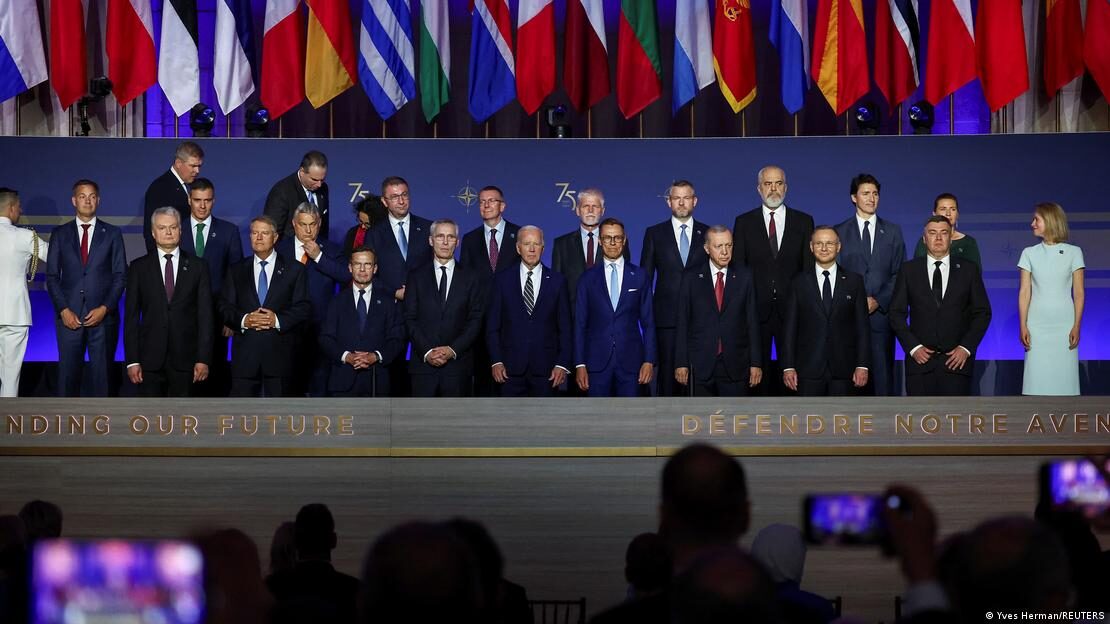
New Joint Projects with Indo-Pacific Partners
NATO has collaborated with partners in the Indo-Pacific since the early 2000s, but Russia’s war against Ukraine and the security challenges posed by China have led to a deeper commitment.
The alliance views these countries, which share a region with China and bring new knowledge, as partners in the effort to contain China’s and Russia’s attempts to challenge the rules-based global order.
Leaders from Japan, South Korea, Australia, and New Zealand were invited to participate in the meeting in Washington. This will already be the third summit with their participation.
Before the meeting, NATO chief Stoltenberg mentioned that the alliance and its Indo-Pacific partners “will leverage our practical cooperation with flagship projects in Ukraine, cyber, and new technologies.” They also want to work more closely on defense industrial production.
No Liaison Office in Japan
However, beyond this, NATO member states are divided over their approach to the Indo-Pacific region. Last year, France blocked a NATO plan to open a liaison office in Tokyo, insisting that the alliance is geographically limited to the North Atlantic.
Germany recognizes the overall importance of the region. However, Berlin still views China – despite its increasingly assertive policies – as an essential partner in addressing global challenges.
Moreover, some experts say that NATO’s involvement in the Indo-Pacific would not be well received by all. “This is a very volatile region. But for now, there are no ongoing wars,” indicates Shada Islam, an independent EU advisor in Brussels, to DW.
“Most of the countries I speak with, whether Indonesia, Malaysia, or even India, do not want foreign powers to come into the region and potentially make things worse,” assures Islam.
Source: DW







Seja o primeiro a reagir!