Portuguese
  Spanish




Japan Rehabilitates The Largest Nuclear Power Plant On The Planet. Understand The Safety Measures And The Return Of Operations
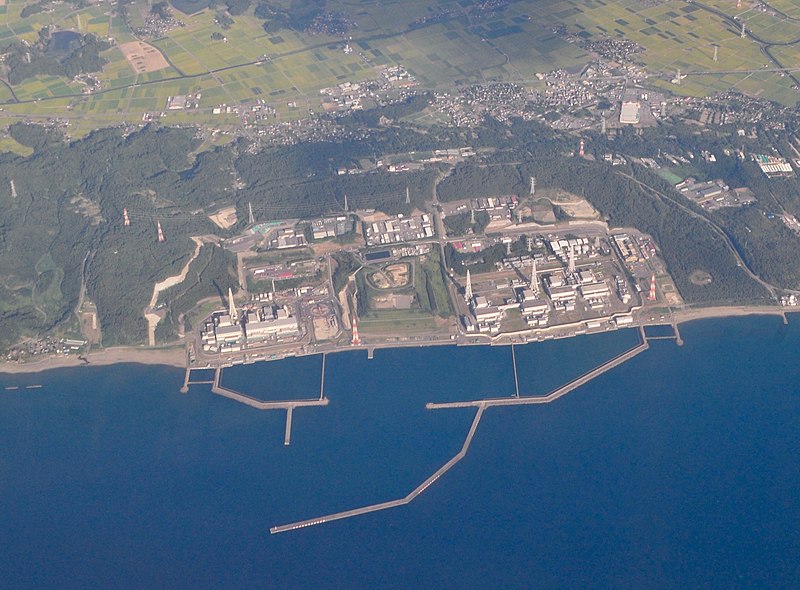
If we consider the installed capacity, the largest nuclear power plant in the world is the Kashiwazaki-Kariwa nuclear plant, located in the city of Niigata, northwest of Tokyo (Japan). It is managed by TEPCO (Tokyo Electric Power Company), which is the third largest electricity company in the world, and includes seven boiling water reactors capable of delivering over 8,200 MWe collectively.
This nuclear power plant fell from grace after the tragic Fukushima plant accident, despite its crucial role in Japan’s electrical infrastructure. Safety is the most important thing, and after the Fukushima incident, Japan’s nuclear regulatory agency, the NRA (Nuclear Regulation Authority), decided to suspend its operating license until TEPCO could implement new safety measures derived from the lessons learned in 2011.


Japan Is Gradually Reconciliating With Nuclear Energy
Currently, Japan operates twelve nuclear reactors, but also has two more under construction and twenty-seven reactors that, for now, remain inactive. In April 2023, the Japanese government approved new legislation on nuclear energy that allows the operation of nuclear plants to extend beyond the current limit of 60 years. In practice, this simply means that if a nuclear power plant can operate safely beyond these six decades, regulation allows it to do so.
-
Holtec and EDF Submit Joint Proposal to Install Four SMR-300 Reactors in England with Combined Capacity of 1.3 GW

-
Volvo’s New Loaders Feature Obstacle Detection, Automatic Braking, and 360-Degree Operator View
-
Chinese Manager Accused of Whipping Worker Sparks Protest by 1,200 Employees at Major Brazilian Factory

-
Brazil’s Angra 3 Nuclear Plant Reaches 66% Completion; Government Faces 2026 Deadline to Decide on $24 Billion Project’s Future




In this new context, the Kashiwazaki-Kariwa nuclear plant has a promising future ahead. This is due to the fact that in December 2023, the NRA lifted the ban it had imposed on this facility in March 2011, shortly after the accident at the Fukushima Daiichi nuclear plant.
This milestone is the first step towards granting an operating license, and the regulatory agency decided to do so after inspecting the plant’s facilities for more than 4,000 hours. According to the NRA, TEPCO has implemented the necessary improvements in safety measures and protocols for the plant to resume operations.
Now the decision is in the hands of the regional government of Niigata, which must also approve the nuclear plant’s facilities before it can regain its operating license. In any case, it is very likely that after the NRA’s green light, the administration will not hinder the resumption of activities at the Kashiwazaki-Kariwa nuclear plant.
For now, TEPCO has chosen to accelerate its implementation and has already requested permission from the NRA to begin introducing fuel rods into the plant’s reactors. We will likely not have to wait long to witness the resumption of activities at the planet’s most ambitious nuclear power plant.
Source: Nuclear Forum