





 Portuguese
  English
  Spanish
  2 min of reading



China Innovated Once Again and Is Bringing a Mini Wind Power Generator That Can Operate Without the Use of a Propeller
A team of researchers from China has developed a type of mini wind power generator capable of generating electricity using just gentle breezes and without the need for a propeller; instead, it uses ribbons.
Read Also
Scientists from China have developed a mini wind power generator capable of harvesting electricity from the breeze a person produces while walking. The device, named B-TENG, promises to revolutionize sustainable energy generation from wind. The results were detailed in a recently published article in Cell Reports Physical Science.
Understand How the Mini Wind Turbine Works
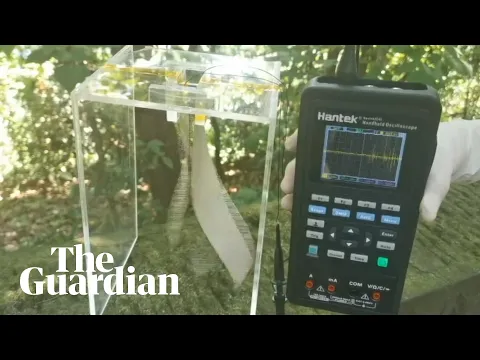

The mini wind turbine from China consists of two plastic ribbons inside a tube that vibrate or hit each other in the presence of an airflow, eliminating the need for batteries. This airflow can be generated by a simple breath – and even from the movement of a person’s arm while walking.
-
The Brazilian state accelerates industrial competitiveness with a focus on the extraction of strategic minerals to boost the energy transition in Goiás.

-
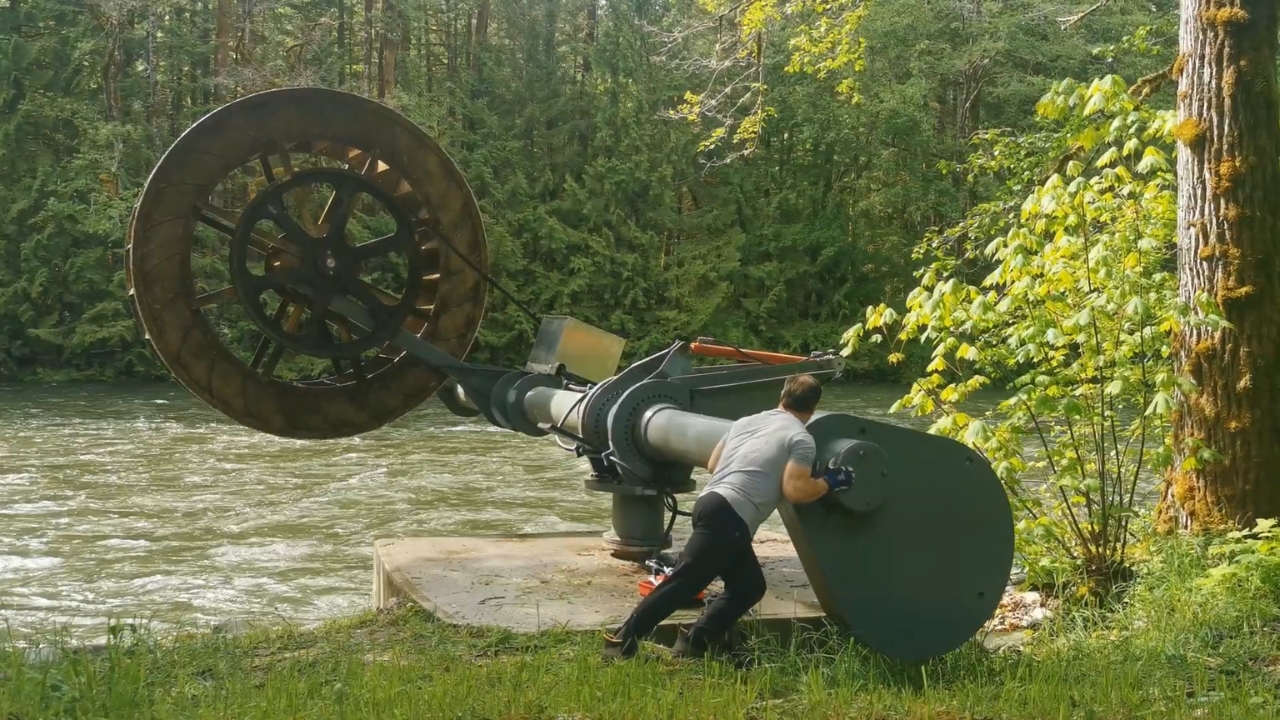
A Canadian retiree creates a hydroelectric system on a real river, generating energy continuously throughout the day and demonstrating how the power of water can supply a house with stability even in a simple structure.
-
Petrobras reaffirms its commitment to the market and ensures that it will carry out the energy transition safely to maintain national sovereignty.

-
Researchers discover a possible hydrogen deposit of up to 46 million tons beneath an ancient coal basin, and the volume could exceed half of the entire global production.


According to the researchers from China, a gentle breeze of 1.6 meters per second is enough to power the device. However, it works best at a speed that ensures the two plastic strips vibrate in sync, when wind speed is between 4 and 8 meters per second.
“We placed our nanogenerator on a person’s arm, and the airflow from the swinging arm was enough to generate energy”, says Ya Yang. During tests, the equipment achieved an efficiency of 3.23% in wind conversion and produced enough power to light 100 LEDs or temperature sensors.









Seja o primeiro a reagir!