Portuguese
  Spanish


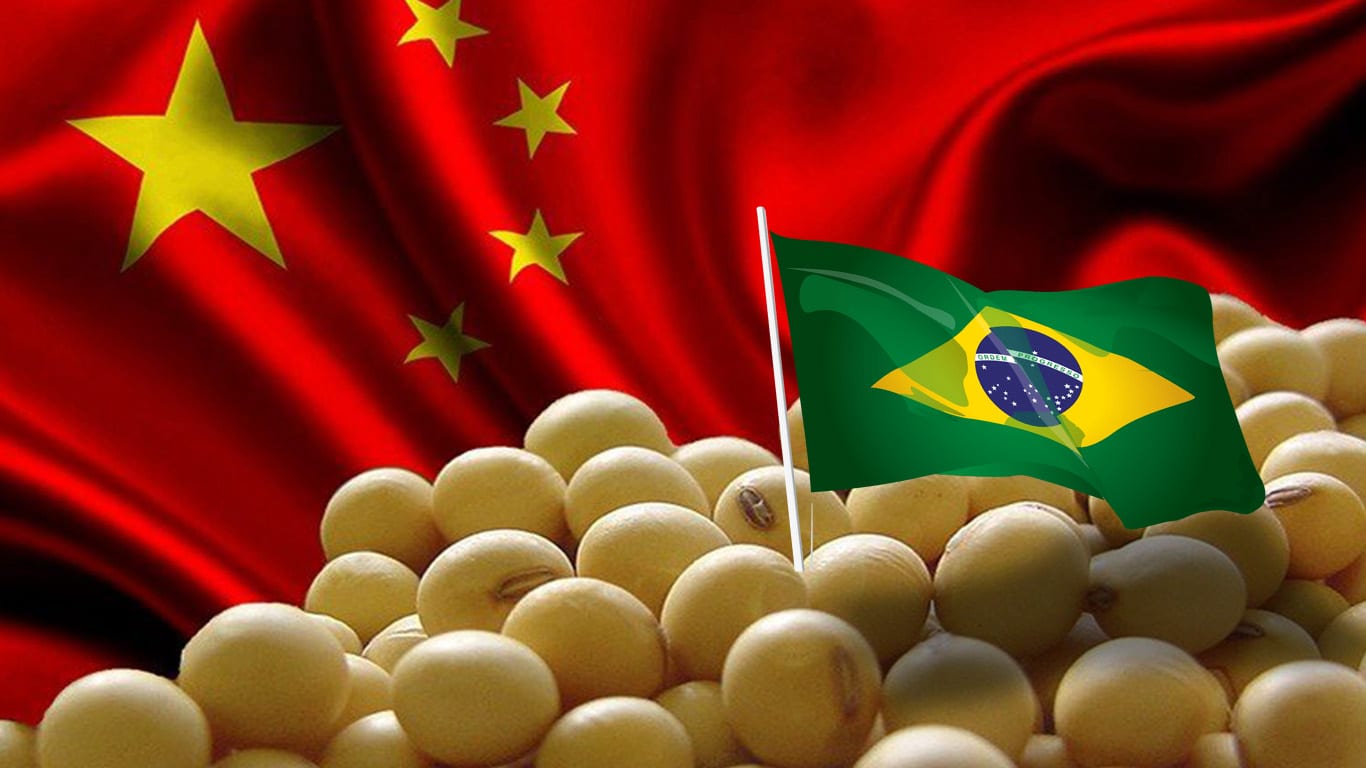

The Request from China Is Based on a Possible Second Wave of the Coronavirus and the Worsening of the Disease in Other Countries
China has requested that trading companies and food processors increase stocks of grains and oilseeds in light of a possible second wave of the coronavirus and the worsening of the disease in other countries.
See Other News:
- URGENT Offshore Selection Process with Curriculum Registration Until May 20 in Oil Multinational
- Electrical Engineer, Mechanical, Automation, Designers, and More Are Requested for Jobs in Rio de Janeiro and Minas Gerais on This 18th
- Coronavirus: Construction of the Angra 3 Nuclear Plant Is Delayed and Eletronuclear Works to Ensure the Plant Operates by 2026
State and private grain negotiators, as well as food producers, have been advised to acquire larger volumes of soybeans, soybean oil, and corn during discussions with the Ministry of Commerce of China in recent days, three trading sources told Reuters news agency.
“There is a possibility of a supply collapse due to coronavirus infections. For example, a port of origin or destination may close”, said a negotiator from one of China’s largest food processors. “They advised us to increase stocks, keep supplies higher than we normally have. Things do not look good in Brazil”, he added.
The Ministry of Commerce of China did not respond to a request for comment on plans to increase food stocks.
Additionally, according to Reuters, Brazilian soybean shipments were delayed in March and April due to a combination of heavy rains and reduced labor as containment rules due to the coronavirus took effect, leading to a drop in Chinese soybean stocks to record lows.
-
Brazil’s July Bolsa Família Payments May Include Extra $150 and $50 for Families with Children, Pregnant Women, and Updated CadÚnico Registration

-
Brazilian Woman Buys €1 House in Sicily, Clears 50 Truckloads of Debris, and Transforms Ancient Ruin into Inspiring Life Project by 2026

-
Havan Competitor Expands in Brazil with 170 Stores, Offering Everything from Stationery to Asian Food and Focusing on Affordable Products to Attract Shoppers

-
Norway’s $2 Trillion Dilemma: How Oil Revenue Created a Massive Savings Fund with Too Much Money to Spend




In recent weeks, the state-owned agricultural conglomerate COFCO and the grain distributor Sinograin have increased soybean and corn purchases in the U.S. Beijing has also increased import quota allocations for major grain buyers, paving the way for potential new purchases.