





 Portuguese
  English
  Spanish
  4 min of reading
  0 comments


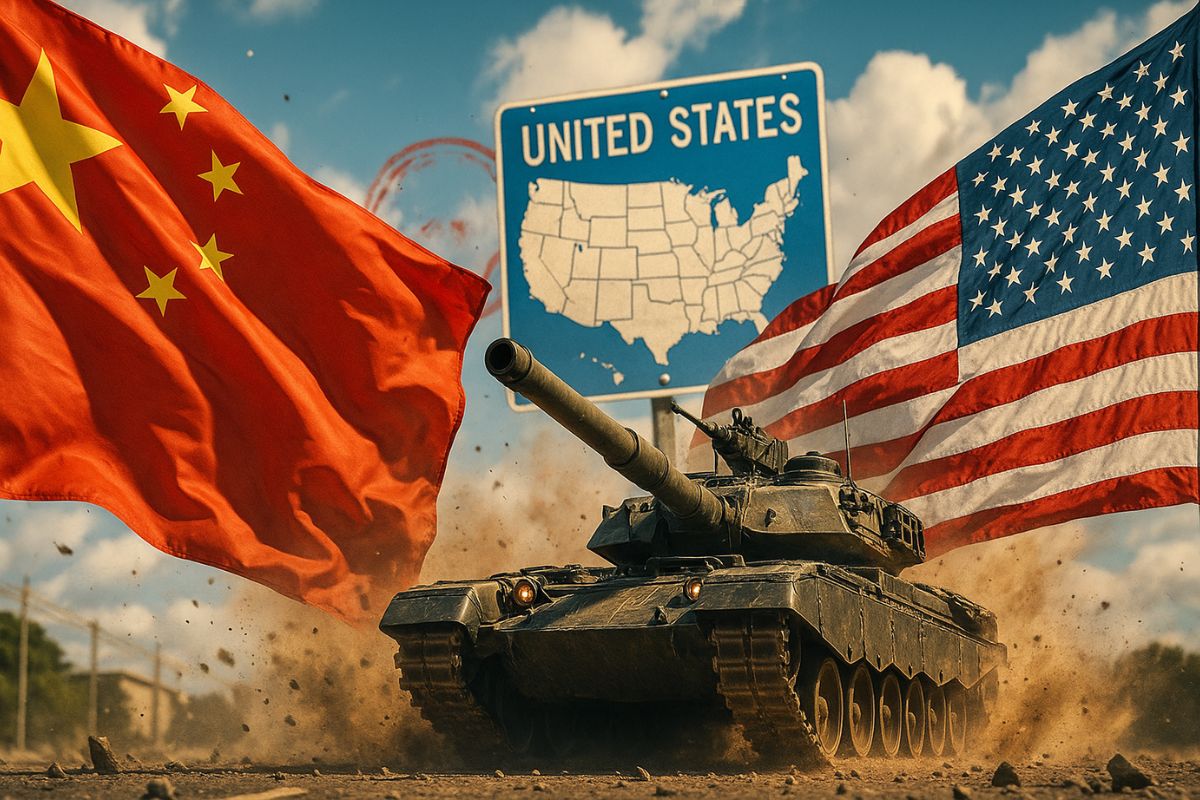
In Harsh Statement, China Says It Does Not Want a Fight But Is “Not Afraid to Fight,” and Promises to Respond to New Tariffs and Restrictions from the U.S.
China criticized former President Donald Trump’s decision to impose a 100% additional tariff on Chinese imports and signaled that it would adopt necessary and defensive countermeasures. In the same tone, the Ministry of Commerce stated that “threatening with high tariffs at every turn is not the right way” to deal with Beijing and demanded that Washington correct “misguided practices”.
According to the G1 portal, at the center of the conflict are new trade barriers and export controls, including rare earth minerals, as well as restrictions on critical software starting November 1. The escalation led Trump to threaten to cancel a meeting with Xi Jinping, while Chinese authorities accuse the U.S. of maintaining a “Cold War mindset”.
What Is at Stake in Beijing’s Response
Beijing’s official position combines two messages: that it “does not want to fight”, but “is not afraid to fight”, and that it will respond proportionately.
-
A beach town in Santa Catarina will distribute 4 tons of sardines completely free of charge to the population next Thursday, with a limit of 2 kilograms per person, and the distribution will end when the stock runs out.

-
A YouTuber bought all the Easter eggs from the market, from the cheapest to the most expensive, weighed each one on the scale, and discovered that some brands deliver extra grams while others charge a fortune for little chocolate.

-
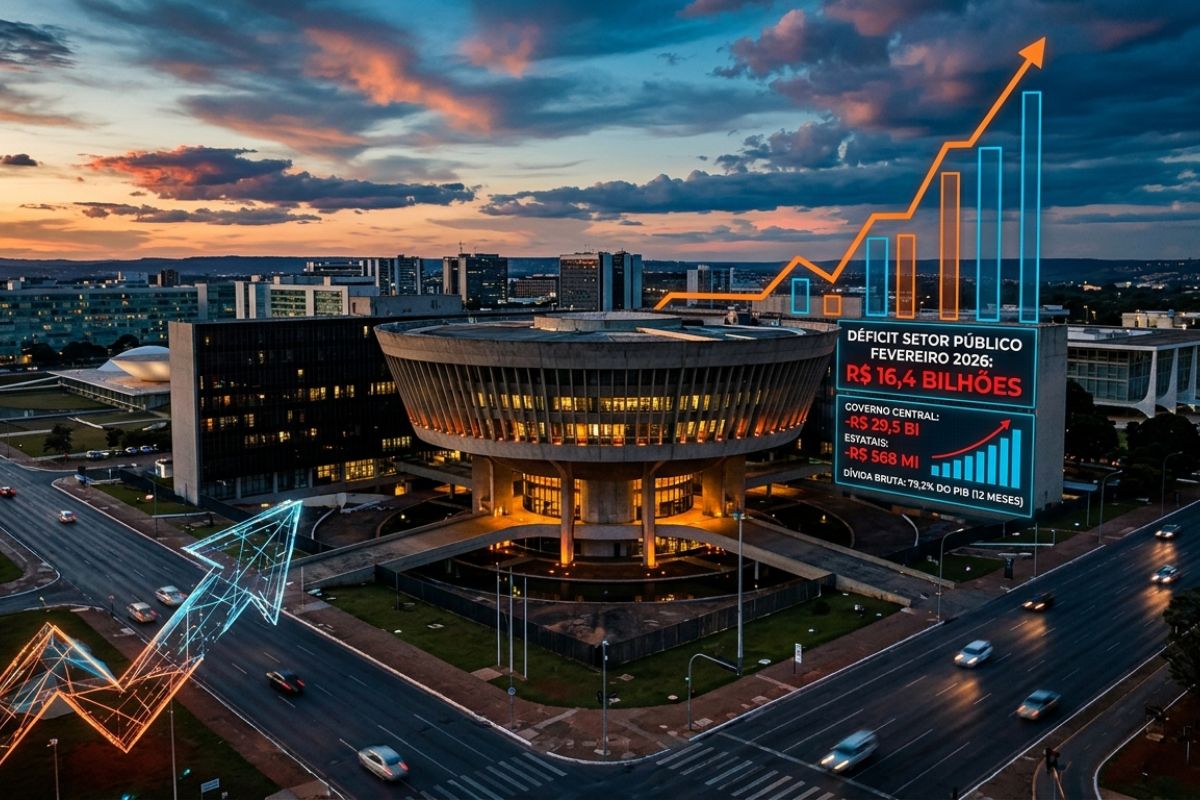
Central Bank reveals: public sector ends February 2026 with a deficit of R$ 16.4 billion; Central Government loses R$ 29.5 billion, state-owned companies R$ 568 million, gross debt rises to 79.2% of GDP in 12 months.
-
The largest executive jet in Brazil belongs to the Safra Family and is for sale: it is a 2002 Boeing BBJ, with a range of 11,500 km, 80 m² of interior space, a master suite, an office, and capacity for 18 passengers.


In practice, this means calibrated countermeasures to protect the rights and interests of the Asian country, leaving room for negotiation if there is a U.S. retreat.
It is a message that is both political and economic.
China also emphasizes that export controls are not a total prohibition: requests that meet the rules may be approved.
According to the Ministry of Commerce, there was a pre-assessment of impacts on industrial and supply chains, anticipating a “very limited” effect as a way to calm partners and contain volatility.
What Washington Did and Why It Matters
On the American side, the White House reactivated 100% tariffs on products from China and announced restrictions on “critical software”, in addition to tightening the grip on sensitive technologies.
The move came in response to Chinese measures, such as new port fees on U.S. ships, antitrust investigations against Qualcomm, and strict rules on the export of rare earths and magnets.
For the markets, high tariffs and technological controls have a double effect: they increase the cost of imports and may stall innovation in sectors that rely on high value-added inputs and codes.
Global companies begin to reassess suppliers, timelines, and inventories, with the risk of displacing supply chains or passing costs onto consumers.
Rare Earths, Licenses, and the Achilles’ Heel of Supply Chains
China made it clear that foreign exporters of products containing traces of rare earth minerals extracted in the country will need an export license, citing national security reasons. Processing technologies and manufacturing of magnets are also under the radar for control.
This regulatory filter Affects strategic segments from electronics to energy equipment because small quantities of rare earths are critical for performance.
With stricter licenses and compliance, timelines may stretch and costs may increase.
China claims to have notified governments and partners in advance through bilateral channels and promises to “strengthen dialogue” to preserve stability.
High-Risk Diplomacy: Negotiations at a Standstill
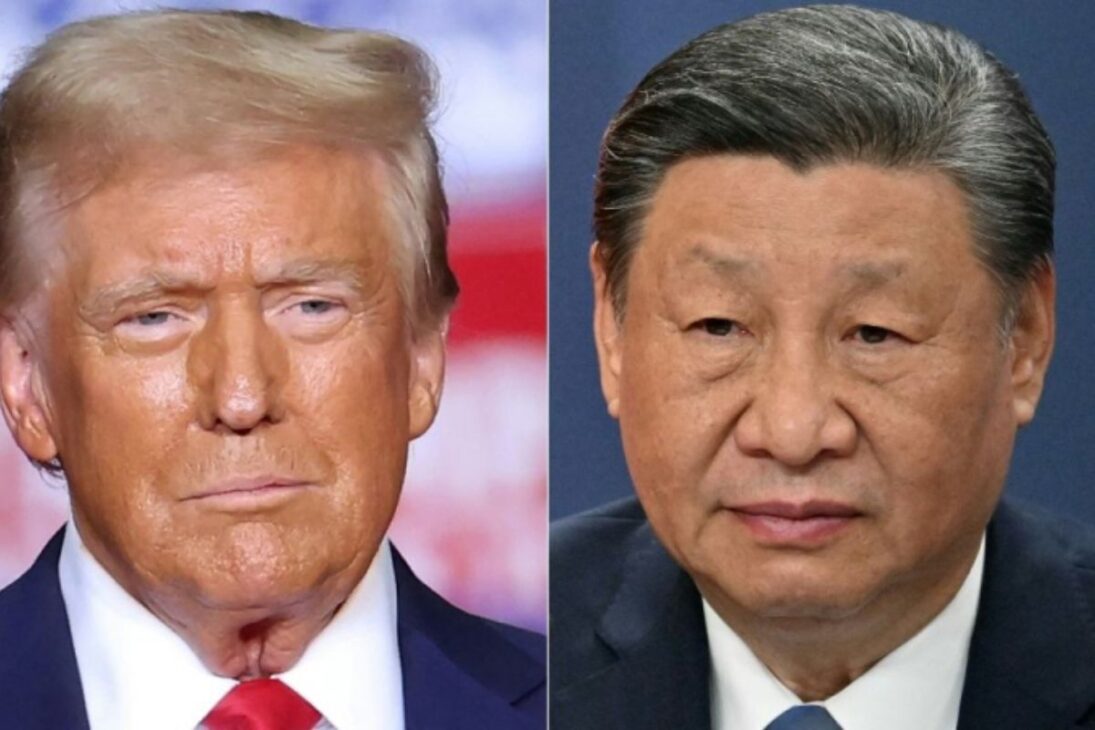
The announcement of tariffs came alongside the threat to cancel the meeting between Trump and Xi Jinping. This gesture increases the political cost of an immediate retreat and pushes the conversation to technical levels, where licenses, entity lists, and regulatory exceptions tend to be bargaining chips.
Beijing, for its part, blames the U.S. for the deterioration of the environment since the Madrid round and denounces that “unilateral actions” by the Americans undermined the atmosphere of negotiations.
As the rhetoric escalates, both leave openings for a partial understanding, something common in tariff-for-tariff disputes.
Who Loses (or Wins) with the Escalation
For exporters and importers, the short term is one of uncertainty: rules change rapidly, requiring regulatory advocacy and logistical adjustments.
Companies with diversified inventories and alternative routes can cushion shocks; chains very concentrated in a single country or input feel it more.
In the medium term, alternative producers of strategic inputs may capture demand if they achieve compliance and scale.
Meanwhile, sectors dependent on critical software and sensitive components need to map licenses, eligibility, and rules of origin to avoid unexpected blockades.
What to Watch Going Forward
First, the fine definition of control lists (what requires a license and under what conditions). Second, the tariff response from China being broad or targeted. Third, signs regarding the bilateral agenda: resumption of technical contacts, postponement, or cancellation of meetings.
Fourth, the reaction of global companies, which tend to repricing risks and review contracts.
Lastly, pay attention to messages of “limited impact”: the market tests these claims quickly.
If licenses take time, inventories tighten, and costs rise, the effect overflows into prices and timelines, particularly in technology, energy, and durable goods.
In your view, should China respond with broad or targeted measures? Do 100% tariffs solve anything or aggravate costs for everyone? Share how your company or your pocket is already feeling this dispute which product became more expensive, which deadline was extended, which project halted? Your experience helps to understand where the tension really hits.






-

Uma pessoa reagiu a isso.