





 Portuguese
  English
  Spanish
  5 min of reading
  0 comments


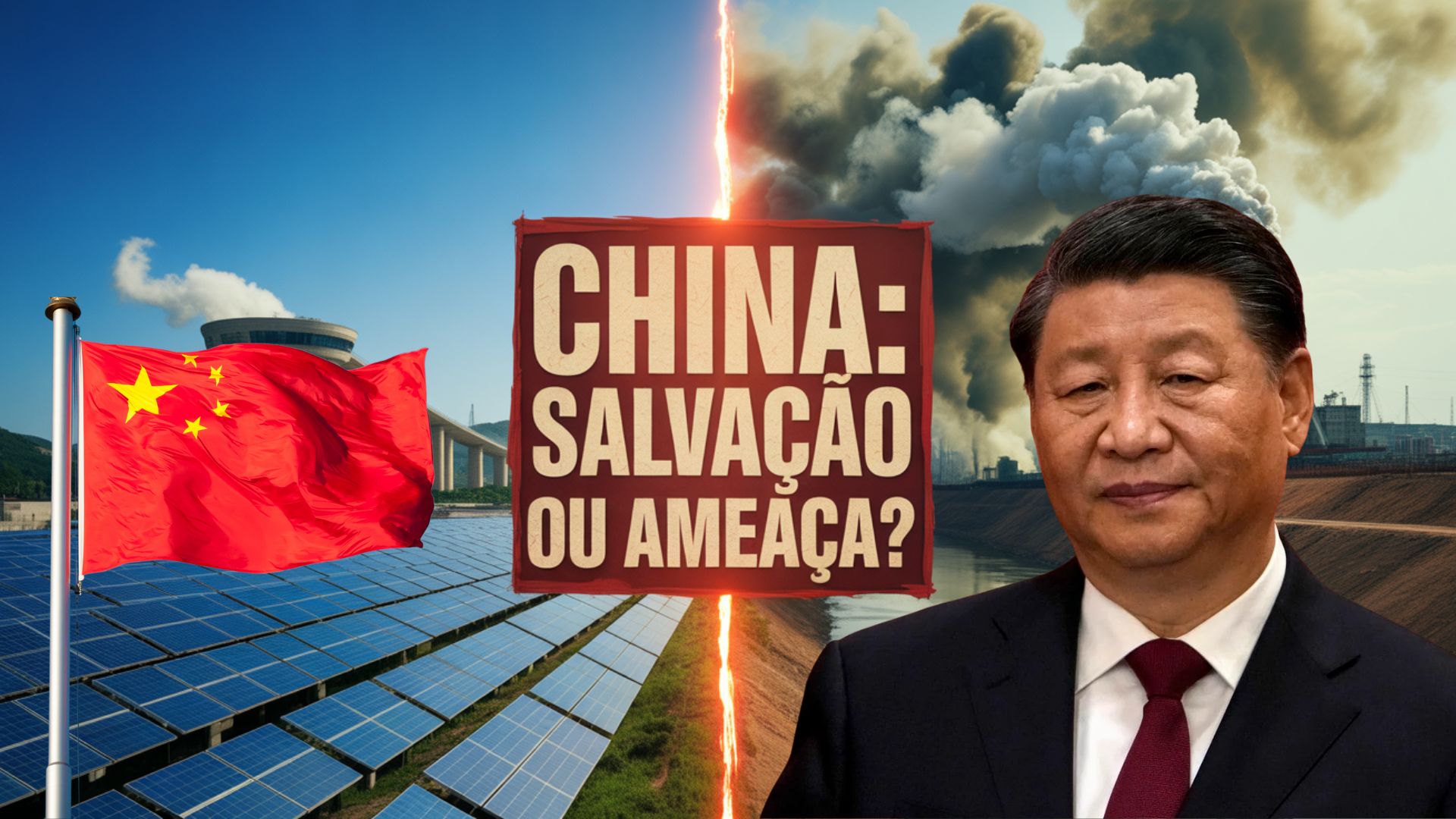
China Finances Clean Energy Projects in Southeast Asia While Its Companies Are Accused of Polluting Rivers and Air with Mining and Processing Operations, Creating a Paradox Between Sustainable Advancement and Environmental Damage in the Region.
China leads the financing of clean energy in Southeast Asia, but faces allegations of pollution and environmental degradation caused by operations linked to nickel and rare earths.
While Chinese capitals erect solar parks and hydropower plants, local communities report contamination of rivers, worsening air quality, and pressure on territories. The result is an unstable balance between green expansion and high-cost environmental impacts.
The Paradox of Chinese Green Investment
In recent years, companies in the country have expanded their presence in strategic and resource-intensive sectors in neighboring Asian countries.
-
Goodbye iron: new technology from Xiaomi promises to revolutionize the way we iron clothes with 500 kPa steam, continuous flow of 120 g/min, heating in 65 seconds, and six smart modes for different fabrics.

-
Rio Pardo, the most mysterious city in Rio Grande do Sul: untouched Pampas castle, the missing treasure of the Devil Boy, bride’s saint, invisible tunnels, and a 200-year curse today.
-
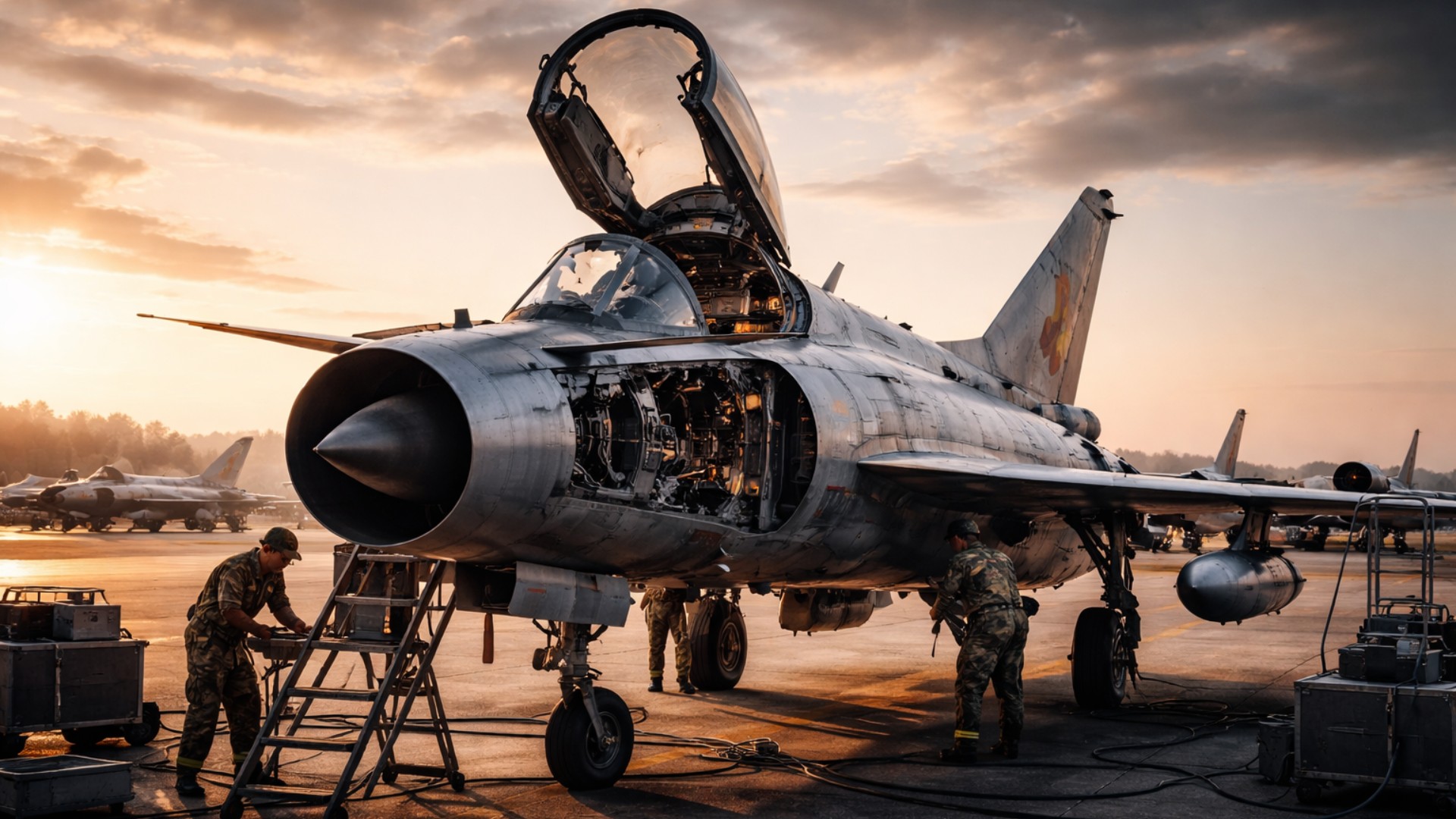
China retires the J-7 fighter after years of military protection and can now transform military items into drones, following more than 60 years of operation of the J-7, derived from the MiG-21, with thousands of units produced and strategic use in the PLAAF and PLANAF.
-
Volunteers are sought to live in the mountains for a month: a study pays people to stay at 2,500 meters, with 24-hour monitoring of sleep, metabolism, and blood pressure.


They are attracted by cheaper labor, less stringent environmental oversight, and vast mineral reserves.
At the same time, Chinese regulators have tightened domestic rules, and the industry copes with overcapacity, pushing part of the productive capacity outside its borders.
Analysts recognize that Beijing’s financial push accelerates the regional energy transition.
Still, they note that green projects are overshadowed by Chinese involvement in some of the most polluting industries.
The situation becomes more complex when environmental conflicts, health risks, and political tensions come into play, extending beyond transmission lines and investment pipelines.
“The reality is that most governments care more about economic development than environmental sustainability, exactly as the Chinese government has done,” assesses Zachary Abuza of the National War College in Washington.
This observation helps explain why official decisions often prioritize jobs and immediate revenue despite environmental costs.
Nickel in Indonesia: Expansion, Protests, and Sanctions
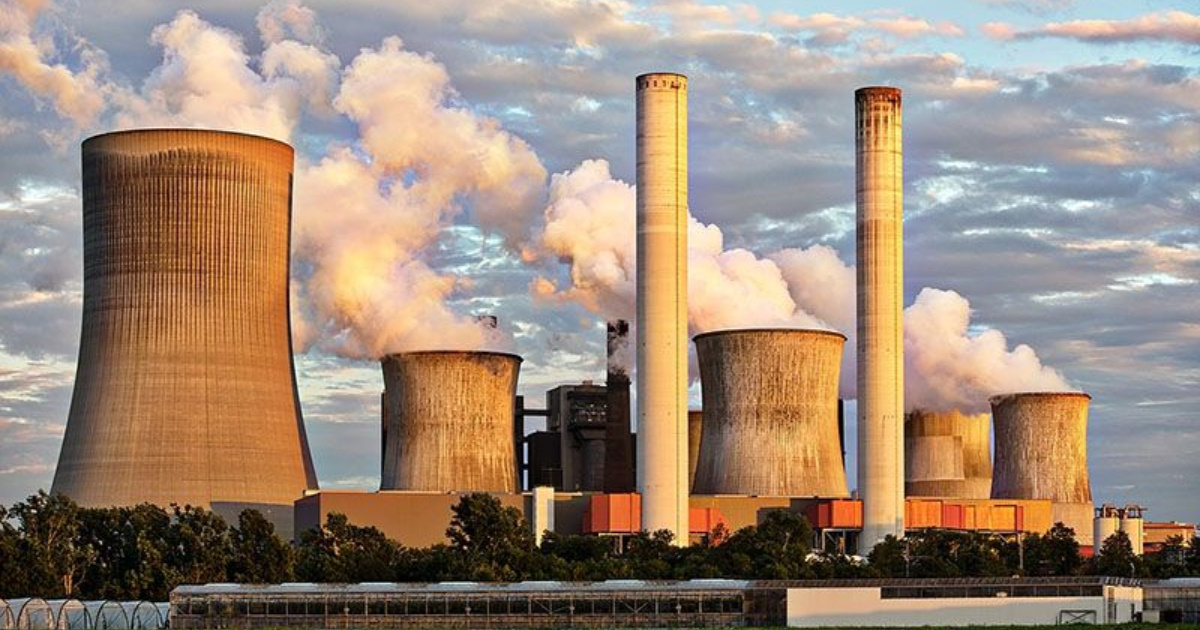
In the nickel processing sector in Indonesia, progress has been accompanied by protests and strikes at the end of 2024 in plants run by Chinese companies.
In Jakarta, authorities announced in July sanctions for environmental violations at the Morowali Industrial Park in Central Sulawesi, which hosts ventures from the Chinese metallurgical company Tsingshan Holding Group.
A report from the C4ADS organization, released in February, indicated that more than three-quarters of Indonesia’s nickel refining capacity is in the hands of Chinese companies, many with ties to the state in Beijing.
According to the entity, two companies—among them Tsingshan—concentrate more than 70% of this capacity.
For the group, “the lack of internal control leaves Indonesia dependent on Chinese investments, which may limit the government’s ability to hold the industry accountable.”
Political scientist Fengshi Wu from the University of New South Wales highlights the role of “resource nationalism” in the region.
Countries like Indonesia have banned the export of certain minerals to force domestic processing and capture greater added value.
“Indonesia wants to see more minerals being processed within the country. But with this comes pollution, unless more effective measures against environmental pollution are adopted,” she states.
Mekong Under Pressure: Rare Earths and Toxic Metals
Criticism is also mounting regarding the rare earths supply chain.
The expansion of mining in Myanmar, a country in civil war, is accused of contaminating stretches of the Mekong River, which originates in the Tibetan Plateau and flows about 4,500 kilometers until it drains into the South China Sea, cutting through China, Myanmar, Laos, Cambodia, Thailand, and Vietnam.
In June, Thailand’s pollution agency reported detecting arsenic levels nearly five times above international standards for drinking water in mining areas in the north of the country, near the border with Shan state in Myanmar.
Communities in Laos and Thailand reported high levels of toxic metals, intensifying pressure on companies and authorities.
The Myanmar Institute of Strategy and Policy noted that the number of rare earth mines in one of the country’s states has nearly tripled since the 2021 military coup, approaching 370 operations.
In light of the complaints, the embassy of China in Bangkok stated that Chinese companies “comply with the laws of the host country and conduct their business always legally and orderly.”
For Pianporn Deetes of the NGO International Rivers, the risk tends to become “even more concentrated and persistent” with the planned Pak Beng hydropower project in Laos, financed by Chinese capital.
The fear is that the reservoir will function as a trap for contaminated sediments, accumulating pollutants over time.
Stricter Rules, Industrial Displacement, and Employment
The regulatory pressure within China and the credit tightening for high environmental impact activities in western banks have contributed to the displacement of steel, iron, and paper recycling plants to smaller economies in Southeast Asia.
Researchers cited by Nikkei Asia point out that the shift started around 2017 when Chinese steelmakers accelerated their search for land, energy, and export routes in neighboring countries.
Avoiding U.S. tariffs also factors into the relocation calculus, according to experts. These units, due to their size, create jobs and linkages with local suppliers.
However, part of these jobs is poorly paid and associated with health risks, especially when oversight is insufficient and environmental standards are lax.
The social cost, therefore, is not limited to income generation but includes public spending on health and environmental remediation.
Resource Nationalism and Government Bargaining
By betting on domestic processing of minerals, governments seek to retain revenue and technical know-how.
This movement increases bargaining power with investors but also amplifies exposure to environmental liabilities.
The Chinese experience, cited by Abuza, serves as a mirror: rapid growth, industrial gains, and, in parallel, severe pollution problems until the most recent strengthening of internal standards.
In this arrangement, China arrives with state capital and expertise in high-cost and high-impact sectors that many financiers avoid.
There are few sources of financing willing to take on long timelines, commodity price volatility, and socio-environmental controversies.
Therefore, countries in need of roads, energy infrastructure, or operational mines frequently turn to Chinese banks and companies.
Capital, Know-How, and the Question That Remains
Researcher Juliet Lu from the University of British Columbia draws attention to another point: comparisons tend to target Chinese investors, but rarely confront how non-Chinese companies, in the same sector and under the same regulatory framework, behave differently.
This provocation exposes a dilemma: is the problem in the source of capital or in the regulatory standard accepted by host countries?
In the end, the portrait is contradictory. China injects money and technology capable of accelerating the regional energy transition, while simultaneously sustaining highly polluting supply chains.
Local governments, in turn, celebrate factories and projects that generate revenue and jobs but often postpone the environmental bill.
Between climate goals and export goals, what will be the acceptable limit of impact for societies that depend on these investments?








Seja o primeiro a reagir!