





 Portuguese
  English
  Spanish
  3 min of reading
  0 comments


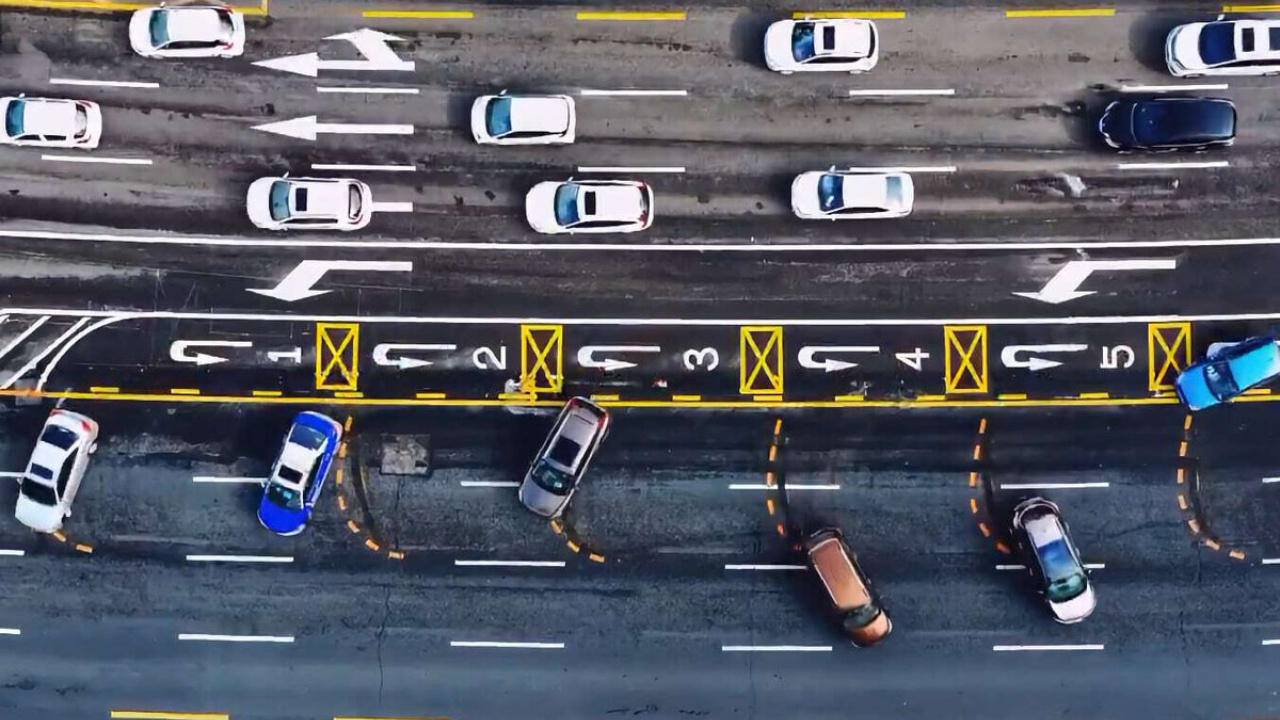
Understand How a Chinese City Implemented a Collective Detour on the Highway to Simplify the Return, Gaining Practicality, But Generating Debate About Safety.
In Jinan, the capital of Shandong province in China, a Chinese city started testing an unusual solution to facilitate the return on a busy multi-lane highway.
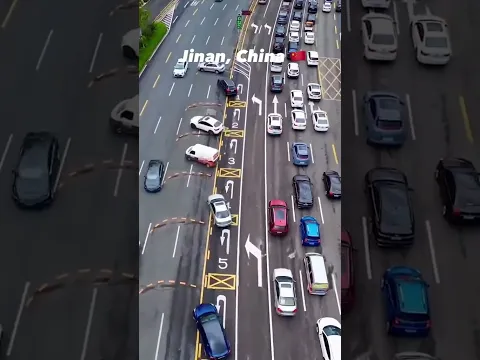
The implementation occurred recently and consists of a collective corridor next to the central reservation, where several vehicles wait their numbered turn to make a 180° turn, activated by traffic lights and horizontal signage.
The measure aims to reduce the time lost in conventional returns but raised questions about safety risks.
-
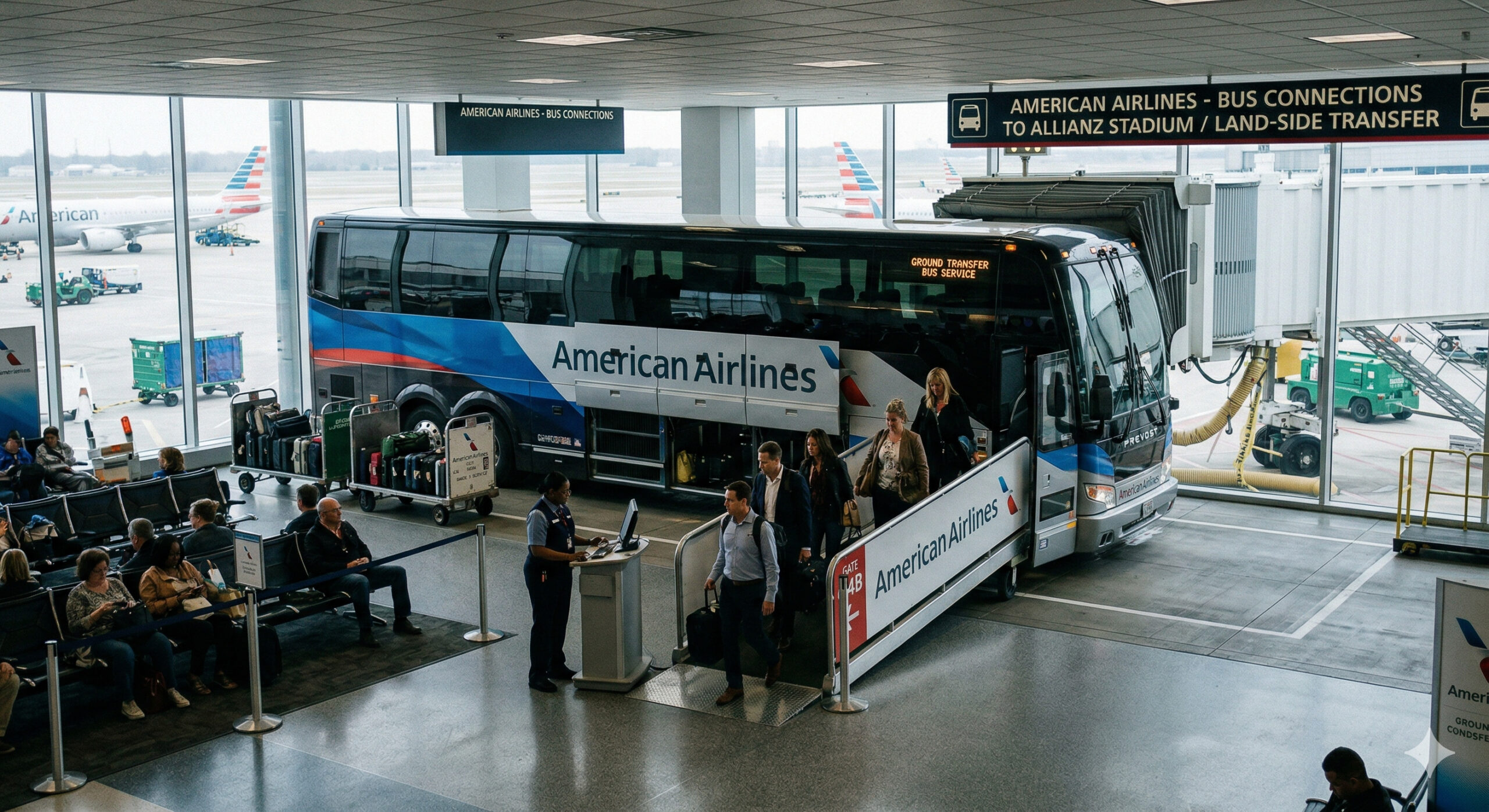
American Airlines starts selling trips as if they were flights, with check-in and baggage check at the airport, but on short routes, passengers board luxury buses connecting cities to major hubs in the U.S.
-
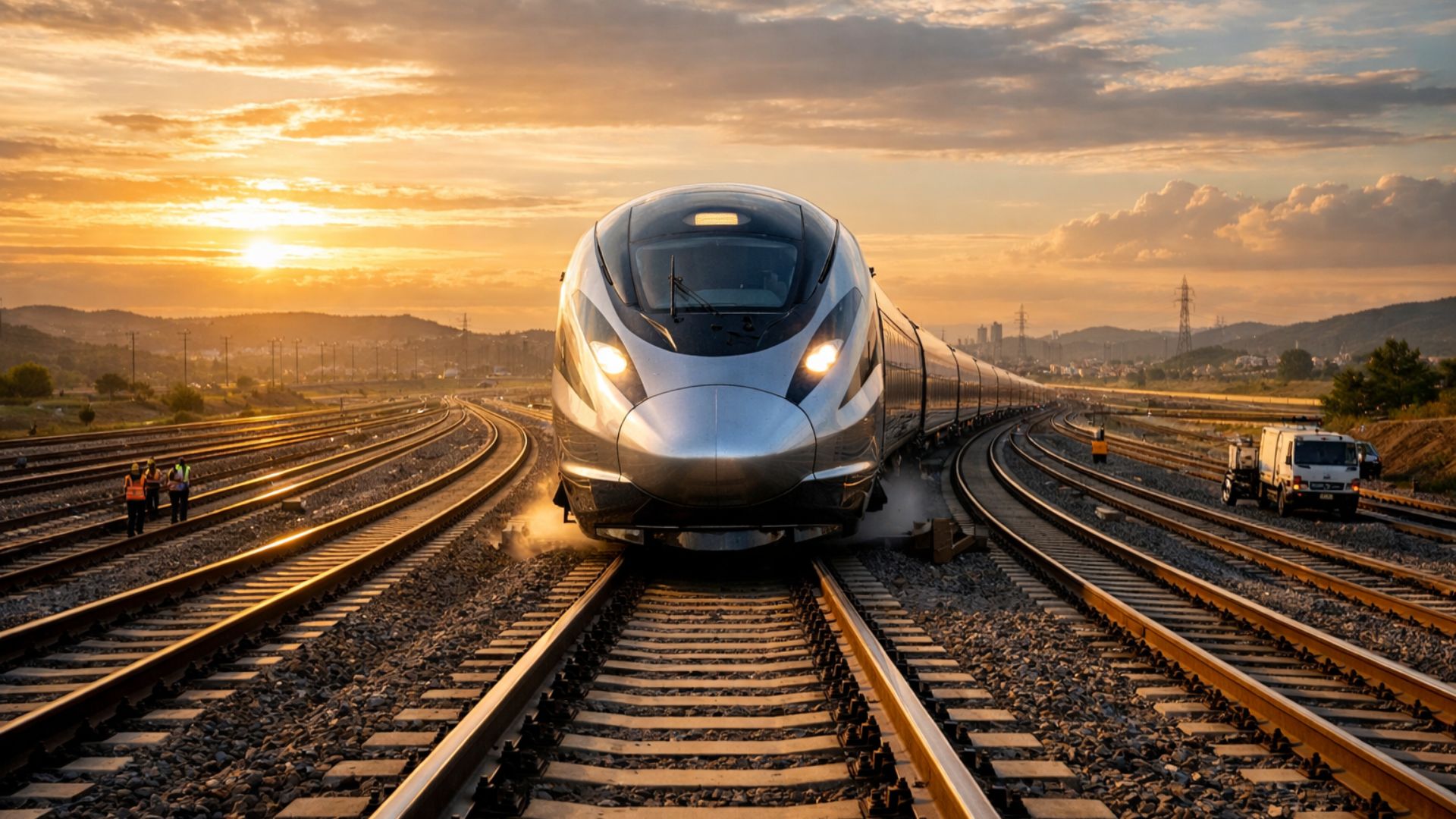
São Paulo surprises the world with a colossal railway network project that promises over 1,000 km of tracks, R$ 194 billion in investments, and 40 projects connecting the capital to the interior with fast and sustainable trains.
-
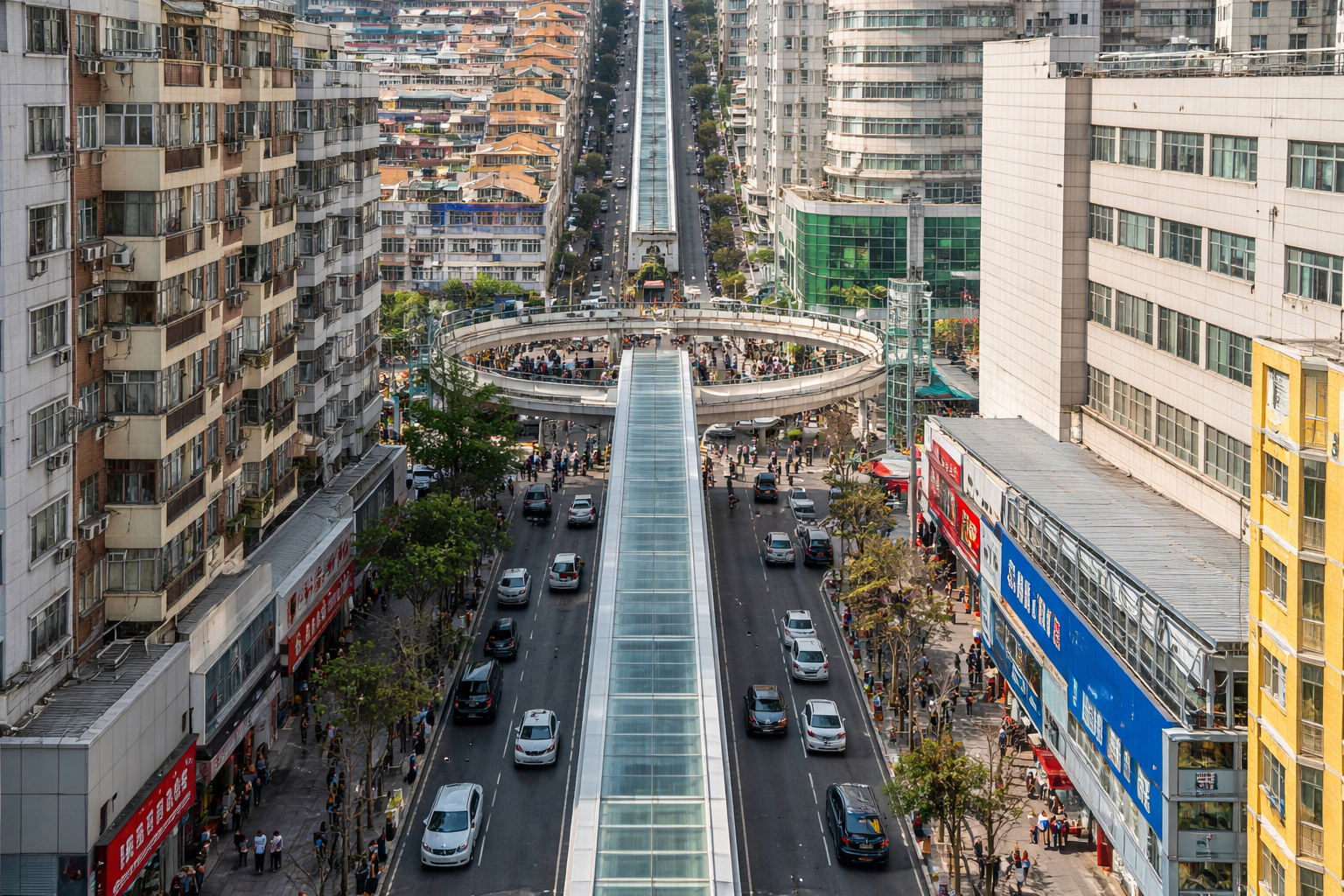
The world’s largest escalator, measuring 905 meters in China, reduces urban travel time from 1 hour to about 20 minutes and transforms mobility in mountainous regions with an engineering solution adapted to the terrain.
-
A R$ 300 million logistics giant is taking shape in Serra with over 100,000 m² and raises a question: how can this transform e-commerce and distribution in the state?

Collective Detour on Highway
The project adopted by the Chinese city consists of creating an exclusive lane near the central reservation of the highway, where vehicles wait in numbered spaces and, upon receiving a green light from the traffic signal, make a tight turn to head in the opposite direction.
Solid white lines delineate the area and guide drivers during the maneuver.
This measure was designed to shorten the route compared to roundabouts or lateral detours—without mentioning the turns that require entering neighborhoods—making the return more agile on congested urban roads.
Watch the video:

Analysis and Involved Risks
Fluidity vs. Safety
Although it offers greater agility in traffic, video recordings indicate considerable risks.
Inattentive drivers or those who disregard the traffic signal may cause collisions, and the closed geometry of the turn may lead to lane encroachment or side swipes between vehicles.
A Model That Already Exists in Other Places
This form of return is not exclusive to Jinan.
In states in the United States and in Taiwan, there are versions with painted lanes, signals, or traffic lights—even though not necessarily with multiple cars executing the turn simultaneously as occurs on the highway of the Chinese city.
In Brazil, the model varies according to municipal or state legislation.
While the initiative of the Chinese city may serve as inspiration to alleviate congestion, it also highlights the delicate balance between innovation and safety.
The practice challenges urban planners to reconsider roadway solutions that optimize returns without compromising driver integrity.
Prudence Required
Despite being effective in certain aspects, the maneuver demands strict attention to signage, driver education, and enforcement to mitigate the risks identified in the videos released.
The initiative of the Chinese city to create a collective detour on a highway to facilitate the return draws attention for its creative thinking but also requires caution.
The advantages of time and fluidity will only be real if accompanied by robust safety measures.
To plan more efficient cities, it is essential to balance innovation with the protection of all who navigate the roads.
Source: Xataka










Seja o primeiro a reagir!