





 Portuguese
  English
  Spanish
  4 min of reading
  0 comments


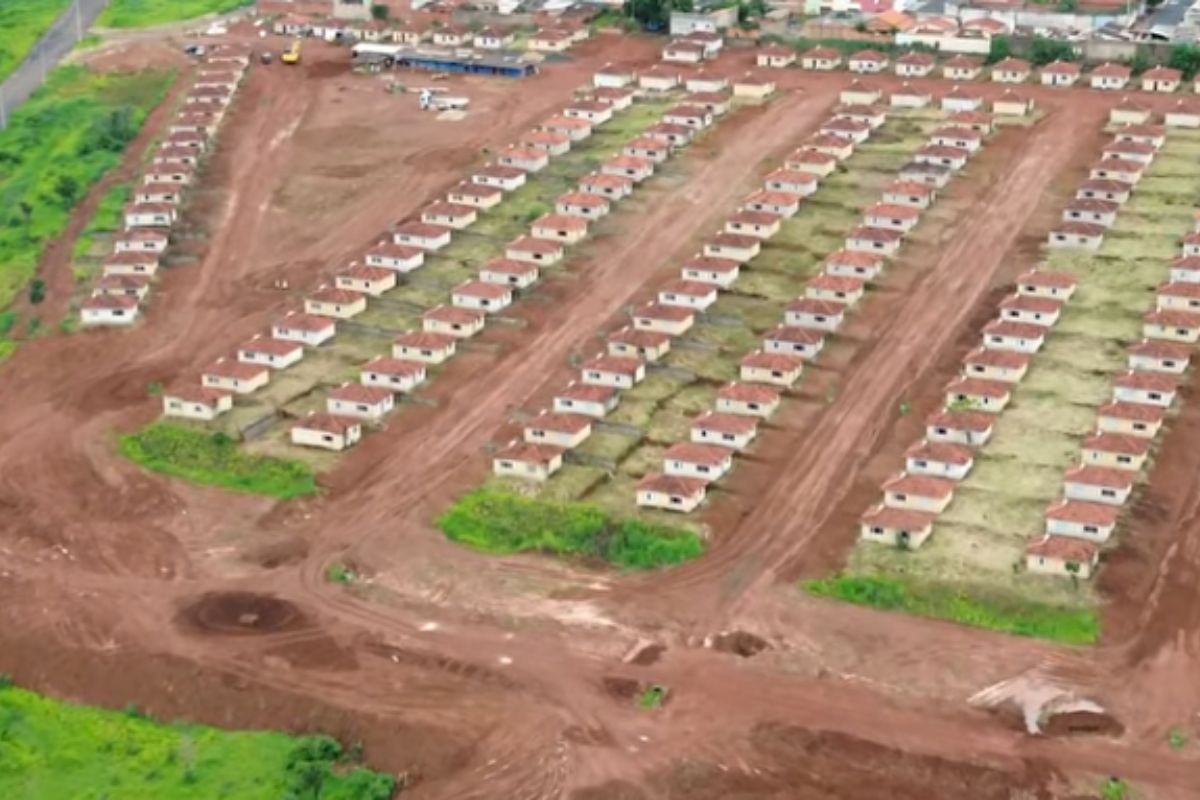
The Ghost Town of the Alfredo Freire 4 Complex Should House 2,000 People, But Turned Into Scrap Worth R$ 50 Million and Now Depends on Reports, Rework and Official Deadline to Reborn
The ghost town of the Alfredo Freire 4 complex, in Uberaba, looks like a scene frozen in time: 540 houses with walls, roofs, and even solar energy technology abandoned to the sun and rain for a decade. What was supposed to be housing for 2,000 people became a portrait of waste, with weeds taking over and bats dominating the space.
And the worst part is that it’s not just about appearance. In practice, the ghost town has turned into an engineering problem, as 10 years of abandonment have turned the infrastructure into a question mark, material into scrap, and the land into a silent risk. Now, with an official announcement of resumption in 2026 and a delivery goal by 2028, the question that remains is whether the neighborhood will actually become habitable again.
What a 10-Year Ghost Town Does to a Ready Project
Those who look from afar see “standing” houses. Those who look more carefully see project pathology happening in slow motion. The soil in the region is sandy, and old technical reports already pointed out serious risks in retaining walls and containment structures.
-
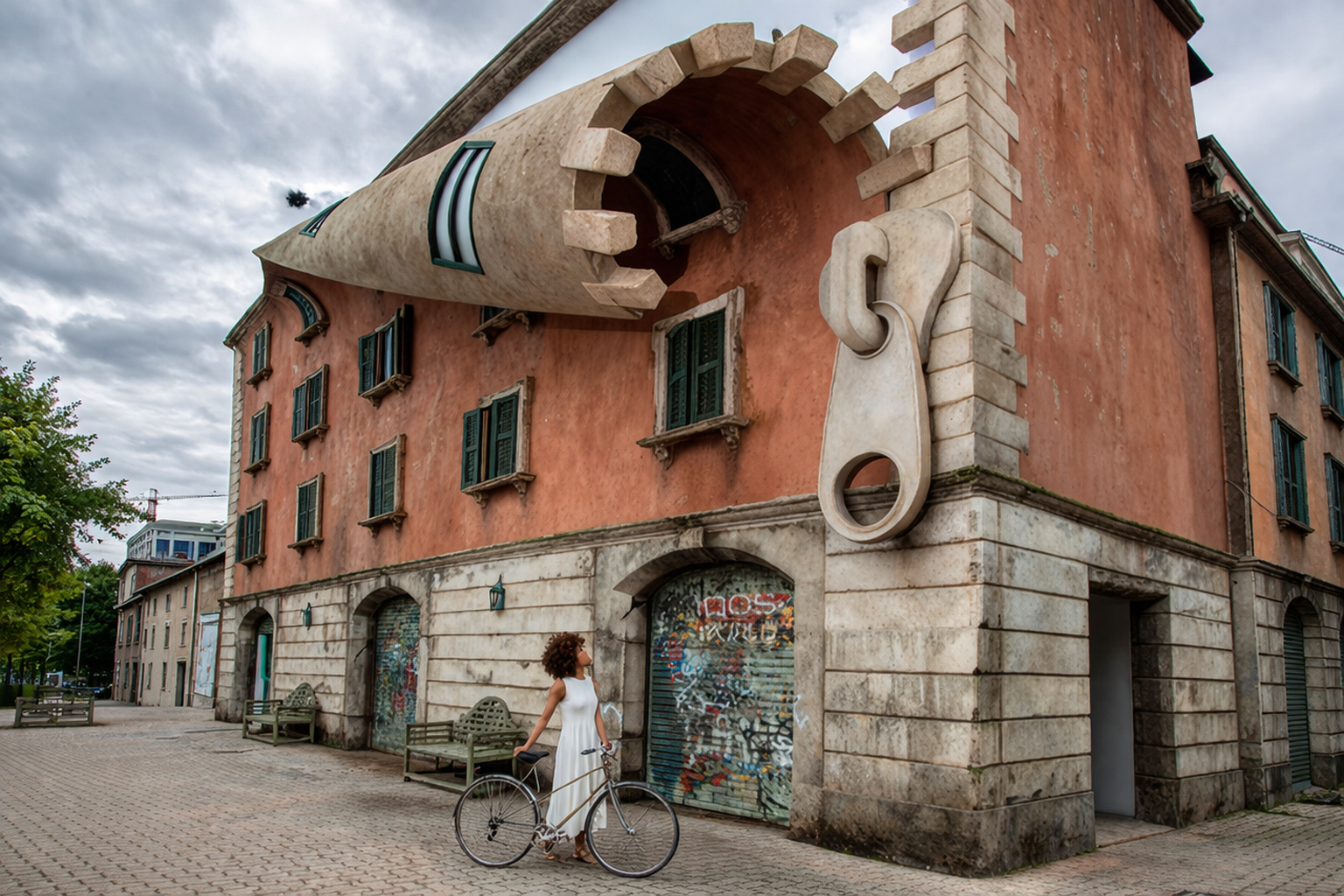
With a façade that resembles a giant zipper, the building in Milan creates a sense of strangeness, featuring lighting that transforms engineering and attracts the attention of residents and tourists.
-
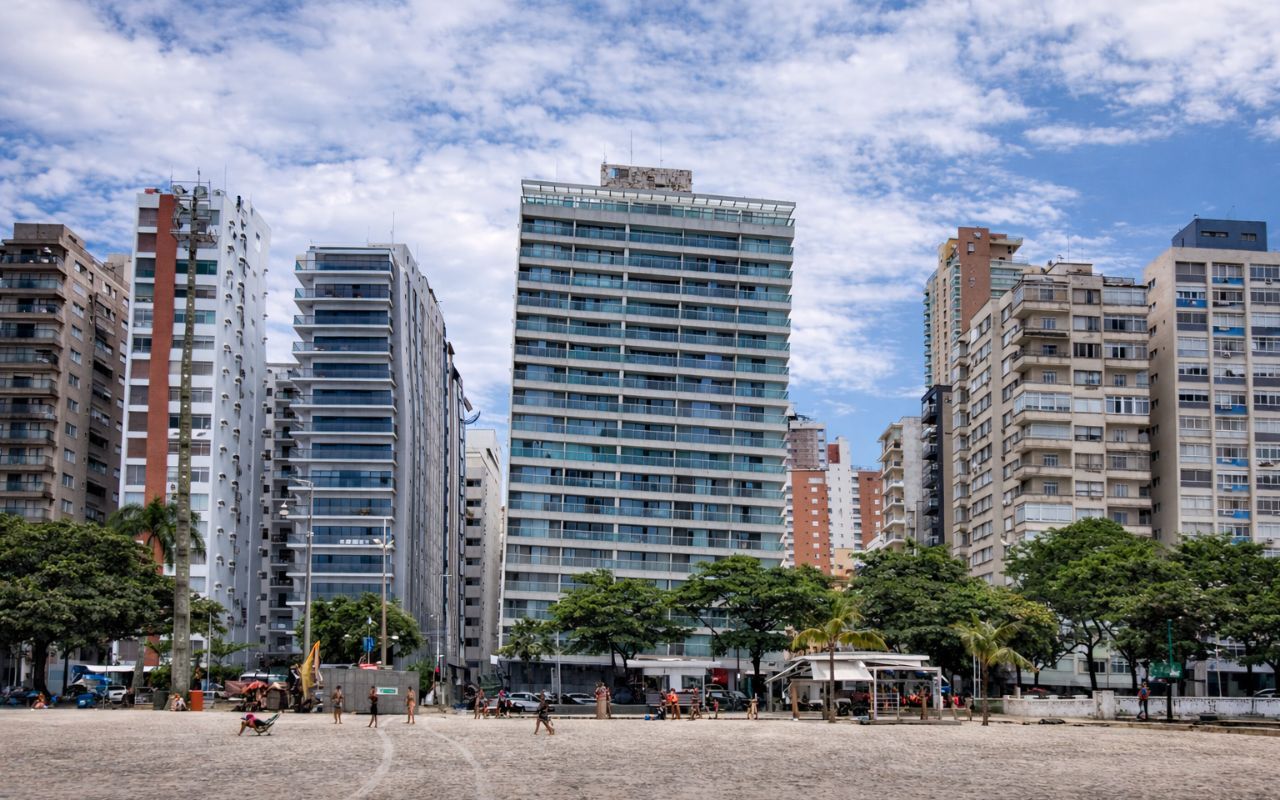
The Brazilian city has 319 crooked buildings built on sandy soil without proper deep foundations, houses the largest beach garden in the world, with over 5 km, and is still considered the birthplace of surfing — meet Santos, in São Paulo.
-
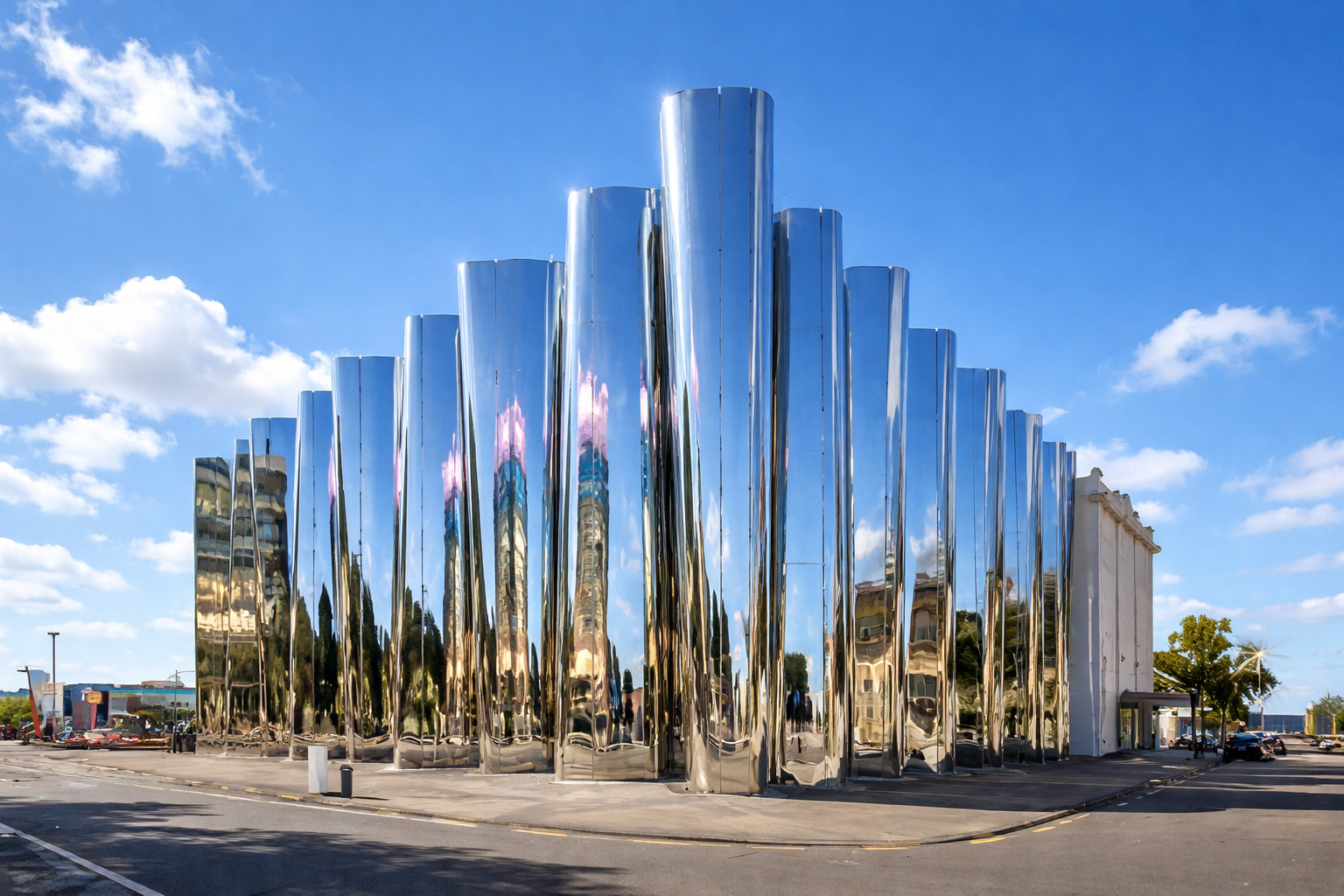
New Zealand builds a shimmering building that vibrates, featuring a 62-seat cinema, moving sculptures, and an environment where sound, light, and energy are felt in the body.
-
Two colored cubes of 2.5 m transform a public bathroom into a selfie spot in Western Australia, costing up to 75% less than traditional construction and helping to reduce vandalism in public spaces.

Without maintenance, the rain has washed the land for years and produced silent erosion, which doesn’t show up in pretty photos, but appears in the bills and safety.
Another problem is what is not visible: part of the infrastructure is buried. To find out if the water and sewage pipes are still functional, it was necessary to hire a specific engineering report.
The verdict is harsh: much has to be removed and redone, the infamous rework that destroys budgets.
Solar Energy Turned Into Scrap and the Loss Is Clear
The ghost town also exposes a “visible crime”: the solar heating system. Equipment of this type has a lifespan, rubber seals, and internal fluids.
After a decade cooking in the sun and cooling in the rain, unused, the rubbers dried out and the collectors cracked. In practice, a lot of what seemed “installed” turned into waste.
This explains why it is not enough to mow weeds and paint walls. In a ghost town, time doesn’t spare materials, doesn’t spare seals, and doesn’t spare what was exposed. What has rotted doesn’t come back just with a makeover.
How the Complex Turned Into a Graveyard of Works
To understand how the ghost town reached this point, it is necessary to go back to the contract. The original agreement was signed in August 2013, and the first contractor, El Global, promised to deliver everything in 15 months but went bankrupt and left. In 2019, RCON took over, tried, couldn’t make it, and abandoned the construction site. The result was a graveyard of works, with structural masonry exposed for years.
The numbers are frightening. The site accumulated about 23,000 m² of structural masonry facing thermal variation for a decade, in addition to an estimate of millions of ceramic bricks and tons of concrete over time. It’s not just aesthetics; it’s real structural wear.
Invasion, Political Pressure, and the Viral Phrase
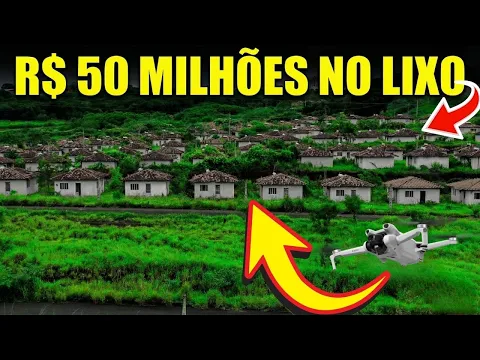

The abandonment also opened up space for social chaos. In April 2025, there was a mass invasion: families occupied the shells of the houses and the police had to intervene. The situation escalated and became a political issue. Councilman and now senator Cleitinho appeared to supervise, pointing out the absurdity of the situation.
The mayor herself, Elisa Araújo, upon entering a house and seeing the black ceiling of dirt, uttered the phrase that went viral: “The Bat Party Is Over.” Pressure increased, the issue gained traction, and the scenario began to change for the announcement of resumption.
Resumption in 2026 and Promise of Delivery by 2028
The ghost town officially entered “monitored promise” mode on January 13, 2026, when the City Hall and Caixa Econômica announced the restart of the project. EF Construtora won the bid and took over the construction site. The mission is direct and heavy: recover what’s left and deliver the keys by 2028.
With money in hand and a signed contract, the discourse changes from “it can’t be done” to “it must be done.” However, the challenge remains technical: revise buried infrastructure, deal with rework, recover abandoned masonry, and reverse years of erosion and wear. The clock is already ticking, and the “before” is recorded.
In your opinion, does this ghost town have a better chance of rebirth because of the available funds or is the biggest enemy the lost time of 10 years?






-

-

-

-

-

23 pessoas reagiram a isso.