





 Portuguese
  English
  Spanish
  2 min of reading
  0 comments


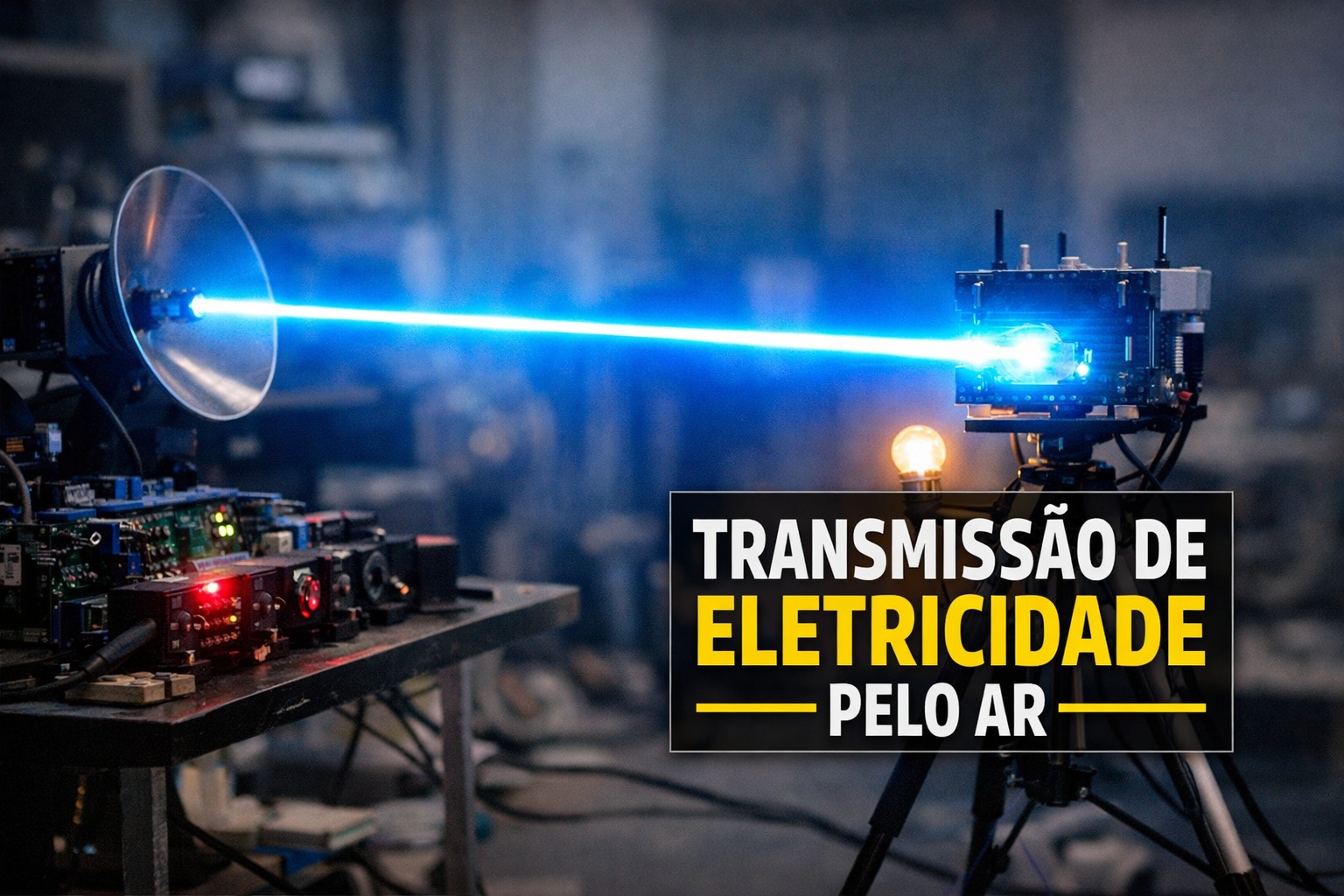
Experiment Uses Lasers And Electromagnetic Waves To Send Electricity Through The Air, Rekindling Debates About A Future Where Cables Are No Longer Essential For Various Real Applications
Researchers from Finland have made significant advancements in one of the oldest challenges in electrical engineering: the transmission of energy without physical contact. The experiment rekindles discussions about how electricity may be distributed in the coming decades and points to a future where wires and cables are no longer the only viable option.
A Leap In Energy Transmission
Using a combination of directed electromagnetic waves and high-precision laser systems, scientists have managed to send electricity through the air in a controlled manner, without resorting to direct physical connections.
The technology is based on the conversion of electrical energy into highly directed beams, capable of traveling through space to a specific receiver.
-
It seems simple, but it generates electricity: scientists transform ambient humidity into electricity with gelatin and salt, and the generator still works for more than 30 days.

-
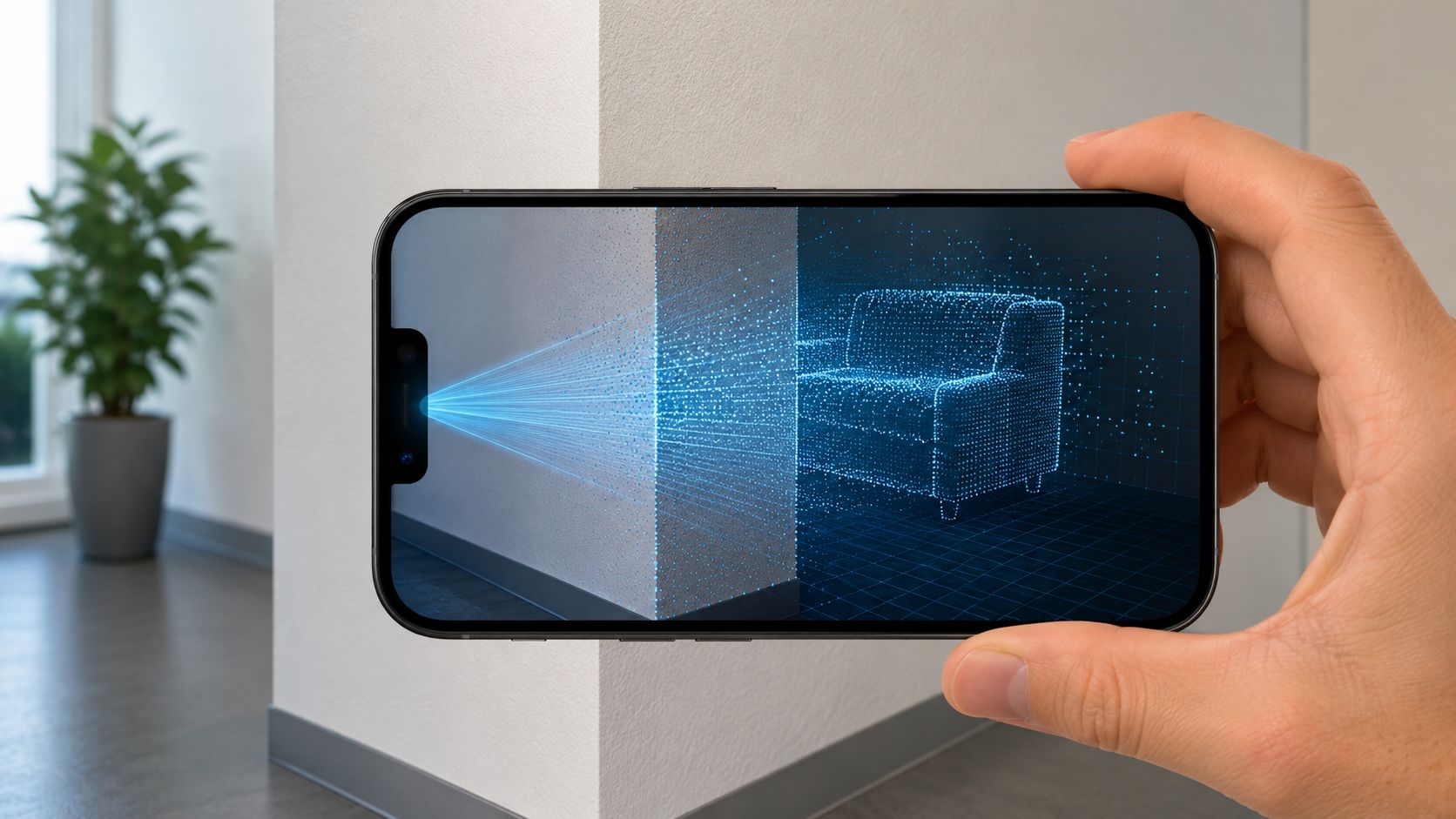
Soon, smartphones may be able to “see” objects hidden behind walls with LiDAR.
-
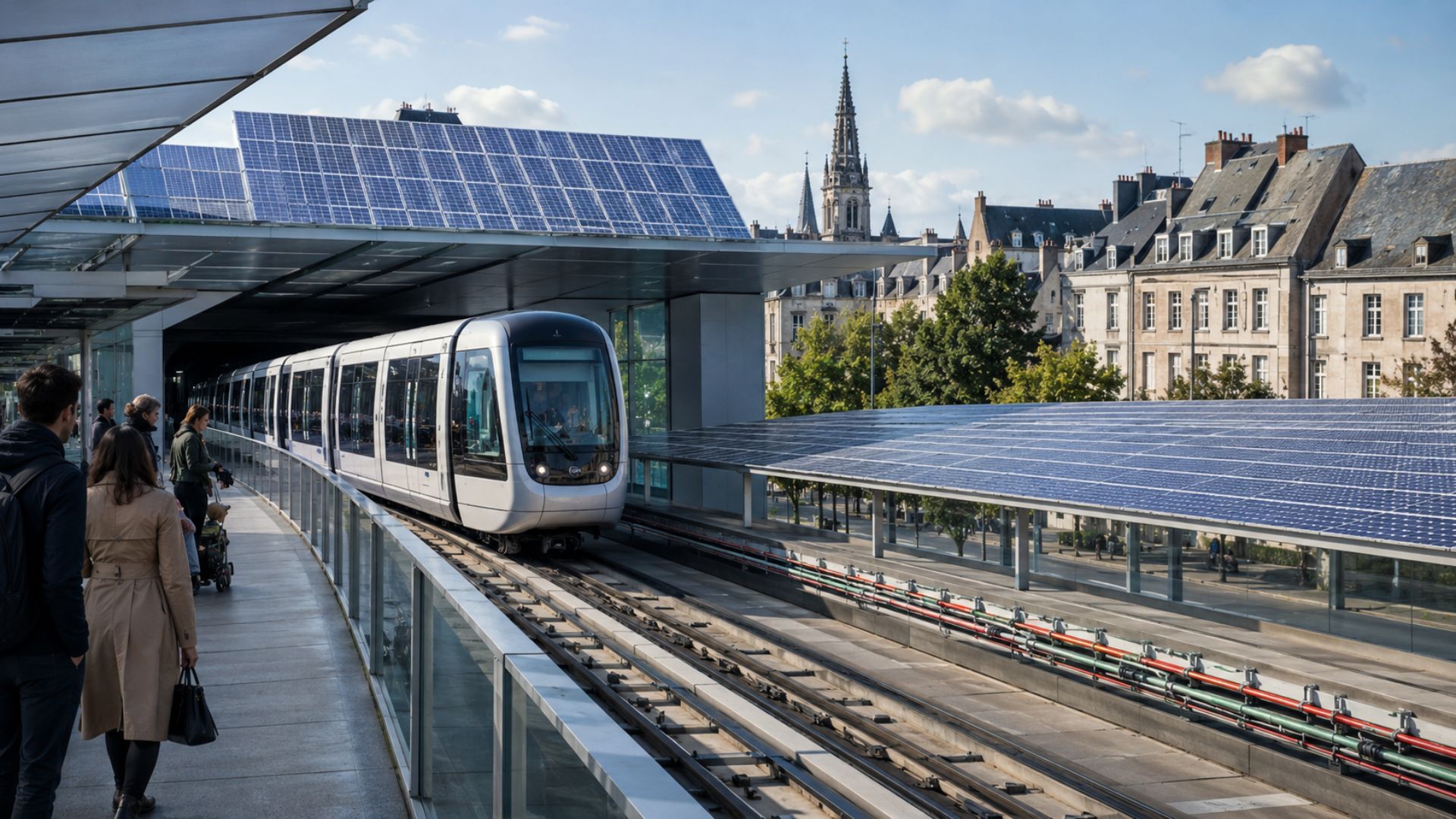
For the first time in France, solar electricity will power metro trains without going through the public grid. The pioneering Rennes project will begin construction in June with 6,000 square meters of solar panels, and users themselves can invest and earn a 5% annual profit.

-
United States releases a $2 billion investment in quantum computing with IBM’s participation, strengthening strategic technological infrastructure and accelerating the development of advanced processors that can change the internet, digital security, and global financial markets.

At the destination point, these beams are reconverted into usable electricity. Unlike previous attempts, the tests prioritized beam stability, energy efficiency, and operational safety, reducing losses and avoiding dangerous radiation dispersion.
According to the researchers involved, the advancement does not ignore the physical laws that limit wireless transmission, but shows that it is possible to overcome practical barriers that previously made the process unfeasible outside controlled environments.
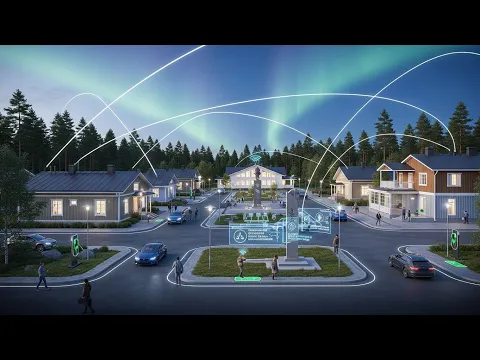

Potential For Real Applications
The energy delivery occurred in a continuous and controlled manner, indicating potential for applications outside the laboratory, even though it is still in the early stages.
Among the most promising uses are providing energy to remote areas, regions affected by natural disasters, urban sensors, drones, medical equipment, and critical infrastructures where cables represent high costs, risks, or constant maintenance needs.
In urban environments, the technology could also reduce the complexity of underground and aerial networks, which are currently vulnerable to mechanical failures and extreme weather events, according to the researchers.
A Long Path To Adoption
Despite the excitement, scientists emphasize that large-scale adoption is still far off. Years of additional testing, efficiency improvements, environmental impact assessments, and the establishment of international regulatory benchmarks will be necessary.
Still, the Finnish experiment signals a concrete shift in how electricity could be distributed in the future, increasingly less dependent on physical structures and more based on advanced technological control.
The study contributes to other global initiatives that have been seeking alternatives over time to make energy distribution more flexible, resilient, and adaptable to the new demands of society.
With information from Portal 6.






Be the first to react!