





 Portuguese
  English
  Spanish
  3 min of reading


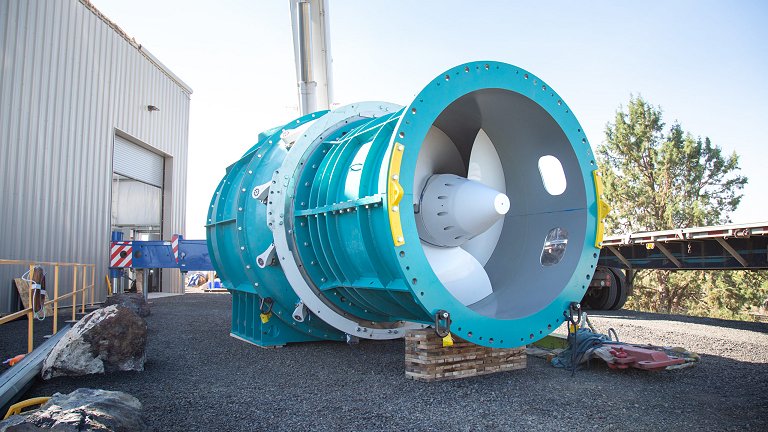
Hydroelectric Plants Generate Doubts About Sustainability And Scientists Create A Turbine Fixed Directly In The Flow Of Rivers, Eliminating The Need To Build A Dam
The water source is one of the largest in the world, currently responsible for half of all renewable energy production. However, the sustainability of hydroelectric plants has been a major concern, as building dams has been almost equivalent to installing thermal power plants. Thus, a team of scientists from the University of Michigan in the USA has created a giant turbine named “current turbines,” which eliminates the need to create dams. Are you looking for job openings? Rede Globo opened a selection process with hundreds of internship vacancies for technical and higher education students.
Read Also
Scientists Prove The Effectiveness Of The Turbine In The Xingu River
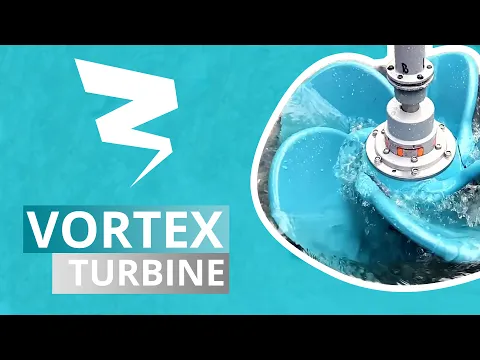

According to one of the scientists, Suyog Chaudhari, turbines that can replace hydroelectric plants in some cases can be placed in river channels and do not significantly interfere with the natural flow of the river. The scientists created a hydrological model that generates expectations about the energy generated by the two types of hydroelectric plants, taking advantage of the entire watershed.
-
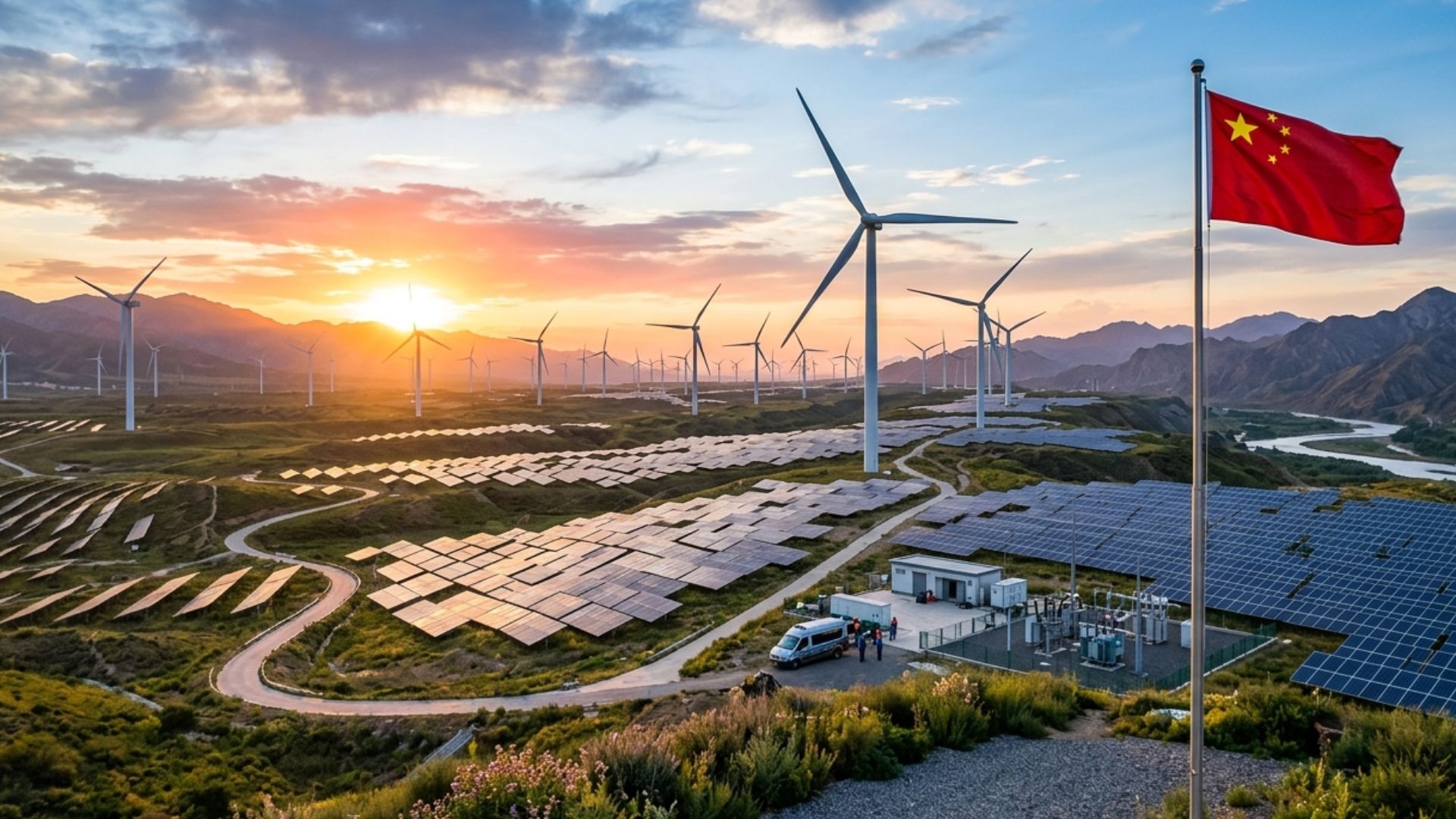
Renewable energy advances globally with Asia taking the lead; Irena’s analysis indicates a strategic progress that drives the energy transition and reduces generation costs.
-
Globo broadcaster achieves 100% renewable energy and advances climate goal, strengthening environmental commitment, reducing emissions, and influencing large companies to adopt more sustainable and competitive strategies.

-
New mapping reveals the Brazilian states with the greatest potential for the production and use of green hydrogen in Brazil to lead the global market.

-
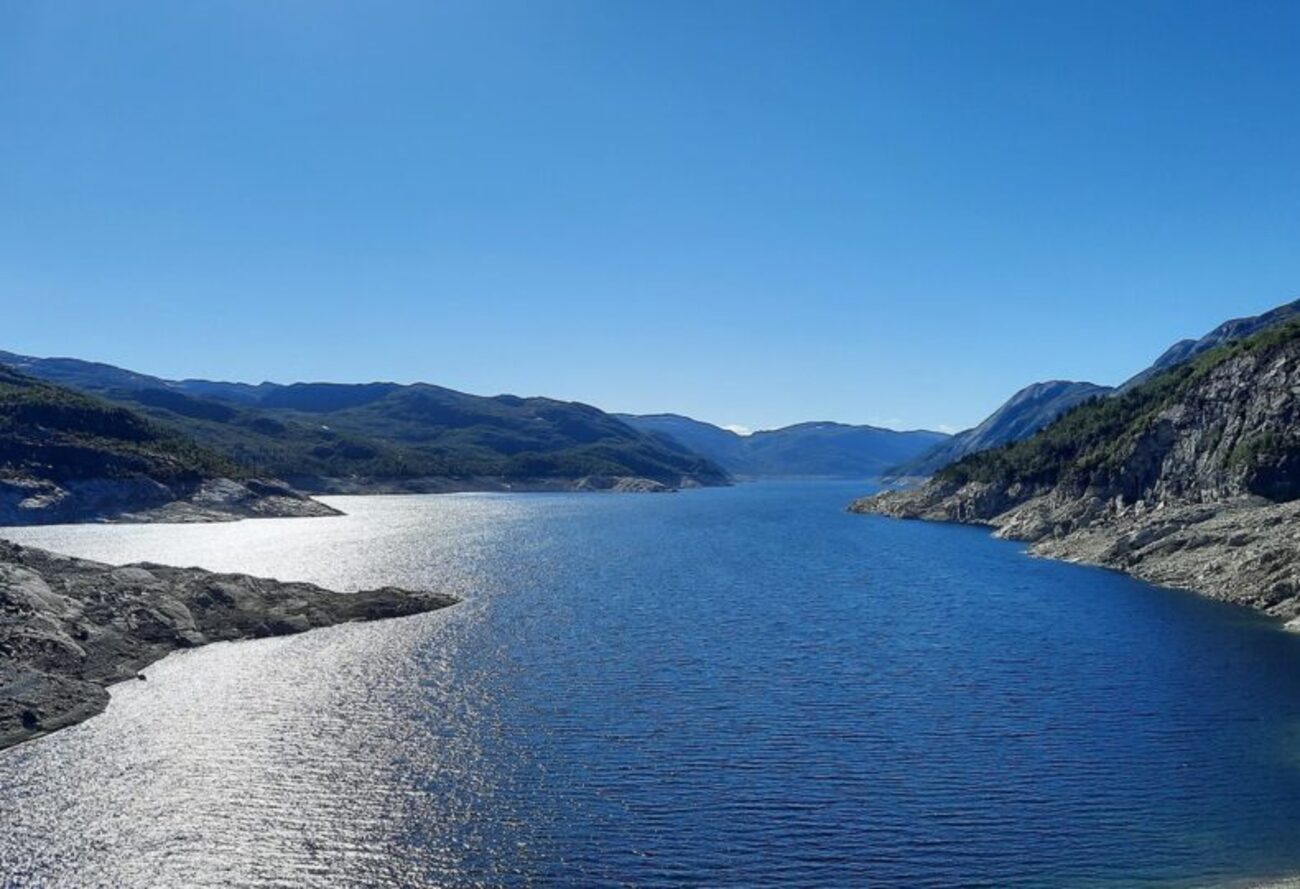
Historical drought and lack of snow in the Norwegian Alps threaten the largest clean energy reserve in Europe and could drive up electricity prices.
In the case of the Belo Monte hydroelectric plant, scientists concluded that two-thirds of the energy produced by the plant could be generated using only turbines in the current of the Xingu River, without the need to build a dam. The experts also noted that depending on the location, the results of the turbines tend to be even better.
According to Chaudhari, in five selected locations where there are plans to build dams for hydroelectric plants in the near future, it was found that all the energy could be generated using the new current turbines.
In addition, it was also discovered that energy generation through current turbines can be cheaper than with dam hydroelectric plants, due to the much lower environmental and social costs when using turbines in the river’s current.

Formado em Jornalismo e Marketing, é autor de mais de 20 mil artigos que já alcançaram milhões de leitores no Brasil e no exterior. Já escreveu para marcas e veículos como 99, Natura, O Boticário, CPG – Click Petróleo e Gás, Agência Raccon e outros. Especialista em Indústria Automotiva, Tecnologia, Carreiras (empregabilidade e cursos), Economia e outros temas. Contato e sugestões de pauta: valdemarmedeiros4@gmail.com. Não aceitamos currículos!







Seja o primeiro a reagir!