Portuguese
  Spanish


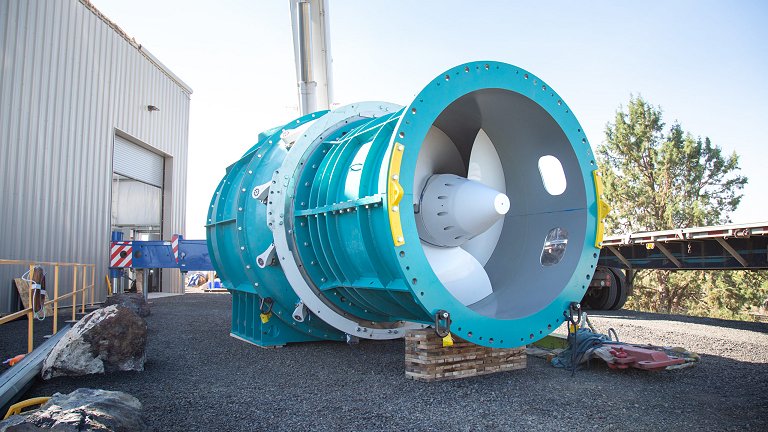

Hydroelectric Plants Generate Doubts About Sustainability And Scientists Create A Turbine Fixed Directly In The Flow Of Rivers, Eliminating The Need To Build A Dam
The water source is one of the largest in the world, currently responsible for half of all renewable energy production. However, the sustainability of hydroelectric plants has been a major concern, as building dams has been almost equivalent to installing thermal power plants. Thus, a team of scientists from the University of Michigan in the USA has created a giant turbine named “current turbines,” which eliminates the need to create dams. Are you looking for job openings? Rede Globo opened a selection process with hundreds of internship vacancies for technical and higher education students.
Read Also
Scientists Prove The Effectiveness Of The Turbine In The Xingu River
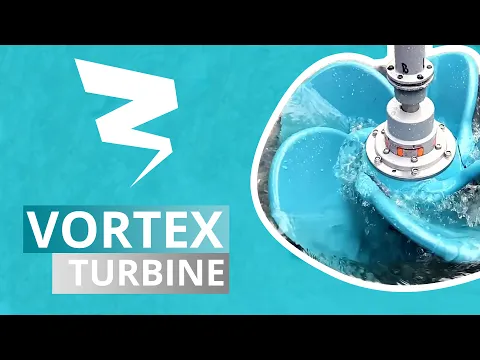

According to one of the scientists, Suyog Chaudhari, turbines that can replace hydroelectric plants in some cases can be placed in river channels and do not significantly interfere with the natural flow of the river. The scientists created a hydrological model that generates expectations about the energy generated by the two types of hydroelectric plants, taking advantage of the entire watershed.
-
Brazilian scientists are simultaneously advancing two research projects on clean hydrogen and driving solutions that could transform the energy matrix, enhance industrial competitiveness, and accelerate large-scale emission reduction targets.

-
Advancement in renewable energy: A R$ 150 million project launched by Petrobras and Finep aims to create state-of-the-art electrolyzers for green hydrogen, strengthening national research and preparing Brazil to compete in a billion-dollar energy market.
-
Illiterate or semi-literate grandmothers were trained to repair solar systems, open rural workshops, and light up homes that still depended on kerosene.
-
The world has bet on green hydrogen as the fuel of the future, but now faces the side effect: producing 1 kilogram requires about 9 liters of ultrapure water, and the largest projects on the planet are precisely in the driest regions of the Earth, where water is already scarce for people.



In the case of the Belo Monte hydroelectric plant, scientists concluded that two-thirds of the energy produced by the plant could be generated using only turbines in the current of the Xingu River, without the need to build a dam. The experts also noted that depending on the location, the results of the turbines tend to be even better.
According to Chaudhari, in five selected locations where there are plans to build dams for hydroelectric plants in the near future, it was found that all the energy could be generated using the new current turbines.
In addition, it was also discovered that energy generation through current turbines can be cheaper than with dam hydroelectric plants, due to the much lower environmental and social costs when using turbines in the river’s current.

Graduated in Journalism and Marketing, he is the author of over 20,000 articles that have reached millions of readers in Brazil and abroad. He has written for brands and media outlets such as 99, Natura, O Boticário, CPG – Click Petróleo e Gás, Agência Raccon, among others. A specialist in the Automotive Industry, Technology, Careers (employability and courses), Economy, and other topics. For contact and editorial suggestions: valdemarmedeiros4@gmail.com. We do not accept resumes!

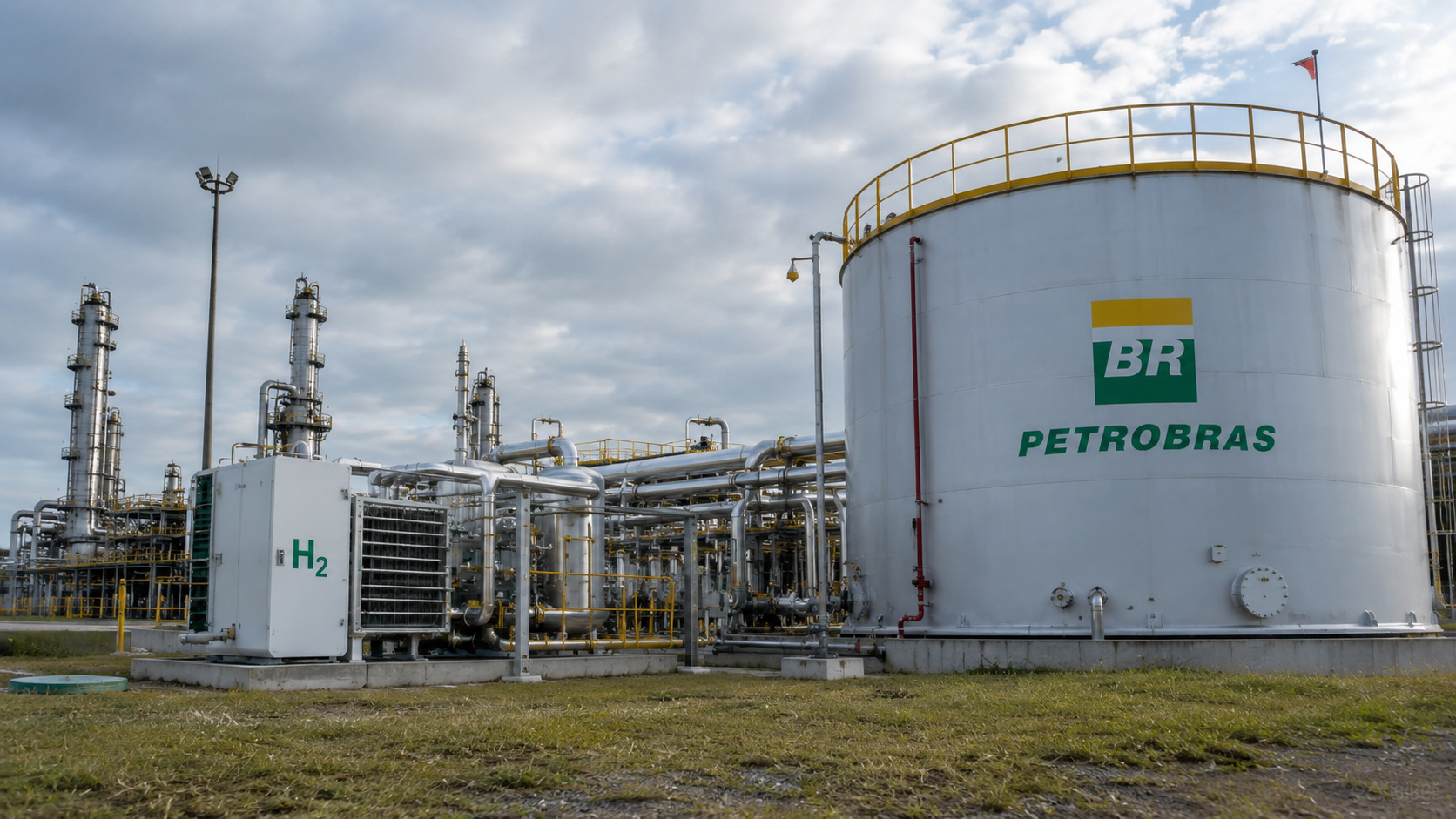
Advancement in renewable energy: A R$ 150 million project launched by Petrobras and Finep aims to create state-of-the-art electrolyzers for green hydrogen, strengthening national research and preparing Brazil to compete in a billion-dollar energy market.
Hilton Libório 16/06/2026 at 16:26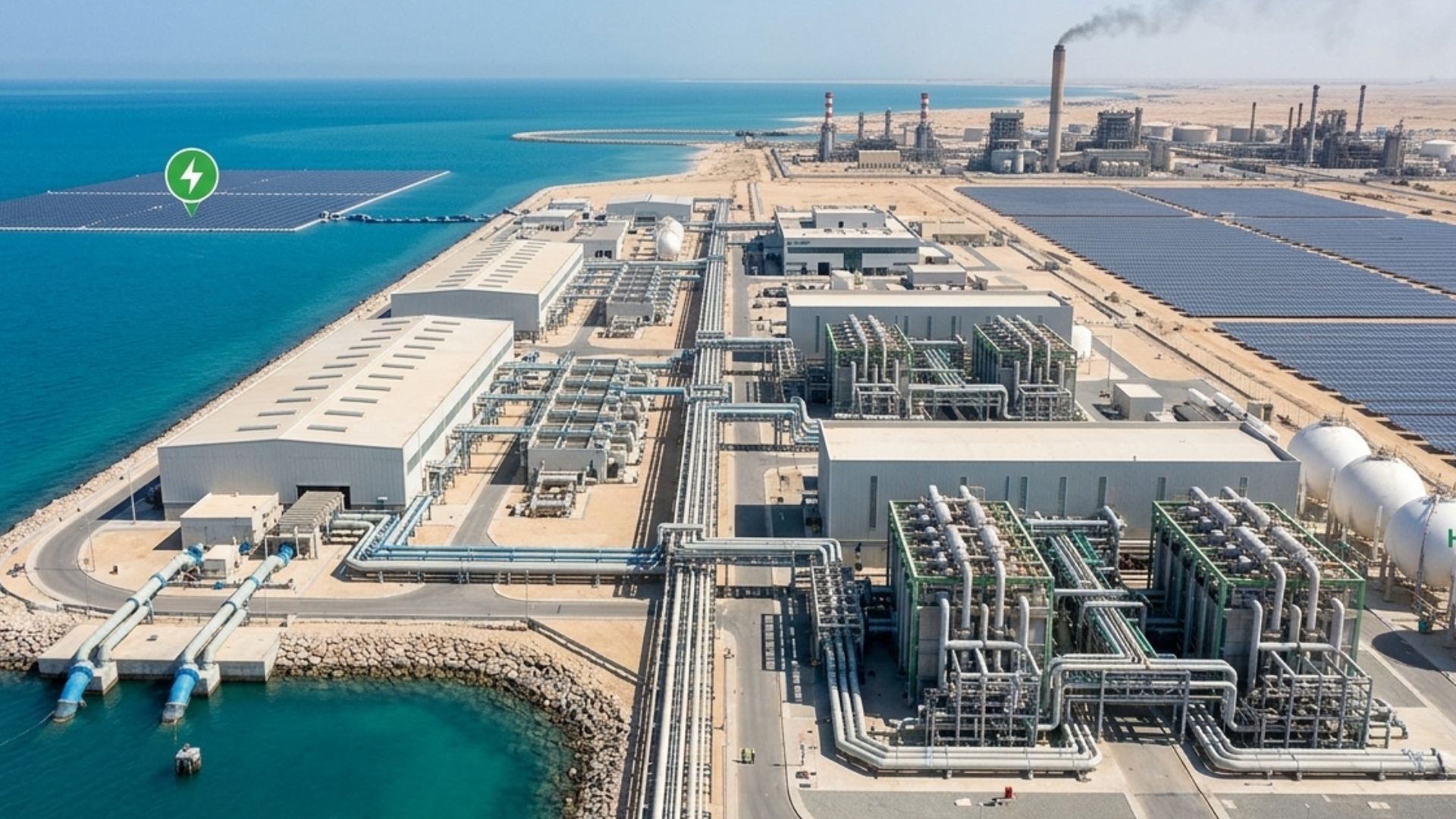
The world has bet on green hydrogen as the fuel of the future, but now faces the side effect: producing 1 kilogram requires about 9 liters of ultrapure water, and the largest projects on the planet are precisely in the driest regions of the Earth, where water is already scarce for people.
Valdemar Medeiros 13/06/2026 at 17:32