






 Portuguese
  Spanish
 2 min of reading


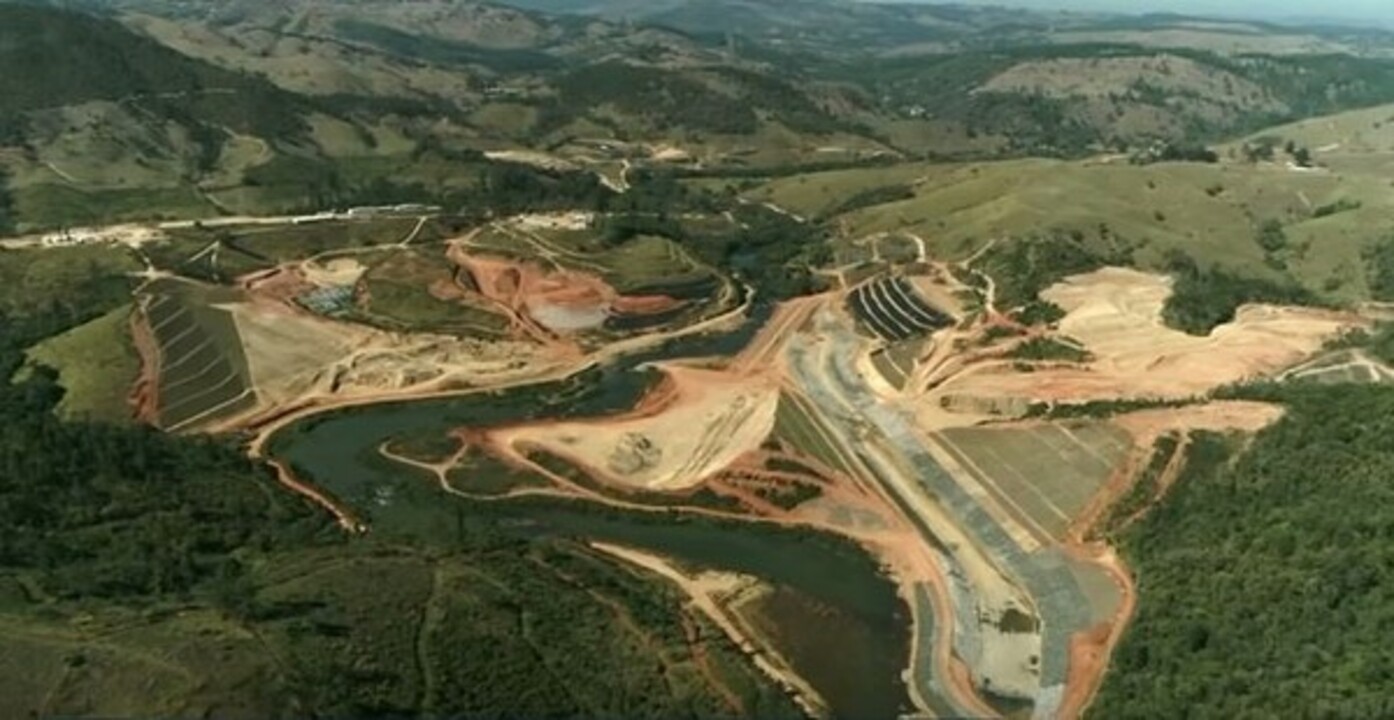
After 109 Years of Operation, Macaco Branco Hydroelectric Plant in Campinas Was Decommissioned
The company CPFL was responsible for the closure of the Macaco Hydroelectric Plant in Campinas, which was the first hydroelectric plant built in the city in 1911. Initially, its area will be flooded by the future Pedreira dam, which is the state government’s project to ensure water security in the Campinas region. CPFL stated in a note that, with the deactivation, the area becomes the property of the DAEE – Department of Water and Electricity of the State. DAEE estimates that the area will begin to be flooded in the second half of 2021.
Read Also
New Dam Will Flood Farms Almost Listed as Heritage in Campinas
In Campinas, in addition to the hydroelectric plant, the future dam will also flood areas of Fazenda Roseira, which has been there since the 19th century, including its entire architectural ensemble located in the district of Joaquim Egídio, as well as the forest of Córrego Linde. The hydroelectric plant and the farm were already in the process of being listed as historical heritage of Campinas, however, in 2016, the Condepacc decided to archive the studies in favor of increasing water security that will come with the construction of the dam.
Within the area of the new dam that will be built, the archiving of the listing process for Fazenda Espirito Santo, which will also be flooded, is also included.
-
Giant of supermarkets in Brazil, with 282 stores in 9 states, opens a new pharmaceutical unit after closing 28 operations and laying off 6,600 employees; strategy approved by Cade reveals a billion-dollar bet on a market that continues to grow.

-
Free driver’s license for Brazilians: Detran starts a new phase for 3,000 selected individuals, but a mandatory requirement and a deadline that ends in a few days may cause candidates to lose the benefit.
-
Illegal betting money may change destination: government announces freezing of funds, contacts banks, and explains how the amounts could finance the fight against organized crime after a billion-dollar operation in three states.

-
Invasive weed that withstands extreme heat advances with climate change, threatens crops on several continents, and raises a global alert about a silent plant capable of dominating soils, suffocating native species, and reshaping entire ecosystems.



The understanding of the technicians at the time was that it would not be necessary to list the hydroelectric plant, a remnant from the beginning of the electrification process, as there are other plants from the same period already listed. The same applies to the farm. There are several farms in that region already listed that preserve an architectural style from that time.








Be the first to react!