





 Portuguese
  English
  Spanish
  3 min of reading
  0 comments


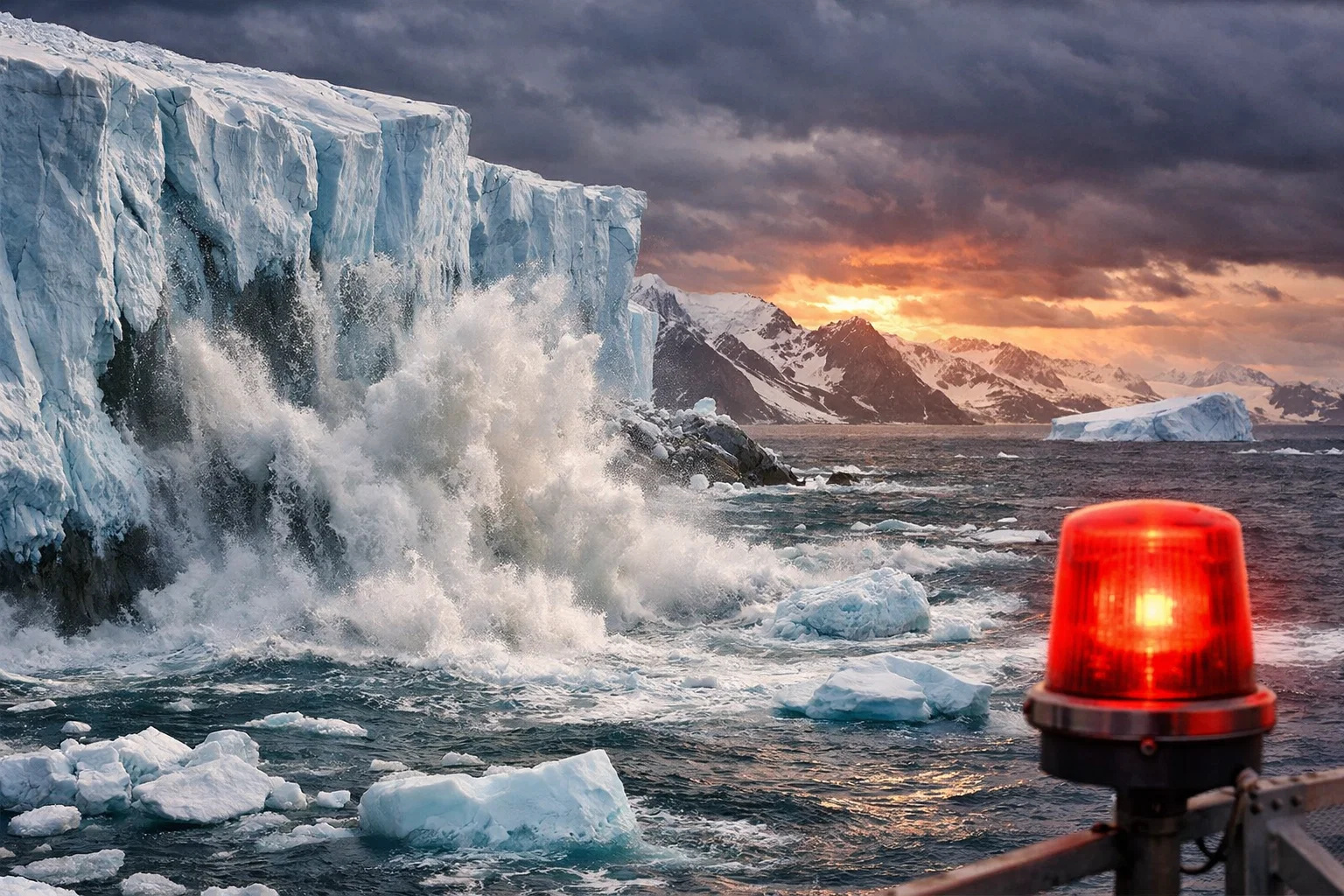
Climate Models Project Warming Between 1.8°C and 4.4°C in the Antarctic Peninsula by the End of the Century, with a Huge Impact on Ice, Natural Platforms, and Global Ocean Circulation
The most observed part of Antarctica is already changing. And it’s not a small change. The Antarctic Peninsula, a strategic area for research, fishing, and tourism, has become the point where global warming appears first and most intensely.
Projections published in the journal Frontiers in Environmental Science show that decisions about emissions made now will determine the extent of the damage by 2100.
The Advance of Warmer Water Beneath the Ice Is Already Accelerating Losses and Pressuring Natural Structures That Hold the Continent
Even with the planet about 1.4°C warmer than in the pre-industrial period, the region is already experiencing accelerated melting.
-
Goodbye iron: new technology from Xiaomi promises to revolutionize the way we iron clothes with 500 kPa steam, continuous flow of 120 g/min, heating in 65 seconds, and six smart modes for different fabrics.

-
Rio Pardo, the most mysterious city in Rio Grande do Sul: untouched Pampas castle, the missing treasure of the Devil Boy, bride’s saint, invisible tunnels, and a 200-year curse today.
-
China retires the J-7 fighter after years of military protection and can now transform military items into drones, following more than 60 years of operation of the J-7, derived from the MiG-21, with thousands of units produced and strategic use in the PLAAF and PLANAF.
-
Volunteers are sought to live in the mountains for a month: a study pays people to stay at 2,500 meters, with 24-hour monitoring of sleep, metabolism, and blood pressure.

A deep and relatively warmer mass of water circulates near the peninsula, corroding the ice from below and weakening platforms that function as natural barriers.
When these structures lose stability, interior glaciers face less resistance to flow toward the sea. This type of retreat is difficult to reverse on a human timescale.
Three Warming Projections by 2100 Show Changes in the Balance of Krill, Penguins, and Ice That Regulates the Ocean
With warming limited to 1.8°C, winter sea ice decreases, and the ecosystem shrinks. Species less dependent on ice and krill, such as fur seals, elephant seals, and gentoo penguins, gain ground.
If the average temperature rises about 3.6°C, sea ice concentration drops dramatically. More warm water reaches the ice shelves, and extreme events, such as ocean heatwaves and atmospheric rivers, become more frequent.
At the level of 4.4°C, sea ice coverage could retreat by approximately 20%. Whales and penguins that depend on krill suffer severe losses. Regional warming also spreads to other areas of the Southern Ocean.
Larsen C and George VI Factor In and Set Dates for Sea Level Rise Risks
The Larsen C ice shelf, which lost an ice block equivalent to the size of the state of Delaware in 2017, could fully collapse by 2100.
The George VI ice shelf, which currently helps hold back interior ice, may give way by 2300. If this happens, more continental ice will flow into the ocean.
The estimate is that this process could raise sea level by up to 116 millimeters. In densely populated coastal areas, even centimeters can make a difference when combined with high tides and storms.
What Starts in the Antarctic Peninsula Is Not Restricted to the Icy Continent and Can Alter the Global Ocean’s Rhythm
Less sea ice means more dark water exposed, which absorbs heat more intensely. This amplifies the regional warming.
The reduction of ice also interferes with the formation of what is known as Antarctic Intermediate Water, a water mass connected to global ocean circulation. Changes in this flow impact heat transport around the planet.
The Antarctic Peninsula acts as a sensitive control panel. When it changes, other gears of the climate system begin to respond.
The discussion about energy, emissions, and coastal planning becomes less abstract when looking at this region. What happens there influences oceans, fishing chains, and the sea level that surrounds cities on all continents.
And you, do you believe that countries will reduce emissions at the necessary pace, or is the world heading toward the limits projected by the models?









Seja o primeiro a reagir!