





 Portuguese
  English
  Spanish
  4 min of reading
  0 comments


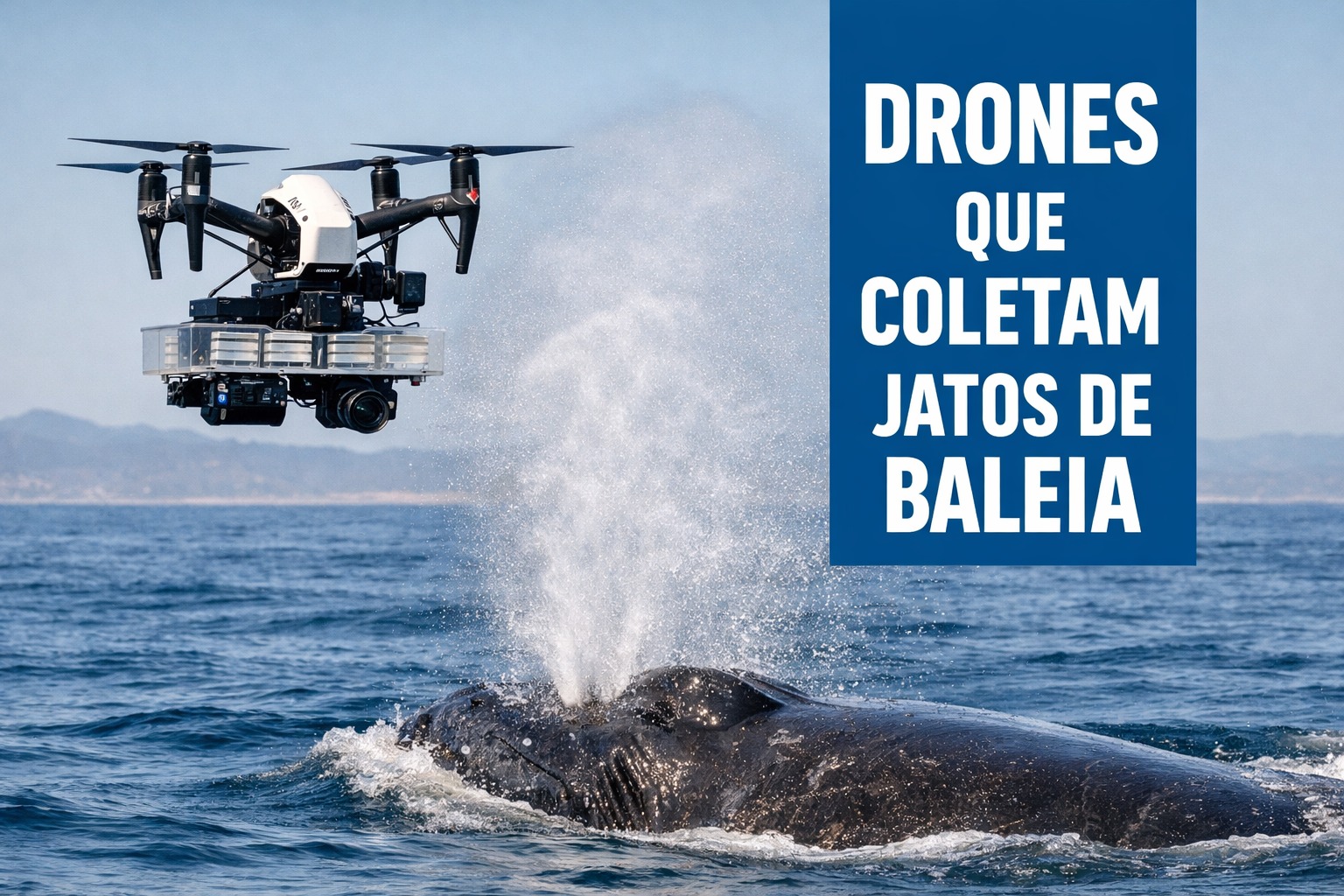
SnotBot Project Uses Drones as Aerial Laboratories to Collect Whale Breath and Reveal Health, Hormones, DNA, and Environmental Threats Without Harming Animals
There is a drone specifically created to “capture” the jet of moist air that whales expel when they surface. Far from being technological curiosity, the initiative has consolidated itself as a scientific tool.
Ocean Alliance named the project SnotBot, in direct reference to the mission of collecting the so-called “mucus” present in whale breath, technically known as exhaled breath condensate.
The proposal draws attention for its simplicity and impact. Instead of capturing, containing, or harming the animals, researchers analyze what the whales themselves naturally release into the air.
-
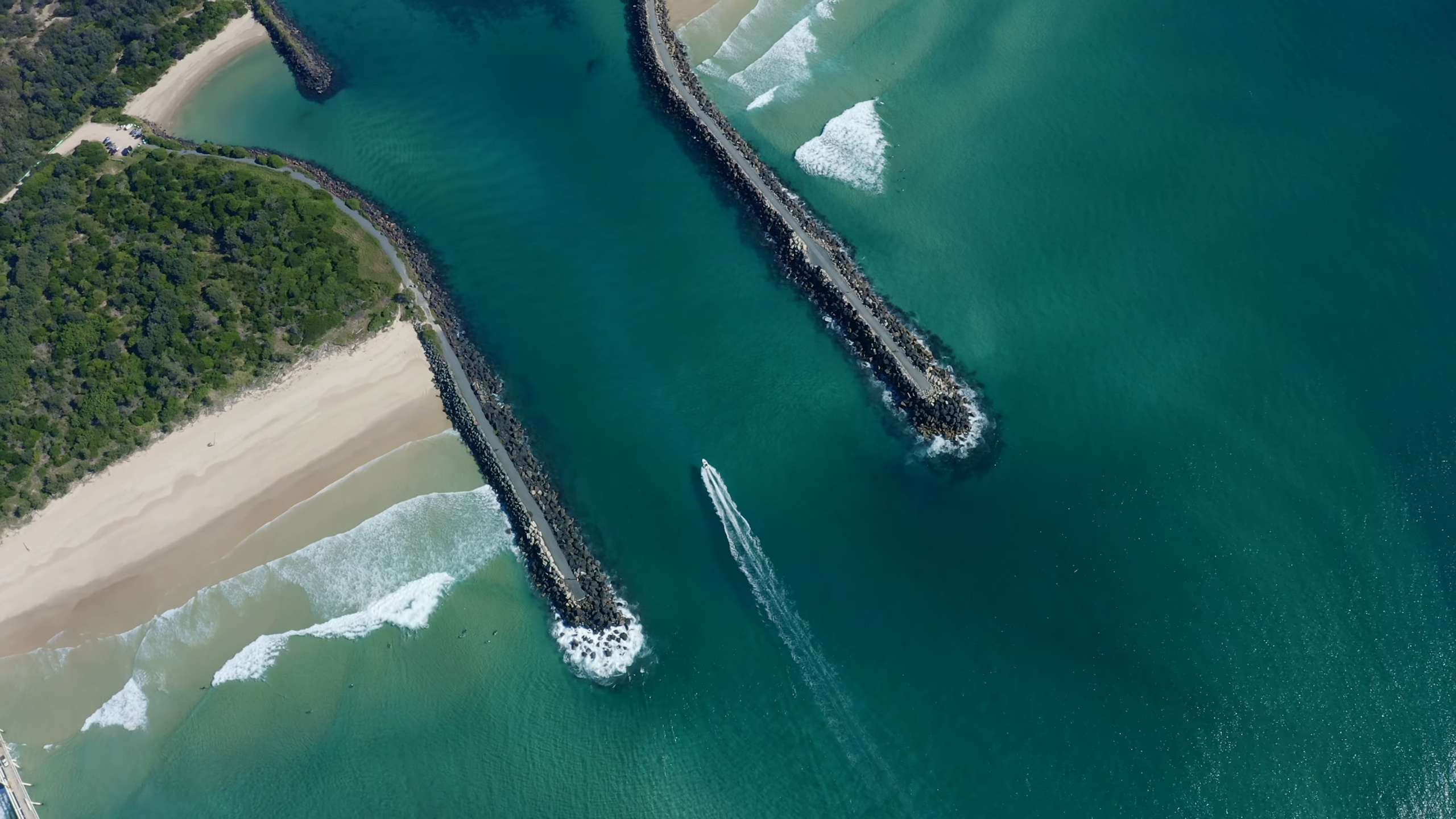
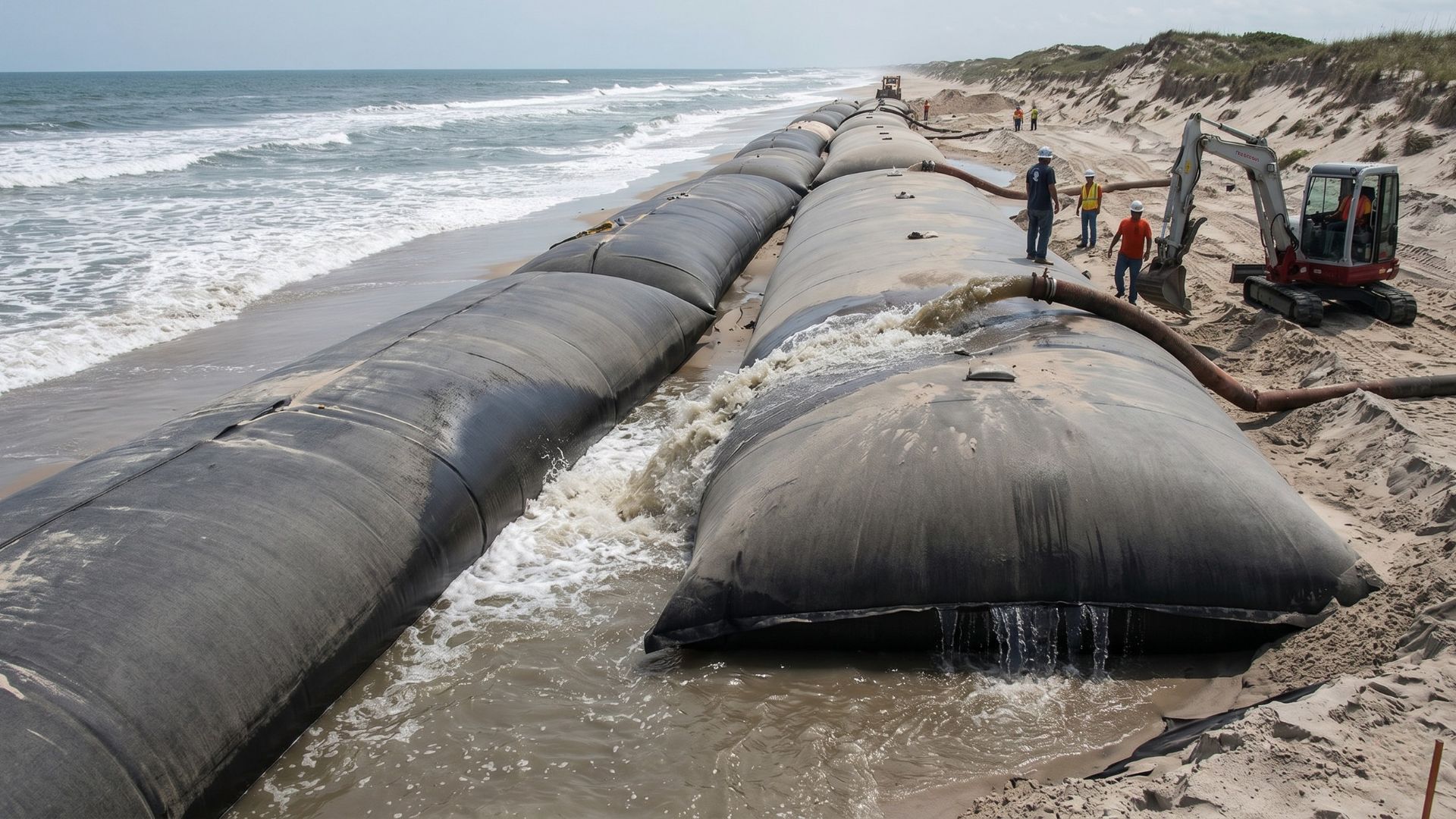
Australia solved the problem of a beach that kept losing sand by building a 494-meter jetty into the ocean with 10 pumps buried at the sea bottom. The system, which pumps 500,000 cubic meters of sand per year through a 6.4 km pipeline under the channel bed, has been in place since 1986 and has no equivalent anywhere else in the world.

-
It seems simple, but it generates electricity: scientists transform ambient humidity into electricity with gelatin and salt, and the generator still works for more than 30 days.

-
Soon, smartphones may be able to “see” objects hidden behind walls with LiDAR.
-
For the first time in France, solar electricity will power metro trains without going through the public grid. The pioneering Rennes project will begin construction in June with 6,000 square meters of solar panels, and users themselves can invest and earn a 5% annual profit.





The Scientific Value Hidden in Breath
Breath is not just water vapor. It carries a mixture of biological and chemical material capable of revealing much about the animal.
Traces of DNA, hormonal information, indicators related to stress and gestation, as well as microbial communities and other compounds are part of this set.
In practice, each exhalation acts as a brief health report. It’s as if the whale leaves an invisible signature every time it breathes at the surface, allowing scientists to obtain relevant data without direct interference.
A Drone Transformed into an Aerial Laboratory
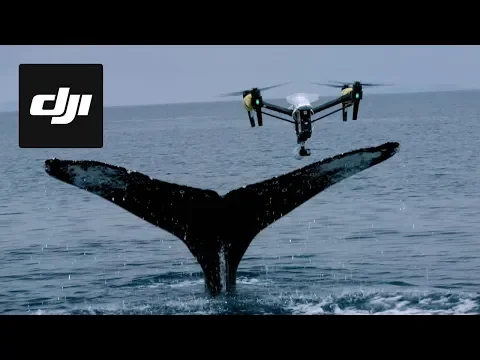
The central idea of SnotBot is to convert a drone into a kind of flying Petri dish. In the configuration popularized by the project, a DJI Inspire 2 is modified to carry small Petri dishes attached to a structure exposed to the airflow.
When the whale emerges and releases the jet, the pilot quickly positions the drone to pass through the “cloud” of breath.
The droplets settle on the plates, which are then stored and taken to the laboratory for genetic, hormonal, and microbiological analyses.
In some phases of the project, the use of Inspire/Inspire 2 models is also mentioned.
Technology Combined with Observation
To increase efficiency, the teams combine flight with video observation and, in certain operations, with thermal cameras.
A report on the platform describes the use of a FLIR thermal camera attached to the drone in Ocean Alliance missions.
This combination helps locate the animals on the surface and estimate the best moment for approach, reducing failed attempts and optimizing each collection.
Comparison with Traditional Methods
Before the adoption of this approach, science heavily relied on approaches with vessels and more invasive techniques.
A common example is skin and fat biopsy, obtained with specific devices.
This procedure requires getting close, hitting the target, and dealing with risks at sea, in addition to the potential to cause stress and alter behavior. Collecting breath with a drone eliminates physical contact.
The boat can remain further away, and the impact on the animal tends to be less.
The gain is also logistical: faster, cheaper, and safer operations, even in remote locations.
Drones to Collect Whale Breath: A Real Line of Research
Although SnotBot is the most well-known case, the technique of collecting breath with drones has expanded.
There are studies describing protocols with minimally modified consumer drones and discussing challenges such as wind, light, distance from the animal, and contamination risk.
This is not an internet trick, but a research area with methodology, limitations, and continuous validation.
Limitations and Necessary Precautions
In the marine environment, wind can carry the breath away, making it difficult to hit the densest area of the jet.
It is also essential to maintain sterile materials and minimize contamination from the crew and the drone itself.
Technical reports and project outreach mention the difficulty in predicting the direction and dispersion of breath and increasing the rate of useful collection.
Conservation as the Final Goal
Ultimately, the focus is on monitoring the health and ecology of whale populations with the least invasion possible.
Measuring signs of stress, reproduction, pathogens, and environmental exposure without harming the animal opens a powerful window for conservation.
These indicators function as a thermometer of the ocean and help identify risk areas, monitor pollution and noise impacts, and guide data-based protection policies.
Even though it may seem futuristic, the idea stems from something simple: listening to what whales are already saying every time they breathe and transforming that breath into knowledge.
With information from Canal Tech and other sources.






-

1 person reacted to this.