






 Portuguese


Three Months After the Case Comes to Light, Cascavel City Hall Uses Pump to Remove Tilapia from Containment Box and Prevents Exotic Species from Reaching the Drainage System, Local Rivers, and Streams
Three months after the presence of tilapia in Cascavel was recorded in a containment box on Avenida das Torres, the City Hall began removing the fish. Technicians are monitoring the draining of approximately 140,000 liters of water to prevent the species from reaching the drainage system, rivers, and streams.
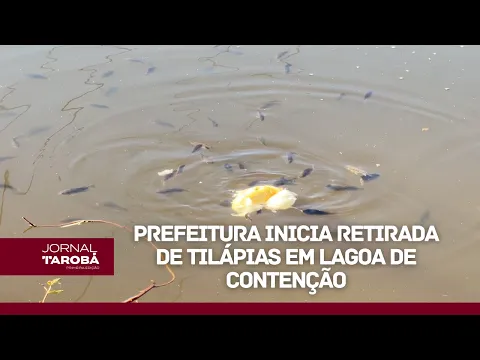

Tilapia in Cascavel Removed from Structure Used to Contain Rainwater
The operation began this week and is being monitored by technicians from the Department of the Environment.
-
Special Snow Trains Confront Snowdrifts Taller than Locomotives with Front Plows, Steel Wings, and Giant Rotors to Clear Buried Railways in Donner Pass after Over 13 Feet of Snow Block Vital U.S. Corridor

-
Two snakes rescued from a circus, a boa constrictor and an albino python, become stars of the world’s largest freshwater aquarium in Campo Grande, roaming the halls of 19,000 square meters with 5 million liters and 239 tanks
-
At 13, Boy Gets R$ 3,500 3D Printer, Leverages World Cup to Create Sticker Boxes, Sells Each for R$ 30 to R$ 50, and Uses Profits to Pay for Design Class

-
Job Offer of Approximately R$ 5,000 in São Paulo Ends in Complaints After Workers Report Two Months Without Pay, 22-Hour Shifts, and Poor Conditions


The operation requires care because the animals were found in a structure directly related to the drainage system.
Although the location may resemble a small pond, it is a containment box built to hold large amounts of water during rainy periods.
It was within this space that the tilapia found conditions to survive. The situation was reported by Tarobá in May and has since been monitored by the responsible agencies.
To facilitate the removal of the animals, a pump is being used to drain the water. It is estimated that approximately 140,000 liters of water are accumulated in the structure.

Source of the 140,000 Liters Will Also Be Analyzed
In addition to the presence of the fish, the volume of water drew the attention of the technicians involved in the work.
The evaluation is that not all the water accumulated necessarily came to the box solely because of the rain. This possibility will be analyzed during the work being carried out on site.
With the level of the structure being reduced, the teams can control the removal of the tilapia while simultaneously assessing the conditions of the area.

Risk of fish entering rivers and streams
The main environmental concern is to prevent the tilapia from escaping the containment box and entering the drainage system.
Tilapia is an exotic species, and its arrival in the rivers and streams of the region could lead to environmental impacts, including competition with native species and alterations in the ecosystem balance.
For this reason, tilapia in Cascavel must be removed in a controlled manner and under the supervision of the responsible teams.
The captured animals will not be discarded. The plan is to send them to a partnering pond where they can remain under suitable conditions.
City still trying to discover how the fish got there
Even with the removal underway, one of the main questions in the case remains unanswered: how did the tilapia end up in the containment box.
So far, there has been no confirmation on who placed the animals in the space or how they arrived at the structure.
In addition to completing the removal, technicians must assess the area and investigate the source of the accumulated water, seeking to prevent the fish from reaching the drainage system and waterways in the region.
This report was prepared based on information from Tarobá, with data, numbers and details preserved as per the consulted material.


