





 Portuguese
  English
  Spanish
  4 min of reading
  0 comments


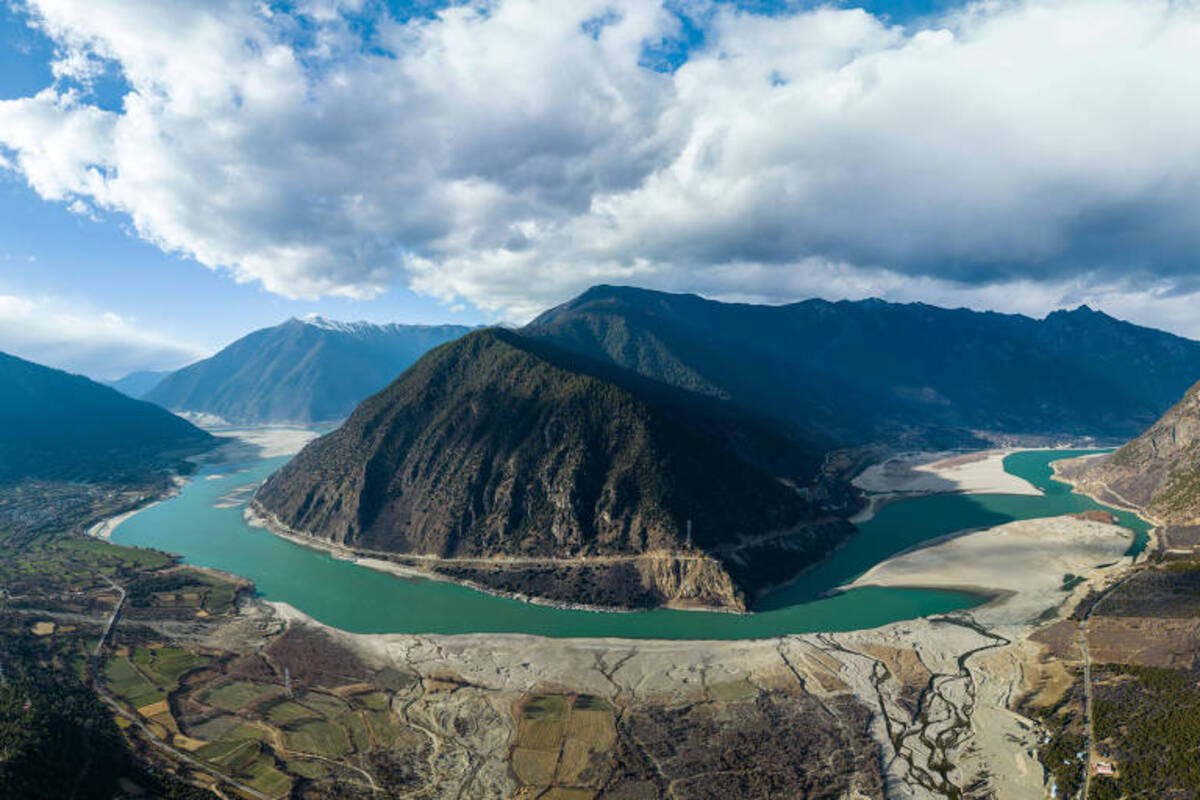
China Begins Construction of the World’s Largest Dam and Concerns India and Bangladesh. Concerns Over Rivers, Communities, and the Environment.
China has begun construction of the world’s largest hydropower dam last Saturday (19), on the Yarlung Tsangpo River, located in Tibet.
The billion-dollar project, led by Chinese Prime Minister Li Qiang, is already causing strong reactions in India and Bangladesh.
The reason: the potential environmental and social impacts that the structure may generate downstream, especially on the Siang, Brahmaputra, and Jamuna rivers.
-
With a water crisis on the radar, Sabesp invests in reclaimed water for data centers and transforms sewage treatment into a solution that saves millions of liters and protects public supply.

-
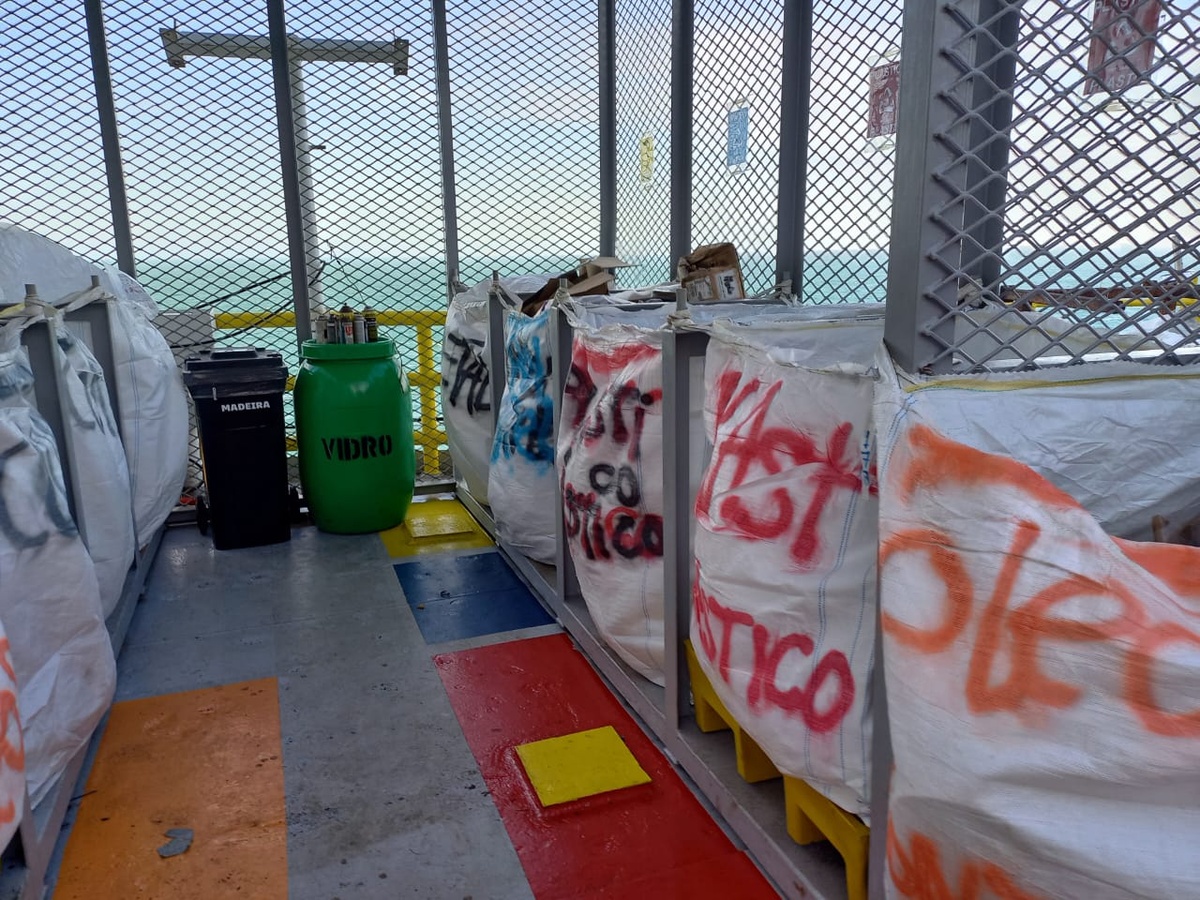
Foresea achieves 100% offshore waste reuse in 2025, eliminates landfill disposal, and consolidates sustainable strategy with 1,500 tons recycled.
-
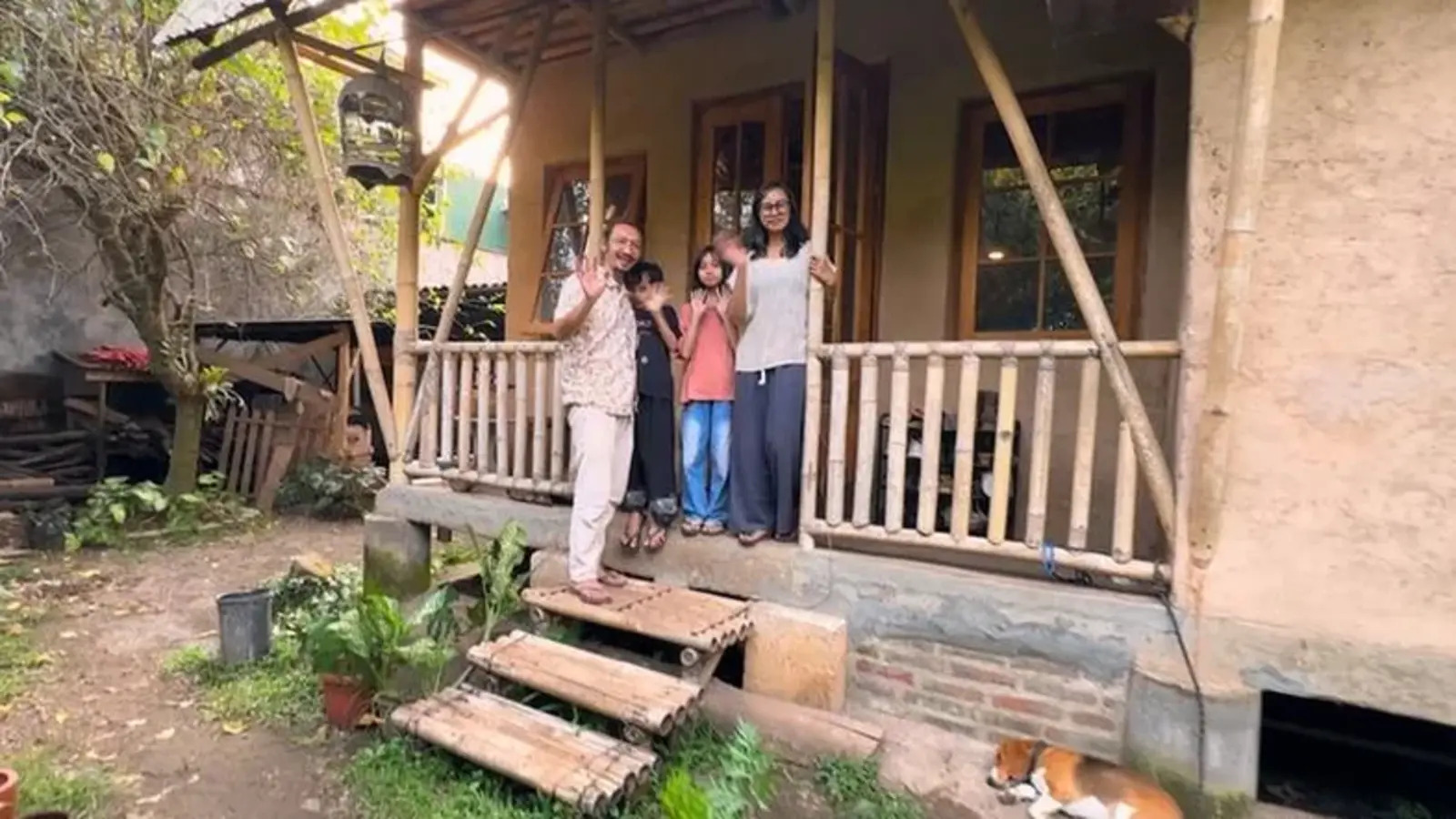
With earth, bamboo, straw, and lime mortar, a specialist builds a house for just over $460 and draws attention for its cost being much lower than traditional construction.
-
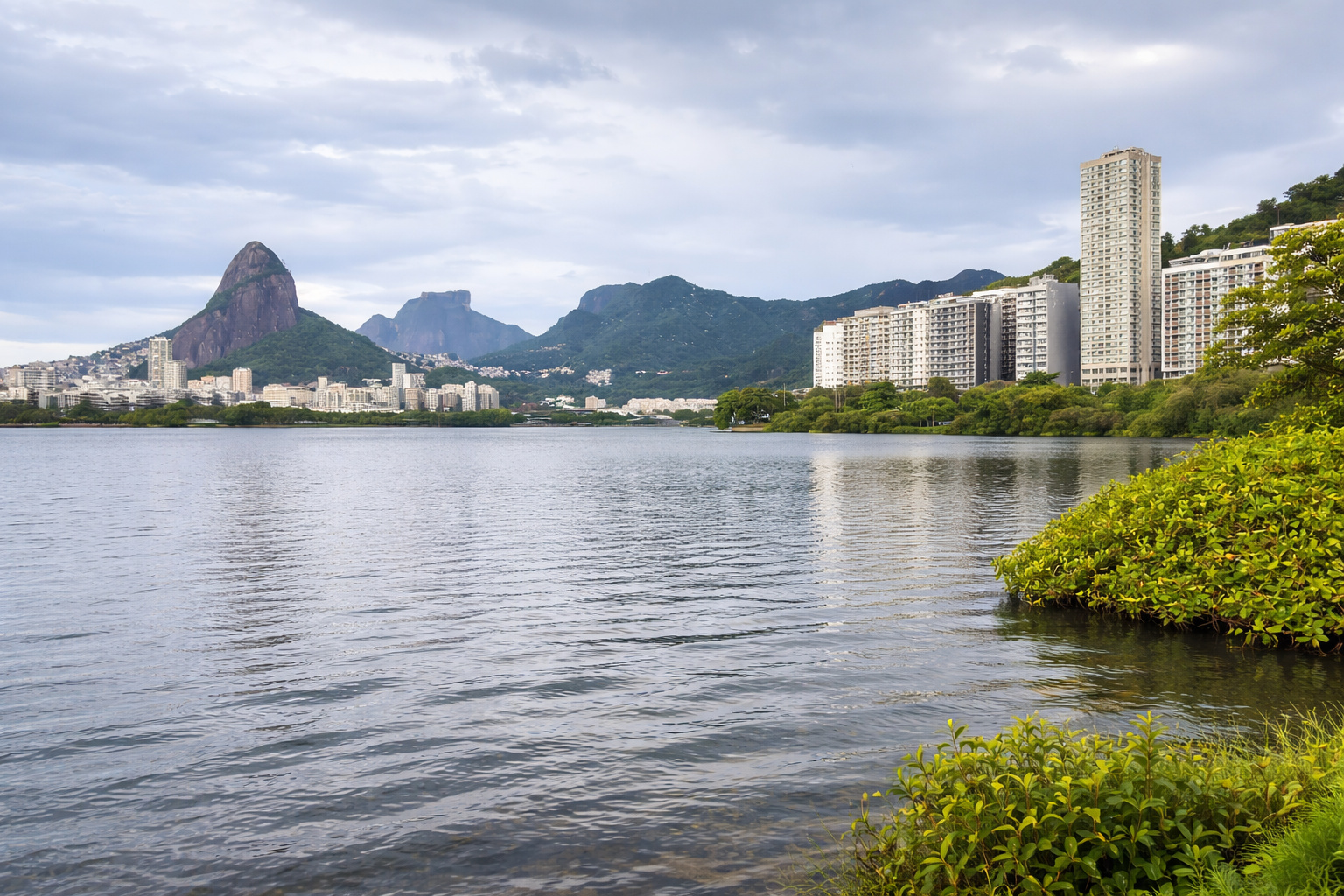
Rodrigo de Freitas Lagoon advances in environmental recovery with sanitation, elimination of irregular sewage, and the resumption of water sports in Rio de Janeiro.

The venture, called the Motuo Hydropower Station, will surpass the famous Three Gorges Dam in energy generation capacity. Despite promises of development and clean energy, Indian authorities fear that the project could compromise the water flow of entire regions and pose risks to local populations.
The initiative, according to the Chinese government, has an estimated cost of 1.2 trillion yuan — equivalent to approximately R$ 928 billion.
How Does the Chinese Dam Affect India and Bangladesh?
The Yarlung Tsangpo River originates in the Tibetan plateau and flows southward, entering the territory of India, where it becomes known as the Siang River and later as the Brahmaputra. Further downstream, in Bangladesh, it flows into the Jamuna.
With the construction of the Chinese dam, authorities in the downstream countries fear that China will gain control over the flow of these rivers, possibly even diverting or retaining the water.
A report from the Australian think tank Lowy Institute already warned in 2020 that “control over these rivers effectively gives China a stranglehold over India’s economy.”
Indian Authorities Express Concerns About the Dam
The Chief Minister of Arunachal Pradesh, Pema Khandu, recently warned that the completion of the Chinese dam could cause a significant depletion of the Siang and Brahmaputra rivers.
He stated that this action could represent “an existential threat to our tribes and livelihoods.”
He highlighted the potential impact on tribes such as the Adi, who live near the river. The concern is that a sudden release of water, either accidental or strategic, could cause devastating floods.
Diplomatic Response and Precautionary Measures
In light of the project’s progress, the Ministry of External Affairs of India has already informed China of its concerns regarding the impacts of the dam.
New Delhi advocates for greater transparency and dialogue with the downstream countries, in addition to requesting that the interests of the affected regions be respected.
As a measure of defense, the Indian government also intends to build its own dam on the Siang River. The idea is to mitigate the effects of a potential sudden release of water coming from Tibet and control the risk of flooding in Indian territory.
China Justifies Dam as Part of Energy Policy
For China, the construction of the Motuo Hydropower Station is part of a strategic plan for generating and distributing clean energy.
The project is integrated into the “xidiandongsong” policy (sending electricity from the west to the east), promoted by President Xi Jinping. According to state media, the energy generated by the dam will be transmitted outside Tibet, but will also supply the local region.
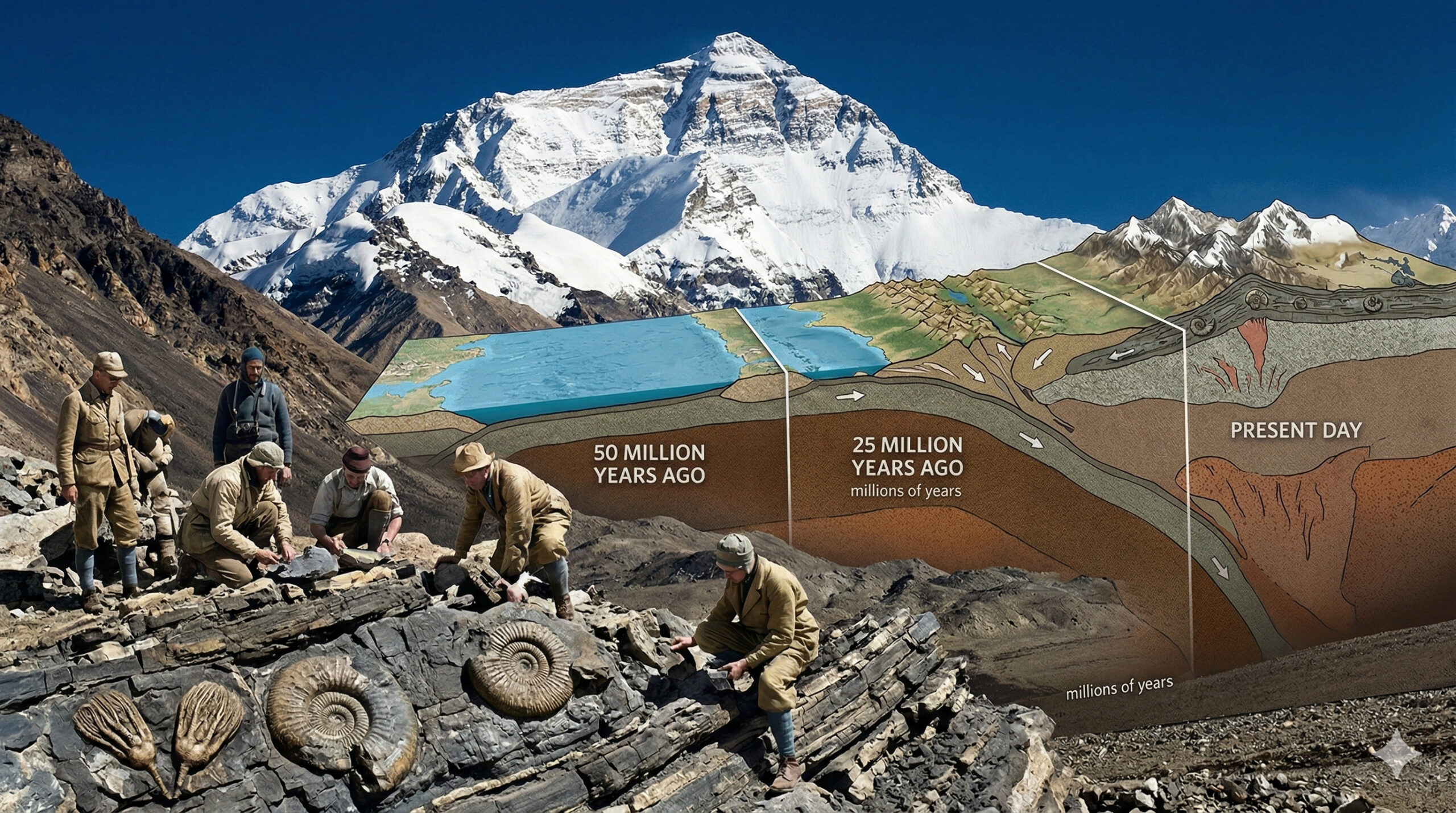
Located in one of the deepest and steepest sections of the world, the Yarlung Tsangpo River makes a sharp bend known as “the Great Bend,” where there is great potential for energy generation.
The engineering of the project involves the construction of 20 km tunnels through the Namcha Barwa mountain to divert part of the river and build five cascading power plants.
Environmental and Social Impacts Worry Activists
Although the Chinese government defends the project as ecological, activists and environmental groups point out serious risks.
Among them are the threat to the biodiversity of the Tibetan valleys, the possibility of flooding, and the seismic instability of the region, rich in geological faults.
Additionally, Tibetan communities are also being affected. According to previous reports, hundreds of Tibetans were detained during protests against the construction of other dams in the region.
Reports of arbitrary arrests and police violence have been recorded by human rights organizations.
Bangladesh Also Seeks Clarifications on the Project
Another country that may be affected by the construction of the Chinese dam is Bangladesh. Bengali authorities sent an official letter to Beijing in February this year, requesting more details about the project and its possible effects on Bangladeshi territory.
Since the Jamuna River is one of the main tributaries in the country, control over its flow could have direct impacts on the agriculture, supply, and water security of millions of people.







-

Uma pessoa reagiu a isso.