





 Portuguese
  English
  Spanish
  3 min of reading
  2 comments


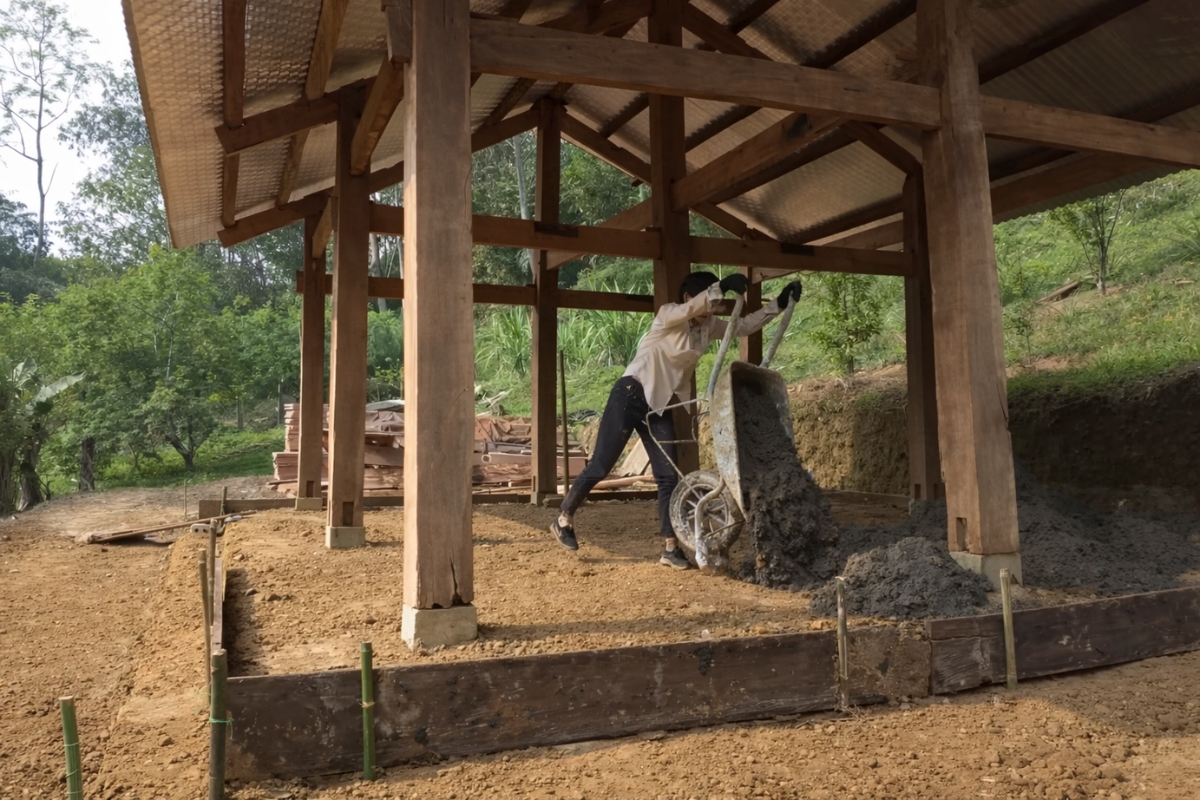


Transformation Brings Together Housing, Cultivation, and Manual Labor in One Place and Shows How 120 Days Can Completely Change a Forgotten Space
The creation of 1 self-sufficient village in 120 days shows how an abandoned house can gain a new purpose with planning and manual labor. The space began to combine housing, productive areas, and support structures in an environment integrated with the natural landscape.
The impact goes beyond physical renovation. The initiative demonstrates how the conscious use of local resources and the reduction of external dependencies allow for the structuring of a simpler, more functional routine connected to the surroundings.
The proposal attracts attention for combining autonomy, reuse, and practical organization of space. Each area was designed to meet real daily needs, without excess and with a focus on efficiency.
-
These are the drivers who may stop paying tolls on highways in a project that promises to reduce costs for those who live from transportation in Brazil.

-
(Video): Italian pilot lands plane on moving train at 120 km/h and achieves unprecedented feat in aviation, even with a narrow runway and without direct visual contact.
-
It seems to have come out of a science fiction movie: A Brazilian city where it rains almost every day, recording over 4,000 mm per year, driven by climatic factors — a direct result of its strategic location in the Amazon.
-
The water crisis that could change everything this year has already begun; it’s not just about the climate, it affects technology, raises product prices, and can halt entire companies without warning.


Why an Abandoned House Was Able to Become a Village in Just 120 Days

The starting point was a forgotten building, with worn walls and an undefined plot of land. The decision was made to recover the existing structure, avoiding demolition and reducing environmental impact from the beginning of the process.
Over the course of 120 days of work, the site underwent cleaning, structural reinforcement, and reorganization of the land. The goal was not only to restore but to create an environment capable of functioning independently.
This choice accelerated the transformation and allowed for adapting the space to the conditions of the location. Each intervention focused on practicality, prioritizing functionality and integration between the areas.
Intense Manual Labor Allowed for Total Adaptation of the Space
Most of the tasks were carried out almost individually over four months. Manual work allowed for constant adjustments and customized solutions, without relying on industrialized processes.
The reuse of what already existed reduced the need for new materials. Structures were reinforced, areas redefined, and the land gained clear functions, facilitating daily routines.
This approach helped to transform the space into a unique system. Housing, workshop, cultivation, and rest began to function in an integrated manner.
Self-Sufficiency Reduces Dependency on External Networks

The village was planned to operate with minimal external services. The central idea is to reduce dependency on traditional networks, prioritizing simple solutions adapted to the rural environment.
The organization of the space favors this logic. Cultivation areas close to the house, storage locations, and support structures allow for more efficient daily operations.
This configuration contributes to a routine less tied to the city. The focus is on autonomy, simplicity, and intelligent use of resources available on-site.
Bamboo and Local Soil Replace Conventional Materials
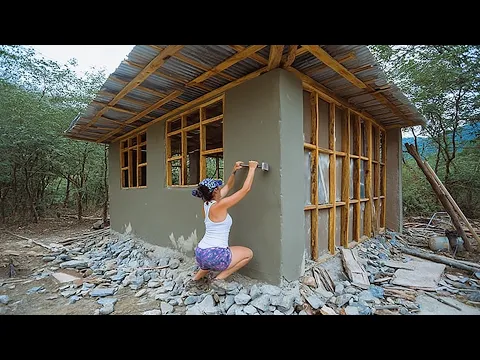
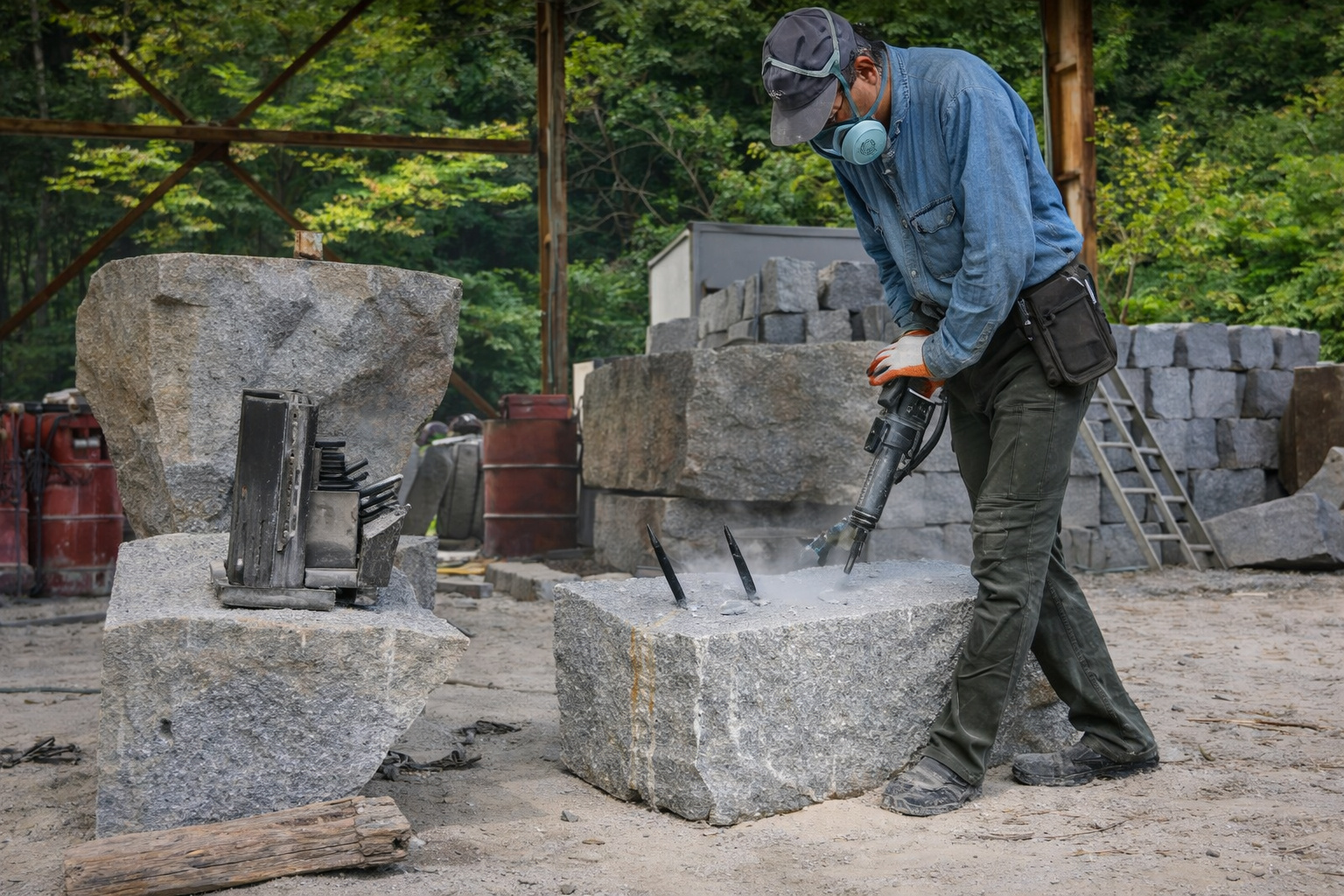
The use of bamboo and earth is one of the most striking points of the construction. The bamboo was treated and shaped to form beams, fences, and supports, offering strength and low cost.
The soil from the site itself was used in creating walls, foundations, and coatings. This choice reduced material waste and maintained a rustic appearance aligned with the natural environment.
The combination of concrete only in essential parts and natural materials in other elements resulted in a functional structure visually integrated into the surroundings.

With the village now fully operational, the construction of a pool changed the perception of the space. More than just leisure, it marks the end of the heaviest phase of manual work.
Set among the mountains, the pool created a rest area that contrasts with the rusticity of the other structures. The space now represents a balance between effort and pause.
This element reinforces the idea of reward after months of continuous dedication, without losing integration with the natural landscape.
The transformation shows that it is possible to create a complete environment from a forgotten space, as long as there is planning and clarity of objectives. The result combines housing, production, and rest into a functional system.
The project inspires those seeking simpler and more organized life alternatives. With practical choices and conscious use of resources, autonomy becomes viable even outside traditional housing models.




Ser humano é inteligente, é ser pensante, é colaborador da natureza quando têm idéias e coloca em prática. Podemos fazer a diferença sempre, é só querer. Parabéns pela iniciativa e atitude positiva.
Sempre a sinais , Deus colocou os que ele sabia que o feito estaria pronto em seis dias .
Vc pensa que ela está acabando ela já está em outro projeto
Não é dessa terra é espiritual governanta do céu Severina