





 English
  Francês
  Alemão
  Italiano
  Japonês
  Norueguês
  Portuguese
  Spanish
 3 min of reading


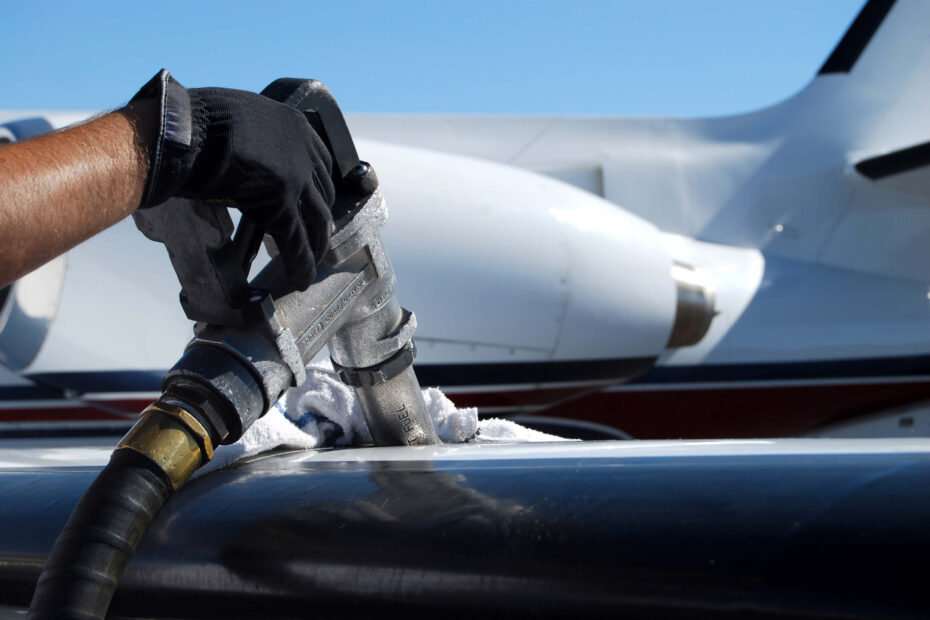
Around the World, Awareness of the Air Transport Industry Is Growing, Mainly in Terms of Reducing Environmental Impacts. Belonging to the Chain of More Sustainable Tourism, the Sustainable Aviation Fuel Method Known as SAF (Acronym for Sustainable Aviation Fuel) Has Been Distributed to the Air Category by 100% Electric Refueling Trucks.
The novelty is already a reality in some French airports, such as those in Toulon Hyèrs, Clermont-Ferrand Auvergne, and Grenoble Alpes Isère, but it is already spreading around the world, being available for commercial and executive aviation companies based at airports already in the United States. It is worth noting that sustainable fuel and biofuel are different terms, as the latter has harmful potential for food production and water pollution, while the former reduces environmental impact for flights, ground, and air.
Its formula contains only 30% conventional kerosene and is distributed electrically through propulsion. With a life cycle compared to that of fossil fuels, SAF contains used cooking oil, utilizing biological raw materials, but it can also use synthetic raw materials, such as carbon dioxide or other gases found in the air.
For aviation companies, whether commercial or executive, the benefits are many. One of them is the reduction of landing fees, as those that emit less carbon dioxide are considered efficient fleets. Decarbonization reaches Scope 3 in companies that use sustainable aviation fuel, representing approximately 80% reduction when analyzing the life cycle of the two fuels, traditional and sustainable. Thus, the reduction of greenhouse gas emissions represents the biggest benefit among them, as environmental protection agencies have already identified an improvement in air quality, both at the airports using the technology and across the planet.
-
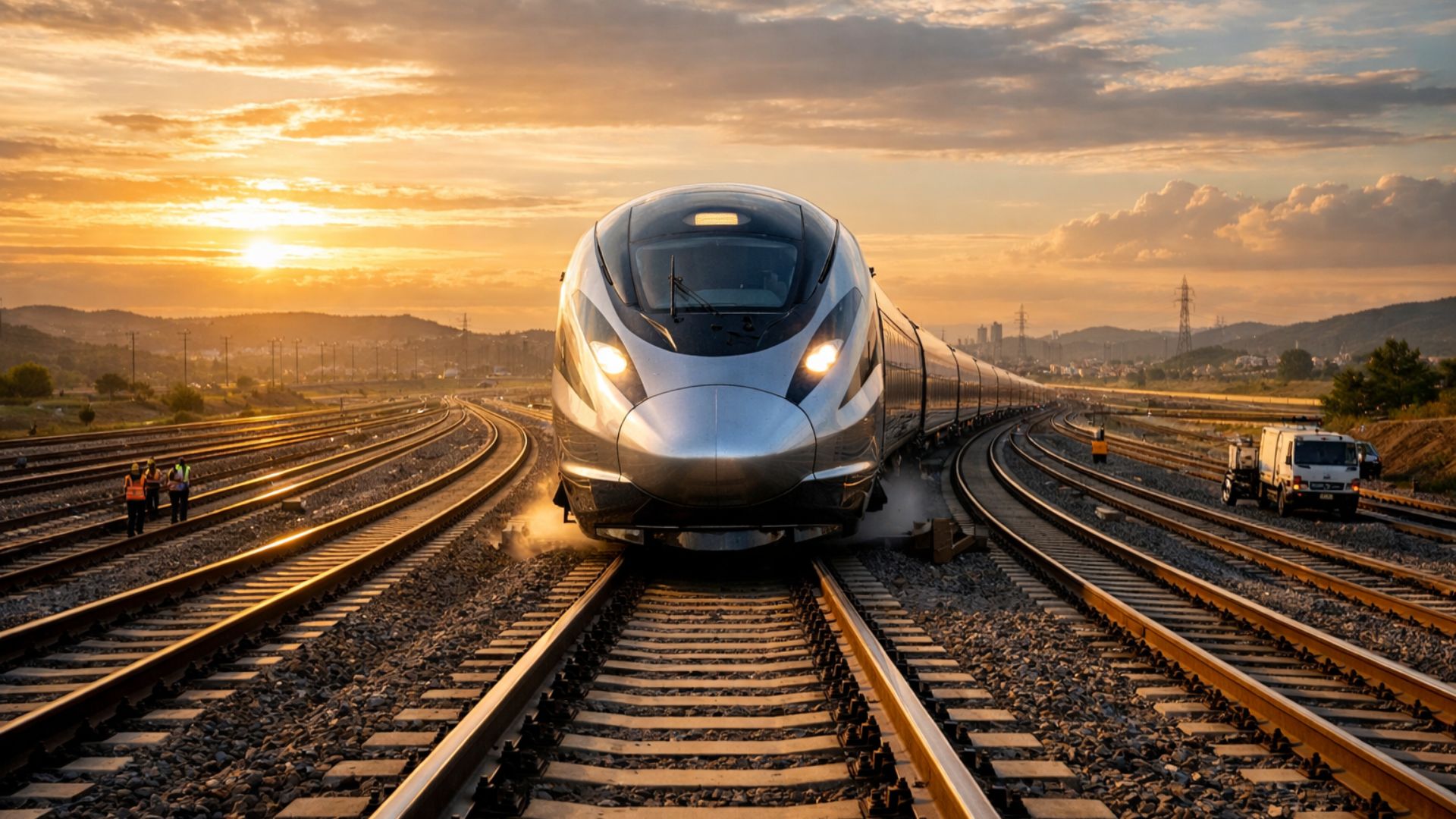
São Paulo surprises the world with a colossal railway network project that promises over 1,000 km of tracks, R$ 194 billion in investments, and 40 projects connecting the capital to the interior with fast and sustainable trains.
-
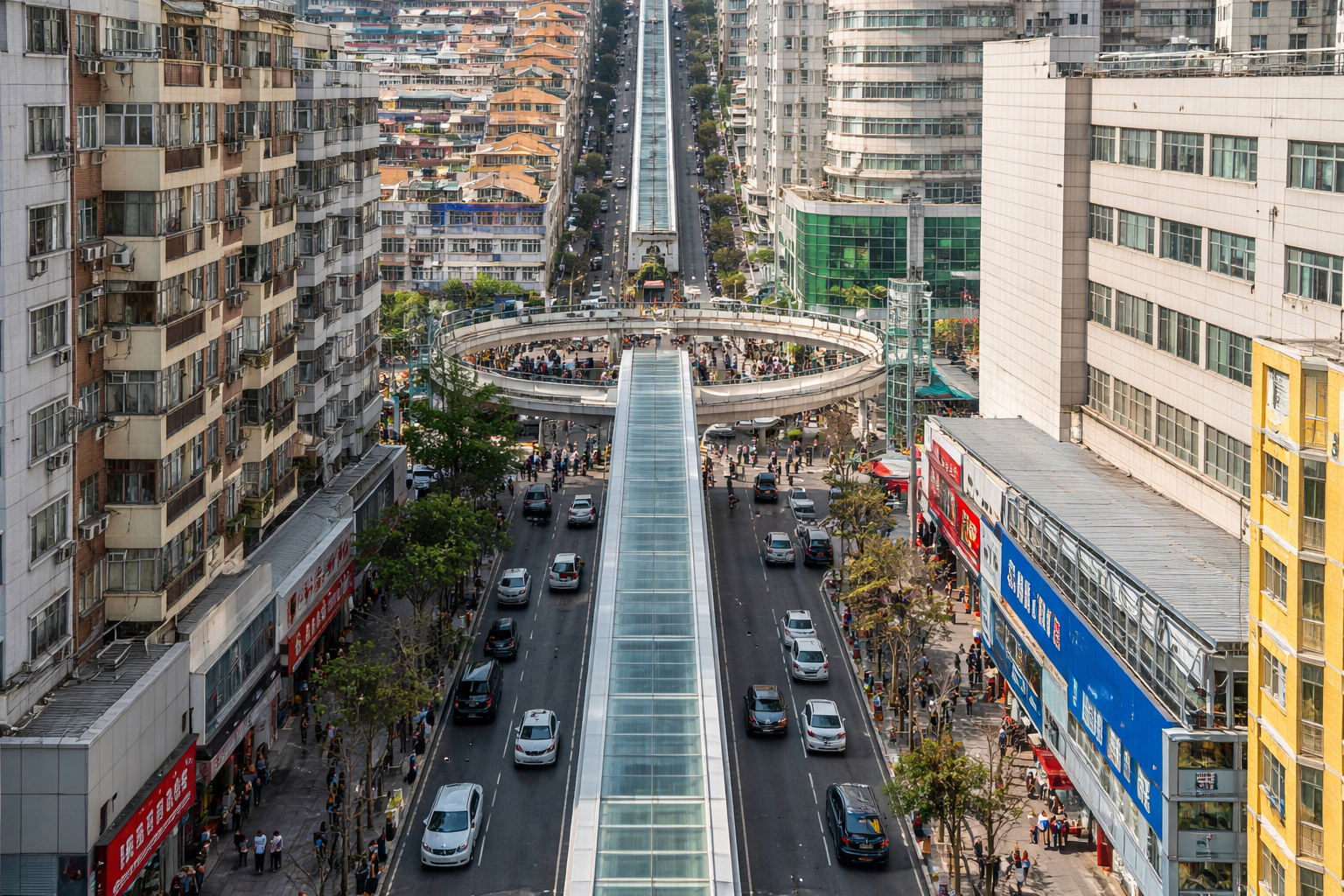
The world’s largest escalator, measuring 905 meters in China, reduces urban travel time from 1 hour to about 20 minutes and transforms mobility in mountainous regions with an engineering solution adapted to the terrain.
-
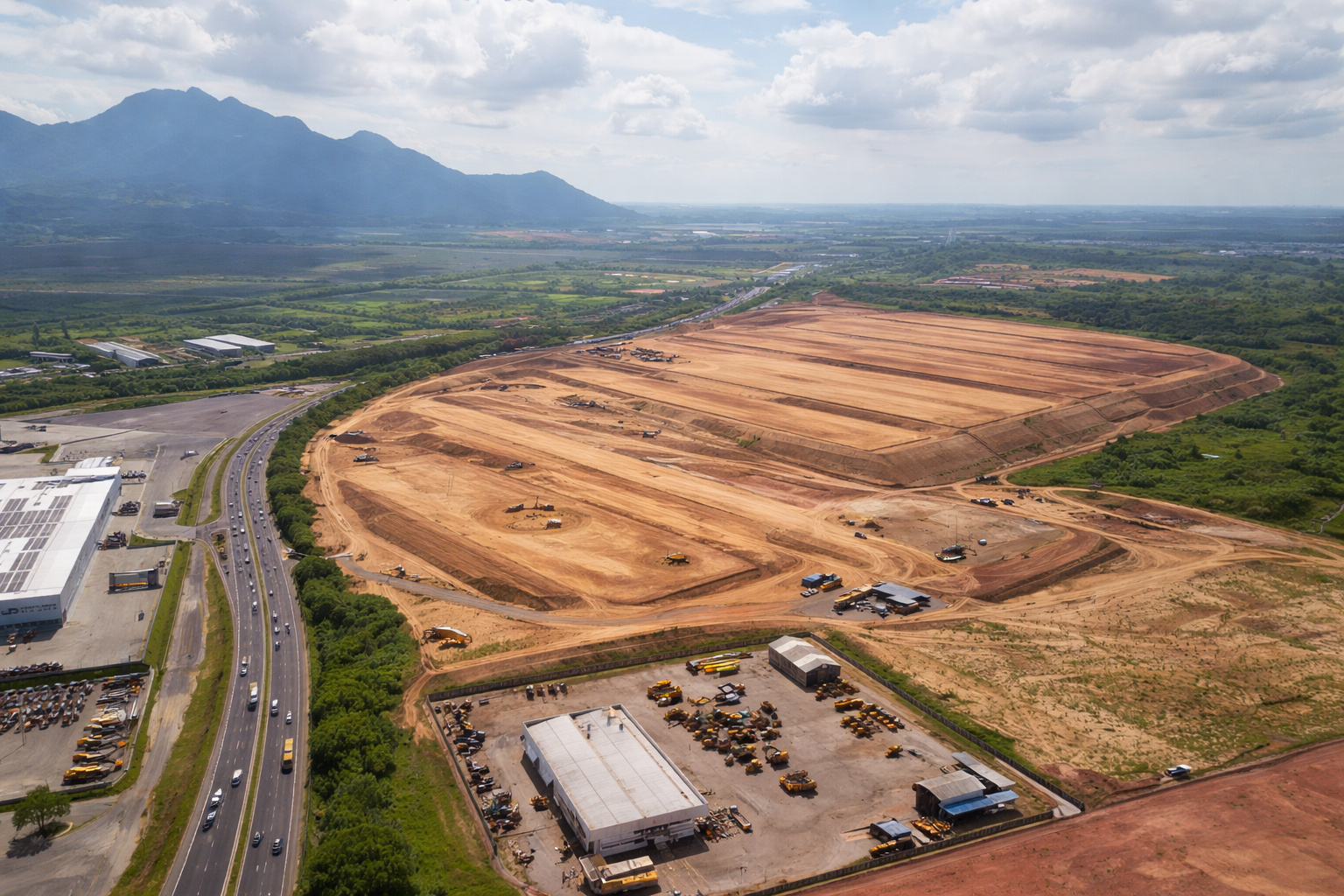
A R$ 300 million logistics giant is taking shape in Serra with over 100,000 m² and raises a question: how can this transform e-commerce and distribution in the state?
-
Could Uber Rides Lose Minimum Fare? Understand What’s Happening!


The novelty also amplifies the positive impacts for those who choose to use sustainable aviation fuel and seeks the decarbonization of air transport. Such savings allow the market not to be so dependent on the fluctuations of aviation fuel prices, and there is recycling of materials that would be discarded in landfills or incinerated, worsening air quality. The entire market benefits from the novelty, as it provides greater competitiveness for the industry, allowing more flights for the middle classes and more affordable travel for those seeking leisure.
It translates to an industry concerned about climate issues, through the drastic reduction of greenhouse gas emissions greenhouse gases. Aircraft using SAF can be lighter and require less fuel, and do not need to make any adaptations to the aircraft structure for that. And the market has already understood that its use, even for long distances, is a matter of investment, as it promotes cleaner local and global air, with better quality, and promotes the reduction of natural resource depletion. Sustainable aviation fuels are highly safe for passengers and have undergone rigorous tests by engine manufacturers worldwide.







Seja o primeiro a reagir!