





 Portuguese
  English
  Spanish
  4 min of reading
  6 comments




Measure Divides The Industry: Traditional Automakers Protest While BYD Benefits From Temporary Exemption For Local Assembly
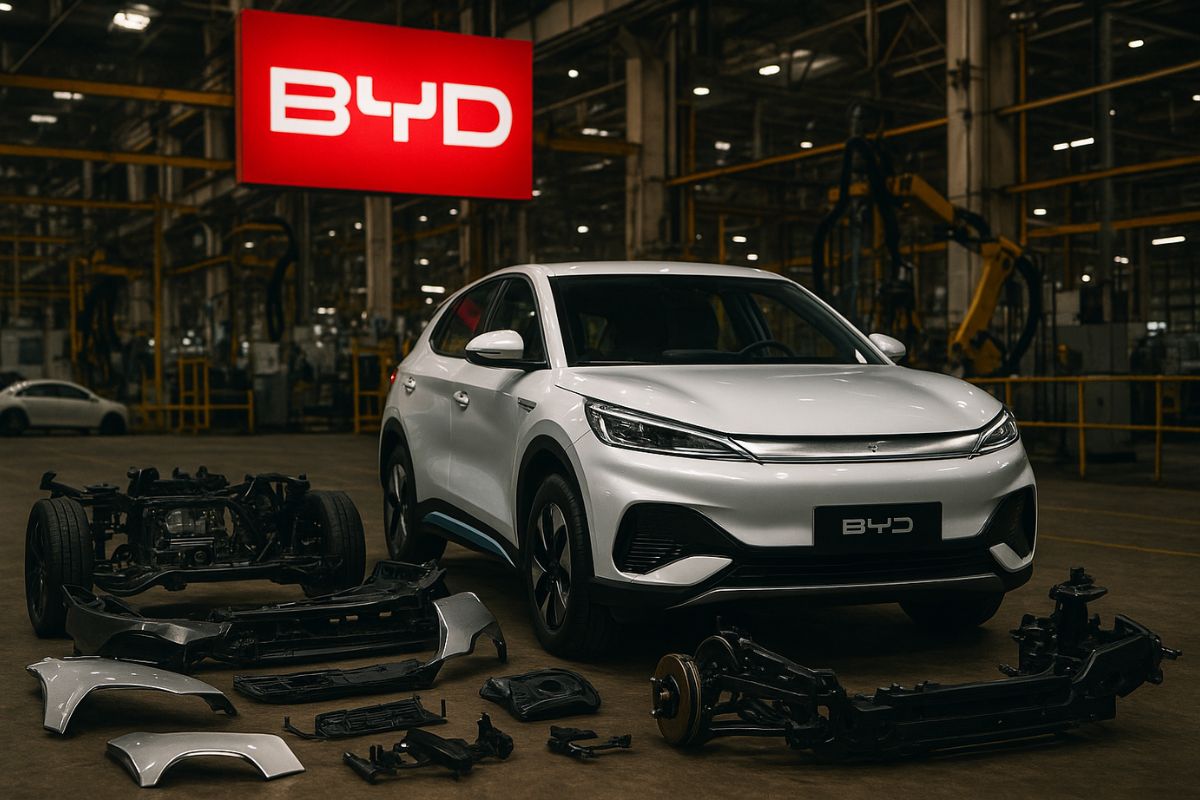
The federal government decided to advance the increase in import tax for electric and hybrid cars, but at the same time, granted total exemption for six months for disassembled cars — the so-called CKD or SKD vehicles. The measure directly affects the plans of the Chinese automaker BYD and reignites a public dispute with traditional manufacturers based in Brazil.
The announcement was made on Wednesday (30) by the Executive Management Committee of the Foreign Trade Chamber (Camex), an agency tied to the Ministry of Development, Industry and Trade, led by Geraldo Alckmin. The change advances the return of the full tax rate of 35% for electrified cars to January 2026, but grants tax-free quotas for the importation of disassembled kits during the second half of 2025.
Who Benefits From The Temporary Exemption For Disassembled Cars
The exemption directly benefits BYD, which will open its factory in Camaçari (BA) using the partial assembly (SKD) model, in which parts arrive from China and are assembled locally. The incentive allows the company to start operations with zero import tax on kits, reducing logistics and tax costs at this initial stage.
-
The government is considering a temporary subsidy for cooking gas following the spike in oil prices due to the war in Iran and warns about the impact of 20% of imports on the prices paid by families.

-
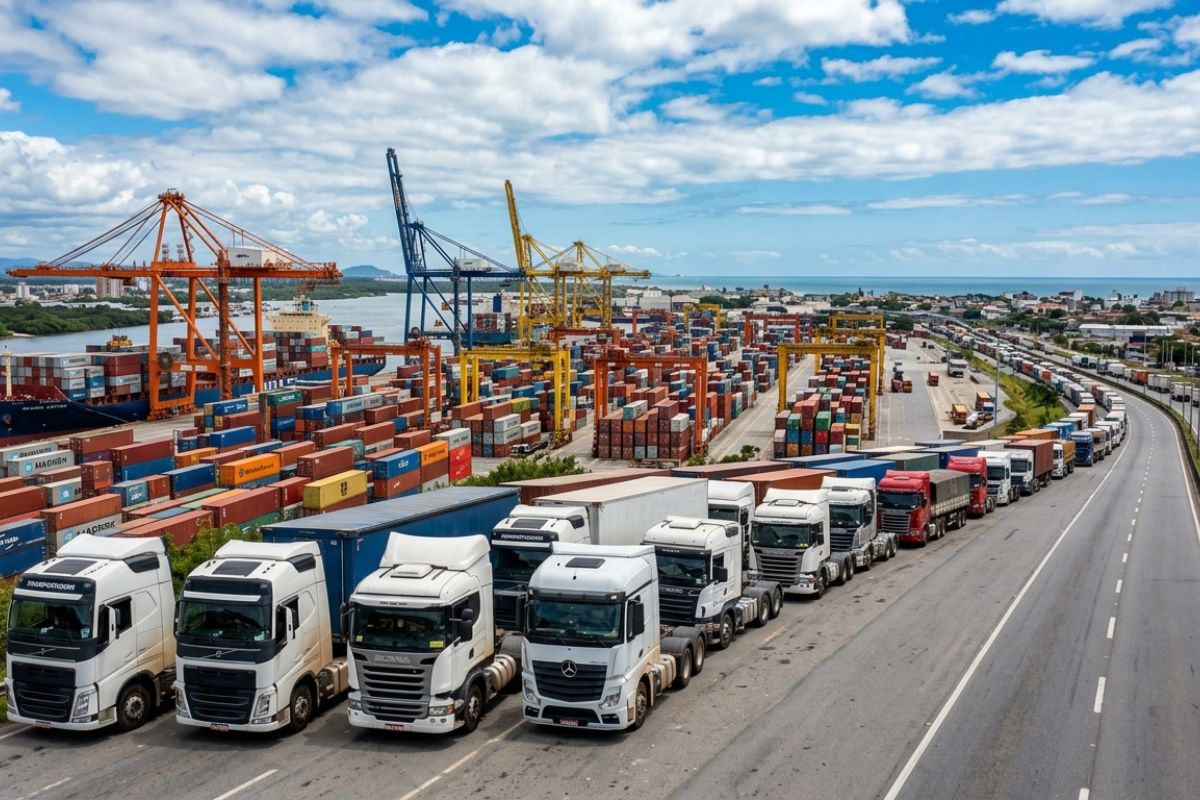
The lack of truck drivers in the country is already halting shipments and threatening deadlines: 88% of transport companies are unable to hire, with an average of eight trucks idle, and the port complex of Itajaí is now feeling the impact.
-
Petrobras is about to transform a forgotten city in the far north of Brazil into the capital of oil: Oiapoque is already feeling the effects even before the first drop of oil comes out from the seabed.

-
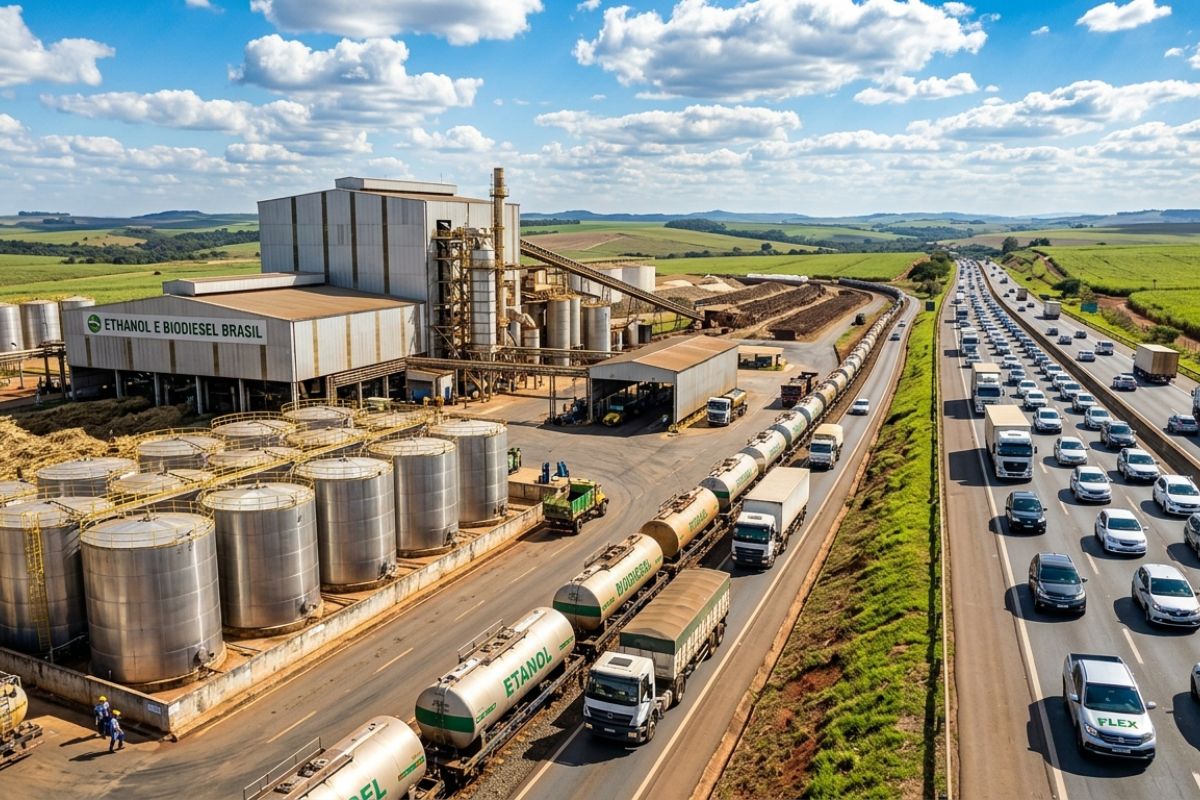
The Economist says that Brazil has a secret weapon in the oil war during this crisis: ethanol, biodiesel, and flex-fuel vehicles. With Petrobras holding costs, fuel prices are rising 10% to 20% here, compared to 30% to 40% in the USA.

BYD had requested a reduction of the tariff from 20% to 10%, but the government went further: temporarily eliminated the tax for disassembled cars, which represents, according to Camex, a strategic exception with a defined timeline. The measure is valid for six months, with a cap of US$ 463 million in imports.
How Much And When Will The Tax Increase For Electric Cars
The Import Tax for electrified vehicles was already in a gradual reintegration process. Currently, it is at 25% for pure electrics, 28% for plug-in hybrids, and 30% for conventional hybrids. The new decision advances the return of the full rate of 35% to January 2026 — one and a half years earlier than previously expected.
This was a direct demand from Anfavea (National Association of Motor Vehicle Manufacturers), which had been pressuring the government to curb the advance of Chinese brands, especially BYD, which has been rapidly growing in electric sales in the country.
Where Is The Conflict Between Automakers And The Government
The measure was considered a middle ground: it meets Anfavea’s request by advancing the total taxation for electrified vehicles, but also pleases BYD by allowing the entry of disassembled kits with exemption. The result: dissatisfaction from both sides and a public exchange of letters and accusations between industry giants.
In a letter sent to President Lula, the CEOs of Volkswagen, Stellantis, Toyota, and GM state that the exemption for disassembled cars “breaks the equity” and threatens the generation of skilled jobs in the country. They argue that the practice weakens the national production chain, as SKD assembly creates 2 to 3 indirect jobs for each direct job, compared to 10 in factories with complete production, according to data from Anfavea itself.
What BYD Says About Attacks From Competitors
BYD’s response was stern. In an open letter to the press, the Chinese automaker classified its competitors as “obsolete” and said they “freak out like dinosaurs in front of a meteor,” in a direct metaphor about the transformation brought by electric vehicles. BYD accused traditional automakers of delivering expensive, outdated products with little innovative design, and asserted that its presence represents an inevitable technological advancement.
Is It Worth Incentivizing Disassembled Cars In Brazil?
The use of SKD or CKD as an initial stage is common in industrial implementations, but the risk is transforming this model into a permanent standard, without real incentives for the nationalization of components and the generation of local jobs. The Brazilian Association of Automotive Engineers (AEA) expressed concern about this approach, stating that it does not contribute to the training of qualified labor and does not meet the tripod of economic, social, and environmental sustainability.
Do you think it is fair to exempt disassembled cars while the tax on electric cars rises? Does this encourage or weaken the national industry? Leave your opinion in the comments — we want to hear from those closely following this sector.







As montadoras estrangeiras que já estão no Brasil não estão preocupadas com o consumidor ou com empregos, elas estão preocupadas em sobreviver e a manter seus lucros abusivos oferecendo carros com baixa tecnologia e com poucos recursos tecnológicos, vejam, cobram por acessórios e elevam os carros mais completos a nível Premium.
Esse ano eu adquiri um veículo elétrico da BYD, já fiz uma viagem do sudeste para o nordeste e não tive nenhum problema para carregar meu veículo em eletropostos na estrada. Meu carro é super econômico, baixa manutenção e sua tecnologia é muito superior aos carros mais completos a combustão no Brasil.
As atuais montadoras ficaram para trás, já perceberam de forma tardia que não possuem tempo para se readequarem e competir com os carros da BYD.
Vejo que manter a isenção para veículos CKD é necessária e ajuda o consumidor brasileiro, essa isenção deve ser temporária, até que a BYD possa mudar seu regime de CKD para SKD.
Ainda, a maioria dos consumidores ainda não conhecem e ainda tem resistência a aquisição dos veículos elétricos e híbridos, mas isso é temporário, a eletrificação veio para ficar.
Vendo primeiramente a resposta da BYD contra as suas concorrentes, estou de acordo. Venho fazendo uma economia pra comprar o meu carro nacional e não tem jeito de acompanhar os valores por eles cobrados. Não tem mais o carro popular e os que nos oferecem são caros e pelados. Só uma montueira de plástico. Essas respostas que os concorrentes estão dando a essas empresas Chinesas é que não querem investir em tecnologia para acompanhar o concorrente. Só está faltando a BYD instalar em todo o território nacional os carrrgadores elétricos para dominar de vez o mercado de elétricos. Pois ainda a autonomia de alguns não dá para viajarmos em uma quilometragem maior. Sou contra a vindo da China de kits para montar os carros aqui no Brasil. O governo tem que bater o martelo e exigir que os carros sejam produzidos aqui no início ao fim. Pois gerará mais empregos. Quanto mais concorrentes melhor o preço final do produto. E a guerra entre eles seja em paz e nos proporciona o resultado. E que sejam todos honestos na conversa quando chegam para instalarem as fábricas aqui em nosso país. A BYD foi, ou não esperta em desembarcar essa quantidade de autos para não ser aplicado a porcentagem dos impostos cobrados sobre o carro elétrico. Esss é a minha opinião.
As montadoras que estão instaladas no Brasil, estão acostumadas a não investir em tecnologias e cobrar carissimo por um modelo pelado e só vendido em nosso mercado! Qdo outras montadoras chegam e balançam o mercado elas se mechem, não teríamos carros híbridos ou elétricos, mesmo que de alto custo! se essas outras montadoras chinesas não estivessem no País! Só lembrarmos que um Kwid elétrico custava 159 mil e hoje custa 93 e não vende! Queremos preço e qualidade, não adianta tentar barrar o progresso, ele chegou pra ficar! As montadoras vão ter que se reinventa ou vão declarar falência! O consumidor quer alta qualidade e preço. Chega de dinossauros em nosso mercado!