





 Portuguese
  English
  Spanish
  4 min of reading
  0 comments



The Lula Government’s Measure, Which Expands the Exemption from Income Tax for Those Who Earn Up to R$ 5 Thousand, Should Inject Billions into the Economy, Increase the Purchasing Power of the Middle Class, and Boost Consumption in 2026, According to Specialists
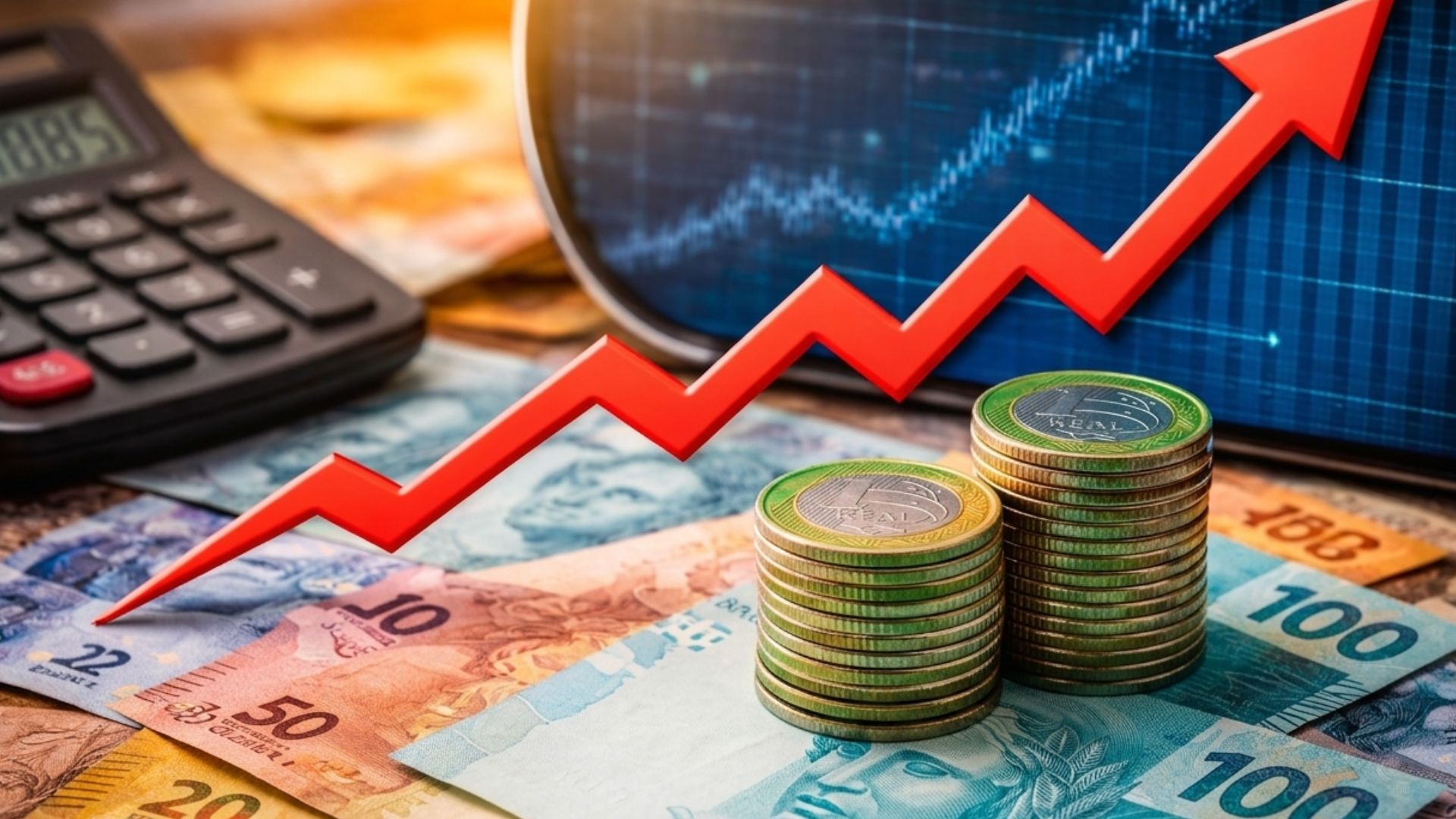
The new threshold for income tax exemption for those earning up to R$ 5 thousand promises to be one of the biggest income boosts in the last decade. According to the senior economist at Inter, André Valério, the measure represents a true “positive shock of disposable income,” capable of generating around R$ 32.8 billion in 2026.
According to G1, about 65% of filers will no longer pay the tax, which should create a wave of consumption concentrated mainly in the middle and lower-middle income brackets, precisely those who tend to spend more when they have extra money in their pockets.
For analyst Leonardo Costa, this boost should help the Brazilian GDP grow between 0.1 and 0.2 percentage points in 12 months, particularly in the sectors of education, hygiene, personal services, restaurants, and transportation. “The effect is positive, but temporary,” emphasizes the economist, pointing out that the impact will be limited while real interest rates remain high.
A Warmer Economy, Higher Prices
Although the benefit eases the burden for millions of taxpayers, it also brings a side effect: the risk of rising inflation. This is because the increase in purchasing power tends to push up demand for goods and services.
André Valério warns that the impact will depend on the market’s response and the behavior of the wealthiest, who may reduce consumption and affect revenue. In this scenario, the government could have difficulties compensating for revenue losses, raising the perception of fiscal risk and leading to higher interest rates and exchange rates.
-
Inflation in March reaches 0.88% according to IBGE and pressures the Brazilian economy, impacting family budgets and requiring more strategic decisions to maintain financial control.
-
In Paraná, distributor Pacto connects 100% of the load in Coronel Vivida to batteries: a BES of 10 MW and 20 MWh costs just over R$ 30 million and lowers the local tariff now.

-
With a dependence of up to 80% on gas imported from the United States, Mexico is responding with a robust energy strategy, betting on shale gas, creating a scientific committee, and preparing to expand natural gas production to reduce vulnerability and strengthen its energy security in the coming years.

-
The United States proposes to Brazil a critical minerals agreement with a minimum price to combat Chinese dumping and priority for investment, but the Planalto is blocking the signing out of fear of upsetting China and due to electoral calculations in a year of competition.

Leonardo Costa agrees and points out that inflationary effects should be more noticeable in services, especially in dining out, personal care, and transportation.
In his words, “higher interest rates and a stronger dollar could offset some of the economic stimulus expected from the measure.”
High Selic, Cautious Copom, and Greater Attention from the Central Bank
Even with the inflationary risk, specialists believe that the current level of the Selic rate — the highest in nearly 20 years — is sufficient to contain price escalation. According to Valério, the Monetary Policy Committee (Copom) should adopt an even more cautious stance in the upcoming meetings.
“The increase in spending goes against what the Central Bank is trying to do, which is to slow down the economy to contain inflation,” he explained. Still, he believes that interest rate cuts should start in January, signaling a balance between stimulus and monetary control.
Direct Impacts on Companies and the Job Market
The change will also have repercussions for the corporate world. According to Carlos Braga Monteiro, CEO of Grupo Studio, companies will need to review contracts, benefits, and internal structures to adapt to the new landscape.
“The increase in the exemption threshold requires a review of labor costs and tax incentives. Meanwhile, taxation on high incomes should accelerate asset restructurings,” he stated.
Leonardo Costa, from ASA, adds that the impact on salaries is ambiguous. On one hand, an increase in net salary may reduce the pressure for raises; on the other hand, the increase in consumption of services may empower unions and categories seeking pay increases.
“The outcome will depend on the balance between income and demand, but only partial moderation in cost pressures is likely,” he concluded.
A Popular Measure with Uncertain Effects
The expansion of the exemption from income tax up to R$ 5 thousand is seen as a strategy to boost consumption and relieve low-income families, but economists warn of the ripple effect on inflation, interest rates, and public accounts.
In the short term, consumers should feel their wallets lighter and businesses more buoyant. However, in the medium term, the risks of fiscal mismanagement could take a toll on this tax generosity.
And you, do you believe that the expansion of the income tax exemption up to R$ 5 thousand will be able to stimulate economic growth without increasing inflation?









-

-

-

-

-

14 pessoas reagiram a isso.