





 Portuguese
  English
  Spanish
  5 min of reading
  0 comments


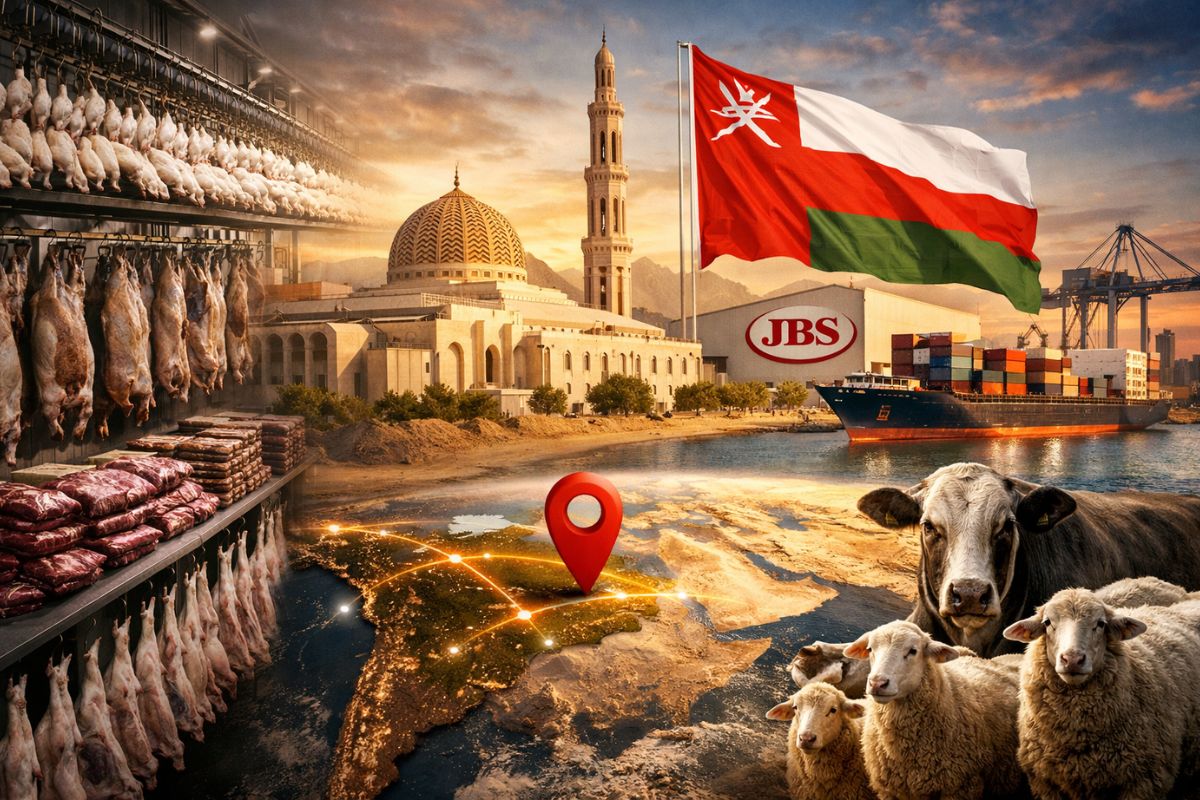
By Acquiring 80% of Oman Food Capital for US$ 150 Million, JBS Begins Operating Two Strategic Plants in Ibri and Thumrait, Aiming for Capacity Exceeding 300,000 Tons Annually, Foresees Staggered Production Start and Reinforces Its Competition for High-Growth Halal Markets in the Contemporary Middle East.
The transaction, announced this Sunday (8) by the Brazilian company shows that JBS has opened a new industrial front in Oman by acquiring 80% of Oman Food Capital (OFC), a newly created holding in the country, while the Oman Investment Authority (OIA) retained 20%. The move combines equity entry, operational control, and immediate access to already structured assets, reducing implementation time and altering the regional scale of the company in the Middle East.
In practice, the transaction involves two units with complementary functions: an integrated poultry plant of A’Namaa, in Ibri, in northern Oman, and a bovine and lamb unit of Al Bashayer, in Thumrait, in the south. The strategy is straightforward: control industrial stages at different points in the territory to accelerate production, meet halal demand, and increase exports from a local base.
What JBS Acquired in Oman and Why Corporate Structure Matters

The business structure of JBS is not limited to the acquisition of physical assets; it establishes long-term governance in a sensitive market for animal protein. With 80% of OFC, the company takes command of the operation and expansion, while the 20% participation of OIA maintains an institutional link with the local environment. This arrangement reduces entry frictions and favors regulatory and operational predictability, a relevant factor for projects with ambitions for international scale.
-
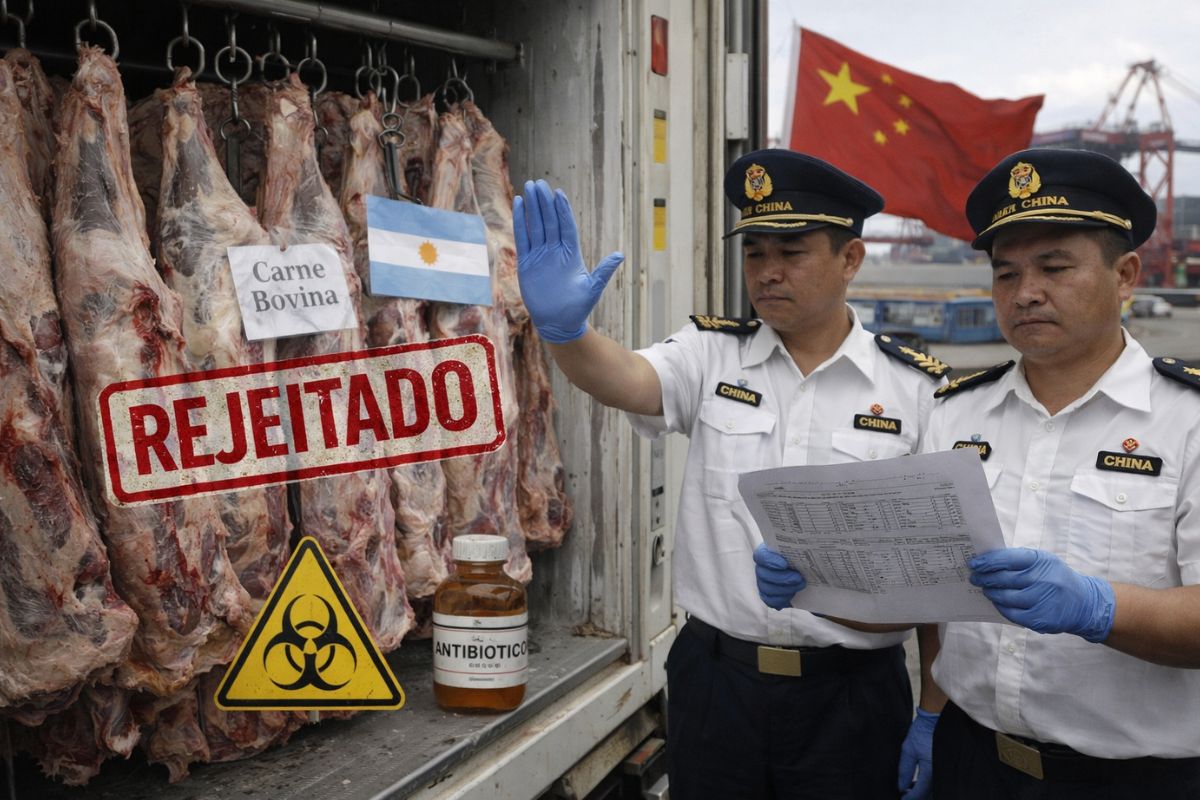
China rejected an entire shipment of beef from Argentina after detecting an antibiotic so dangerous that it has been banned for human consumption for over 30 years, and now the export sector is facing a crisis of international trust.
-
With nearly 500 thousand tons per year, barley production is growing in Brazil, while a decline in beer consumption among Generation Z raises alarms in the sector.

-
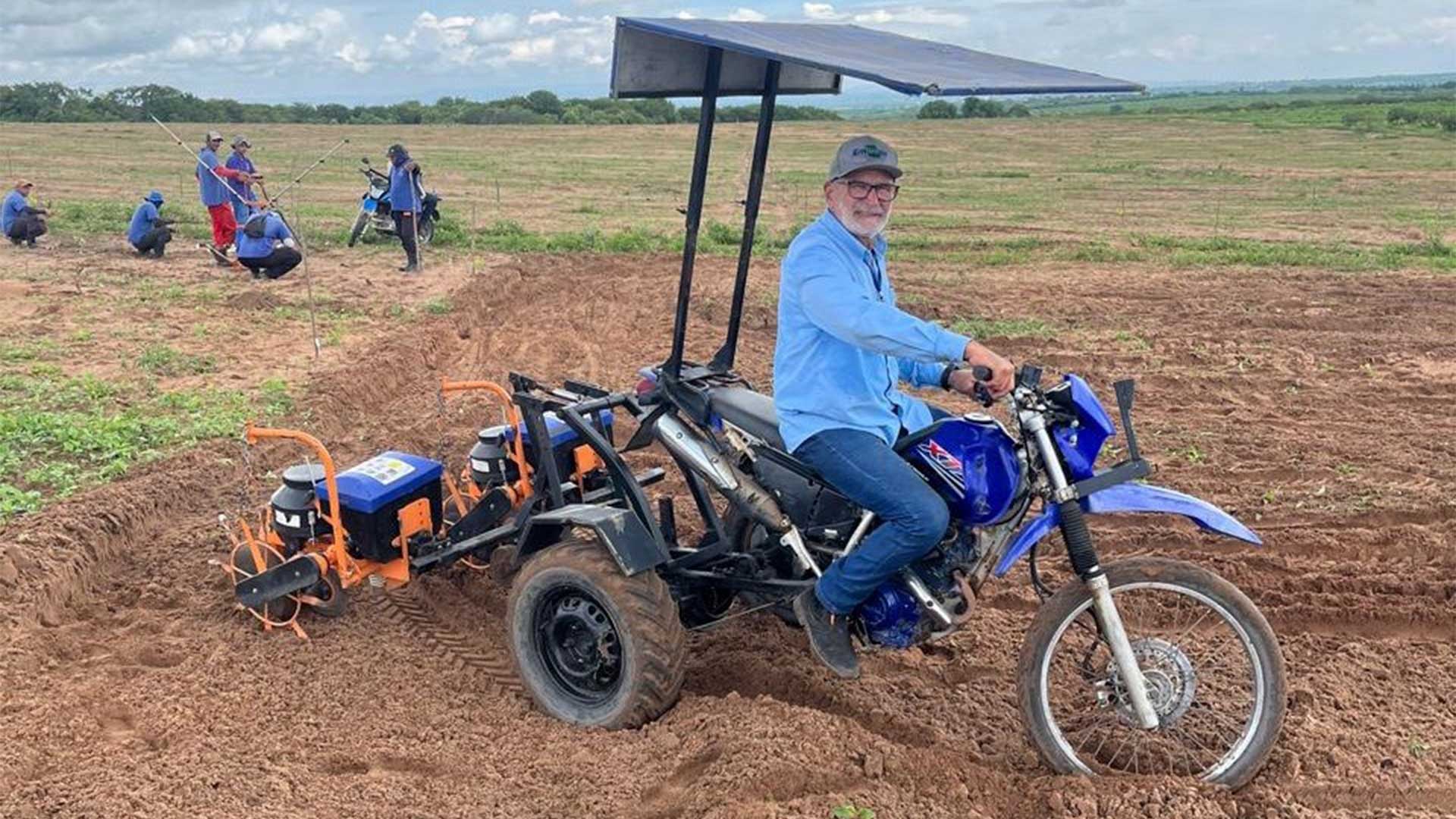
With tractors out of reach for small producers, a tricycle created by Embrapa Algodão becomes a cheap and efficient solution and gains national prominence.
-
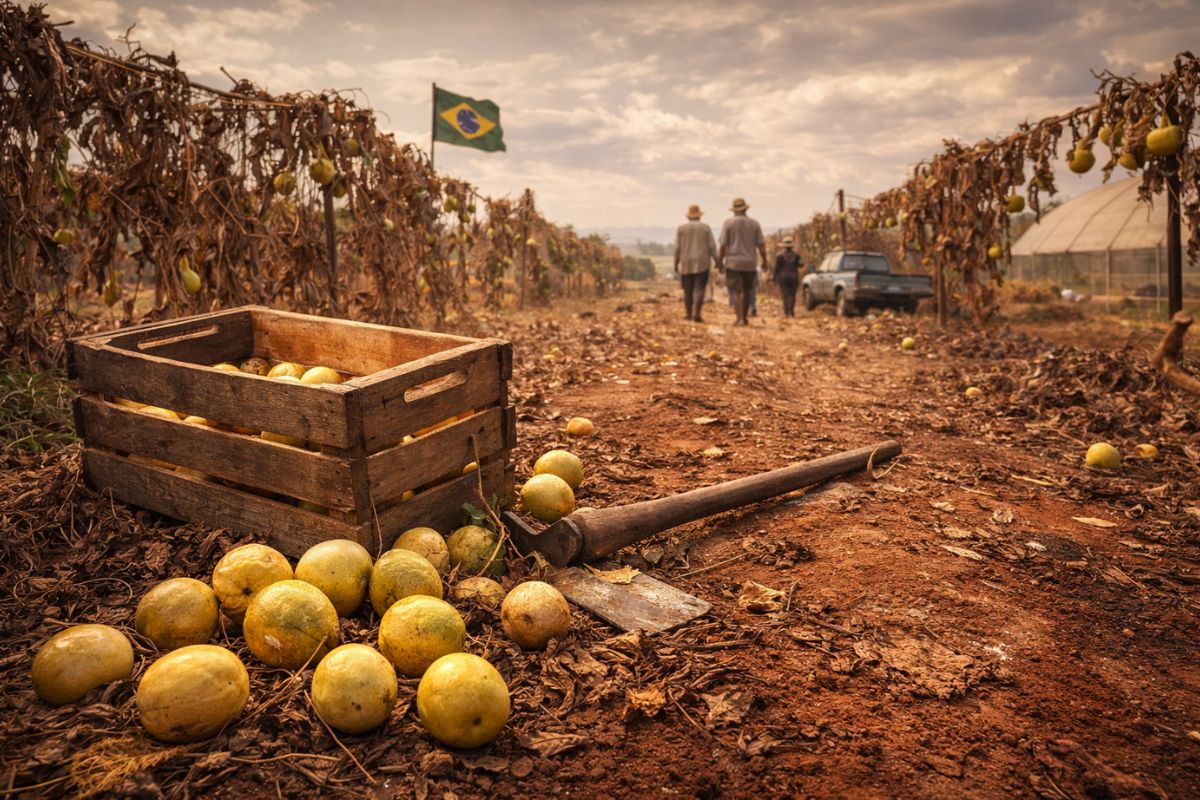
From 130 producers in the year 2000 to just 15 today: the dramatic decline of passion fruit in Araguari shows how the lack of labor in the Brazilian countryside is killing a decades-old agricultural tradition, even with Brazil being the largest producer in the world.

The two integrated plants also respond to a clear industrial logic. In Ibri, the poultry unit is described as integrated and is nearing completion, which anticipates a gain in speed on the production ramp. In Thumrait, the bovine and lamb unit adds portfolio diversity within the same regional ecosystem. When an operation is born multi-species, it increases the capacity to respond to price cycles and consumption variations with more flexibility.
Slaughter Capacity, Annual Volume, and Operations Start Schedule
According to the announced data, the new platform of JBS in Oman can achieve static industrial capacity exceeding 300,000 tons per year, considering poultry, bovines, and lambs. At full capacity, daily slaughter can reach approximately 600,000 birds, 1,000 bovines, and 5,000 lambs. The figures place the project at a large-scale level from the outset, with immediate potential impact on regional supply and export strategy.
The schedule has also been defined in stages. The expectation is to begin production of beef and lamb within up to six months, while the poultry operation should start in 12 months, as the plant is still being finalized. This phasing reduces operational risks of simultaneous startup and allows for adjustments to processes, teams, and logistics by product blocks, without compromising the goal of increasing total capacity in the short and medium term.
Halal as a Central Axis and the Expansion of Consumption Competition
The focus of JBS is concentrated on the halal market, estimated at around 2 billion consumers worldwide. This universe demands specific standards related to ingredient origin, slaughter methods, and hygiene criteria, which turns compliance into a basic condition for competitiveness. It is not just about selling meat in new destinations but operating within a cultural and technical protocol that defines market access.
The choice of Oman was justified by the company in a context of population growth and rising per capita income in the region. The opportunity factor also weighed in: a significant part of the assets was already ready, which shortens the path between investment and effective production. In practice, the decision combines structural demand, operational window, and geographical positioning, gathering elements that make the country a platform to supply different markets from the Middle East.
Upstream in the Middle East: What Changes for the Chain and for Brazil
The operation marks the first upstream investment of JBS in the Middle East, meaning with local slaughter and processing. Previously, in the company’s regional units, the raw material for processed products was mostly imported. By internalizing initial stages of the chain in the destination territory, the company shortens flows, gains quality control at the source, and reduces dependence on a single supply route.
This step connects to the rest of the company’s regional presence. JBS had already invested US$ 85 million in Saudi Arabia, including expansion in Jeddah, and maintains operations in Dammam and Ras Al Khaimah in the United Arab Emirates. With around 1,600 employees currently in the Middle East and an expectation of over 3,000 jobs in the new plants in Oman over the next five years, the strategy shifts from being sporadic to configuring an integrated industrial framework, with effects on competitiveness and Brazil’s position in the global animal protein trade.
Global Scale, Local Execution, and the New Competitive Map of Protein

The movement of JBS repositions Oman as a production and distribution piece, not just as a commercial transit point. The US$ 150 million investment, the combination of two plants, and the projected slaughter volume indicate an operation designed for scale from the outset. In highly competitive markets, scale with halal compliance and local presence tends to become a concrete differential for access and permanence.
At the same time, the project reveals a change in approach: from exporting product to building a productive base at the destination. This alters costs, timelines, adaptability, and relations with local consumers. When the chain starts within the target market itself, the company reduces the distance between production, regulatory requirements, and consumer preferences, which may redefine the growth pace of the operation in the Middle East in the coming cycles.
The advancement of JBS in Oman brings together robust investment, corporate control, high industrial capacity, and a declared focus on the global halal market. With an operational entry schedule already defined and integration with the existing regional structure, the company transforms an acquisition into a long-term platform for local production and export, with a direct impact on international competition in animal protein.
If you are following the sector, which factor weighs most in this decision by JBS: slaughter scale, access to halal consumers, local upstream production, or speed to deploy already ready assets into operation? And looking ahead to the next few years, what concrete effect might this have on Brazil’s presence in the global meat trade?








Seja o primeiro a reagir!