





 Portuguese
  English
  Spanish
  5 min of reading
  3 comments




From The Brink Of Bankruptcy To The Elite Of World Aviation, A Brazilian Manufacturer Challenged Global Giants And Today Makes Luxurious Jets, Military Technologies, And Even Futuristic Flying Taxis, Becoming One Of The Greatest Prides Of The National High-Tech Industry.
Few companies in Brazil have managed to go from near bankruptcy to becoming a global reference in cutting-edge technology.
Embraer is one of those exceptions.
The Brazilian aircraft manufacturer, born from an ambitious military government project, is now among the biggest names in global aviation — competing with giants like Boeing and Airbus.
-
Goodbye iron: new technology from Xiaomi promises to revolutionize the way we iron clothes with 500 kPa steam, continuous flow of 120 g/min, heating in 65 seconds, and six smart modes for different fabrics.

-
Rio Pardo, the most mysterious city in Rio Grande do Sul: untouched Pampas castle, the missing treasure of the Devil Boy, bride’s saint, invisible tunnels, and a 200-year curse today.

-
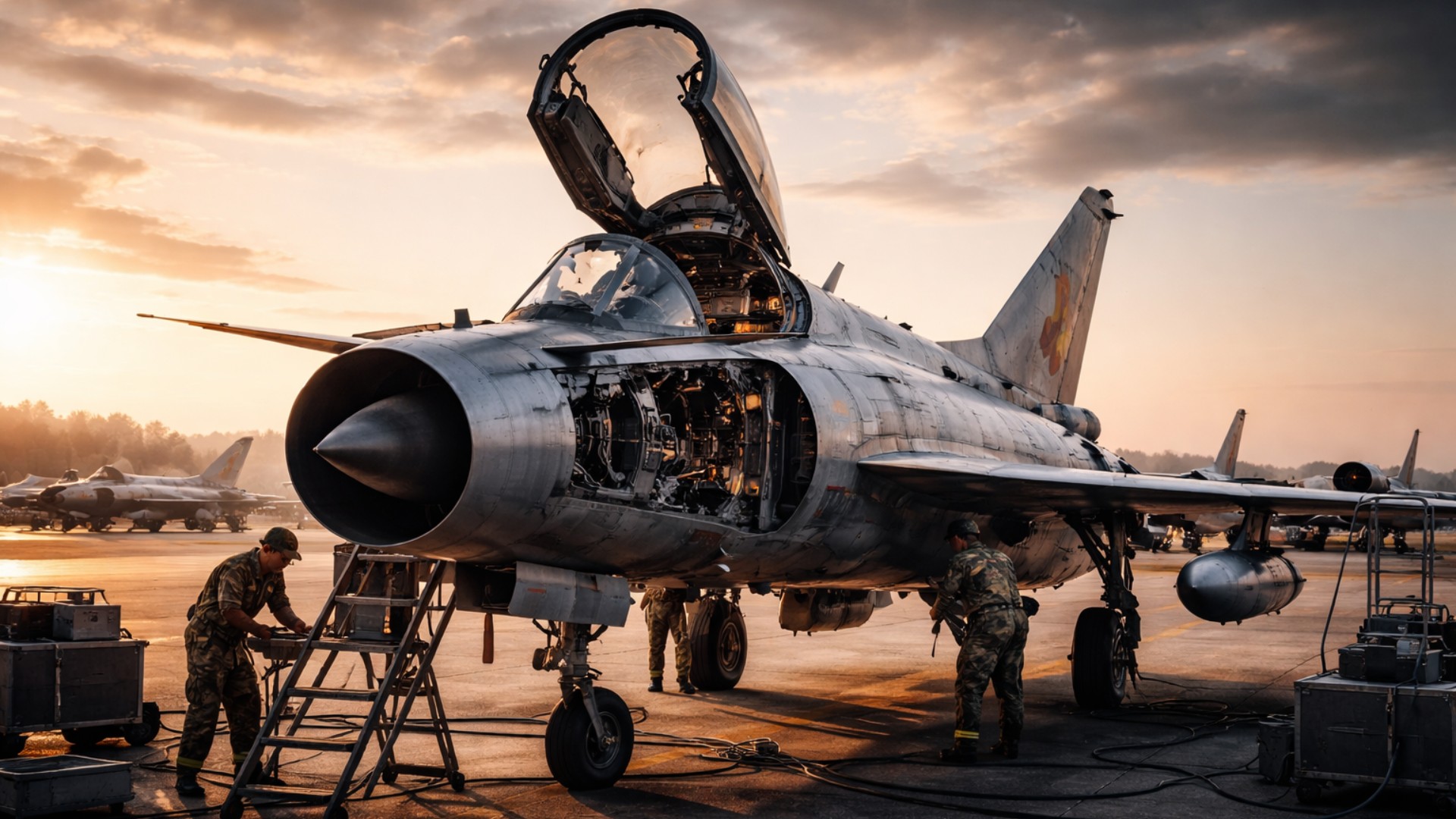
China retires the J-7 fighter after years of military protection and can now transform military items into drones, following more than 60 years of operation of the J-7, derived from the MiG-21, with thousands of units produced and strategic use in the PLAAF and PLANAF.
-
Volunteers are sought to live in the mountains for a month: a study pays people to stay at 2,500 meters, with 24-hour monitoring of sleep, metabolism, and blood pressure.


Its planes are operated in more than 100 countries, both in commercial flights and by heads of state and moguls from around the world.
With a trajectory marked by innovation, international partnerships, and overcoming economic crises, Embraer represents one of the greatest prides of the national industry.
And, curiously, its first successful commercial plane — the Bandeirante — took off even before the official founding of the company.

A Military Project That Became A Symbol Of The National Industry
The story of Embraer begins back in the 1960s, the result of a partnership between the Instituto Tecnológico de Aeronáutica (ITA) and the Centro Técnico Aeroespacial (CTA), located in São José dos Campos (SP).
The Bandeirante aircraft project, conceived by military engineers, gave rise to the company on August 19, 1969, with support from the Ministry of Aeronautics.
The EMB-110 Bandeirante was a versatile and reliable turboprop, ideal for both regional transport and military use.
Its success demonstrated that Brazil had the technical capability to enter the competitive aerospace sector.
This feat was even more impressive when considering the backdrop of scarce investments in science and technology in the country at that time.
The Turbulence Of The 90s Almost Brought Down Embraer
Even after the initial success, Embraer faced its most critical phase between the late 1980s and the early 1990s.
The context was dramatic: soaring inflation, fiscal crisis, a drop in military purchases, and difficulties competing with foreign multinationals.
In 1994, the federal government decided to privatize the company, in a move considered bold, yet crucial for its survival.
The new management, composed of executives with experience in the sector and engineers committed to innovation, implemented a restructuring plan that completely transformed Embraer.
The Jet That Changed Everything: ERJ 145
The big turning point came with the launch of the ERJ 145, a regional jet with a capacity of 50 passengers, which won over North American airlines.
Light, economical, and adapted for short-haul flights, the plane became a symbol of Embraer’s new phase.
It was from this model that the company began its climb in the international market.
In the 2000s, the company launched the successful E-Jets family (Embraer 170, 175, 190, and 195).
These planes stood out for their fuel efficiency, operational flexibility, and comfort.
Companies like Azul, Lufthansa, KLM, Air Canada, and American Airlines began operating the fleet on various routes around the world.

From Executives To Celebrities: The Luxury Of Private Jets
Alongside commercial aviation, Embraer decided to bet on the executive segment — and hit the mark.
The creation of Embraer Executive Jets led to the launch of aircraft such as the Phenom 100, Phenom 300, and Legacy 600.
These models became staples in the hangars of millionaires and celebrities.
The Phenom 300, for example, is considered one of the best-selling light jets in the world.
It combines cutting-edge technology with range and luxury, making it attractive to businesspeople and celebrities.
The Lineage 1000E, based on the E-190, offers customized interiors worthy of a flying mansion — complete with suites, a living room, and even a shower.
In Brazil, Embraer’s jets reached the highest echelons.
The Legacy 600 was used by former presidents like Michel Temer and Jair Bolsonaro, symbolizing the prestige the brand has achieved.
A Giant That Reinvented Itself With Partnerships And Innovation
Even after decades of growth, Embraer has never stopped investing in technology and diversification.
The company attempted a merger with Boeing in 2020, which ultimately failed, but strengthened its international image.
In parallel, it established strategic partnerships with Swedish Saab for the production of the Gripen fighter and developed the KC-390 Millennium military cargo aircraft — already adopted by NATO countries like Portugal, Hungary, and Austria.
Another promising project is its entry into urban air mobility.
Eve Air Mobility, a subsidiary of Embraer, is developing electric vertical take-off and landing vehicles (eVTOLs).
The proposal is to revolutionize transportation in large cities with quiet, sustainable aircraft that function as “air taxis.”
With over 18,000 employees worldwide, Embraer has operational centers in North America, Europe, Asia, and Africa — consolidating its presence on all continents.
Curiosities That Show The Grandeur Of The Brand
The first flight of the Bandeirante took place in 1968, even before the official founding of the company.
The name “Embraer” comes from “Empresa Brasileira de Aeronáutica.”
More than 1,500 units of the Phenom 300 have already been delivered globally.
The interiors of the executive jets are customizable according to the tastes and demands of VIP clients.
Embraer has operated flight simulators so realistic that they were used by foreign airlines to train pilots.


A State-Owned Company That Became A Symbol Of Technological Excellence
The story of Embraer is a clear example that Brazil can lead in high-tech sectors when there is investment, efficient management, and strategic vision.
From a state-owned company on the brink of bankruptcy to a global leader in regional aviation, its trajectory is studied and admired worldwide.
By competing with companies like Bombardier, Airbus, and Boeing, Embraer has proven that innovation and adaptation are crucial for survival.
And today, not only does it survive: it leads segments and is already aiming for the future with futuristic projects.
The Future Has Already Begun For Embraer
With its eyes on the sky — literally — Embraer is betting on eVTOLs and urban mobility as its next milestones.
The expectation is that the company will replicate the success it achieved in the regional and executive sectors, helping to shape the air transportation of the next generations.
And you, have you imagined boarding a 100% Brazilian flying taxi in the coming years?








Osires Silva. Brasileiro da melhor qualidade.
Congratulações, Ozires Silva. Tu és a EMBRAER!
Parabéns Coronel Av OSIRES SILVA, um exemplo de dignidade e capacidade técnica e administrativa.