





 Portuguese
  English
  Spanish
  5 min of reading
  99 comments


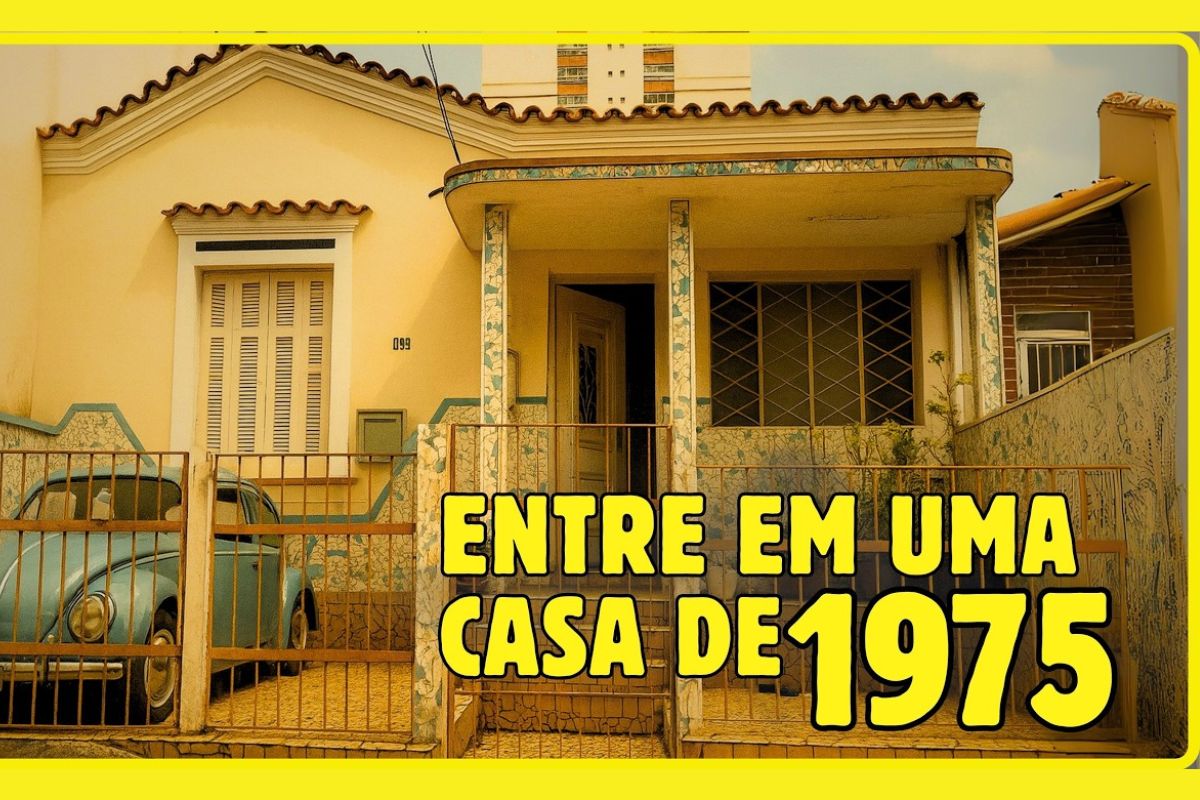


The Brazilian House of the 70s Included Striped Sofa, Wire Chair, Caco Floor and the Coffee Ritual in the Backyard, a Set of Habits and Objects That Explains the Daily Life of a Typical Family and the Aesthetic That Marked an Era.
Entering a brazilian house from the 70s is to revisit a simple, practical architecture filled with affectionate solutions. The discreet façade, the porch with a wire chair, the airy porch, and the caco floor in the backyard composed a scene where neighbors knew each other by name, the gate was open, and the street was an extension of the living room.
Inside, the brazilian house from the 70s followed a functional logic that was very identifiable. The living room was separate from the dining room, a dark wooden shelf with a showcase, a tube television as the protagonist, and the sound of the record player filling the environment. Each element had function and symbolism, from the proudly displayed rotary phone to the cement tank that dictated the rhythm of wash days in the backyard.
The Front of the House: Facade, Porch and Early Memories
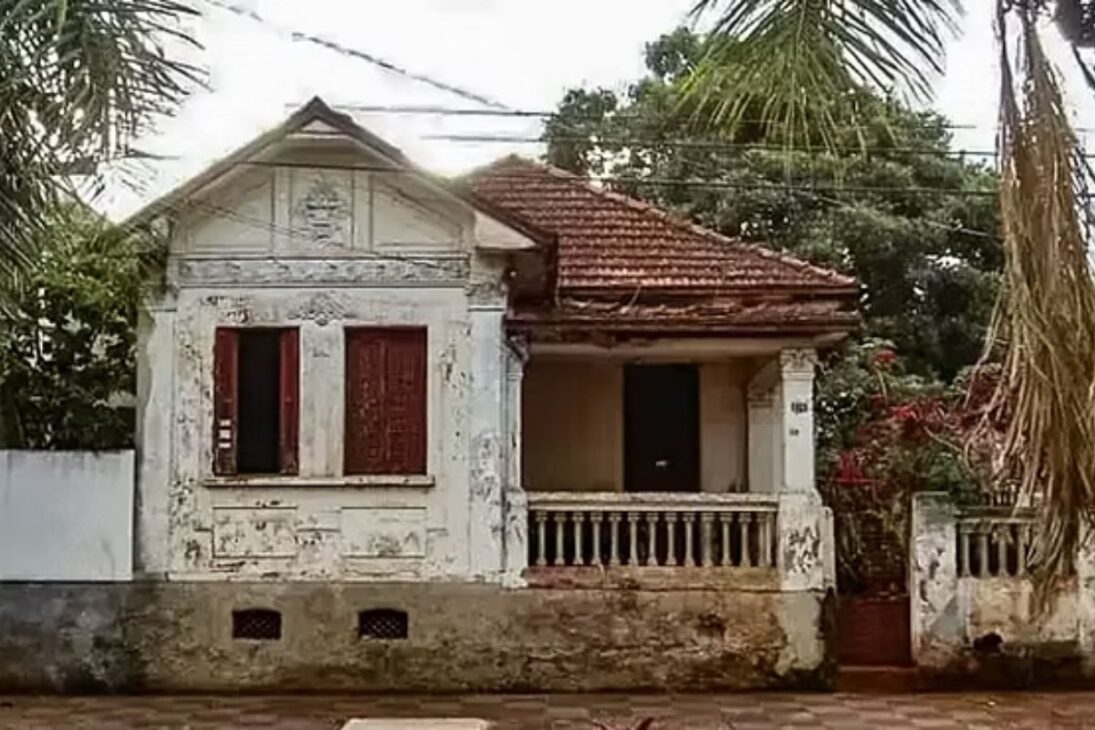
The façade valued straight and discreet lines, often with the roof hidden by a crown that reinforced the idea of modernity.
-
These are the drivers who may stop paying tolls on highways in a project that promises to reduce costs for those who live from transportation in Brazil.

-
(Video): Italian pilot lands plane on moving train at 120 km/h and achieves unprecedented feat in aviation, even with a narrow runway and without direct visual contact.

-
It seems to have come out of a science fiction movie: A Brazilian city where it rains almost every day, recording over 4,000 mm per year, driven by climatic factors — a direct result of its strategic location in the Amazon.

-
The water crisis that could change everything this year has already begun; it’s not just about the climate, it affects technology, raises product prices, and can halt entire companies without warning.


The porch was the place of transition between street and house, with a clean floor, hanging pots, and the inevitable colorful plastic wire chair on a metal frame.
This was where coffee was enjoyed, newspapers were read, and the sidewalk traffic was observed.
The windows grew in glass and width, ventilation gained prominence, and the decorative tiles in the front became a mark of care.
Geometric patterns, flowers, and diamonds appeared in panels or strips, chosen also for their ease of maintenance.
The external flooring varied between checkerboard and handcrafted mosaic of ceramic shards, while a rose bush in the garden was an almost mandatory presence.
The Backyard: Stone Tank, Dryer and Fruit on the Tree

In the back, the service area organized daily life.
The thick cement tank, with a marked scrubbing area, was the central piece, accompanied by bar soap, a hard brush, and a line stretched between pipes.
The washing machine was still an exception, and the sun determined the best day to tackle the pile of clothes.
Even with smaller plots, there was still room for a fruit tree.
Guava, lemon, mango or tangerine complemented the landscape of the beaten cement floor.
The fruit picked fresh and washed at the tank tap was a little everyday luxury.
The house dog, usually of undefined breed, guarded the backyard, sharing territory with improvised little gardens and, sometimes, with free-range chickens.
Living Room: Striped Sofa, Shelf and Tube Television

The living room was a calling card. The floor drew attention with ceramics printed in brown, beige, orange, and green, or with waxed wooden planks shining brightly.
The sofa was heavy in appearance and structure, in velvet, leather, or striped fabric, usually in dark tones, accompanied by colorful cushions.
On the wall, landscape paintings or family portraits occupied a prominent place.
In front, the tube television crowned the dark wooden shelf with glass showcases, knickknacks and souvenirs.
The rotary phone was on display, a status symbol in times of waiting in line to get a line.
The record player, often in a three-in-one with radio and tape, rested under an acrylic cover as if it were a jewel.
Dining Room: Abundant Table, Buffet and Colored Formica
Having its own and separate environment, the dining room concentrated the gatherings.
Heavy wooden tables with high-backed chairs shared space with the classic buffet, where the best dishes, embroidered tablecloths, and the set of glasses reserved for guests resided.
It was the setting for birthdays, Sunday lunches, and festive occasions.
In simpler houses, the star was the formica table, available in bright colors that matched the curtains and tablecloths.
The arrangement reinforced the domestic etiquette of the time, with well-defined schedules and rituals that brought family and neighbors closer together.
The meal was a social and educational event, where news, recipes, and stories were shared.
Materials, Colors and Textures: When Design Spoke Loudly
The seventies aesthetic mixed practicality and visual boldness.
Printed ceramics, dark wood, colored formica and painted metal drew a tactile and chromatic repertoire that today has become a vintage reference.
In the living room, dense curtains filtered light and helped with thermal comfort. In the backyard, the beaten cement simplified cleaning.
This combination had a technical and cultural logic.
Durable materials, easy to clean and relatively affordable made sense for families balancing budgets, maintenance, and appearance.
The result was a house with personality, capable of welcoming everything from afternoon silence to Sunday visitors’ noise.
Routines, Scents and Sounds: The Coffee That Marked the Whole House
Domestic life ran to the rhythm of small liturgies.
The aroma of brewed coffee filled the house from early on, often coming from the backyard, where the filter dried in the sun.
The afternoon smelled of coconut soap, wax, and cake in the tin.
The stand fan whispered, the wall clock marked time, and the tube TV set the tone for the soap operas.
There was an etiquette of open doors.
The low gate and the conversation on the sidewalk were signs of trust. Children occupied the street, played under the watchful eyes of adults, and the porch served as an observatory of the neighborhood.
The house seemed larger because the neighborhood was also a space for coexistence.
Technology and Consumption: Between Pride and Functionality


Technological objects entered as trophies. Having a rotary phone, color TV, and a three-in-one signified achievement and effort.
Even so, the logic was one of careful usage. Covering the TV, polishing the wood, and storing the sound system safely showed the importance of making things last.
This relationship with consumption shaped choices.
Buying well meant buying what solves and withstands time, from the cement tank to the sturdy table, from the wire chair to the sofa that welcomed generations.
The house was both an affective and practical asset, with each item playing a clear role in daily life.
The brazilian house of the 70s united simplicity, functionality, and affectionate rituals.
From the striped sofa to the wire chair, from the caco floor to the smell of coffee in the backyard, everything told the story of an era when spaces were well-defined and the neighborhood was part of the house’s layout.
It was a life project based on durability, coexistence, and a strong visual identity.
And you? What is the most vivid memory of your Brazilian house from the 70s or the one you visited in childhood? Tell us in the comments the object, smell, or sound that best sums up that era for you.







Muito pobre de fotos.
A televisão 📺 de tubo preta e branco, a mesa é as cadeiras de formica.
Comer jabuticaba no pé que tinha no quintal,brincar na rua até tarde,sentir o cheiro do café com leite e pão que o meu pai fazia pra mim ❤️