





 Português
  Inglês
  Espanhol
  4 min de leitura
  0 comentários


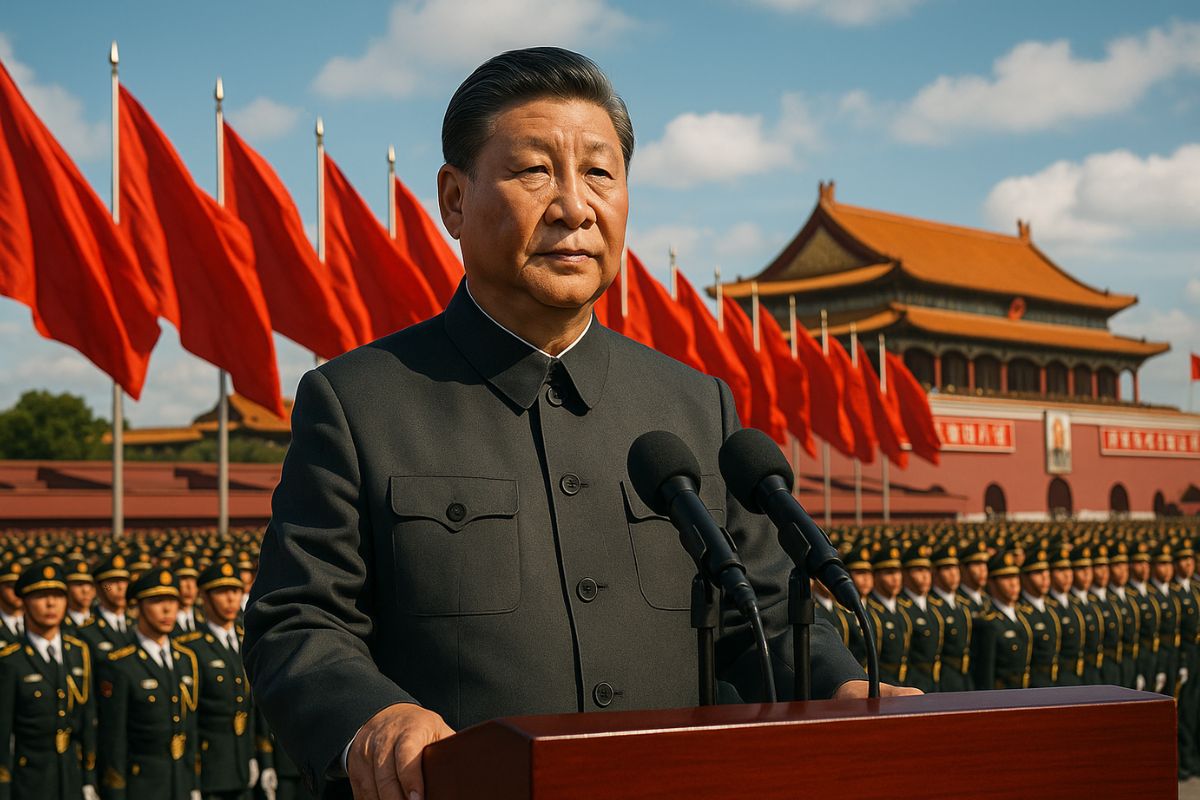
How Xi Jinping Came to Power: From Young Exile to The Most Powerful Leader of China Since Mao Tse-Tung, Xi Jinping’s Trajectory Reveals Strategy, Patience, and Unprecedented Concentration of Power in The Chinese Communist Party
The rise of Xi Jinping to the leadership of China was not the result of a sudden coup, but of a long journey marked by exile, political strategy, and the elimination of rivals. Today, he is the only leader since Mao Tse-Tung to exercise absolute control over the country, having reformed the rules to ensure indefinite tenure in office.
Inspired by Mao’s manual but shaped by the humiliations of the Cultural Revolution, Xi Jinping patiently built his path, occupying strategic positions in less contended regions, cultivating loyalties in the military and the party, and reforming the internal structure to shield himself from political threats.
The Origins and Impact of Mao on Xi’s Life
Xi Jinping’s father, Xi Zhongxun, was a hero of the Long March and served as General Secretary of the State Council under Mao Tse-Tung. This connection placed the family in the Chinese political elite but also exposed them to the risks of authoritarianism. During the Cultural Revolution, Mao deposed and imprisoned Xi Zhongxun, and young Xi, then 15 years old, was sent to the countryside for forced labor.
-
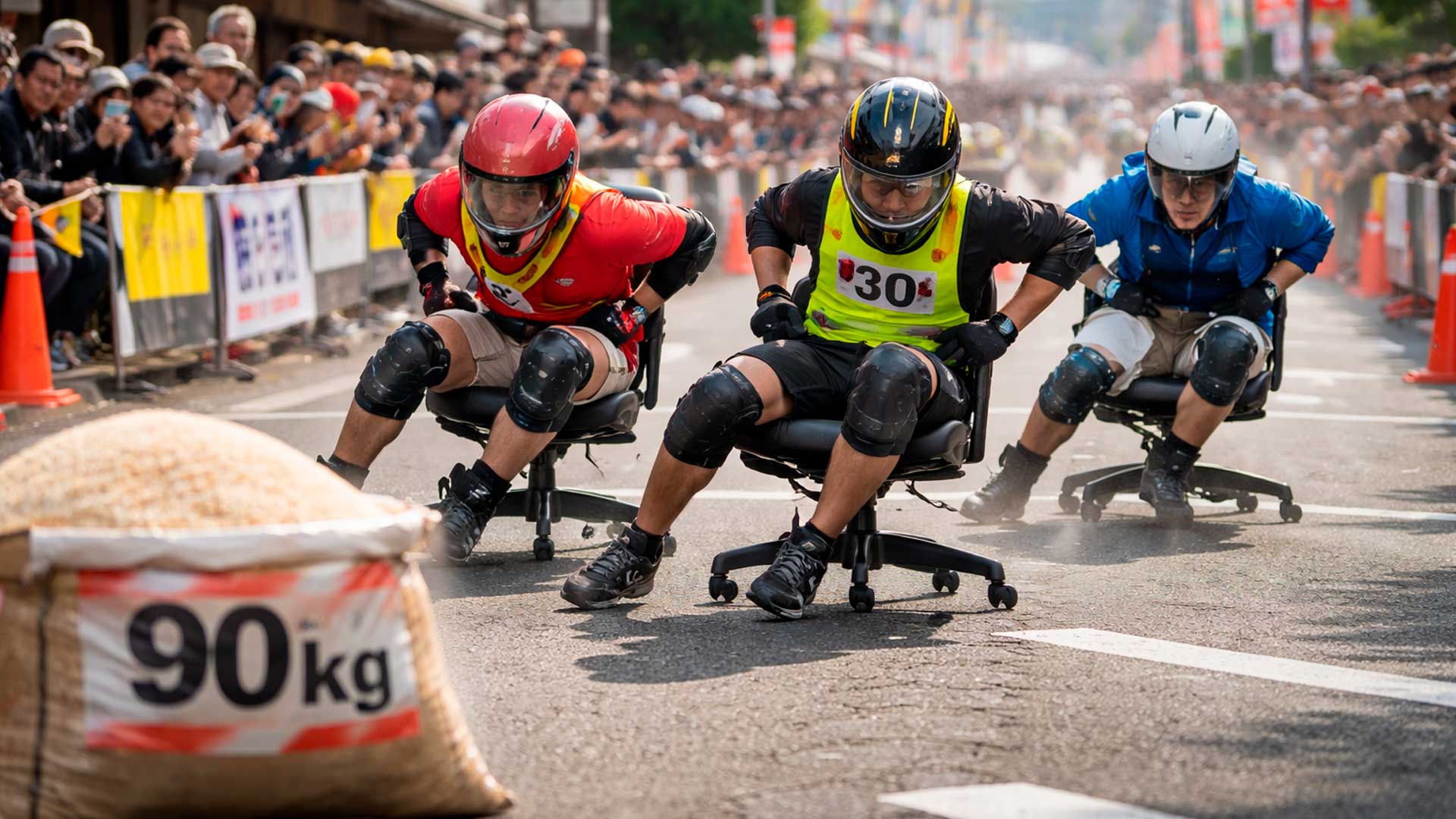
With an unusual prize, Japan transforms office chairs into a resistance race on the streets, ISU-1 Grand Prix grows, fills stages, and pays 90 kilograms of rice.
-
House in England with a 7.6-meter shark embedded in the roof attracts attention worldwide and becomes a curious attraction in Oxford.

-
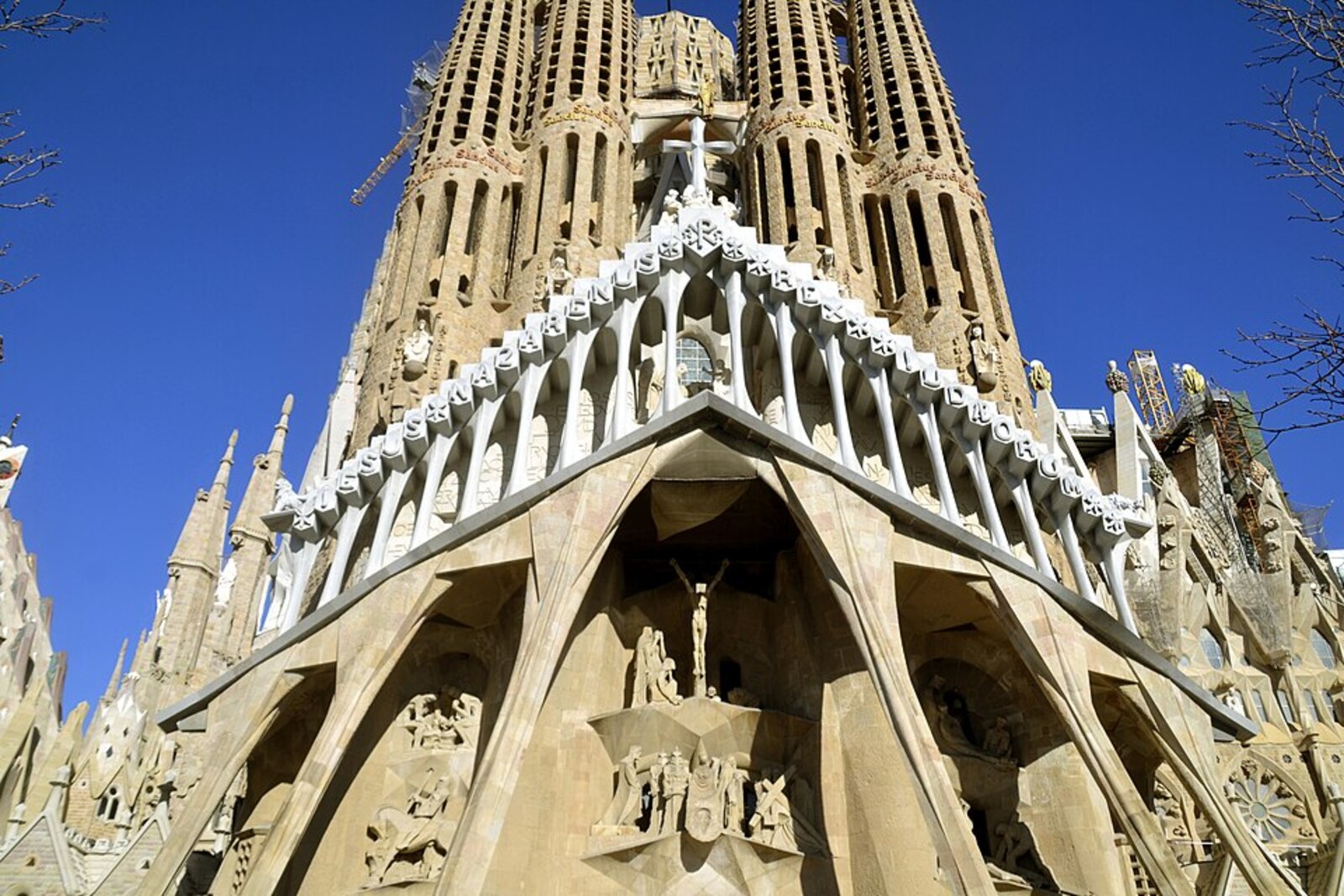
Masterpiece in Spain, under construction since 1882, receives 4.8 million visits in a year and impresses with its gigantism and architecture.
-
Attracting around 250,000 people a year, a lighthouse 200 meters from the sea, on a 60-meter high cliff, on the North Sea coast in Denmark, becomes one of the most impressive examples of how nature can threaten historical buildings.


Living in a cave, doing heavy manual labor, and surviving on little food shaped his resilience. This experience, marked by humiliation and isolation, reinforced the perception that in the Chinese system, political power was the only real protection.
The Game of Patience: Provinces, Army, and Allies
After Mao’s death and Deng Xiaoping’s reforms, Xi Jinping joined the Communist Party. Instead of vying for positions in Beijing, he chose to work in distant and less scrutinized provinces. He passed through Hebei, Fujian, and Zhejiang, always ascending to the highest local office and strengthening connections with military and civilian leaders.
This strategy gave Xi a reputation as a disciplined leader loyal to the party and averse to scandals. In 2007, after a brief stint in Shanghai to restore the city’s image following a corruption scandal, he was promoted to the Standing Committee of the Politburo, the highest core of power in China.
The Leap to The Top
When General Secretary Hu Jintao left office in 2012, Xi Jinping took the leadership of the Communist Party, the State, and the Central Military Commission. This triple command placed him simultaneously in control of the government and the armed forces.
In his first few months, he launched a broad anti-corruption campaign that resulted in the downfall of hundreds of officials and generals. Although presented as a moralizing measure, it also removed rivals and opened space for him to appoint allies to key positions.
Internal Reforms and Concentration of Power
In 2018, Xi Jinping eliminated the two-term limit for the presidency, a measure that all post-Mao leaders had respected to avoid excessive concentration of power. He also incorporated his ideology—“Xi Jinping Thought”—into the party’s constitution, making it an obligatory and unquestionable guideline.
The composition of the Standing Committee was changed to include only loyal figures, eliminating representatives linked to rival factions. This rearrangement ensured that no strategic decisions were made outside of his direct influence.
Xi Jinping on The Global Stage
During his first ten years, Xi Jinping oversaw rapid economic growth, military strengthening, and the expansion of China’s international influence. Tensions in the South China Sea, pressure on Taiwan, control over Hong Kong, and mass digital surveillance became hallmarks of his administration.
Internally, his government reinforced censorship and intensified control over minorities, especially the Uyghurs, resulting in allegations of human rights violations.
The Third Term and The Future
In 2022, at the 20th National Congress of the Communist Party, Xi Jinping secured a historic third term and presented a Standing Committee fully composed of close allies. With internal opposition neutralized, his power is practically absolute.
Analysts see few chances of Xi being removed in the coming years, making him the most influential leader of China in half a century and one of the most powerful in the contemporary world.
Do you think Xi Jinping’s concentrated power is a threat to international stability or a necessary strategy for China to maintain its rise? Leave your opinion in the comments.







Seja o primeiro a reagir!