





 Portuguese
  English
  Spanish
 5 min of reading
  0 comments


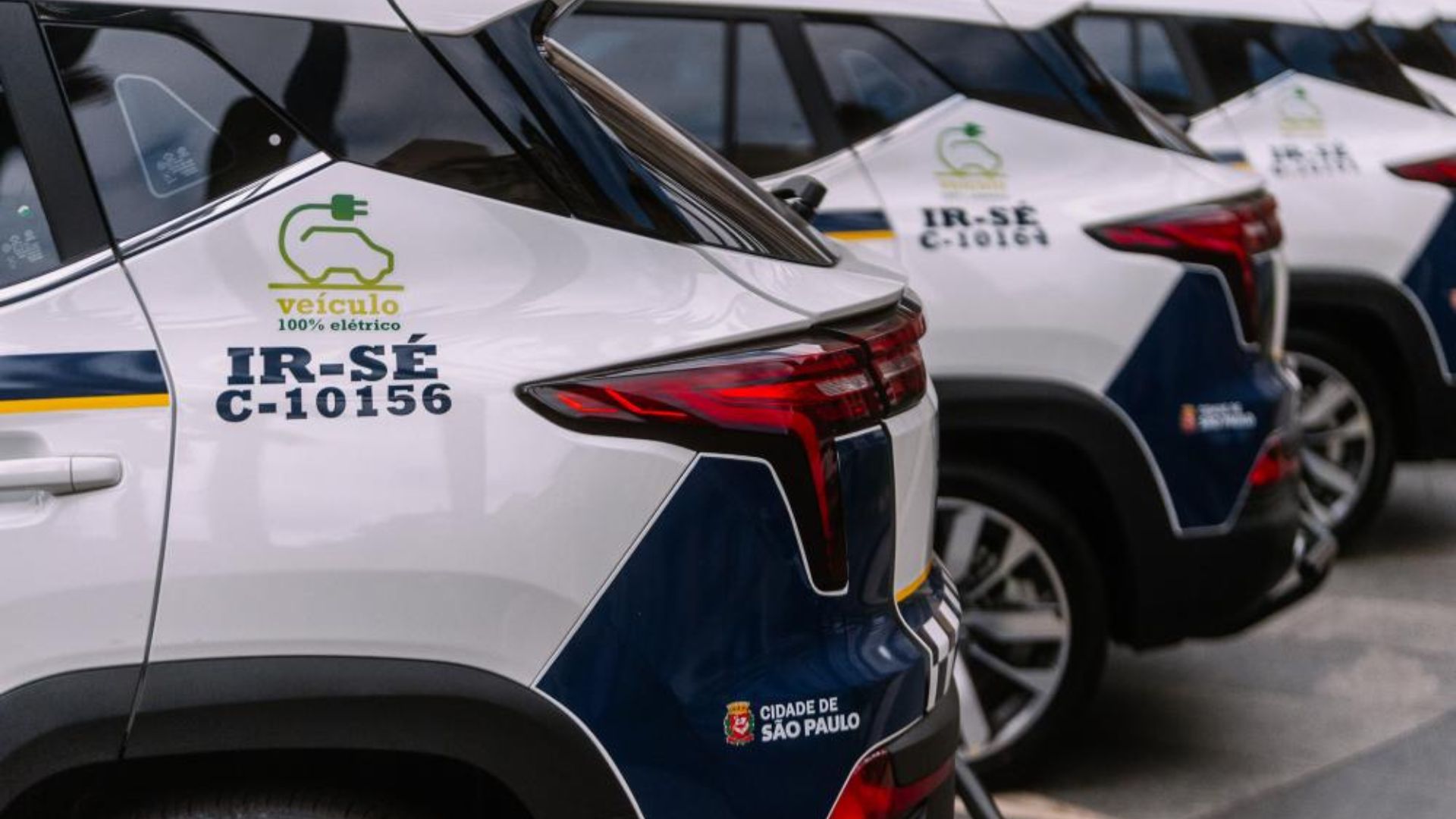
Electric Vehicles of the Metropolitan Civil Guard (GCM) Prevent More Than 240 Tons of Emissions in 2025, Strengthen Environmental Actions in São Paulo and Consolidate Clean Mobility as an Urban Public Policy.
The electric vehicles of the GCM of São Paulo ceased to emit 243.55 tons of carbon dioxide (CO₂) into the atmosphere throughout 2025. This data, released by the municipal administration this Thursday (29), highlights how the incorporation of electric vehicles into the urban security fleet directly contributes to strengthening clean mobility and meeting the environmental goals of the São Paulo capital.
Electric Vehicles and the Direct Reduction of CO₂ in the GCM Fleet
The positive impact of this emission reduction is approximately equivalent to planting about 10 thousand trees, considering technical parameters of carbon sequestration. This result is the outcome of the operation of 55 100% electric vehicles, delivered to the Metropolitan Civil Guard in January of the previous year, as part of a broader program of modernization and sustainability of the public fleet.
The gradual replacement of fossil fuel-powered vehicles with electric vehicles in the GCM represents a significant advancement in the management of the public fleet of São Paulo. The data allows for measuring the effective reduction of emissions, and the numbers show a real and quantifiable decrease in greenhouse gas emissions.
-
6 sources of free fertilizer that you are throwing away every day and can transform your garden without spending anything.

-
With a water crisis on the radar, Sabesp invests in reclaimed water for data centers and transforms sewage treatment into a solution that saves millions of liters and protects public supply.

-
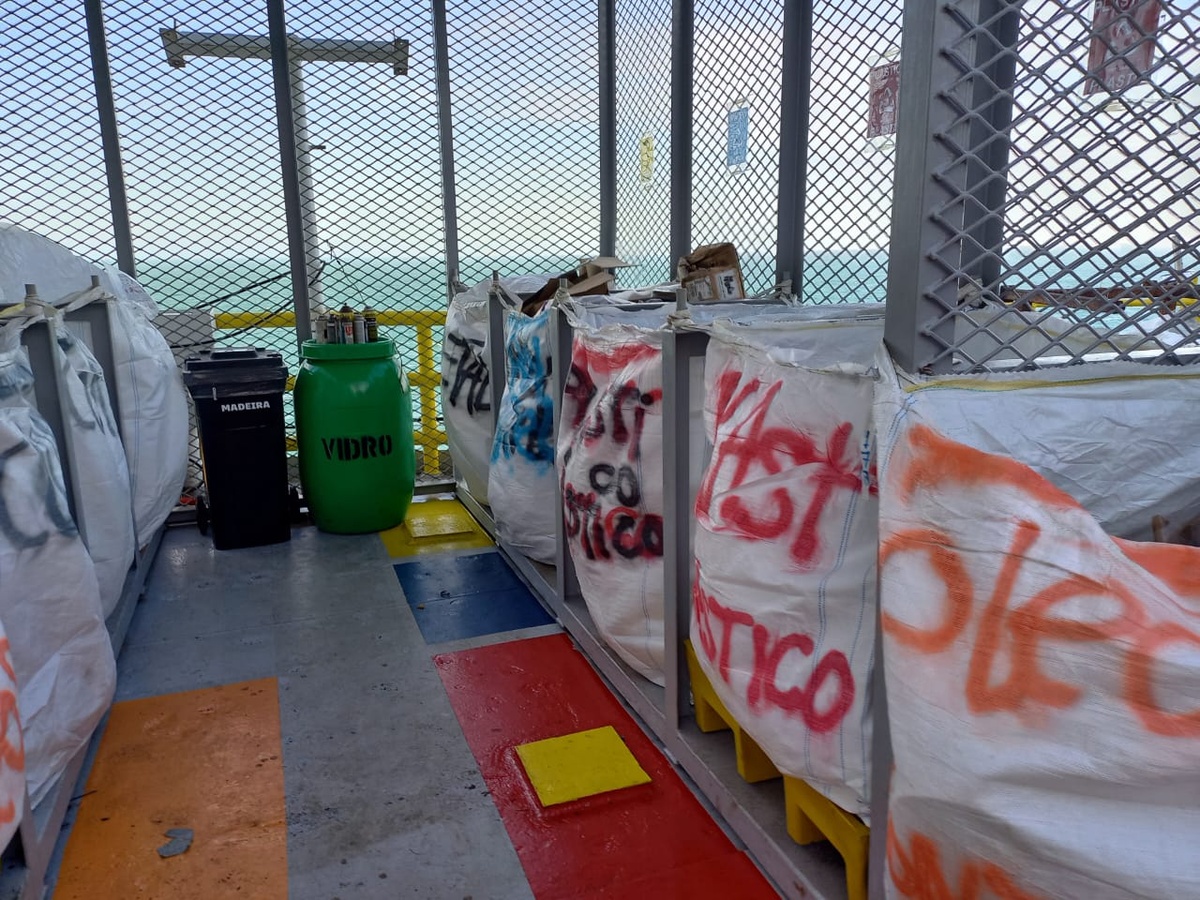
Foresea achieves 100% offshore waste reuse in 2025, eliminates landfill disposal, and consolidates sustainable strategy with 1,500 tons recycled.
-
With earth, bamboo, straw, and lime mortar, a specialist builds a house for just over $460 and draws attention for its cost being much lower than traditional construction.


Carbon dioxide is one of the main contributors to global warming and climate change. Therefore, avoiding the emission of more than 243 tons in just one year reinforces the strategic role of clean mobility as an urban public policy tool.
In addition to the reduction of CO₂, electric vehicles do not emit local air pollutants, such as nitrogen oxides and particulate matter, contributing to the improvement of public health, especially in areas with high urban circulation.
Clean Mobility as Public Policy in São Paulo
The initiative involving the electric vehicles of the GCM is part of a broader set of actions by the Prefeitura de São Paulo aimed at clean mobility. Public transport is one of the main pillars of this strategy.
The São Paulo capital currently has the largest fleet of electric buses in Latin America, with 1,149 vehicles in circulation. This fleet allows the city to stop consuming about 40.2 million liters of diesel per year, avoiding the emission of 99.6 thousand tons of CO₂ into the atmosphere.
In addition to the climatic impact, the reduction in diesel use significantly decreases the emission of pollutants in the main road corridors, benefiting a large portion of the population that uses the system daily.


Electric Vehicles, GCM, and Operational Efficiency
The benefits of electric vehicles go beyond environmental sustainability. For the GCM of São Paulo, electric models present important operational advantages, such as lower energy costs and reduced maintenance expenses. Electric vehicles have fewer mechanical components subject to wear, which reduces the need for frequent repairs.
In addition, the silent operation contributes to more efficient operations, especially in preventive patrol and urban monitoring actions. Efficiency and sustainability go hand in hand. Clean technology also improves operational performance.
In practice, the adoption of electric vehicles demonstrates that clean mobility can be incorporated without compromising the responsiveness of public safety, strengthening the service provided to the population.

Expansion of the GCM Fleet and Modernization in São Paulo
Currently, the GCM of São Paulo has a fleet composed of 610 four-wheeled vehicles and 220 motorcycles. Since 2021, the total number of vehicles of the corporation has grown by 170%, reflecting a continuous process of expanding the territorial presence of the guard.
Recently, the Prefeitura delivered 100 new vehicles, which already operate with an updated visual identity. The vehicles highlight the logo of Smart Sampa, considered the largest video monitoring program in Latin America.
More vehicles, more technology, and more integration. The modernization of the fleet reinforces the alignment between urban security, technological innovation, and clean mobility, consolidating an integrated public policy.

Circular Economy and Biogas Strengthen Clean Mobility
Another relevant front of the environmental policy of São Paulo is in the management of urban solid waste. The city has begun to transform the gas generated by the decomposition of organic matter into biogas, a renewable fuel used to supply heavy vehicles.
Currently, 214 collection trucks already operate on biogas. This initiative prevents the emission of 18.6 thousand tons of CO₂ per year and reduces the consumption of approximately 7.5 million liters of fossil fuel.
Waste becomes a source of clean energy. The circular economy gains urban scale. The system closes the cycle of the circular economy and complements the actions of clean mobility, reducing the presence of diesel-powered vehicles in the municipal fleet.
Institutional Commitment to Sustainability and Safety
The incorporation of electric vehicles into the fleet of the GCM reflects an institutional commitment from the Prefeitura de São Paulo to sustainability. According to the Secretariat of Urban Security, the initiative is part of a broader process of transforming the guard.
According to an official statement from Secretary Orlando Morando, the modernization of the fleet combines effectiveness in combating crime with the environmental commitment of the municipal administration, aligned with the city’s sustainability goals.
Public safety is also an environmental responsibility. The example starts from the public sector. This approach strengthens the credibility of actions and enhances the positive impact of adopted policies.
Public Contest and Increase of the GCM Effective
In addition to renewing the fleet, the Prefeitura de São Paulo confirmed the holding of a public contest for the hiring of 500 new municipal guards. The registrations start on January 29, according to an official announcement.
The increase in the effective force, combined with the delivery of new vehicles and the adoption of electric vehicles, expands the operational capacity of the GCM in all regions of the city, maintaining alignment with the principles of clean mobility. More agents, more coverage, and more urban efficiency.
The Impact of Electric Vehicles on the Urban Future of São Paulo
The results achieved by the electric vehicles of the GCM demonstrate that São Paulo is consistently advancing in the integration of public safety, technological innovation, and clean mobility. The reduction of 243.55 tons of CO₂ in 2025 represents an important milestone within the municipality’s environmental strategy.
By adopting sustainable solutions based on real data and structured policies, the city consolidates a replicable model for other Brazilian capitals. The future of the public fleet is already in circulation, and it points towards a cleaner, more efficient city prepared for the environmental and urban challenges of the coming decades.









-

Uma pessoa reagiu a isso.