





 Portuguese
  English
  Spanish
  3 min of reading
  0 comments


Car Manufacturers Adapt Their Cars’ Names According to the Country, Avoiding Cultural Blunders, Improving Sound Quality, and Strengthening Local Marketing Strategies
Naming a car is not a simple task. Manufacturers need to balance sound, ease of pronunciation, and, of course, avoid cultural blunders. In some cases, the same model goes by different names depending on the country. In Brazil, certain cars are known by one name, but receive another abroad. Here are five curious examples.
BYD Dolphin Mini Becomes Seagull
The Dolphin Mini is one of the most popular electric vehicles among Brazilians. BYD, a Chinese brand that has been gaining traction here, decided to leverage the success of the Dolphin model and named its smaller car Dolphin Mini.
It can be found with four or five seats, has a 75 hp engine, and a range of 280 km, according to Inmetro.
-
An island of 7,500 people received 38,000 bananas by mistake, was left unsure where to store everything, and turned the error into a viral case with donations, hustle, and fruit overflowing everywhere.

-
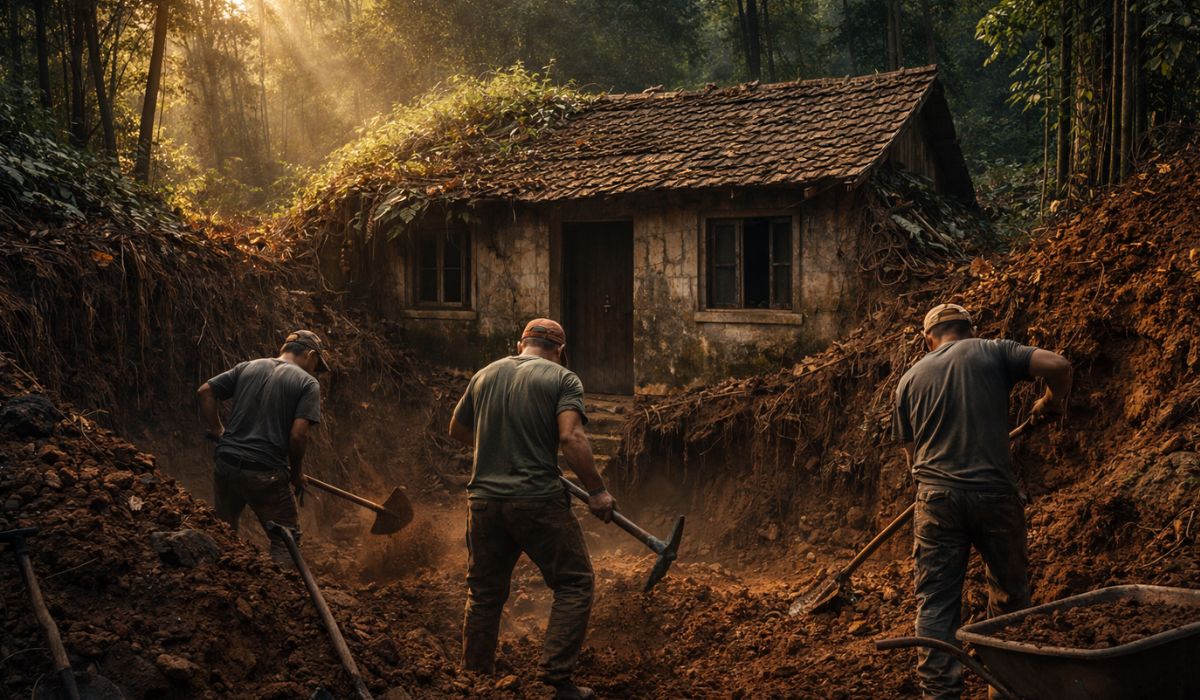
A promise made to their father led three men to unearth a forgotten house that had been swallowed by time for over 70 years, in a story of memory, abandonment, and reconstruction that seems straight out of a movie.
-
A strong earthquake in Indonesia affects houses and schools, causes panic, triggers a tsunami alert, and records a rise in sea level of up to 30 centimeters in some areas.

-
The Argentine government celebrates the lowest poverty rate in 7 years, but experts warn that the methodology has changed, real wages have fallen, unemployment has risen, and the number of people on the streets of Buenos Aires has increased by 57% since Milei took office.


The futuristic look and good standard equipment are appealing. But outside Brazil, like in Uruguay, it is called Seagull.
The choice follows BYD’s logic of naming its models after sea animals — like Dolphin and Seal. The Dolphin Mini, or Seagull, will be one of the first cars from the brand to be produced in Brazil.
Toyota SW4 is Fortuner in Other Countries
The Toyota SW4 is an SUV derived from the Hilux, known for its large size and adventurous profile. It is a common choice for those who want a rugged vehicle, whether in the city or off-road.
In Brazil, the name SW4 has become traditional. But in other countries, like South Africa, the same model is referred to as Fortuner.
The SUV features a 2.8 turbo diesel engine with 204 hp, a six-speed automatic transmission, and space for up to seven passengers.
Prices here range from R$ 412,190 to R$ 469,890. The Fortuner, although under a different name, is exactly the same car.
Kia Mohave is Borrego in the United States
Another SUV that had its name changed is the Kia Mohave. In Brazil, it arrived around 2010, with an imposing look and a V6 3.8 engine with 275 hp. Capable of comfortably carrying seven people, it did not achieve the expected success in the country.
But in the United States, the model was known as Borrego. Mohave, there, is a term related to a Native American people, a county, and even a language. For the North American market, Kia opted for a different name — perhaps to avoid cultural confusion.
Fiat Strada Becomes Ram 700
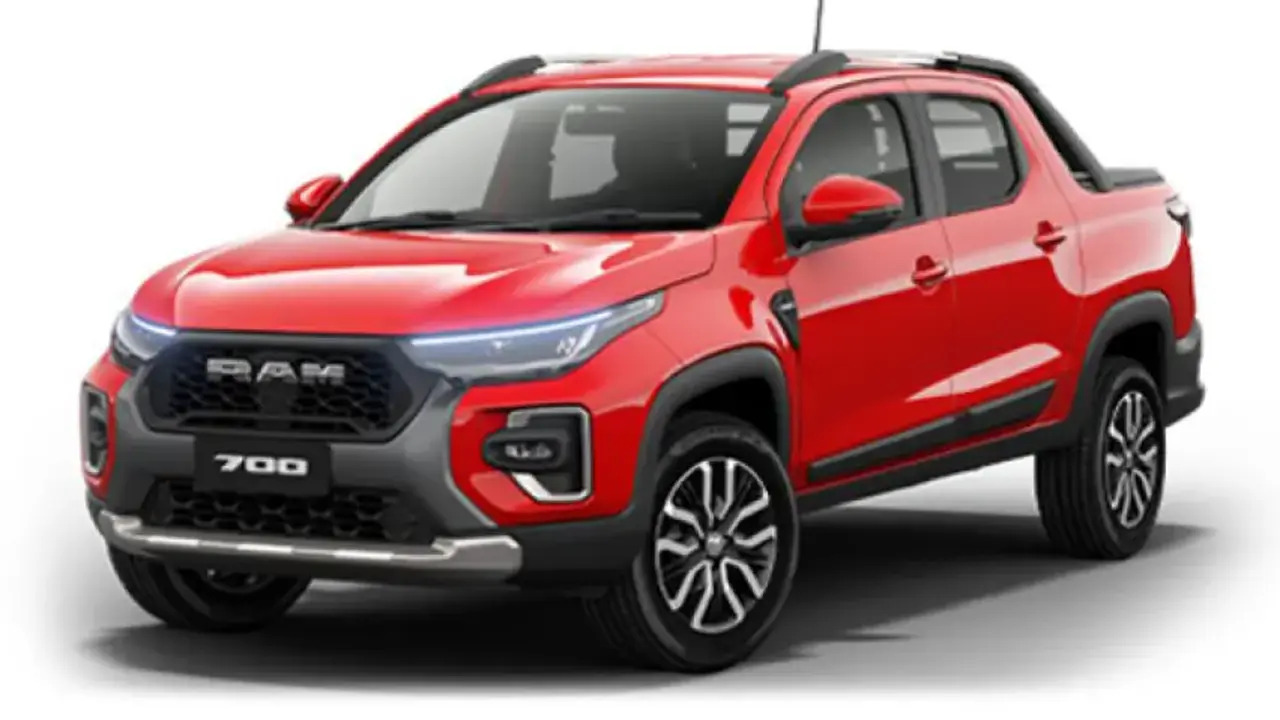
The Fiat Strada is a best-seller in Brazil and a constant presence on the streets. However, in Mexico, it changes name and even brand. There, Fiat only offers passenger cars. So, the Strada is sold at Ram dealerships as the Ram 700.
The look is eye-catching, especially with the large Ram logo on the grille. The Mexican version comes with a 1.3 Firefly engine with 98 hp and can carry up to 750 kg or 1,354 liters in the cargo bed, depending on the version.
Mitsubishi Pajero is Montero in Spanish-Speaking Countries
To wrap up the list, we have the Mitsubishi Pajero. In Brazil, it is sold as Pajero Sport, with a capacity for seven people and a 2.4 turbo diesel engine with 190 hp. Prices range from R$ 382,990 to R$ 432,990.
But in Spanish-speaking countries, like Chile, the name changes. There, it is called Montero. This is because “Pajero,” in the Spanish spoken in those places, has an undesirable meaning. The name change avoids embarrassment and makes the car more marketable.
Name Changes, but the Car is the Same
Even with different names, the models remain the same in terms of mechanics and style. The change is made for marketing strategy, cultural adaptation, or local sound. For the consumer, what changes is just the name — but curiosity always attracts attention.
With information from Auto Mais TV.








Seja o primeiro a reagir!