





 Portuguese
  English
  Spanish
  3 min of reading


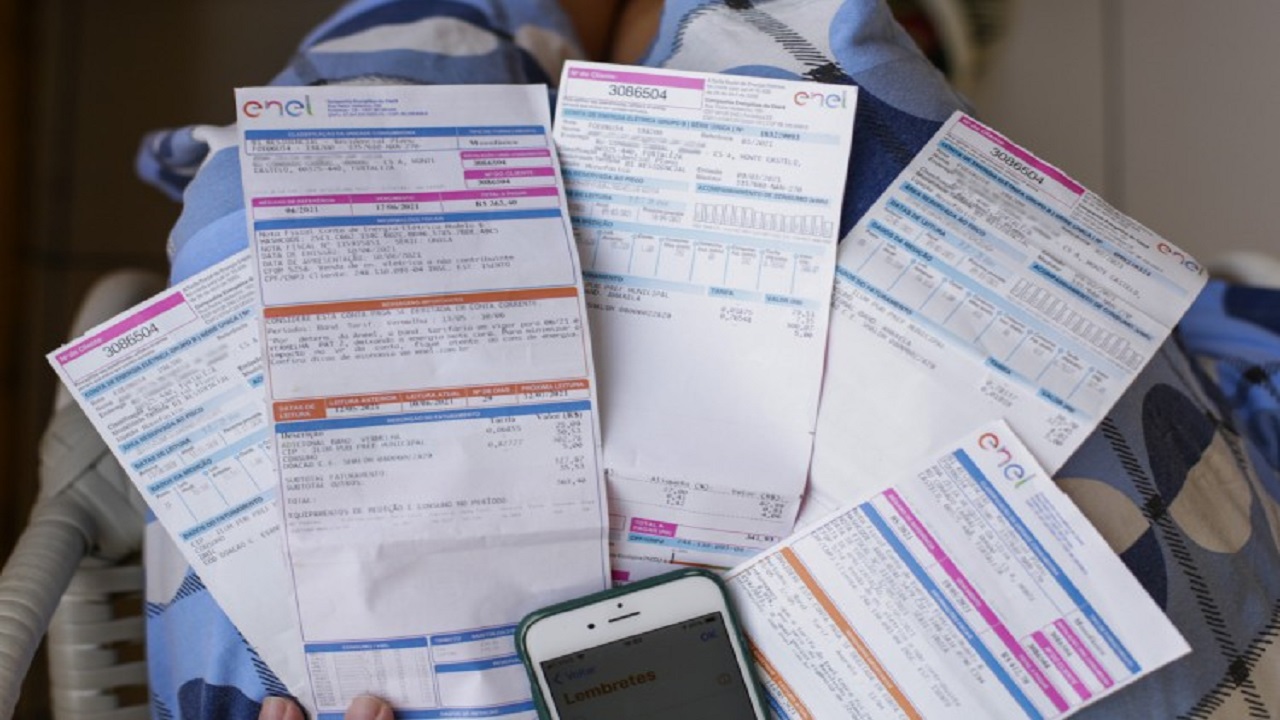
Supreme Federal Court (STF) Puts An End To Differentiated Taxation For Light Bills And Telephone. Specialists Rebut The Decision, Claiming That The Initiative Will Bring Negative Impacts.
The increase in light and telephone bills may face new adjustments in the coming months, as the Supreme Federal Court (STF) decided to end the practice of states charging differentiated taxes for these sectors. The initiative from the entity, however, may result in the state losing around R$ 800 million next year and adversely affect the funding of public services such as education, public safety, and health.
Read Also
Fernanda Pacobahyba Says That STF Initiative May Result In Negative Scenarios For Candidates’ Reelection
According to Fernanda Pacobahyba, Secretary of Finance of Ceará, the Supreme Federal Court’s (STF) decision regarding light bills will have a significant impact on the fiscal balance of the states next year, as it may result in a direct impact on tax revenue.
In an attempt to reorganize finances, the state will have to arrange new actions alongside the Legislative Assembly, causing delays and friction in some decisions. Fernanda also highlighted that the impacts on the budget, following the Supreme Federal Court’s (STF) decision, could create negative scenarios for governors who are trying for reelection next year but face greater opposition in the Legislature.
-
Inflation in March reaches 0.88% according to IBGE and pressures the Brazilian economy, impacting family budgets and requiring more strategic decisions to maintain financial control.
-
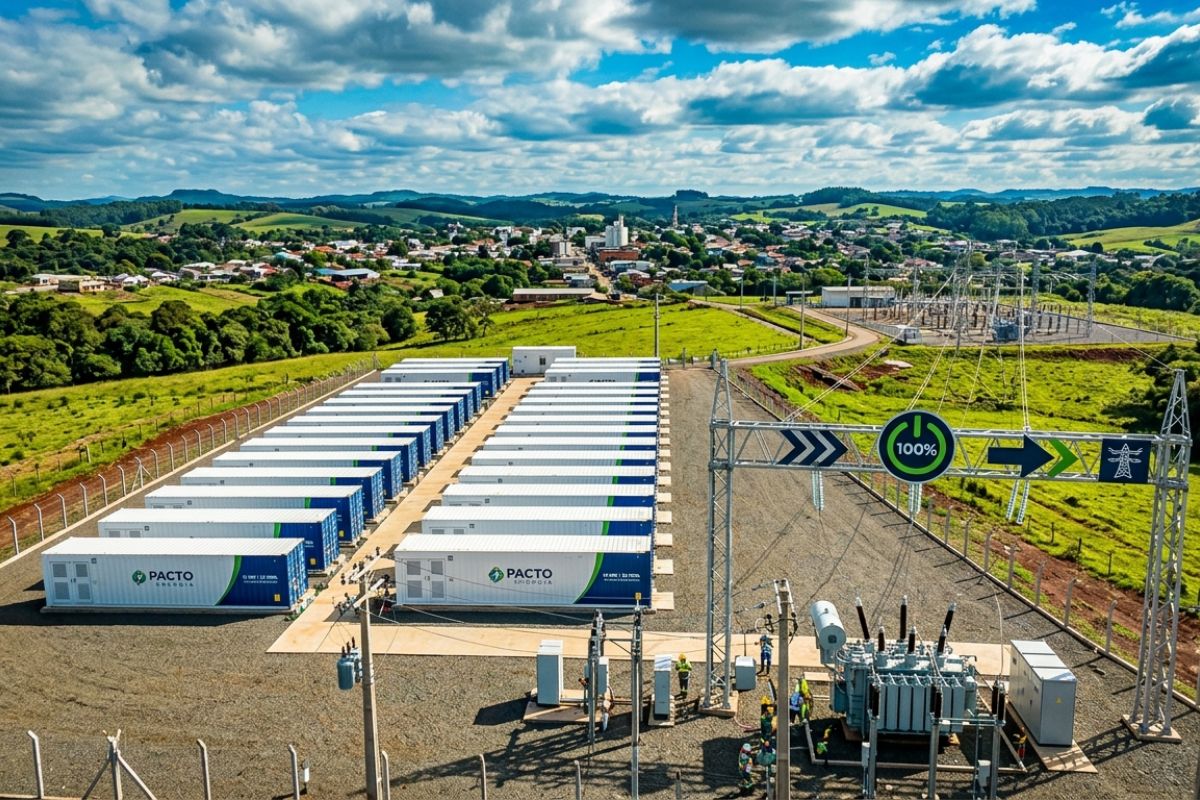
In Paraná, distributor Pacto connects 100% of the load in Coronel Vivida to batteries: a BES of 10 MW and 20 MWh costs just over R$ 30 million and lowers the local tariff now.
-
With a dependence of up to 80% on gas imported from the United States, Mexico is responding with a robust energy strategy, betting on shale gas, creating a scientific committee, and preparing to expand natural gas production to reduce vulnerability and strengthen its energy security in the coming years.
-
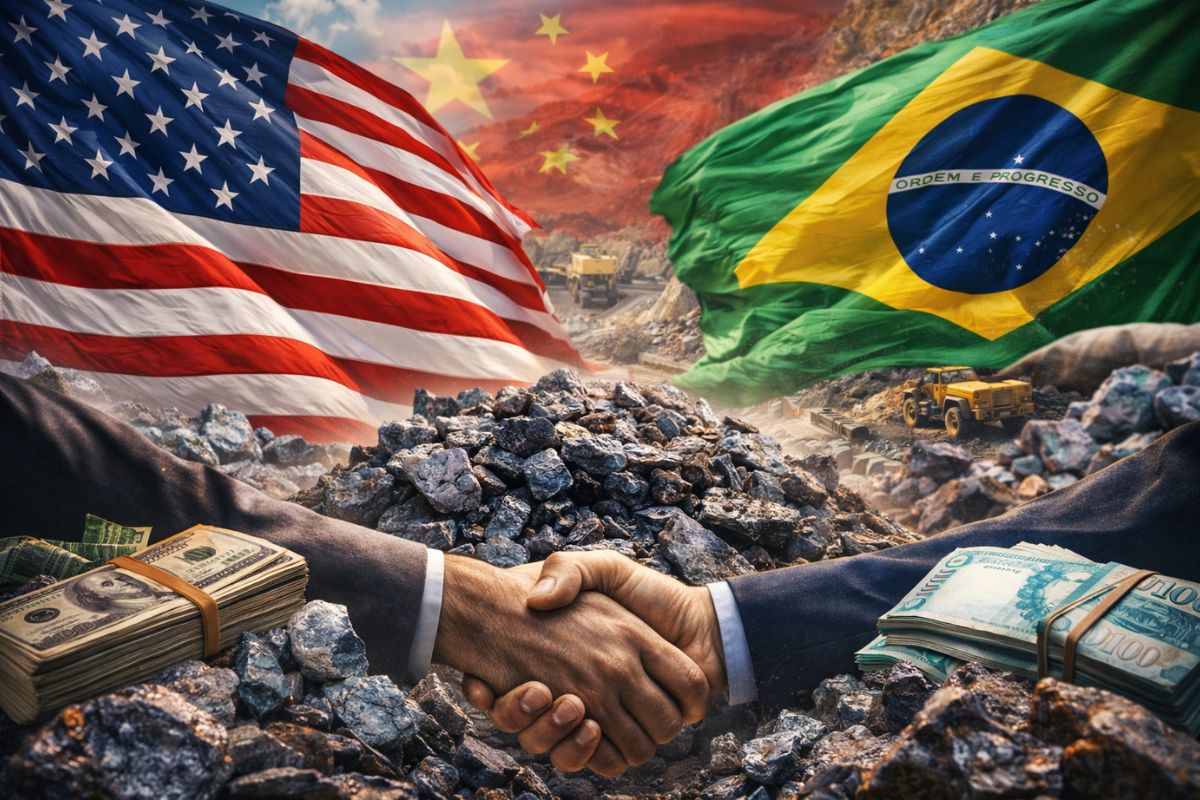
The United States proposes to Brazil a critical minerals agreement with a minimum price to combat Chinese dumping and priority for investment, but the Planalto is blocking the signing out of fear of upsetting China and due to electoral calculations in a year of competition.
The negative impacts on state revenue will occur because several governments utilize tax rates on light bills above the ordinary rates, generating a higher revenue flow than would normally be expected. However, Fernanda stated that there will be coordination to ensure that the measures taken for light and telephone bills take effect only in 2023, giving states more time to organize their budgets.
Difficulties In Financing Basic Social Services
The prospect of impacts on state revenue is confirmed by Silvana Parente, vice president of the Regional Economics Council (Corecon) in Ceará. Silvana stated that states may have more difficulty financing basic social services due to the decline in revenue from light and telephone bills.
Moreover, the vice president also stated that, despite the Supreme Federal Court’s (STF) decision generating benefits to the end consumer, the effects are not as balanced as they should be.
Many states already implement social tariffs aimed at the most disadvantaged classes. According to Silvana, these discussions should be addressed in the context of tax reform, in order to review the regressivity of the tax system that burdens the poor more, as they pay a larger portion for consumption.
Could STF Initiative Stabilize Light Bill Rates? Tax Attorney Rafael Cruz Discusses The Issue
On the other hand, tax attorney Rafael Cruz stated that the Supreme Federal Court’s (STF) decision could bring direct benefits to consumers in Ceará.
Additionally, he asserted that the initiative is on the right track, as it stabilizes the ICMS charges on light bills and other essential items for consumers. Rafael also noted that the Supreme Federal Court could also review gasoline rates and other products.
The ICMS on gasoline in Ceará is 29%; however, it could be at the basic level of 18%, as it is essential for the circulation of people, transportation of goods, and for the economy.







Seja o primeiro a reagir!