





 Portuguese
  English
  Spanish
  3 min of reading
  4 comments


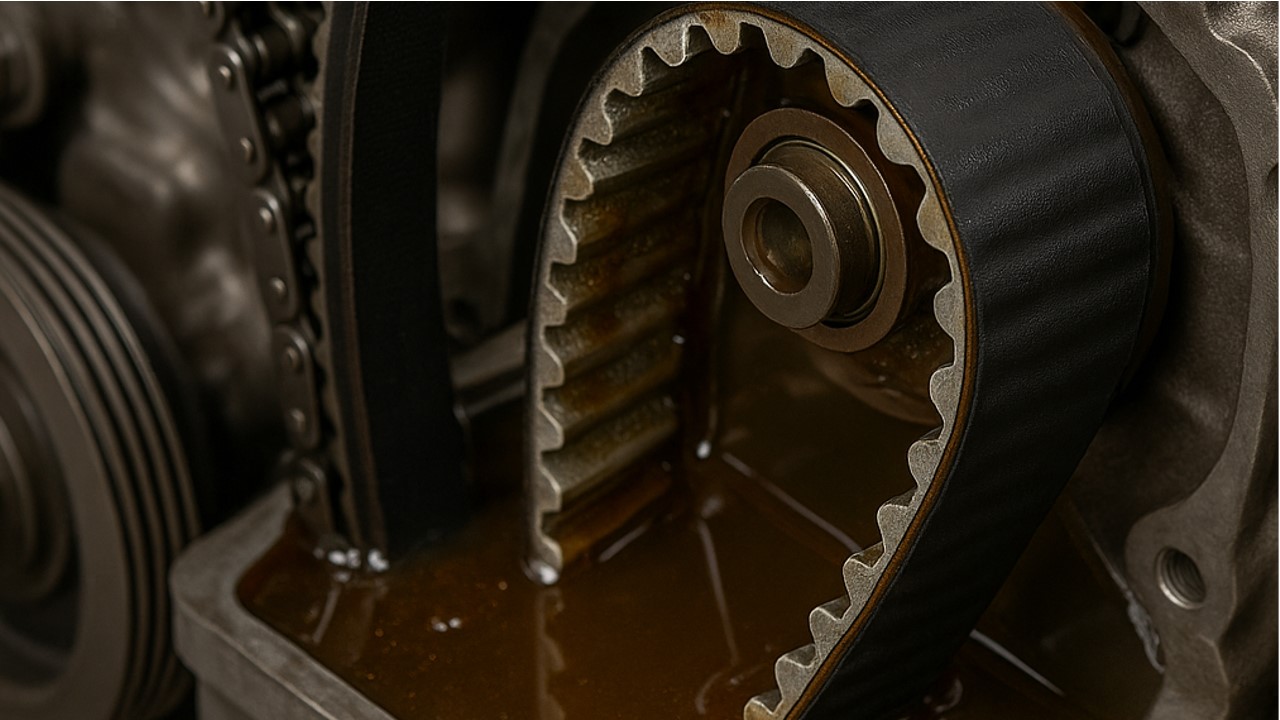


The Choice Between Chain and Timing Belt Can Affect Engine Durability and Maintenance Cost; See Why the Onix Became an Example in This Debate.
When buying a new car or taking care of your current vehicle, a very common question arises among drivers: which system is better for the engine — chain or oil-bathed timing belt? Although both serve to synchronize the engine’s operation, the differences between the two go far beyond appearance.
The discussion has gained momentum in recent years, especially after models like the Chevrolet Onix faced controversies related to the use of the oil-bathed belt, a system that, at first glance, promised to be more durable and quieter. But is this really the best option?
Timing Chain: Durability and Reliability
The timing chain, present in models such as Nissan Kicks and Toyota Corolla, is known for its high durability. It works similarly to a bicycle chain but is reinforced to withstand the constant heat and friction of the engine. In practice, it can last the entire lifespan of the car — over 200,000 km, with no need for replacement.
-
Honda performs miracles in fuel consumption with a hatch that marks 13.2 km/l in the city and 15 km/l on the highway, leaving Polo, HB20, 208, and Onix behind and becoming a reference among compact cars without resorting to turbo or hybrid systems.

-
Six diseases that seem common but can prevent the renewal of the driver’s license for the elderly throughout Brazil and surprise experienced drivers — could any of them affect you without showing clear signs?

-
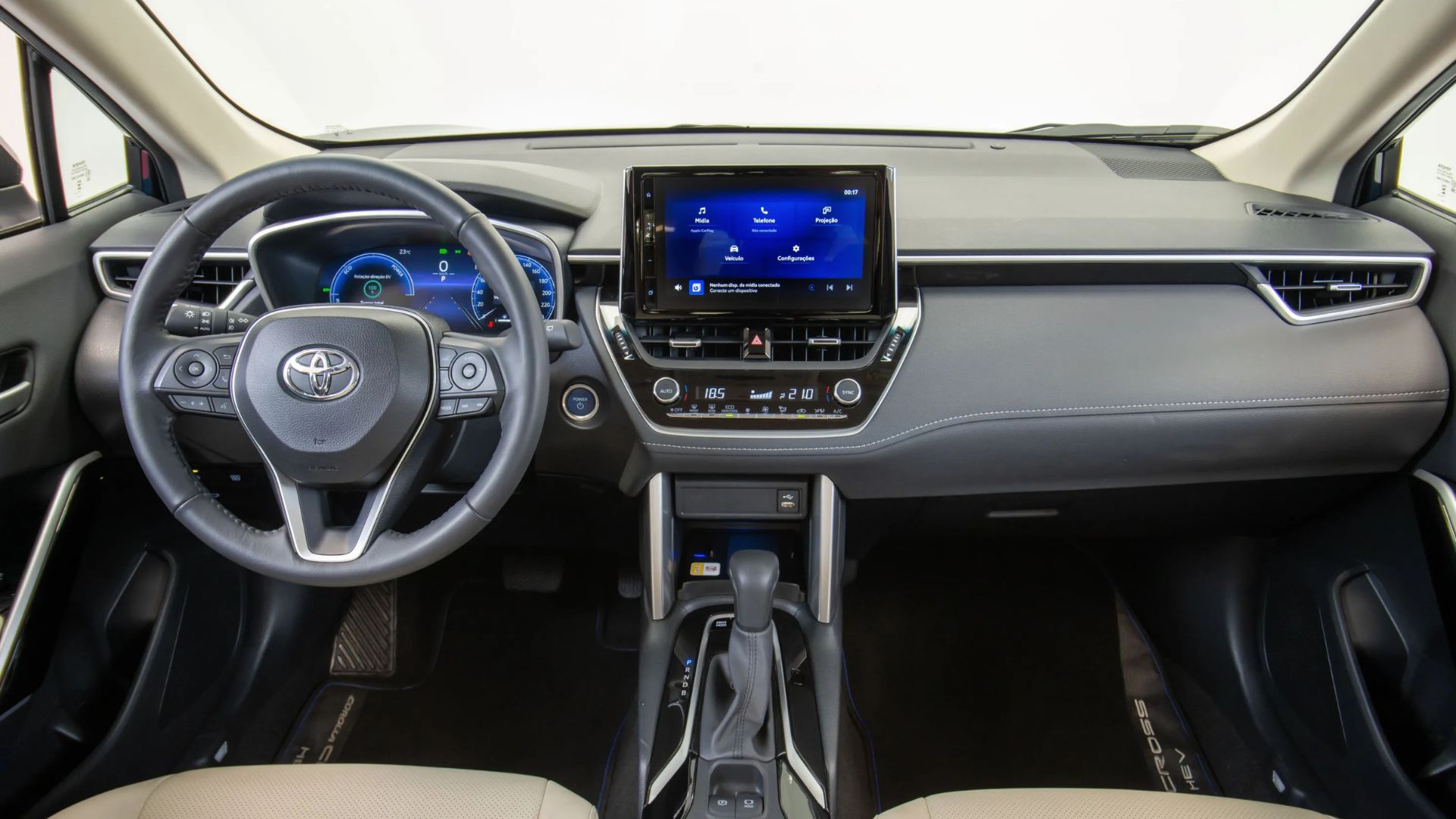
With 122 hp, fuel consumption of up to 17.7 km/l, and a trunk capacity of 440 liters, this hybrid SUV impresses even though it costs up to R$ 47,000 more than the Yaris — meet the Toyota Corolla Cross.
-
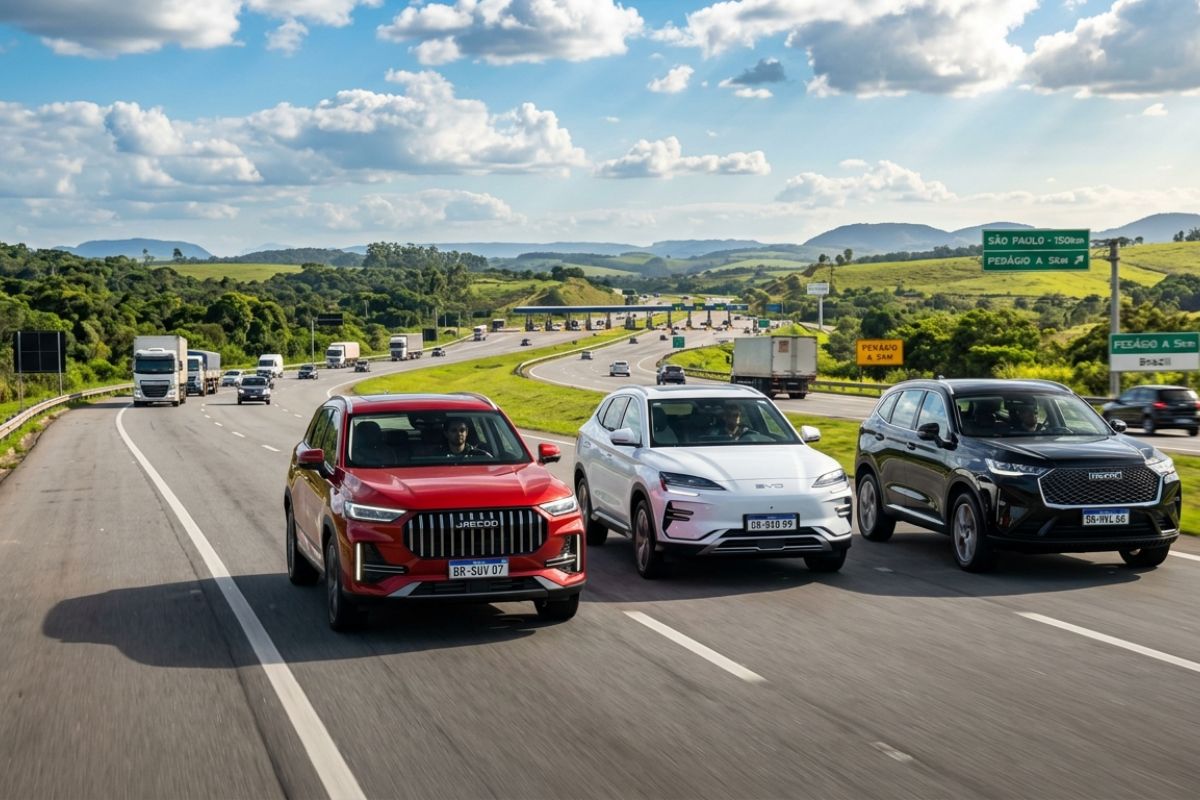
600 km with three Chinese plug-in SUVs, same mode and air conditioning on: Jaecoo 7, BYD Song Plus, and Haval H6 hit the road, and the pump reveals who was truly the most economical.

Another positive point is the low maintenance. Because it is constantly lubricated by the engine oil, it rarely causes problems, except in extreme cases of lack of oil changes or use of low-quality lubricant.
On the other hand, the repair cost, when needed, is usually higher, as it involves more robust parts and specialized labor.
Oil-Bathed Timing Belt: Quieter, but Requires Attention
The oil-bathed timing belt, like the one used in GM’s 1.0 Turbo engines, including the Onix and Tracker, offers a smoother and quieter operation. On paper, it also has a long durability — estimated between 150,000 and 200,000 km — and contributes to the engine’s efficiency, as it provides less resistance.
However, the problem begins when preventative maintenance is neglected. Using the wrong oil, delays in changes, or even design flaws can lead to premature belt degradation. And the result can be catastrophic: if it breaks, the engine can suffer serious damage — such as broken valves and pistons — and the cost can easily exceed R$ 10,000.
This is exactly what happened to several owners of the Onix, who faced serious failures even with low mileage, leading to complaints on social media and specialized workshops.
So, Which Is Better?
The answer depends on the driver’s profile. Those who drive a lot and want less hassle with maintenance can do better with the timing chain. Meanwhile, those who prioritize comfort, quietness, and strictly follow the manufacturer’s manual can benefit from the oil-bathed belt — as long as they always use the correct oil and adhere to the change intervals.
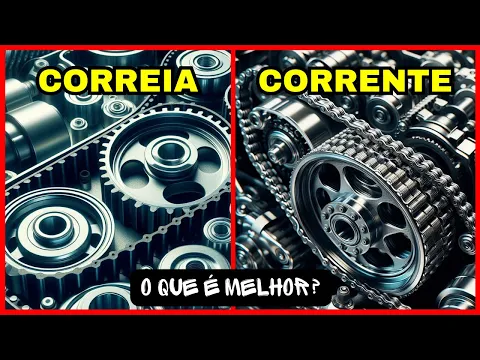

And for you? What is the best option?







Cada um fala uma coisa… Difícil saber o que é bom. Tem gente que defende com unhas e dentes que teve e nunca deu problema
Cara, não sei como pode alguém ainda tentar comparar corrente de comando com a famigerada correia banhada a óleo.
Ja tive Etios com correia de comando e meu sogro tem um mobi 3 cilindros fire fly que também tem correia de comando ja com mais de 200 mil km, nenhum deles tem problema de excesso de ruido por causa da correia, o etios vendi com quase 600 mil km e a corrente era a original, se é pra ser motor com correia de comando que seja a boa e velha correia seca que se troca a cada 60 mil km e nao precisa abrir o motor para trocar, praticamente qualquer Tião da oficina troca uma correia dentada comum.
Bem isso mesmo e mostrou o real da coisa. Mas tem também uma outra opção sem correia ou corrente que não precisa nem manutenção e dura até acabar o carro. O sincronismo do motor com engrenagens, fica silencioso, confiável e sem manutenção.
Por isso que Toyota é uma marca tão consagrada né