





 Portuguese
  English
  Spanish
  6 min of reading
  0 comments


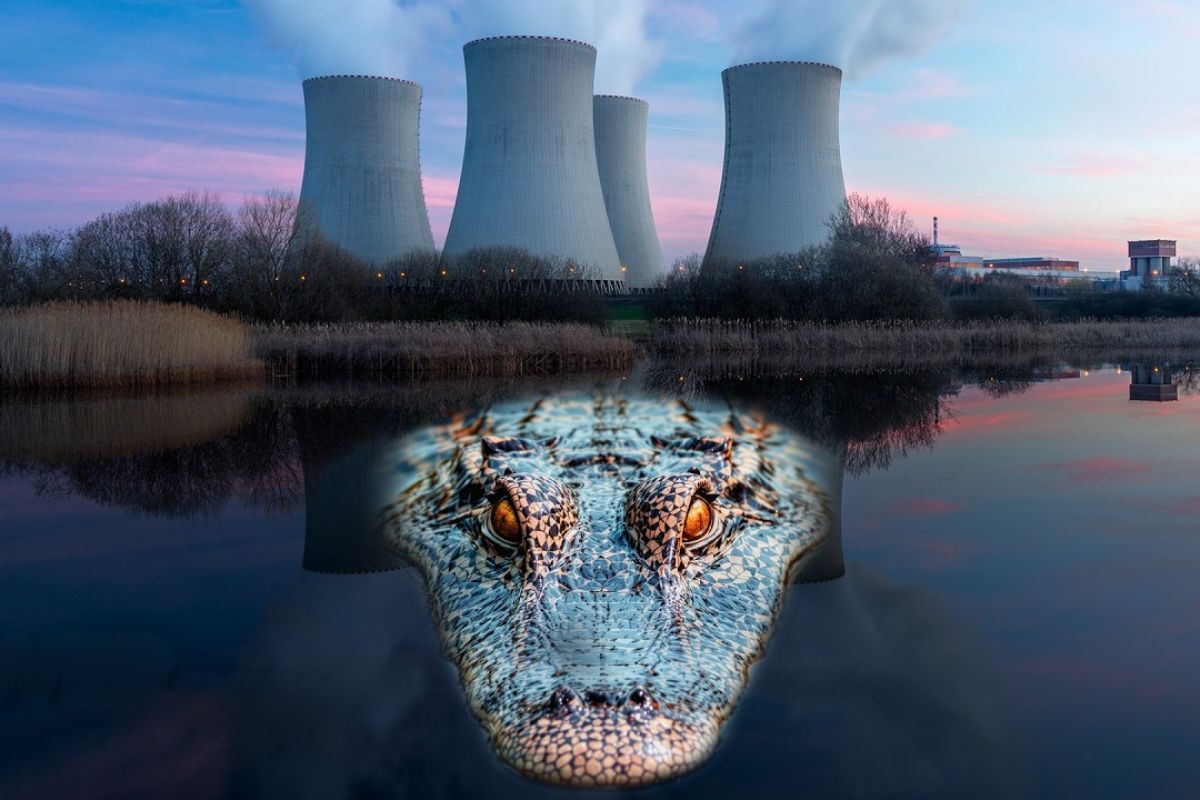
In Southern Florida, Near Miami, American Crocodiles Occupy Brackish Water of Turkey Point Cooling Canals Built in the 1960s. The Water Circulates and Cools in 48 Hours Without Contacting Radioactive Equipment. Nests Discovered in 1978 Initiated Continuous Monitoring and Significant Recovery with Over 10,000 Records
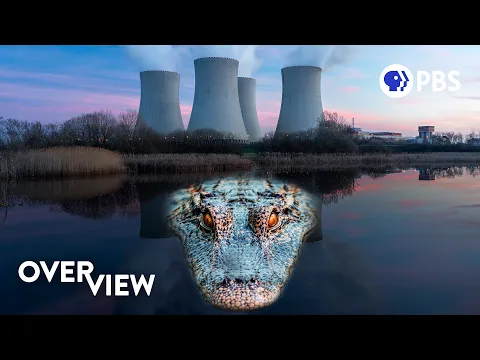
At Turkey Point, in Southern Florida, near Miami, American crocodiles have turned a maze of artificial water into a refuge, occupying cooling canals built for a nuclear power plant. Crocodiles have come to use the site for living, hunting, and reproducing in brackish water and away from constant public presence.
The case draws attention because it debunks a recurring myth about “radiation in the canals”: there is no radioactivity in the water where crocodiles live, as the cooling cycle does not involve contact with radioactive equipment. The result is a rare and measurable recovery: from an estimated population of 150 to 300 animals in the 1960s and 1970s, Southern Florida has recorded more than 2,000 crocodiles since the start of the monitoring program.
Florida, the Only Place with Native Wild Crocodiles in the United States

In the United States, there is only one place where native wild crocodiles are found: Florida. There is also another unique detail: it is the only place in the world where crocodiles and alligators live side by side, sharing the same state and, in many areas, nearby spots.
-
Goodbye iron: new technology from Xiaomi promises to revolutionize the way we iron clothes with 500 kPa steam, continuous flow of 120 g/min, heating in 65 seconds, and six smart modes for different fabrics.

-
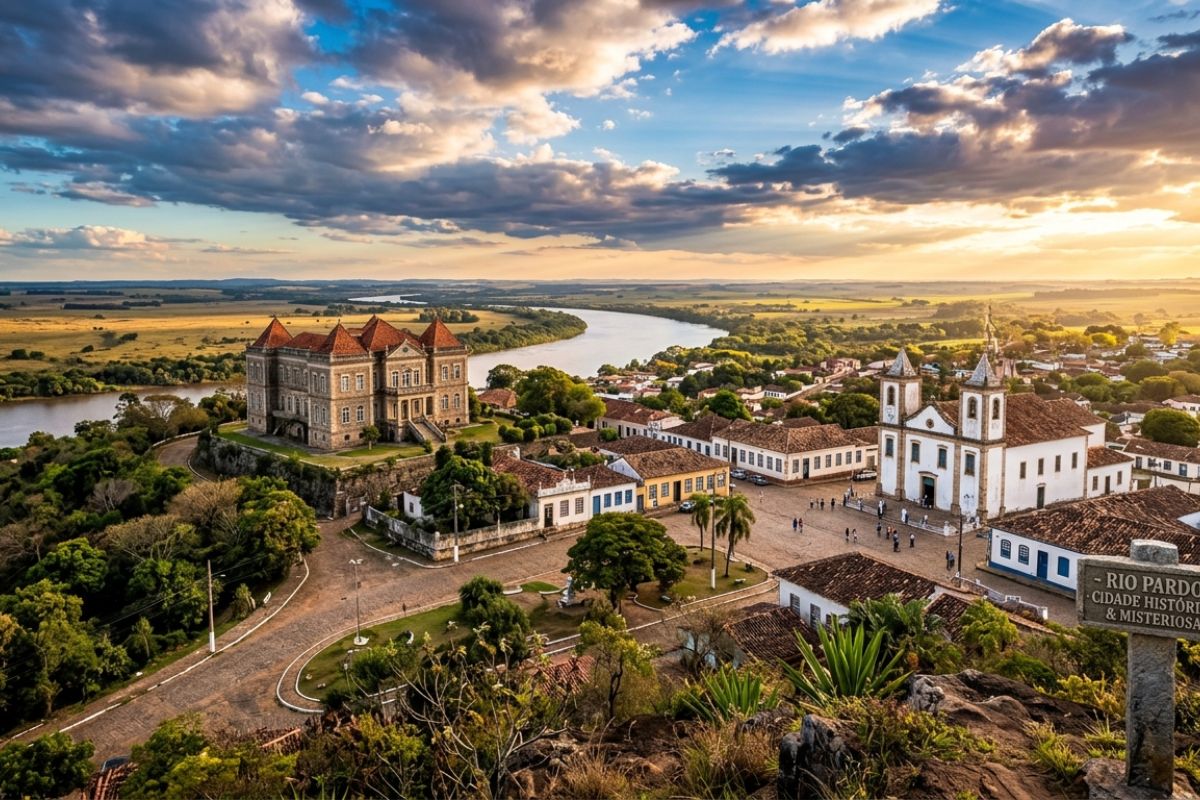
Rio Pardo, the most mysterious city in Rio Grande do Sul: untouched Pampas castle, the missing treasure of the Devil Boy, bride’s saint, invisible tunnels, and a 200-year curse today.
-
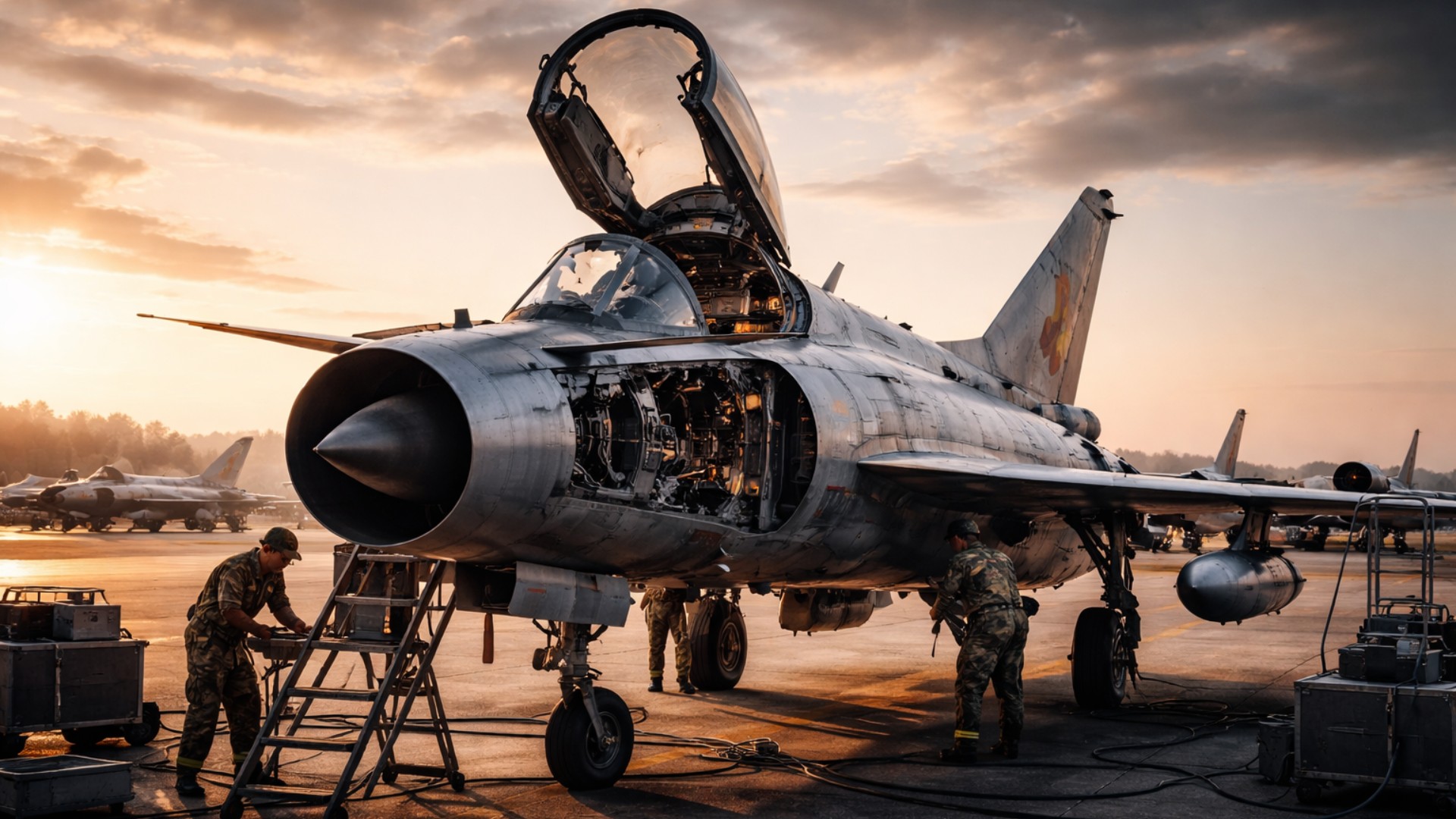
China retires the J-7 fighter after years of military protection and can now transform military items into drones, following more than 60 years of operation of the J-7, derived from the MiG-21, with thousands of units produced and strategic use in the PLAAF and PLANAF.
-
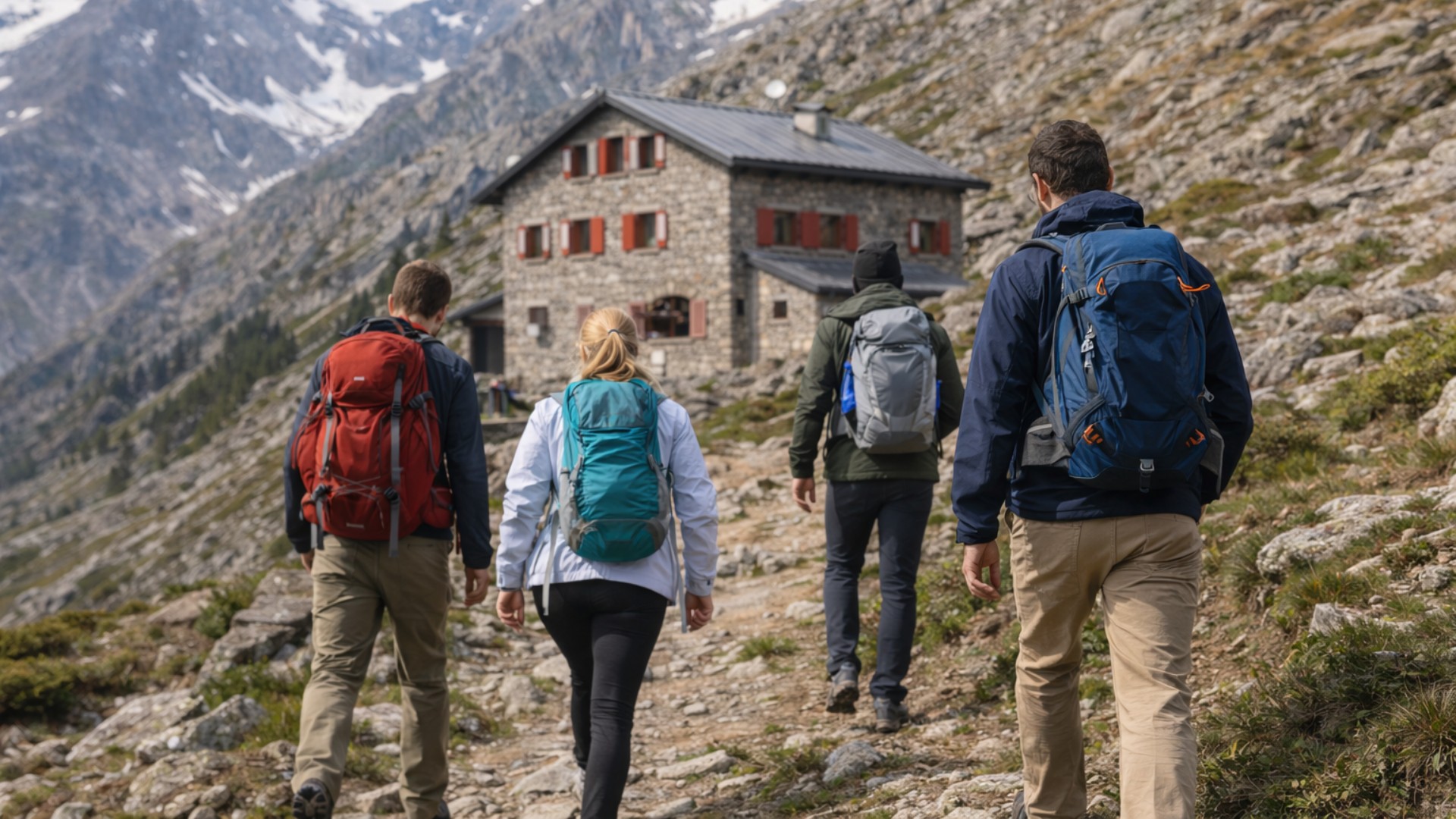
Volunteers are sought to live in the mountains for a month: a study pays people to stay at 2,500 meters, with 24-hour monitoring of sleep, metabolism, and blood pressure.

American crocodiles are native and rare, different from many invasive species that have spread throughout Florida. Although they resemble alligators, they are generally longer, with narrower snouts, more visible teeth, and a notable feature in the report: the strongest bite in the animal kingdom.
Turkey Point is not a hidden swamp or isolated river. It is a massive cooling canal system, a maze of artificial water that stretches for miles. The system is described as enormous: 168 linear miles of canals, so large that it is visible from space.
The power plant was built in the 1960s to generate electricity for the expanding population of Southern Florida. The energy produced supplies nearly 1 million homes, and the hydraulic system acts as a radiator: the water passes through the plant to remove excess heat, flows through the canals to cool, and completes the cycle in about 48 hours.
No Radioactivity: Why Crocodiles Do Not Depend on Contaminated Water

One of the most emphasized points at Turkey Point is a common misconception: imagining that there is radioactivity in the canals. The described scenario is the opposite. Crocodiles live in brackish water connected to the cooling cycle, but without touching any radioactive equipment.
This completely changes the perception of the phenomenon. The refuge is not formed by “adaptation to radiation,” but rather by classic ecological conditions: available water, food, nesting sites, and low direct human interference within the complex.
The two nuclear units began operation in the early 1970s, and in 1978, during work at the site, a crocodile nest was found. This discovery marked the beginning of a more structured phase of attention to what had formed there.
At that time, crocodiles were in trouble, with estimates of 150 to 300 individuals in the 1960s and 1970s. From the moment the nest was confirmed, the routine of learning and monitoring what was happening within the complex began, transforming an industrial system into a rare case of applied conservation.
What the Canals Offer: Food, Nesting Slopes, and Lack of Public Presence

The practical explanation for the attraction of the site is presented in three pillars. First, the cooling canal system, which has become an ecosystem in itself and now hosts enough prey to sustain crocodiles. Second, elevated slopes, used as nesting areas. Third, a decisive variable for shy species: the absence of public presence in the area, reducing disturbance and human intrusion.
There is also an important biological factor in habitat choice. Unlike alligators, crocodiles can tolerate saltwater thanks to special glands that expel excess salt. They prefer coastal, brackish, and saltwater environments, which are precisely the same ones that humans tend to occupy with homes, intensifying habitat loss and pushing part of the population into refuges like Turkey Point.
Over time, Turkey Point has been described as the most concentrated nesting area in Southern Florida for American crocodiles. This data is central to understanding why the location has become more than just a curious point: it has turned into a measurable reproductive nucleus, with annual monitoring and systematic data collection.
The monitoring involves tracking growth, health, and nesting behavior, combining field work, measurements, and individual identification. The goal is to understand the population over time and maintain sustainable recovery, without relying on assumptions.
How a Crocodile Hatches There: Eggs, Incubation, Risk, and Maternal Vigilance

The described reproductive cycle is detailed. The female prepares the nesting cavity, lays the eggs, covers it again, and returns to the water, maintaining a pattern of going up and down to check and protect the nest. The incubation period is approximately three months until hatching.
The clutch size varies based on the size and age of the female, with an expectation of about 20 to 50 eggs. However, survival is low. Upon hatching, the young are tiny and are at the base of the food chain, serving as food for birds, fish, turtles, and even other crocodiles. Crocodiles are on the menu for crocodiles, which reinforces the natural mortality pressure at the beginning of life.
Observing crocodiles is highlighted as more effective at night. During the day, camouflage makes many animals nearly invisible, but at night, with a flashlight, it is possible to see the reflection of their eyes. It is during this period that teams go to the canals to track young and check nests.
In one of the years described, 529 young were captured, indicated as the third largest number of young in the program’s history. The logic is straightforward: healthy young mean a healthy population, and the data collected on each individual feed conservation decisions and monitoring.
The Laboratory: Measurements, Identification, and Rapid Return to Nature
After captures, samples and young proceed to processing in the laboratory. The federal license allows up to five days to process the young, but the operational goal is to return them to nature as quickly as possible.
Measurements include snout-to-vent length, total length, head length, and tail circumference. Each crocodile receives two forms of identification. The first is a tag the size of a grain of rice, with a unique number, injected at the base of the tail. The second is a visual identification via scale notching, allowing for recognition of individuals without repeated handling.
Over the years, more than 10,000 individuals have been identified, forming one of the most comprehensive datasets for any reptile species in the world. This history allows for comparisons between old and new measurements, estimating growth, mapping movements, and documenting cases of wide dispersal, including crocodiles born in Turkey Point that appeared even in golf courses in Tampa.
Since the start of the program in the 1970s, the population in Southern Florida has grown from a few hundred to over 2,000. The recovery is described as a remarkable turnaround and positioned Turkey Point as an example of how an industrial system can unexpectedly sustain a refuge for a rare species.
The trajectory is also marked by a formal milestone: in 2007, the population of American crocodiles was downgraded from “endangered species” to “threatened species.” This data reinforces that the recovery was sufficient to change the risk status, without relying on any narrative of “beneficial radiation,” but rather on functional habitat, protection, and consistent monitoring.
In Turkey Point, in Southern Florida, American crocodiles have thrived by transforming artificial cooling canals into habitat, utilizing brackish water, available food, nesting slopes, and low direct human presence. Crocodiles are not there because of radioactivity, but because of a set of ecological conditions that allowed reproduction and population growth, with monitoring that has already identified over 10,000 individuals and recorded numbers like 529 juveniles in a single season.
If you follow conservation and infrastructure, the most realistic step is to observe how industrial areas with controlled access and environmental management can become involuntary refuges, without romanticizing the risk, but recognizing data on recovery and protection mechanisms.
In your opinion, what matters more for crocodiles to thrive in Turkey Point: the absence of public presence or the ecosystem created by the cooling canals?






Seja o primeiro a reagir!