





 Portuguese
  English
  Spanish
  3 min of reading
  0 comments


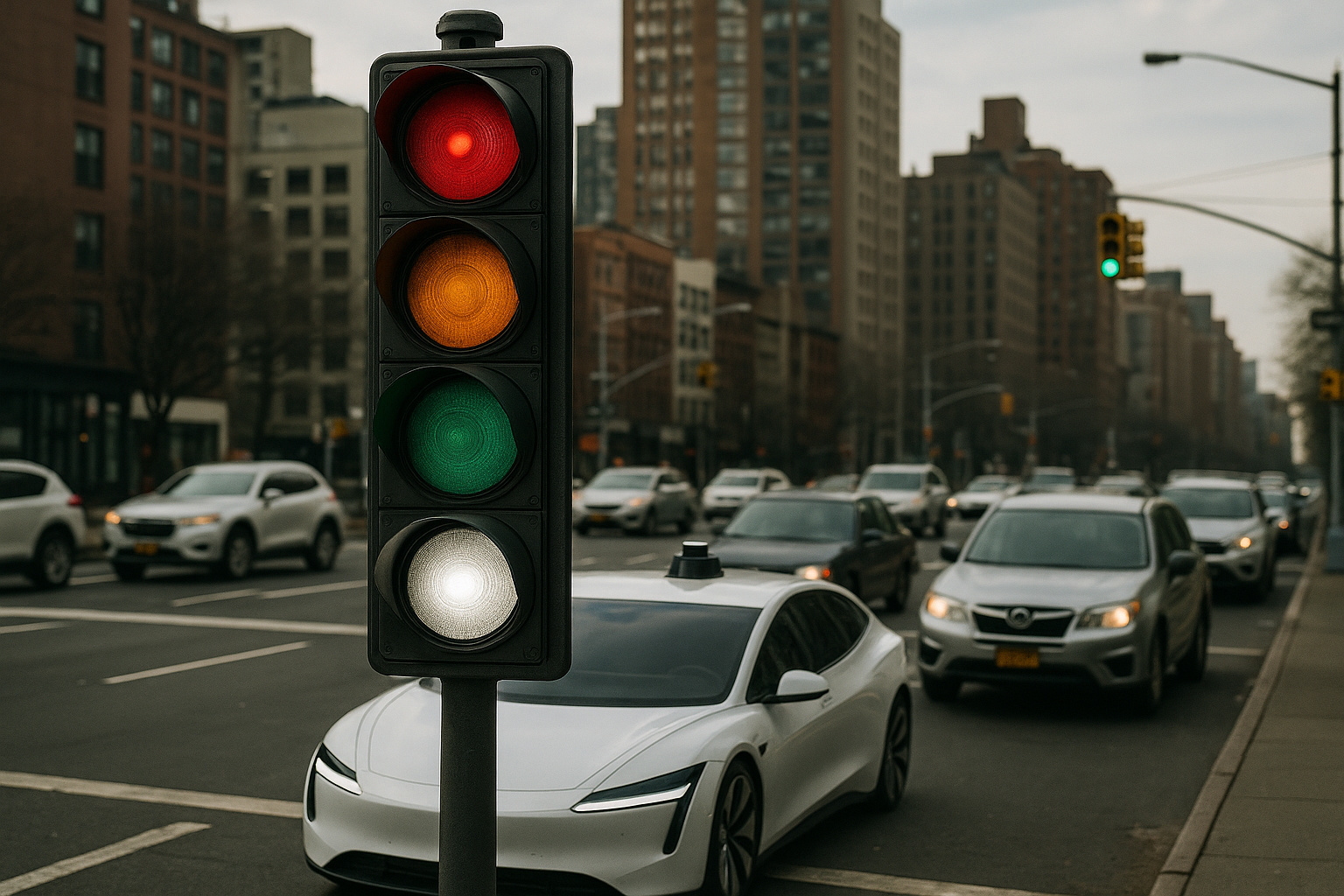
The Proposal From Scientists at North Carolina State University Suggests Adding a White Light to Traffic Signals to Allow Connected Autonomous Vehicles to Coordinate Intersections and Reduce Congestion, Altering a Century-Old Logic of Urban Mobility
Traffic lights could gain a fourth white light to accommodate the advancement of autonomous cars on urban roads, according to a study from North Carolina State University in the United States. The change, still in the virtual testing phase, aims to improve traffic flow by allowing connected vehicles to coordinate intersections together with human drivers.
The proposal relies on technology known as V2X (vehicle-to-everything), which is already applied in some models from automakers like Volkswagen. This system enables real-time information exchange between vehicles and road infrastructure, sending alerts about collisions, road conditions, or route changes to ensure greater safety.
According to the researchers, the white light would be activated when a sufficient number of connected autonomous vehicles approached the intersection. In this situation, human drivers would receive a simple instruction: follow the car in front, as the computer would be driving the crossing.
-
The car stored for 38 years: when opening the barn door, what appears is breathtaking and looks like a scene from a movie!

-
Fiat works miracles in the Brazilian market, lowers the price of its 0 km hatch to R$ 69,990, reestablishes the model as the cheapest car in the country, and reignites the battle against Kwid and C3.
-
Chevette with cooking gas: How the gas cylinder ends up being used in cars clandestinely and why this makeshift solution can result in leaks, explosions, damaged engines, and seized vehicles.
-
Fiat launches the new 2027 Toro hybrid with 48V, 176 hp, an electric motor of 15.5 hp, a 0.85 kWh battery, up to 7% fuel savings, 8% fewer emissions, and possible exemption from IPVA.

How the White Light Would Work in Traffic Lights
According to the proposal, autonomous cars would exchange data among themselves and with the traffic light control system. This mechanism would create “platoons” of vehicles, easing traffic with fewer stops and starts. If the number of autonomous vehicles is low, the signal would revert to the traditional cycle with red, yellow, and green.

Some manufacturers are already experimenting with alternative colors to indicate autonomous direction. Mercedes-Benz, for example, has adopted turquoise blue in tests in the United States and Germany, showing that the choice of hue is not essential for the application of the concept.
In simulations conducted by scientists, the average waiting time at traffic lights decreased by about 3% when 10% of the fleet was autonomous. The gain was even greater when 30% of the vehicles had the technology, achieving a one-third reduction in travel time.
Simulation Results and Upcoming Challenges
The calculations also indicated benefits in fuel consumption and reduced congestion. When including pedestrians in the model, the white phase shortened routes by up to 55%. However, these data were obtained only in virtual environments, with no real street tests conducted to date.
This information was published by the portal Uol, in a report about the advancements of the research and its potential impacts on urban mobility. The article highlighted that the initiative still depends on full-scale physical prototypes to validate the results.
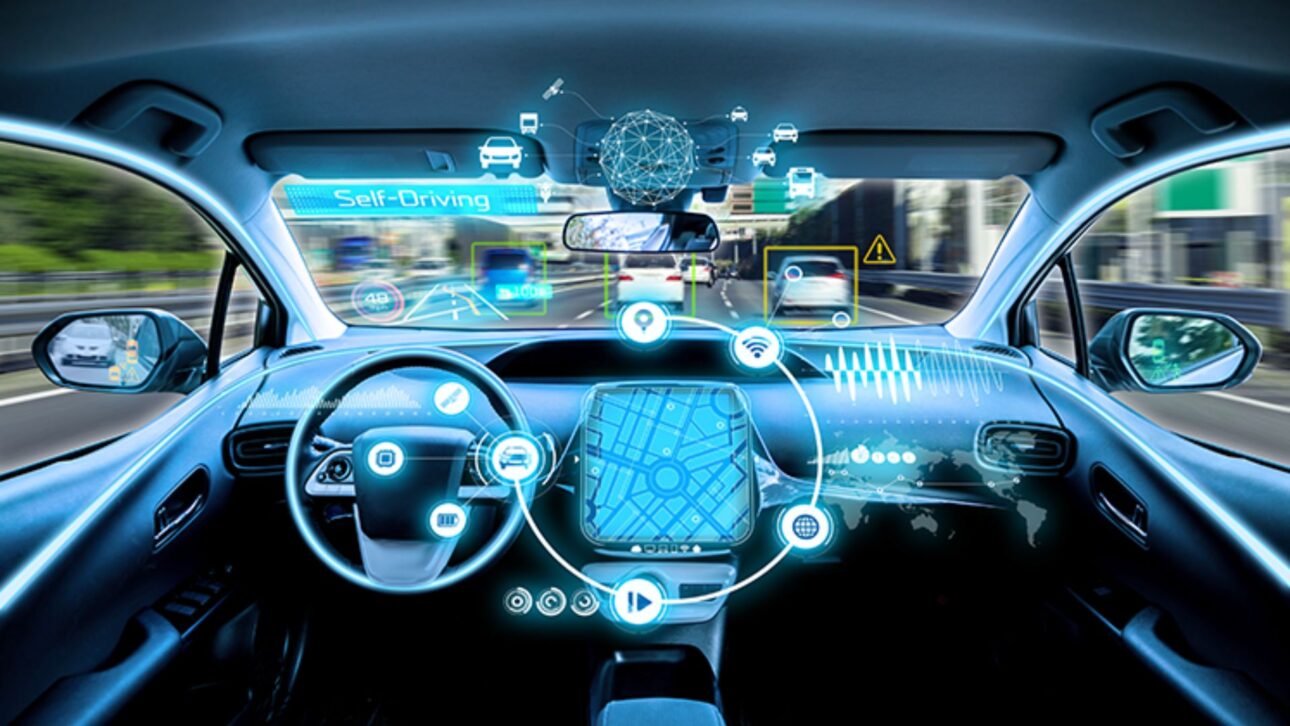
Critics of the project claim that the measure requires a significant participation of autonomous cars to function fully, something far from the current reality. Supporters see the proposal as part of a necessary update to infrastructure, in light of the growing popularity of autonomous driving in countries like the United States and China.
Looking Ahead to the Future of Smart Cities
Currently, American and Chinese cities already have fleets of autonomous taxis in operation. Experts expect that as this technology becomes more accessible, traffic lights with white lights will begin to integrate into the landscape of so-called smart cities.
If implemented, the measure could represent one of the biggest changes in traffic signaling since the creation of the modern traffic light in 1914, in Cleveland, United States. The adaptation would be necessary to harmonize the coexistence of humans and machines in urban traffic.
As simulations progress, governments, automakers, and research institutions discuss how to prepare the road network for this transition. The future of the traffic light may soon gain an additional color to keep pace with the rhythm of digital mobility.
With the approval in the Chamber of a project that seeks to regulate the circulation of autonomous cars in Brazil, do you think the proposal for traffic lights with white lights could work in our cities in the future, knowing that, for this, it would first be necessary to consolidate the presence of these vehicles on the streets?





-

Uma pessoa reagiu a isso.