





 Portuguese
  English
  Spanish
 6 min of reading
  4 comments


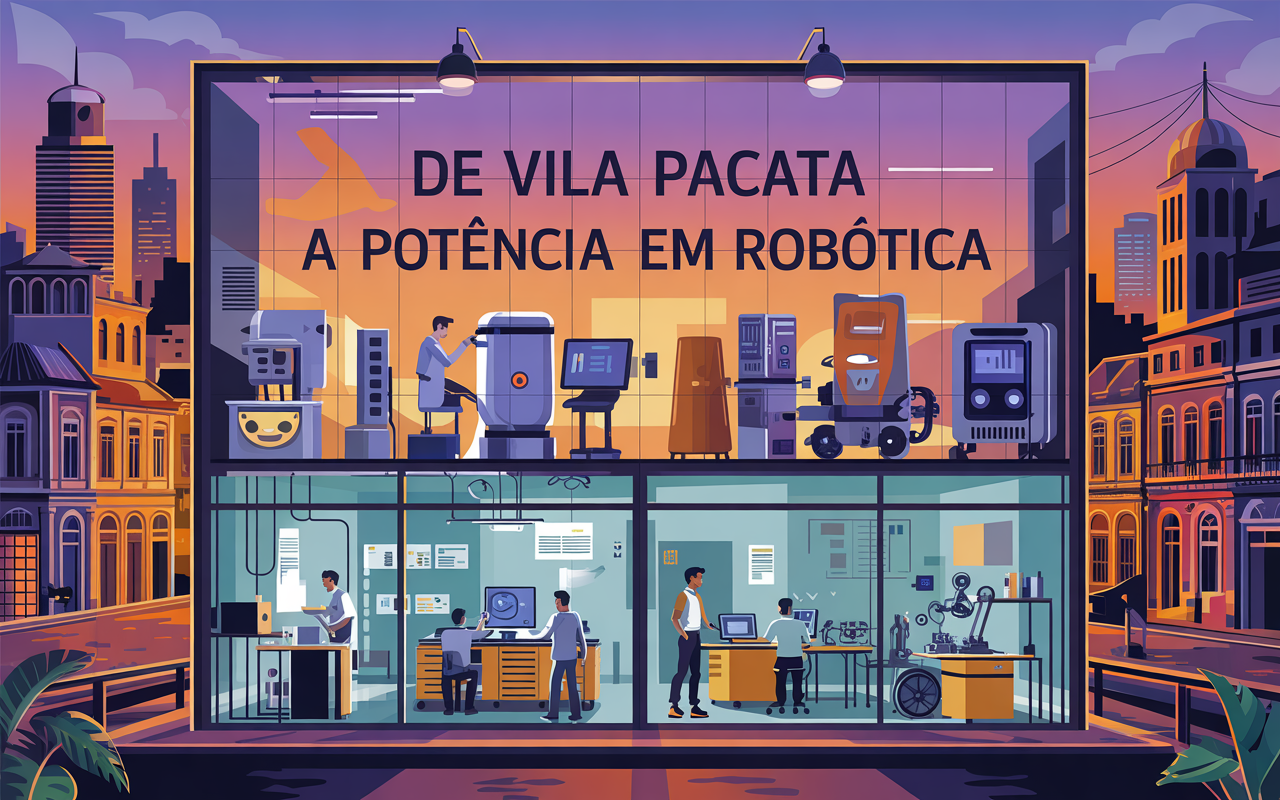


Recife (PE) Has Evolved From Being Just a Historical City to Becoming the Tech Hub of the Northeast, With the Porto Digital Transforming the Capital Into a Powerhouse in Robotics and Innovation, Attracting Investors from Around the World.
Few people imagined that one of the oldest regions in Brazil, known for its colonial mansions and urban beaches, would give rise to the largest technological hub in the Northeast. The city of Recife (PE) has been nationally and internationally recognized as the tech hub of the Northeast, highlighted by Porto Digital, one of the main technology parks in the country. From an urban center marked by its colonial past, Recife has embraced a vibrant innovation ecosystem, focusing on robotics, artificial intelligence, software, creative economy, and startups aimed at digital transformation.
The phenomenon did not arise by chance. The combination of leading universities, tax incentives, well-articulated public policies, and highly skilled labor was the engine of this historic turnaround. Today, Recife is cited by experts as the “Brazilian Silicon Valley,” holding a leading position in technology within the Latin American landscape.
Porto Digital: The Engine of Recife’s Transformation Into a Reference Technological Hub
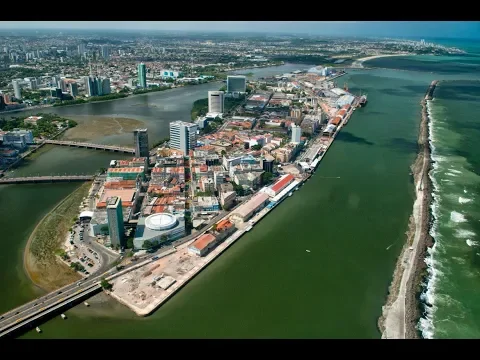
Founded in 2000, Porto Digital is an initiative that has completely transformed the economy and urban profile of the capital of Pernambuco. Located in the Recife Antigo neighborhood, the technology park emerged from the revitalization of the historic center, where old port warehouses used to operate. The initial proposal was bold: to consolidate an innovation environment based on the triple helix — government, private sector, and universities.
-
Mysterious object on Mars divides NASA and Harvard after Curiosity image reignites suspicions about what was really found on the planet.

-
Giant structures 14 meters beneath Egypt are revealed by satellites and expose a millennia-old secret buried in Buto.
-
Children have been making clay pieces for 15,000 years in Southwest Asia, and fingerprints preserved on 142 ornaments helped archaeologists prove this.
-
New semi-autonomous legged robot technology challenges the limitations of space exploration by operating almost without human intervention on the Moon.

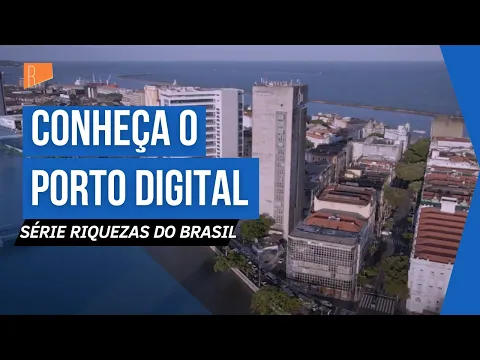

More than two decades later, Porto Digital hosts over 370 companies, including startups, multinationals, research laboratories, and public enterprises. Together, they employ more than 17,000 people and generate revenues exceeding R$ 4 billion per year. But more than just numbers, the park has become a symbol of how Recife (PE) has solidified its position as a technological hub in the Northeast, a region historically marginalized in the country’s innovation agendas.
Powerhouse in Robotics: When the Northeast Sets the Rules for Automation
Although Porto Digital was born with a focus on information and communication technology, in recent years, the park has started hosting projects in advanced robotics, industrial automation, and artificial intelligence. Institutions such as the Computer Science Center of the Federal University of Pernambuco (UFPE) and SENAI-PE are responsible for training engineers, researchers, and technicians who work on the development of autonomous systems, drones, smart sensors, and robotics solutions applied to health, industry, and security.
Robotics has become one of the showcases of the new Recife. Companies based in the park already export automation solutions abroad and participate in international fairs. The city’s recognition as a powerhouse in robotics places the Northeast on the global map of innovation and attracts the interest of international giants, such as Accenture, Oracle, IBM, and Microsoft, which have operations or partnerships with local institutions.
From Digital Periphery to Epicenter of Innovation: The Economic Impact of Porto Digital
The transformation of Recife (PE) was not merely symbolic. It had concrete effects on the local economy and the generation of skilled jobs. In a state with a history of inequality and high unemployment rates, the creative economy and technology began to occupy a relevant space in the economic matrix.
The ICT (Information and Communication Technology) sector now represents about 4% of the state’s GDP, even surpassing traditional industrial production in some indicators.
The fiscal incentive policy implemented by the Pernambuco government was one of the pillars of this growth. Companies based in Porto Digital benefit from ICMS reductions, support in workforce training, and open innovation programs that facilitate the development of new products. Additionally, professionals trained by local universities find a dynamic market, with career opportunities, competitive salaries, and connections to the international scene.
Recife (PE): The Northeast City That Became a Tech Hub with Real Social Impact
One of the most praised aspects of Porto Digital is its concern for social inclusion and territory transformation. Unlike other technological hubs isolated from their communities, the park promotes actions in education, urbanism, and culture that directly impact the local population’s lives. Programs like the Armazém da Criatividade, also located in Caruaru, in the state’s interior, help to internalize knowledge and stimulate youth entrepreneurship.
Furthermore, the park invests in technical and digital training for young people in vulnerable situations, encouraging the influx of new talents from the Northeast into the technology sector. This strategy for democratizing access to innovation is highlighted by experts as one of the differentiators of the Pernambuco model, making Recife not only an intelligent city but also socially committed.
The Brazilian Silicon Valley: The Comparison Is Not an Exaggeration
The nickname “Brazilian Silicon Valley” may sound audacious, but it is not far from reality. Just like in California, Recife brings together central elements of a true hub of innovation: a collaborative ecosystem, top-notch universities, the presence of major players, scientific knowledge production, and scalable startups with global impact.
Companies such as In Loco (now Incognia), Neurotech, Tempest, and CESAR are local cases that have gained national and international prominence, attracting multimillion-dollar investment rounds and increasing the visibility of the Recife ecosystem. Moreover, Porto Digital is recognized for its solid governance, with transparent indicators, long-term goals, and continuous engagement across different spheres of society.
Recife has not only begun to compete with consolidated centers like São Paulo, Campinas, and Florianópolis but has created its own model, adapted to the specifics of the Northeast. The city has demonstrated that it is possible to innovate outside the major economic axes, generating real and sustainable impact.
International Investors Eye Recife and the Northeast
In the past five years, Porto Digital has received trade missions from countries such as Germany, the United States, France, Japan, and China. Foreign companies see the technological hub in Recife as a strategic opportunity to access the Latin American market at reduced costs and with highly skilled local talents.
The successful technological cluster model has also drawn the interest of development banks and impact funds. The Inter-American Development Bank (IDB), for example, has already financed expansion actions for Porto Digital, while European funding agencies seek partnerships for projects in areas like smart cities, renewable energies, and educational robotics.
Thus, Porto Digital has become a showcase of the potential of the Northeast as a driver of the Brazilian digital economy, proving that innovation does not need to have an exclusive address in the Southeast or South of the country.
Future Challenges: Scale, Internationalization, and Sustainability
Despite the advancements, Recife’s innovation ecosystem still faces challenges. The main barrier lies in scale: although Porto Digital is a reference, the number of startups with global reach is still limited. The internationalization of local companies, strengthening regional venture capital, and talent retention remain sensitive points.
Digital connectivity and urban infrastructure also need to keep pace with the growth of the hub. Improvements in urban mobility, security, and logistical integration are frequently mentioned by entrepreneurs as essential to maintaining the dynamism of the sector.
Moreover, the park needs to maintain its commitment to environmental and social sustainability, avoiding gentrification processes and promoting active inclusion of neighboring communities. Long-term success will depend on the ability to maintain a balance between innovation and social impact.
A New Map of Brazilian Innovation Begins in Recife
In a country still marked by regional inequalities, Recife’s rise as a reference in technology and robotics is concrete proof that the Northeast has the capacity, talent, and structure to lead innovation in Brazil. The Porto Digital model demonstrates that with planning, efficient public policies, and collaboration between sectors, it is possible to transform entire cities into development hubs.
More than just a local phenomenon, Recife’s story serves as an example for other northeastern capitals seeking sustainable paths for economic growth. Salvador, Fortaleza, João Pessoa, and Natal are already drawing inspiration from the Pernambuco experience to create their own technology parks and foster new digital enterprises.
Brazil needs more Recifes. Cities that invest in technology, science, and creativity as engines of transformation. Cities that do not wait for the future to arrive but construct it with intelligence, inclusion, and daring.


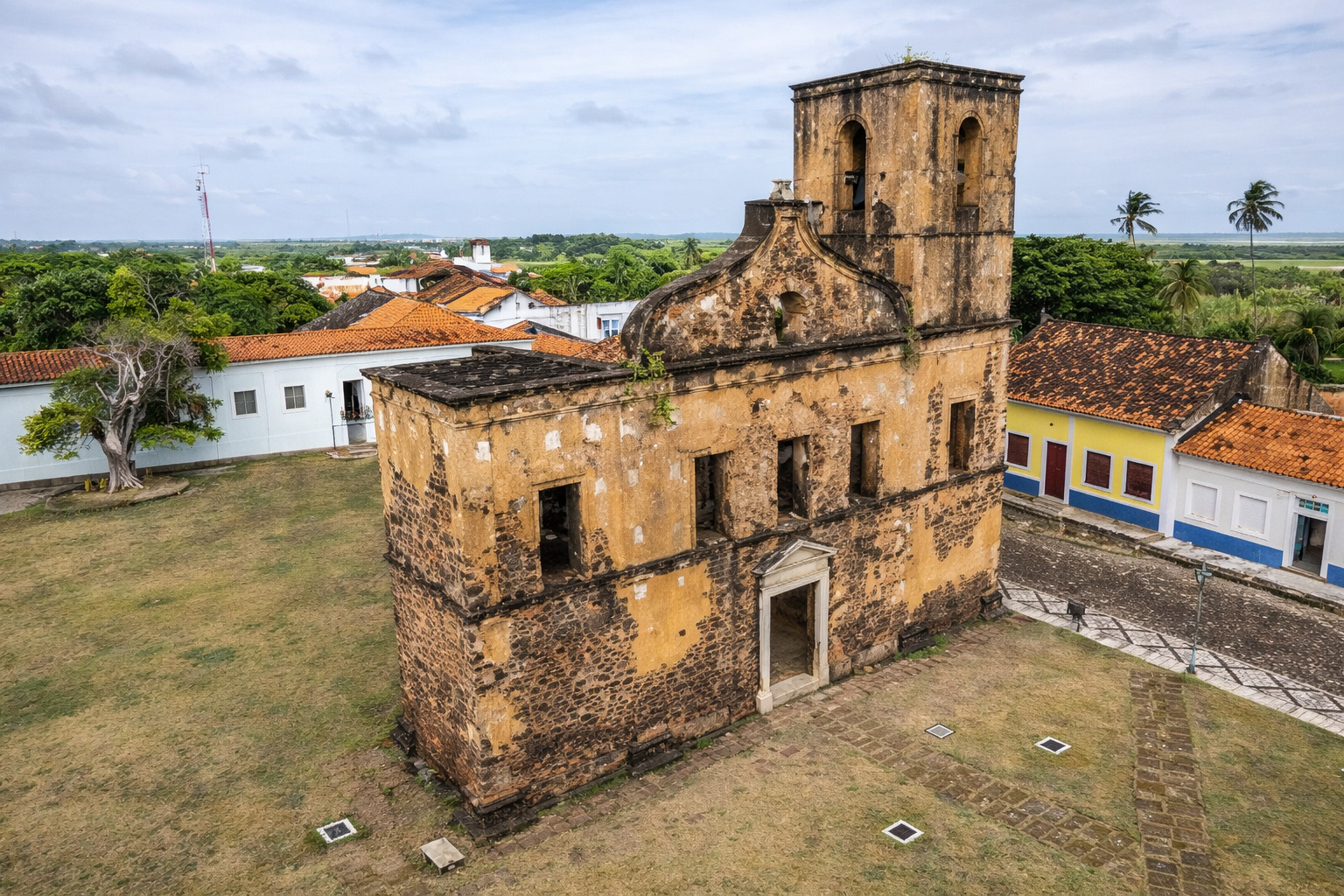




Embora saibamos que a ideia do título é para chamar atenção, vale ressaltar que Recife nunca foi uma Vila pacata, nem nos tempos da colonização.
👏👏👏👏👏
Faz muito tempo que nao se pode comparar Recife a uma “vila pacata”.