





 Portuguese
  English
  Spanish
  3 min of reading


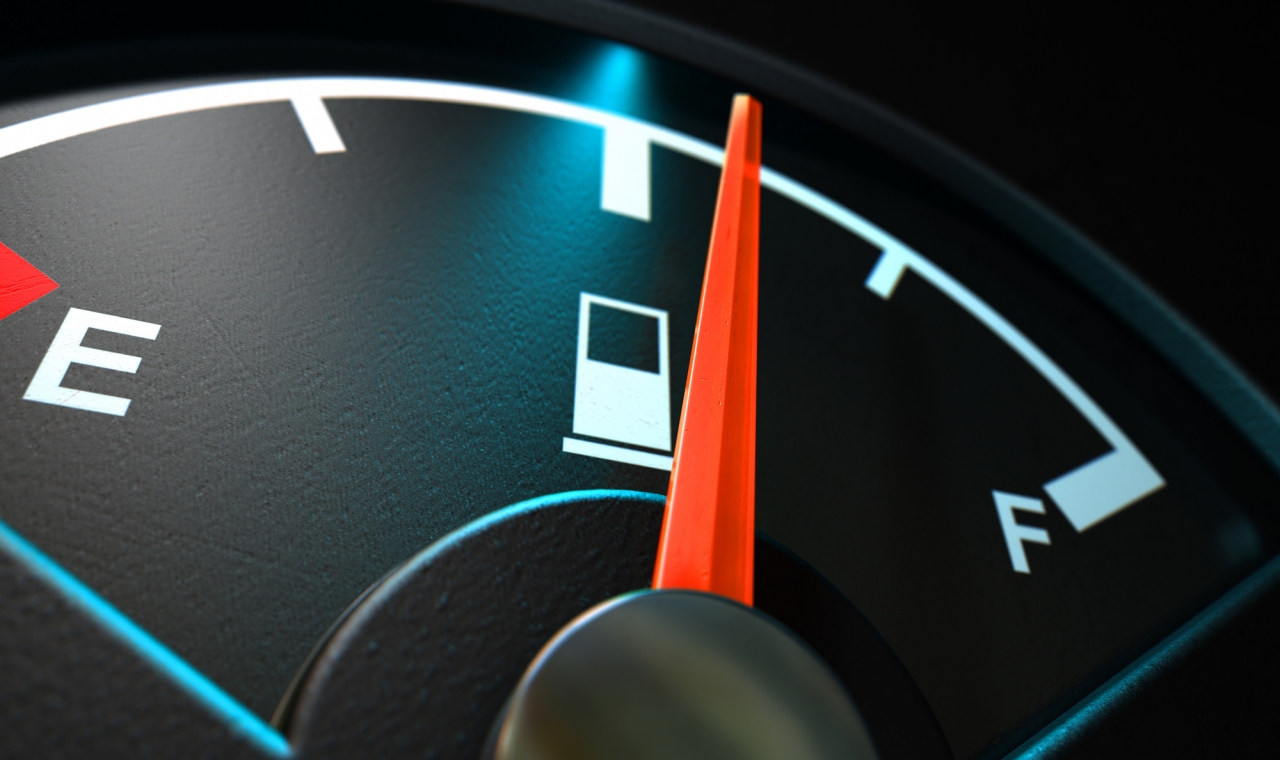
In The Case Of Diesel Oil, The Standard Variety Is Currently Being Sold For An Average Of R$ 6.33, Marking A Decrease Of 3.29% In The First Half Of March.
These Statistics Are Courtesy Of The Ticket Log Price Index (IPTL). From March 1st To 13th, The Diesel S-10 Showed A Decrease Of 3.17%, Closing The Price At R$ 6.43 Per Liter. According To Recent Rankings, The Southern Region Secured The First Place In The Most Notable Reductions In Fuel Prices, With Common And S-10 Types Reaching 4.06% And 4.23%, Respectively.
Douglas Pina, General Director Of Mobility At Edenred Brazil, Stated In A Note That The Fuel Price Should Show A Downward Trend, Except For Diesel. “This Is Confirmed When We Analyze The Variation In The Price Of The Liter In All States And In The Federal District. Only The State Of Amazonas, Where All Fuels Were On The Rise, Had An Increase Of 1.92% In Common Diesel And 1.92% In Regular Gas Oil. According To The IPTL, The S-10 Is 59 Percent,” He Said.
Among The States, Sergipe Had The Largest Decreases – 6.90% For Common Diesel And 7.66% For The S-10. The State Of Paraná Has The Lowest Average Prices, R$ 5.72 For Common Diesel And R$ 5.79 For Diesel S-10. Roraima Sells The Most Expensive Diesel In The Country, At R$ 7.69 For Common Diesel And R$ 7.79 For The S-10. The IPTL Is A Fuel Price Index Calculated From Fueling At 21,000 Approved Ticket Log Service Stations.
-
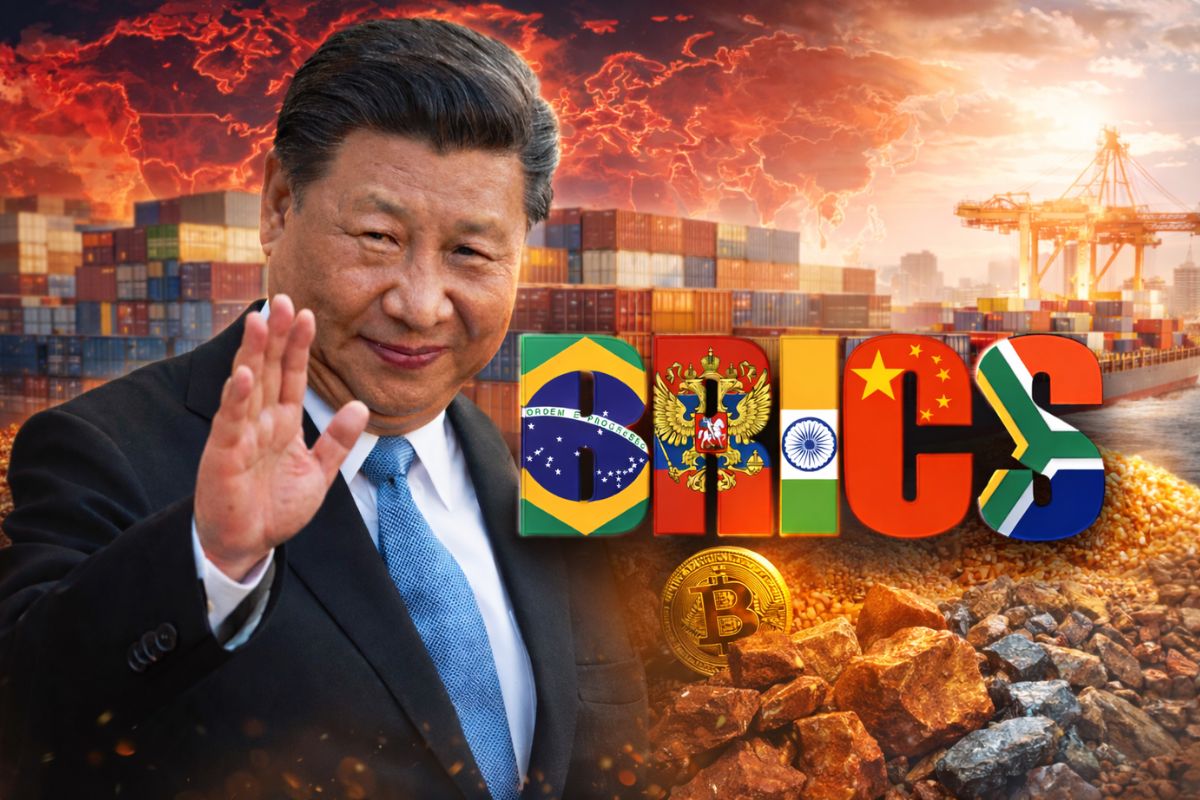
China alone accounts for 70% of trade within the BRICS, while Brazil establishes itself as an essential supplier of food and minerals: understand how the group, which already represents nearly 40% of the world’s GDP, is changing the game.
-
Starting in May, those who do not have registered biometrics will not be able to apply for Bolsa Família, sickness benefits, or unemployment insurance: understand the new rule that changes access to benefits for millions of Brazilians.

-
A new law being voted on in Brazil proposes a minimum fare of R$ 10 per trip and R$ 2.50 per kilometer for Uber and 99 drivers, and promises to ensure they earn as well as taxi drivers did during the golden age of taxis in the country.

-
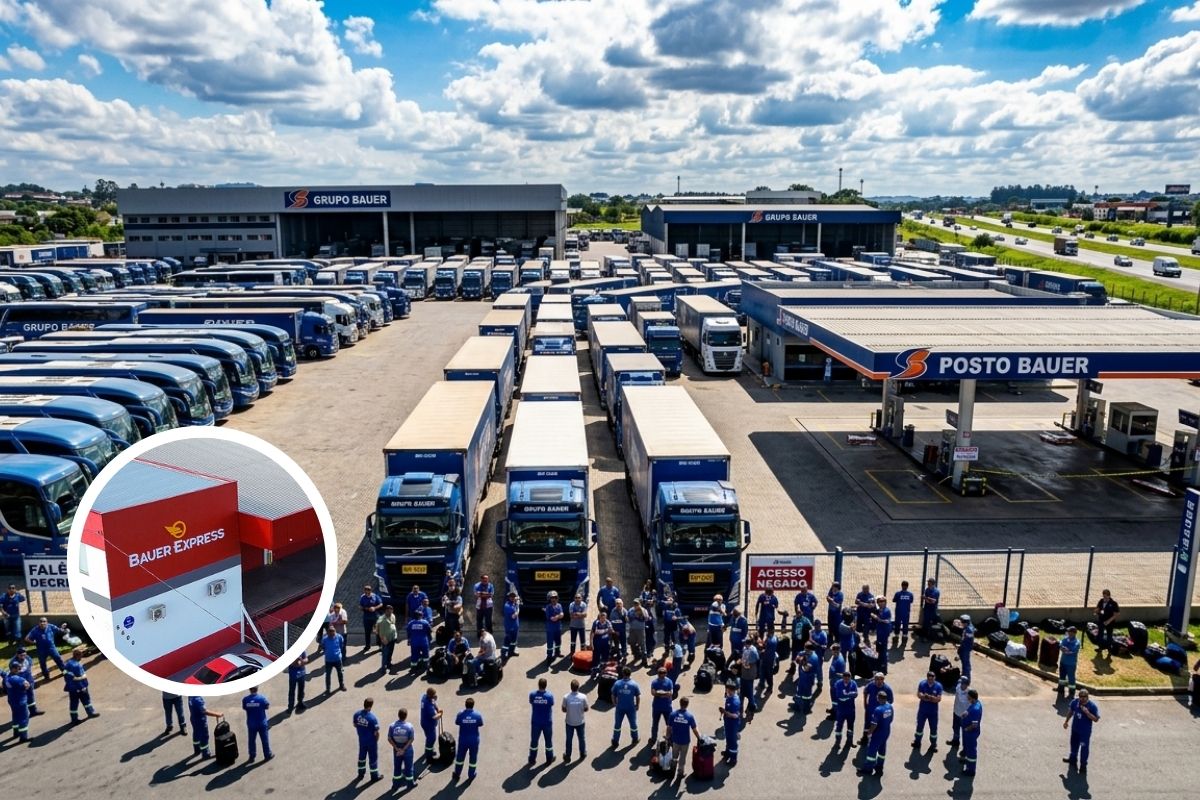
Bauer Group collapses after failed judicial recovery: 25 years, 800 vehicles, and a network of gas stations leave a debt of R$ 50 million and 100 layoffs, exposing costs, tight margins, and expensive credit in Brazil.

Price Of Ethanol And Gasoline In Brazil
For Gasoline, The Average Selling Price In The Country Was R$ 5.88, An Increase Of 9.04% Compared To February. “The 3.93% Reduction In The Price Of Gasoline Announced Last Time Was Not Sufficient To Contain The Increase Caused By The Rise In The Price Of Fuels, Which Increased At Fuel Stations Across All Brazilian States And The Federal District,” Said Pina.
The Average Price Of Ethanol Followed The Increase In Gasoline, And The Average Price At The End Of The Period Was R$ 4.60, An Increase Of 3.81% Compared To The Previous Month.
Why Are Fuel Prices So Hotly Debated By The Government?
President Luiz Inácio Lula Da Silva (PT), Concerned About The Impact That The Increase In Fuel Prices May Have On His Government’s Support, Is Seeking An Alternative Solution To Restore Taxes On Gasoline And Ethanol. Last Year, The Jair Bolsonaro Government (PL) Introduced A General Cut To PIS/Cofins To Lower Fuel Prices, A Measure That Critics See As Electoral.
The Government Fears That The Tax Rebate May Lead To An Increase In Fuel Prices, Harming Popularity In This Early Stage Of The Term. In Addition, The Government Is Monitoring The Risk That Higher Diesel Prices Could Lead To Protests By Truck Drivers.
Regarding Gasoline, Critics Of The Exemption Argue That The Price Of Fuel Has Little Impact On The Poorer Population, Who Typically Do Not Use Their Own Cars. On The Other Hand, In Addition To Pressuring The Middle Class And The Rich, The Project Will Also Affect Low-Income Workers Such As Delivery Drivers And App Drivers.









Seja o primeiro a reagir!