





 English
  Francês
  Alemão
  Italiano
  Japonês
  Norueguês
  Portuguese
  Spanish
  3 min of reading


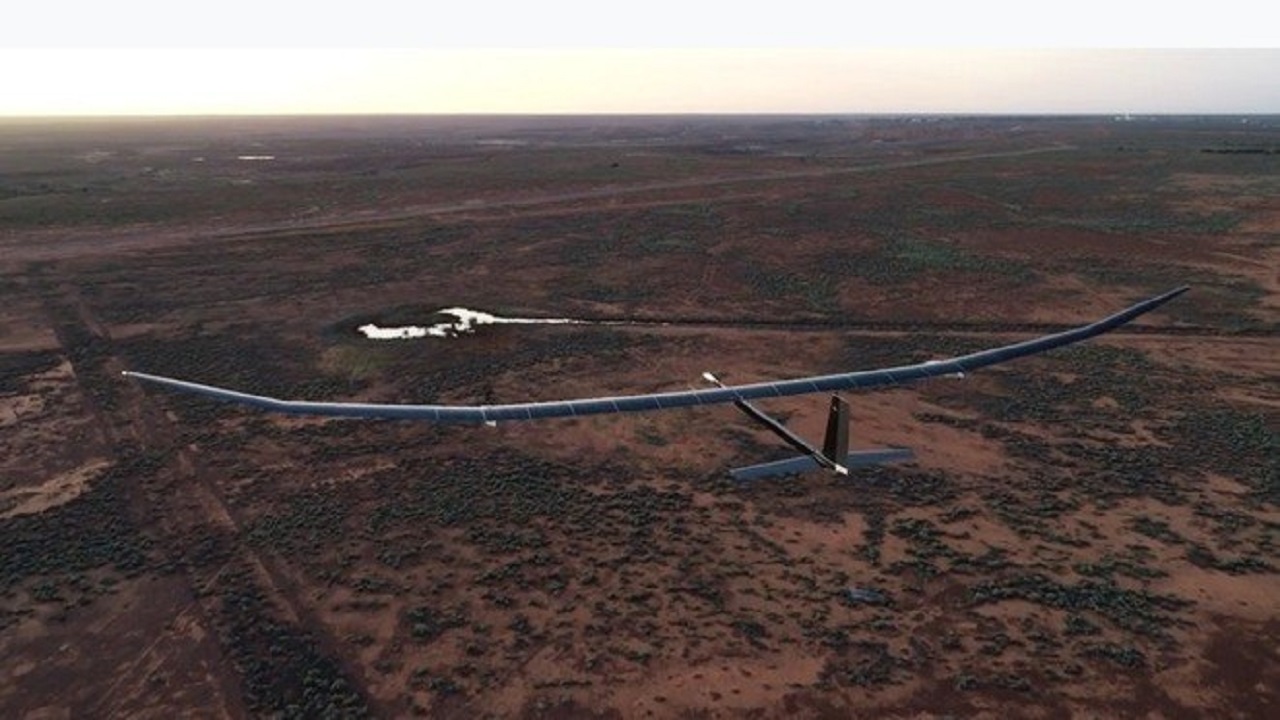
A British Company Is Testing A Giant Drone That Uses Solar Energy To Move
A British company is testing the PHASA-35, a 35-meter and 150kg drone that uses solar energy to move and can fly for over a year at an incredible altitude. Sponsored by the UK Defence Science and Technology Laboratory (DSTL) and the Australian Defence Science and Technology Group (DSTG), successful flight tests took place at the Royal Australian Air Force (RAAF) Woomera Test Range in South Australia, with support from RAAF personnel at the base working with the test team.
Also Read
The Drone That Can Reach An Incredible Height Of 21,3 Thousand Meters
The solar-powered drone has a wingspan of 35 meters, and according to the responsible company, it is designed to fly in the stratosphere, well above weather phenomena and also above air traffic. The PHASA-35 can reach an altitude of approximately 21,3 thousand meters and can also fly at night using the energy stored from its solar panels during the day.
Due to its high technology, the drone can reach an incredible altitude and operate in the air for over a year. It weighs 150 kg and was built and developed by Bae Systems, a company focused on manufacturing aerospace products.
-
With 160,000 m² of collectors, an area larger than 20 football fields, Silkeborg, in Denmark, hosts a solar thermal plant that heats 19,500 homes and could become the largest solar heating plant in the world.

-
A study reveals the expansion of renewable energy procurement in Brazil and shows how companies are taking advantage of opportunities to reduce expenses, ensure energy efficiency, and strengthen strategic environmental commitments.

-
Mato Grosso do Sul excels in the sugar-energy sector: the state reaches a milestone of 22 operating mills and accelerates the production of clean energy in MS with a focus on sustainability.

-
São Paulo surprises the world with a colossal railway network project that promises over 1,000 km of tracks, R$ 194 billion in investments, and 40 projects connecting the capital to the interior with fast and sustainable trains.


Solar-Powered Drone Has Multiple Functions
Among the uses of the drone are: Military surveillance, ground observation, providing relief in disaster areas, border security, and environmental, maritime, and agricultural monitoring.
Still weighing 150 kg, the aircraft can be equipped with cameras, devices, and sensors to create a communication network, including 5G internet in locations where disasters occur, replacing satellites.
The inaugural flight of the PHASA-35 took place in 2020, and it is estimated that the solar-powered aircraft will begin to be used by governments and companies starting in 2025. More tests will also be conducted this year in the United States to verify if the drone can reach stratospheric altitude.
Another Solar-Powered Drone Model
Another major project is a drone made by the United States Naval Research Laboratory. It features a hybrid engine powered by hydrogen fuel cells and solar energy, and its tests conducted in November showed that the equipment can fly for up to 24 hours, gaining various utilities in military operations. Perhaps the efficiency of the aircraft is much better than already known, given that the weather conditions during the tests were terrible. Temperatures fell below zero, winds reached speeds of 37 km/h, and there was also no presence of solar energy. With the right conditions, the expectation of the laboratory engineers is that it can fly for two consecutive days.

Formado em Jornalismo e Marketing, é autor de mais de 20 mil artigos que já alcançaram milhões de leitores no Brasil e no exterior. Já escreveu para marcas e veículos como 99, Natura, O Boticário, CPG – Click Petróleo e Gás, Agência Raccon e outros. Especialista em Indústria Automotiva, Tecnologia, Carreiras (empregabilidade e cursos), Economia e outros temas. Contato e sugestões de pauta: valdemarmedeiros4@gmail.com. Não aceitamos currículos!







Seja o primeiro a reagir!