Portuguese
  Spanish


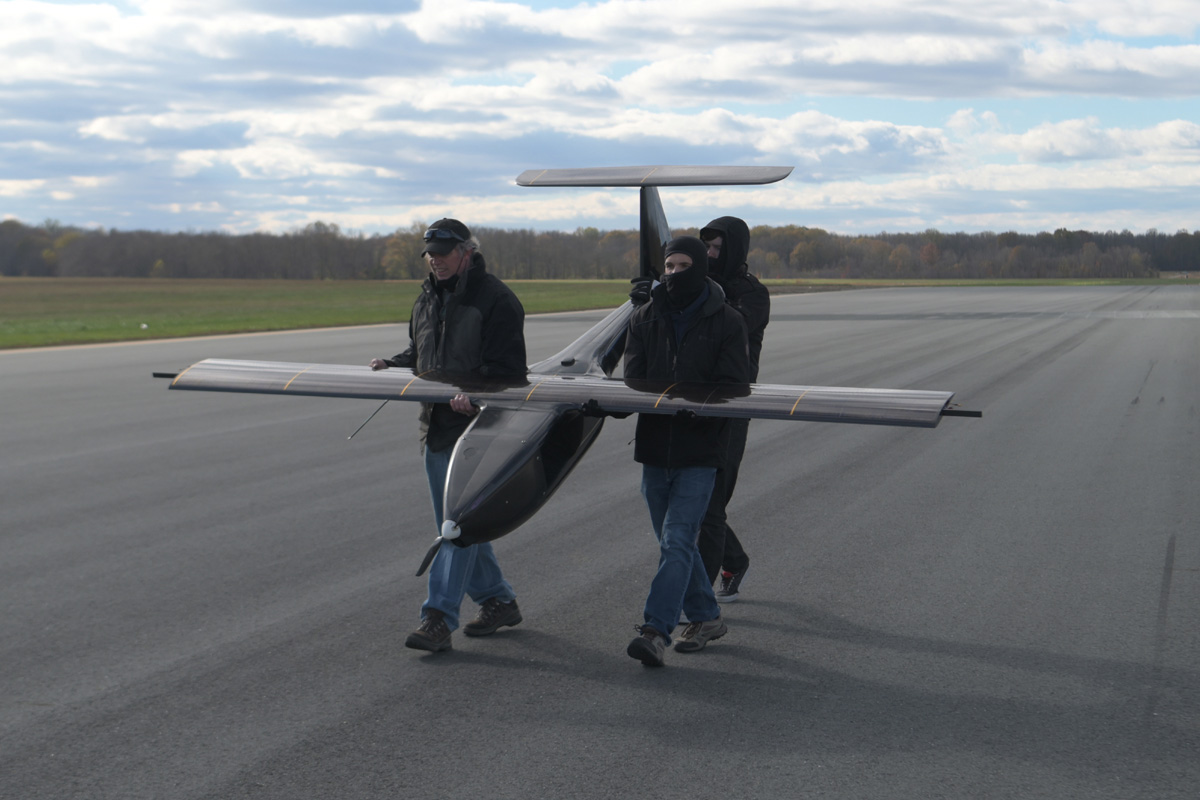

Engineers At The United States Naval Research Laboratory Developed A Drone Named Hybrid Tiger Powered By Solar Energy And Hydrogen That In Bad Conditions Flies For 24h And In Favorable Weather 48h
The Hybrid Tiger drone project is already in its final phase, designed by engineers from the United States Naval Research Laboratory (NRL). The drone is an unmanned aircraft and features a hybrid engine powered by hydrogen fuel cells and solar energy. In November, the latest tests of the drone were conducted, showing that the solar and hydrogen-powered aircraft can fly for up to 24 hours, making it very useful for military operations.
Read Also
About The Drone
During the night, the drone, made by engineers, is powered by a high-pressure hydrogen fuel tank. During the day, it is powered by solar energy panels. Given that the tests were conducted under poor conditions, it is very likely that the aircraft’s efficiency is much better than the results seen in the tests.
According to mechanical engineer Richard Stroman from the Laboratory’s Chemistry Division, during the tests, temperatures dropped below zero, winds blew at 37 km/h, and solar energy was disadvantaged.
-
In Colombia’s desert, 30 families receive 80 m² homes with solar panels, waterless toilets, and rainwater collection systems amid water and energy shortages.

-
Engie Secures 10-Year Use of 625 MWh in Batteries to Store Excess Solar and Wind Energy in Spain by 2028
-
Giant Batteries Take Center Stage in Chile Auction as Company Offers 960 GWh of Solar Energy for Nighttime Use, Aiming to Stabilize Solar Power Supply
-
After a Year of Success in Switzerland, Solar Railway Attracts Italy’s Interest for Clean Energy Transformation



The laboratory engineers expect it to be able to fly continuously for more than two days if the weather and solar energy are favorable to the aircraft.
Understand How The Drone Control Will Work
In addition to being controlled remotely, the hydrogen and solar energy-powered drone also features technologies for autonomous operation. According to the laboratory, engineers are working on algorithms that manage energy and vary operational modes, thus generating a navigation strategy based on weather forecasts.
The engineers who developed the hydrogen and solar energy-powered aircraft gave an example when Hybrid Tiger wants to gain altitude. For this to occur, the model’s systems seek thermal updrafts, combining various energy sources to achieve extreme endurance.
About The NRL
Seven years after inventor Thomas Edison suggested that the government establish a large research laboratory, the NRL began operations on July 2, 1923. It is a crucial link for U.S. research, and through it, the Navy has direct ties to sources of vital ideas for the community and global industries.
Currently led by Capt. Ricardo Vigil, Dr. Bruce Danly, and Gregory T. Pretrovic, the NRL continues to extend its legacy of innovations and discoveries with advanced technologies and capability transition to Navy Services.