Portuguese
  Spanish


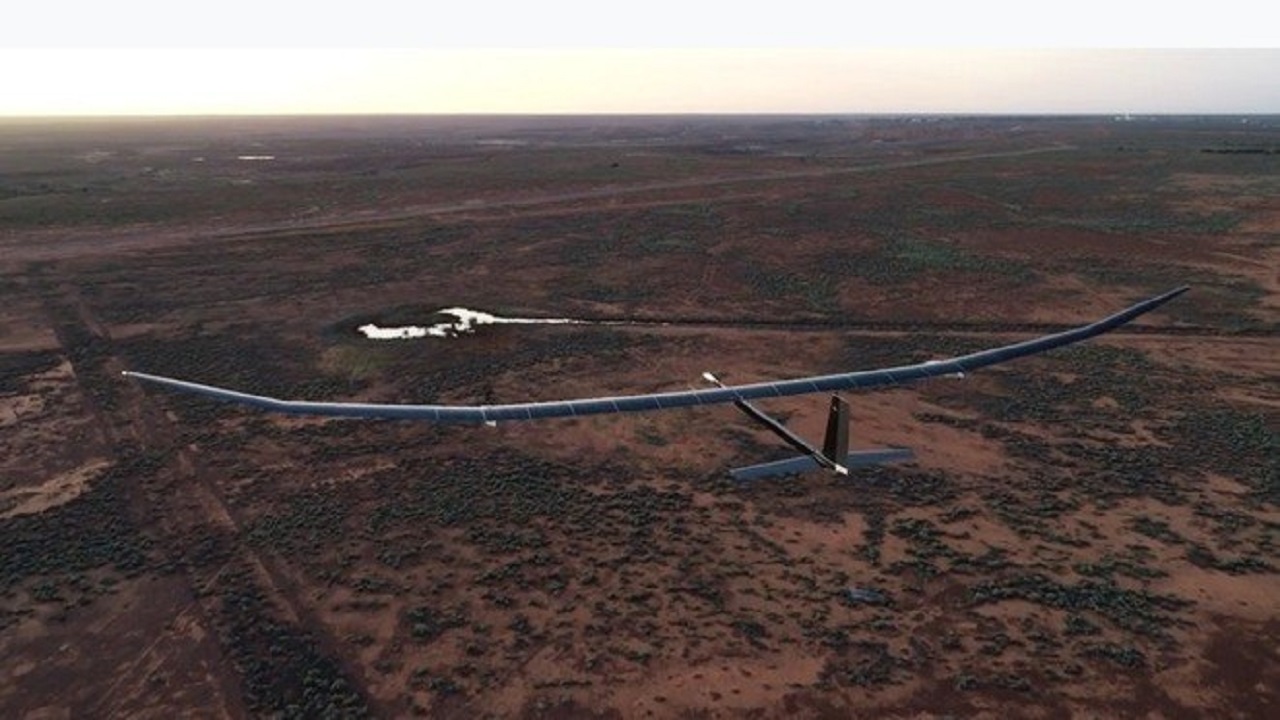

A British Company Is Testing A Giant Drone That Uses Solar Energy To Move
A British company is testing the PHASA-35, a 35-meter and 150kg drone that uses solar energy to move and can fly for over a year at an incredible altitude. Sponsored by the UK Defence Science and Technology Laboratory (DSTL) and the Australian Defence Science and Technology Group (DSTG), successful flight tests took place at the Royal Australian Air Force (RAAF) Woomera Test Range in South Australia, with support from RAAF personnel at the base working with the test team.
Also Read
The Drone That Can Reach An Incredible Height Of 21,3 Thousand Meters
The solar-powered drone has a wingspan of 35 meters, and according to the responsible company, it is designed to fly in the stratosphere, well above weather phenomena and also above air traffic. The PHASA-35 can reach an altitude of approximately 21,3 thousand meters and can also fly at night using the energy stored from its solar panels during the day.
Due to its high technology, the drone can reach an incredible altitude and operate in the air for over a year. It weighs 150 kg and was built and developed by Bae Systems, a company focused on manufacturing aerospace products.
-
In Colombia’s desert, 30 families receive 80 m² homes with solar panels, waterless toilets, and rainwater collection systems amid water and energy shortages.

-
Engie Secures 10-Year Use of 625 MWh in Batteries to Store Excess Solar and Wind Energy in Spain by 2028
-
Giant Batteries Take Center Stage in Chile Auction as Company Offers 960 GWh of Solar Energy for Nighttime Use, Aiming to Stabilize Solar Power Supply
-
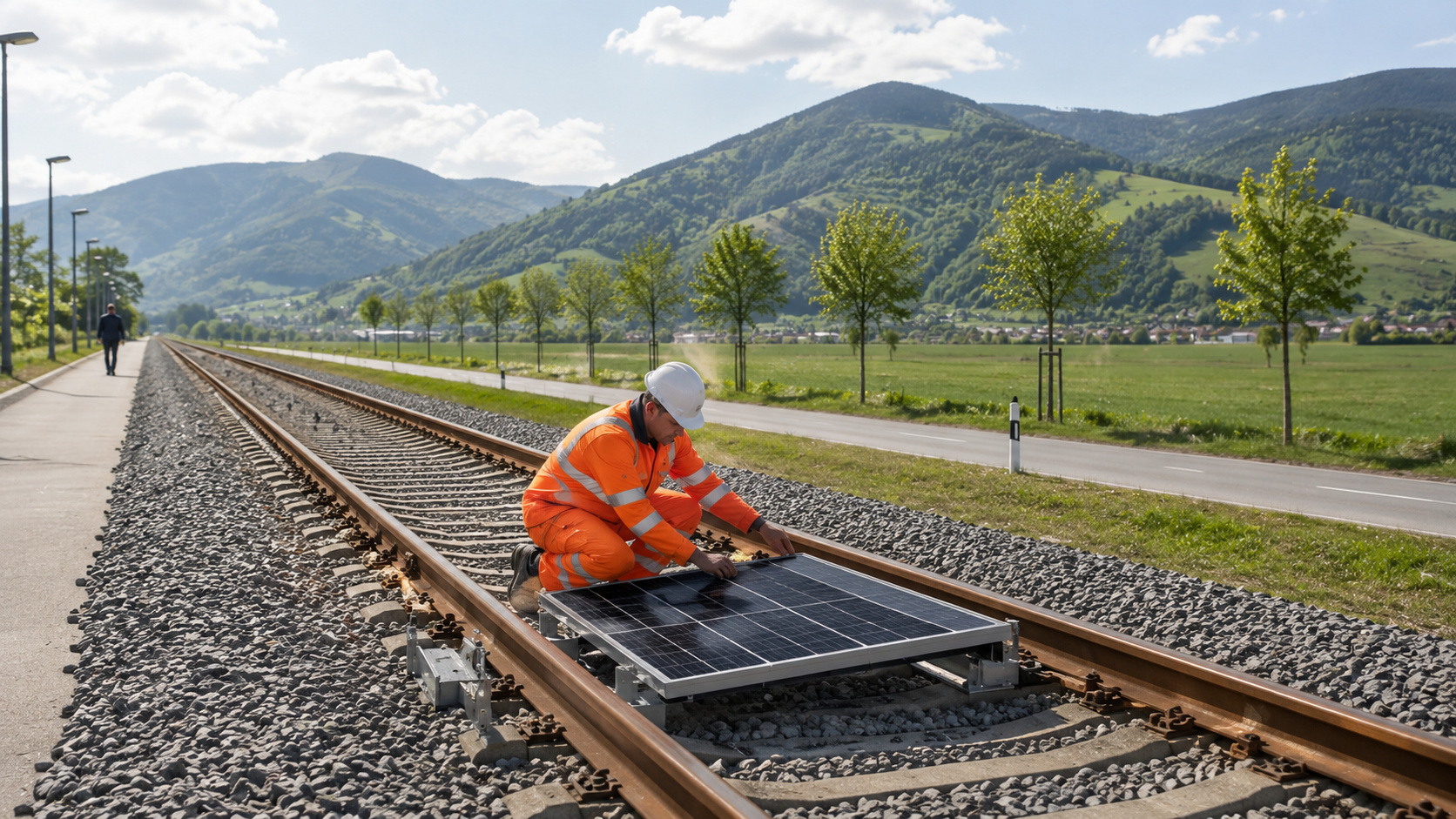
After a Year of Success in Switzerland, Solar Railway Attracts Italy’s Interest for Clean Energy Transformation


Solar-Powered Drone Has Multiple Functions
Among the uses of the drone are: Military surveillance, ground observation, providing relief in disaster areas, border security, and environmental, maritime, and agricultural monitoring.
Still weighing 150 kg, the aircraft can be equipped with cameras, devices, and sensors to create a communication network, including 5G internet in locations where disasters occur, replacing satellites.
The inaugural flight of the PHASA-35 took place in 2020, and it is estimated that the solar-powered aircraft will begin to be used by governments and companies starting in 2025. More tests will also be conducted this year in the United States to verify if the drone can reach stratospheric altitude.
Another Solar-Powered Drone Model
Another major project is a drone made by the United States Naval Research Laboratory. It features a hybrid engine powered by hydrogen fuel cells and solar energy, and its tests conducted in November showed that the equipment can fly for up to 24 hours, gaining various utilities in military operations. Perhaps the efficiency of the aircraft is much better than already known, given that the weather conditions during the tests were terrible. Temperatures fell below zero, winds reached speeds of 37 km/h, and there was also no presence of solar energy. With the right conditions, the expectation of the laboratory engineers is that it can fly for two consecutive days.

Graduated in Journalism and Marketing, he is the author of over 20,000 articles that have reached millions of readers in Brazil and abroad. He has written for brands and media outlets such as 99, Natura, O Boticário, CPG – Click Petróleo e Gás, Agência Raccon, among others. A specialist in the Automotive Industry, Technology, Careers (employability and courses), Economy, and other topics. For contact and editorial suggestions: valdemarmedeiros4@gmail.com. We do not accept resumes!