





 Portuguese
  English
  Spanish
  5 min of reading
  10 comments


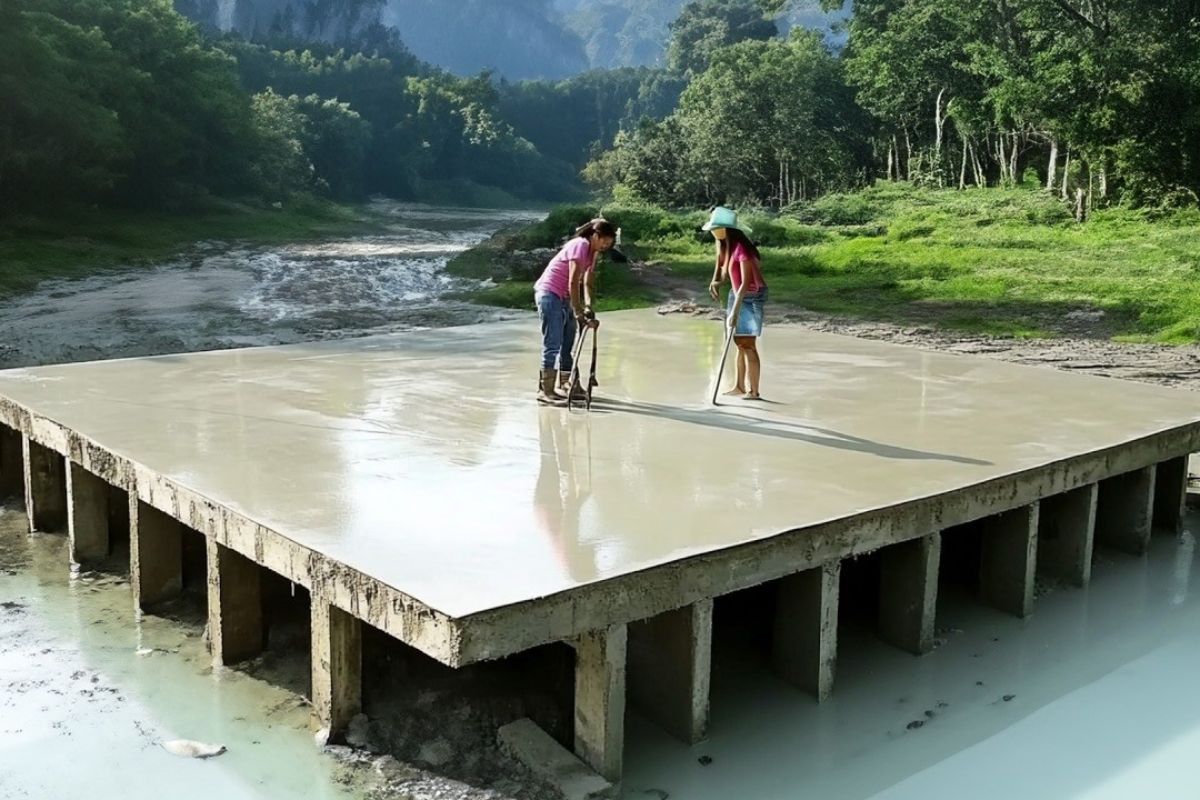


Two Sisters Swapped Urban Routine for an Isolated Construction Site in the Forest Next to a Lake, and in 30 Days They Installed Columns, Assembled Reinforcement, Poured Concrete, and Erected Walls, Roof, and Interior, Without Electricity or Internet, Guided by Measurements, Wheelbarrow, and Persistence in Hot Weather, Music, Cheers
The two sisters leave the city and start building from scratch on an isolated plot in the forest, with a direct view of a lake and without access to electricity or internet. The account follows the manual labor routine, marked by constant heat, short breaks, and a strict sequence of tasks.
Over 30 days, the two sisters transform raw materials into a functional shelter, alternating heavy tasks, level checks, and precise fits. The focus is on practical execution: foundation with columns, wooden structure, steel organized piece by piece, pouring without machines, and finishing the roof and the interior.
Isolated Plot and Foundation with Columns Molded One by One

The starting point for the two sisters is the alignment of thick concrete columns anchored in the ground, produced individually with improvised molds from manually carried boards.
-
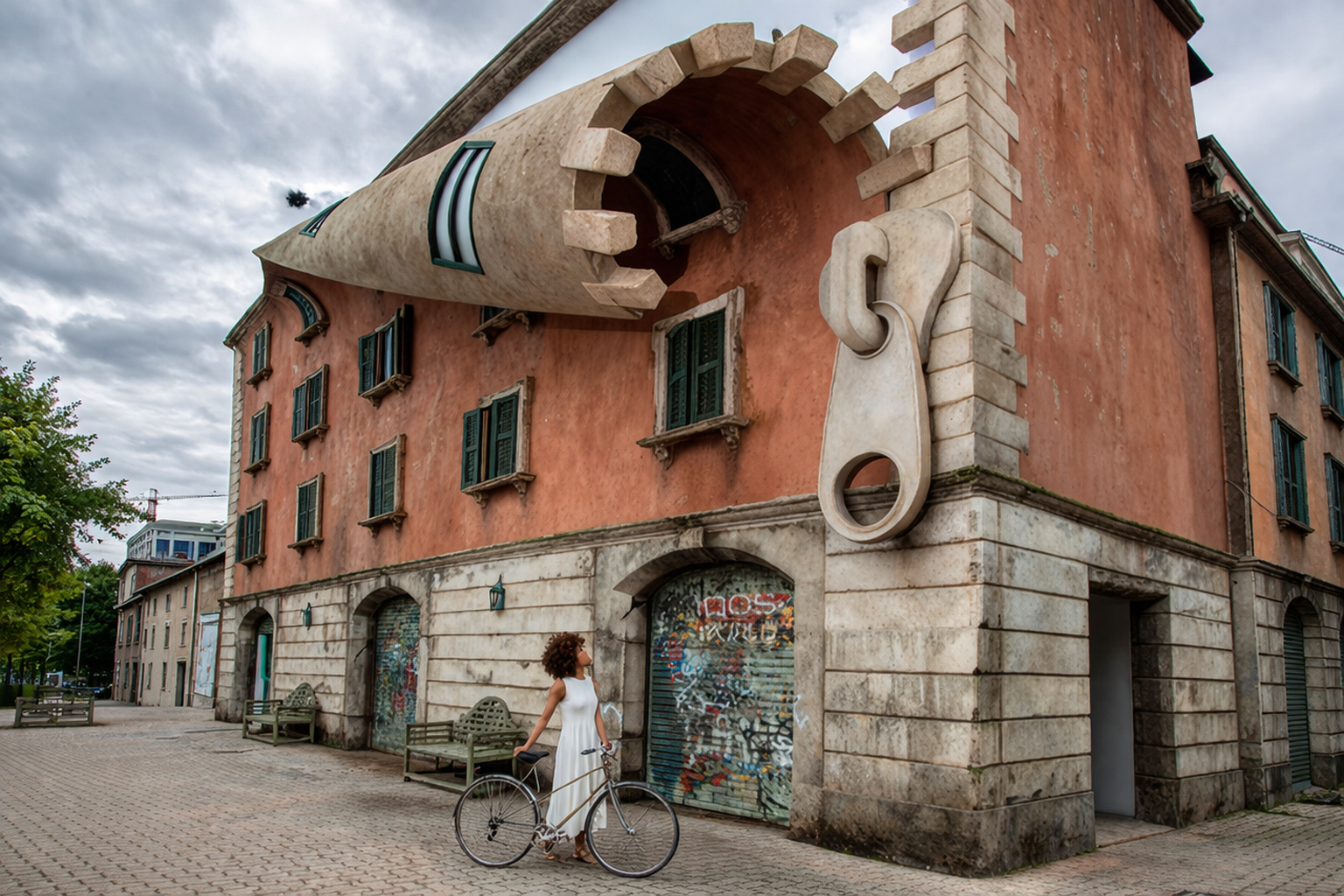
With a façade that resembles a giant zipper, the building in Milan creates a sense of strangeness, featuring lighting that transforms engineering and attracts the attention of residents and tourists.
-
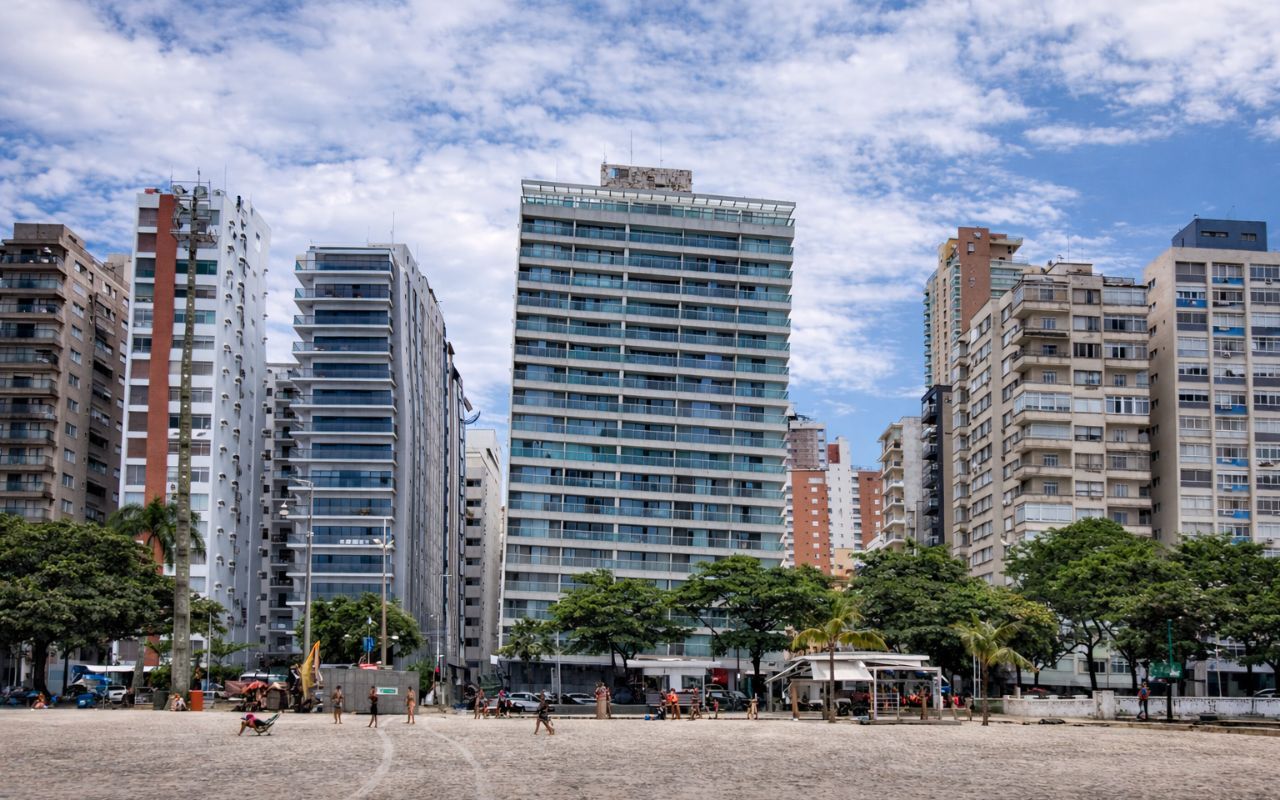
The Brazilian city has 319 crooked buildings built on sandy soil without proper deep foundations, houses the largest beach garden in the world, with over 5 km, and is still considered the birthplace of surfing — meet Santos, in São Paulo.
-
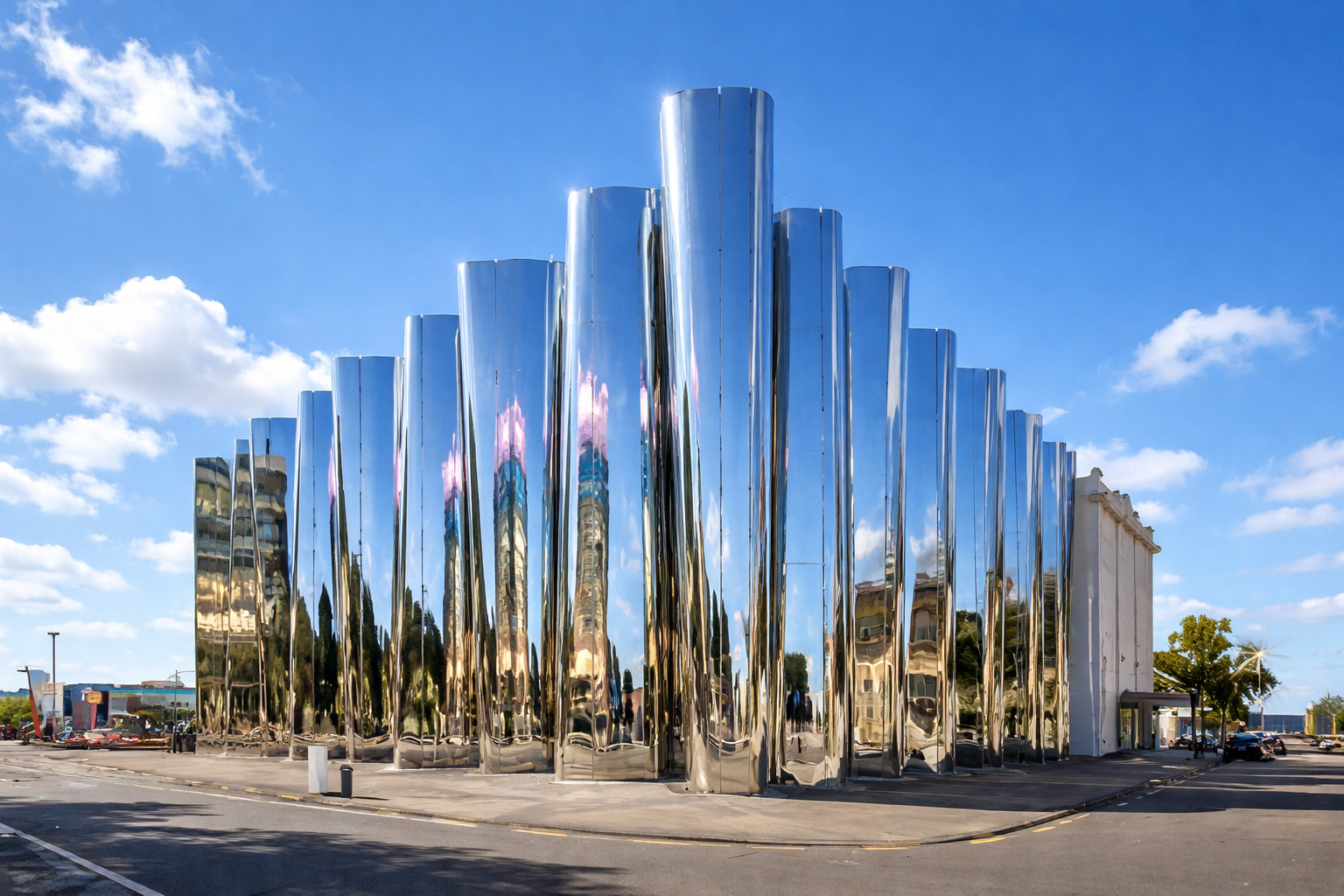
New Zealand builds a shimmering building that vibrates, featuring a 62-seat cinema, moving sculptures, and an environment where sound, light, and energy are felt in the body.
-
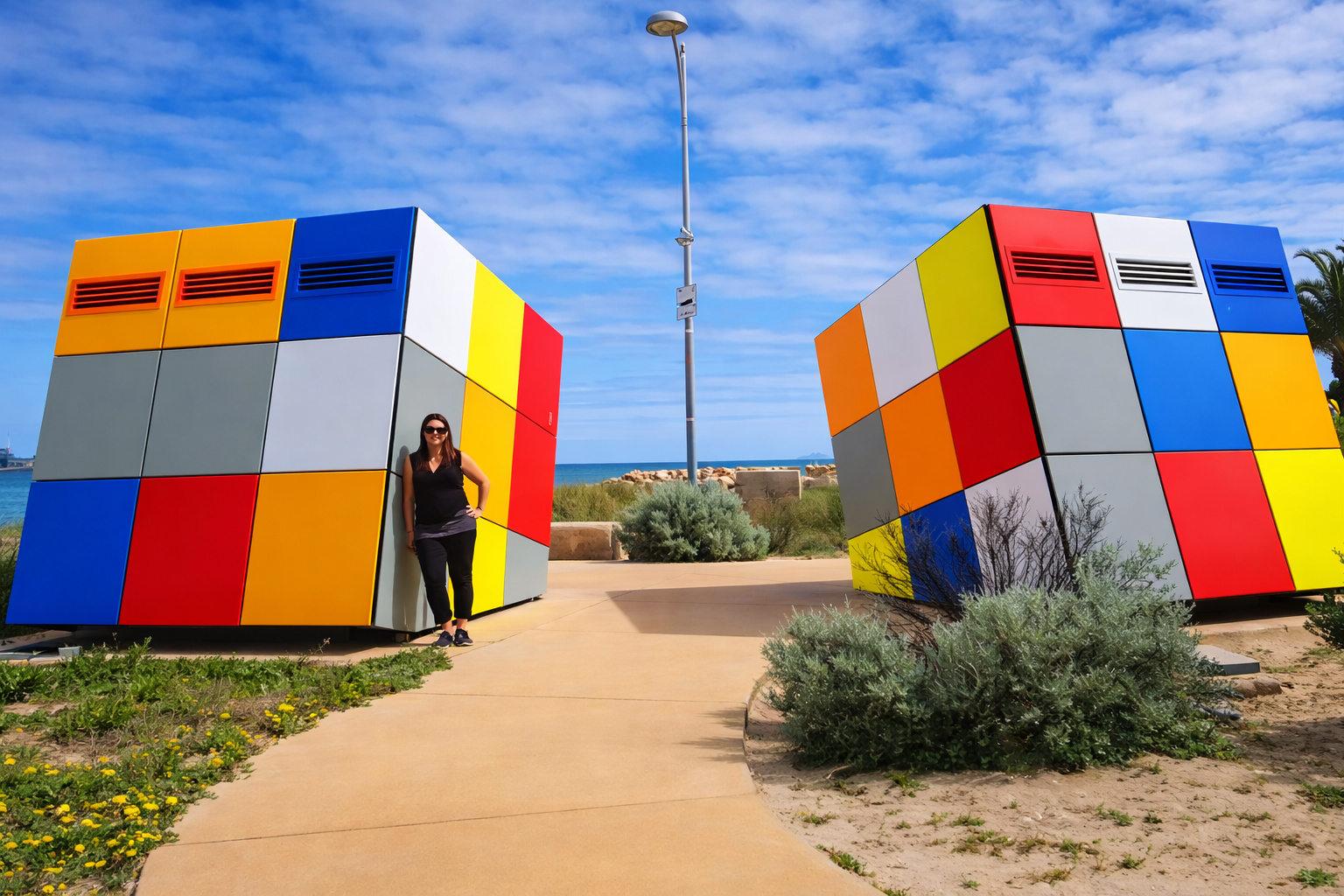
Two colored cubes of 2.5 m transform a public bathroom into a selfie spot in Western Australia, costing up to 75% less than traditional construction and helping to reduce vandalism in public spaces.

As each column is finished, the layout starts to emerge on the plot, consolidating the base that would support the next phases.
With the columns positioned, the priority shifts to geometric control: checking spacing, maintaining plumb, and ensuring repeated measurements before any permanent load.
Even without machines, the foundation progresses as a serialized process, with constant attention to the fit between base and structure.
Main Wooden Structure and Connections Measured in Detail

After laying the foundation, the two sisters install the support lines that form the skeleton of the house.
Boards are fitted one by one, positioned and fixed directly onto the concrete columns, with successive measurements and reinforced connections.
The sequence highlights a pattern of assembly: measure, adjust, fix, review.
The progress is not dependent on speed, but on cumulative precision, because each deviation in the base becomes amplified as the house begins to gain height.
Steel Framework Assembled on the Ground and the “Cage” of Rebar
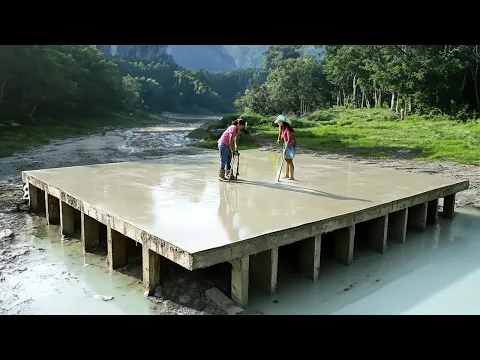

In the phase considered critical, the two sisters manually organize hundreds of pieces of rebar, twisted and cut to the same size, and begin tying them with pliers, forming a sturdy iron cage.
The platform ceases to be merely a plane and begins to function as a structure capable of dissipating vibrations during use.
The process is repetitive and exhausting, but essential: each tied point reduces the risk of displacement before pouring concrete.
The logic is simple and harsh, with no shortcuts, because the right framework defines the durability of everything that comes afterward.
Pouring Concrete Without a Mixer, Final Inspection, and Wheelbarrow as Engine
With the framework in place, this stage is described as irreversible: pouring concrete.
The two sisters conduct a final inspection, measuring the ground meter by meter to avoid gaps and displacements. Then, dozens of bags of cement are dumped with shovels onto mounds of sand.
Without a mixer and crane, transportation becomes part of the project: mixing done at the rhythm of the arm, loading into buckets and wheelbarrows, short and repeated displacements.
The work progresses by accumulated volume, with human strength converted into material.
Brick Walls, Openings, and the Construction of the Sloped Roof
After the foundation dries, the two sisters begin raising the brick walls, carrying piece by piece in a wheelbarrow and laying them layer by layer with carefully applied mortar.
The walls start to reveal openings for doors and windows, defining circulation and lighting.
With the masonry standing, the roof arrives, described as the most challenging and exciting phase.
Boards are carried one by one and positioned on an inclined surface, requiring constant balance.
Then, a mesh of iron is installed up to the top, and the roof becomes a physical barrier against rain, wind, and time.
Final Layer, Drainage, Arched Underground Chamber, and Vibrated Floor
The construction enters the phase of structural finishing of the roof: mortar with a muddy appearance is carried in buckets and spread over iron grates to increase drainage capacity.
Each bucket represents more than just a mixture; it represents continuity of work, without long breaks.
In parallel, a hidden structure emerges next to the house: an arched underground chamber, built with bricks set in a curve, suggesting a storage area or shelter.
Outside, the floor is compacted and reinforced with a vibrating machine, closing the cycle of base, surroundings, and stability.
Interior, Bamboo on the Ceiling, Stone on Top, and Final Finishing with Glass and Flooring
With the house almost ready, the two sisters move to the internal stages and install thick bamboo supports that hold up the ceiling and create a natural atmosphere.
Next, they return to the roof for the final touch: stones placed one by one at the edge of the lake and secured with mortar, forming the final layer.
In the finishing, laminate flooring pieces are installed with precision, using spacers on the edges and careful attachment of each piece.
On the outside, the glass frame is secured between stone-clad walls, with screws tightened using a drill to ensure stability.
The result concludes a 30-day cycle in which the two sisters lead the work from start to finish.
If you follow construction practices, it’s worth observing which steps you would replicate and which you would avoid in a scenario without energy and internet. Now tell us: would you have the courage to spend 30 days building, like these two sisters, using only hand tools and with a lake as a neighbor?








Mulheres poderosas.Parabens.Queria VER a casa pronta.
Olha parabéns pra essa força feminina.GUERREIRAS.Eu nem bater um prego consigo
2 mulheres em 30 dias ?
Duvido!