





 Portuguese
  English
  Spanish
  4 min of reading
  2 comments


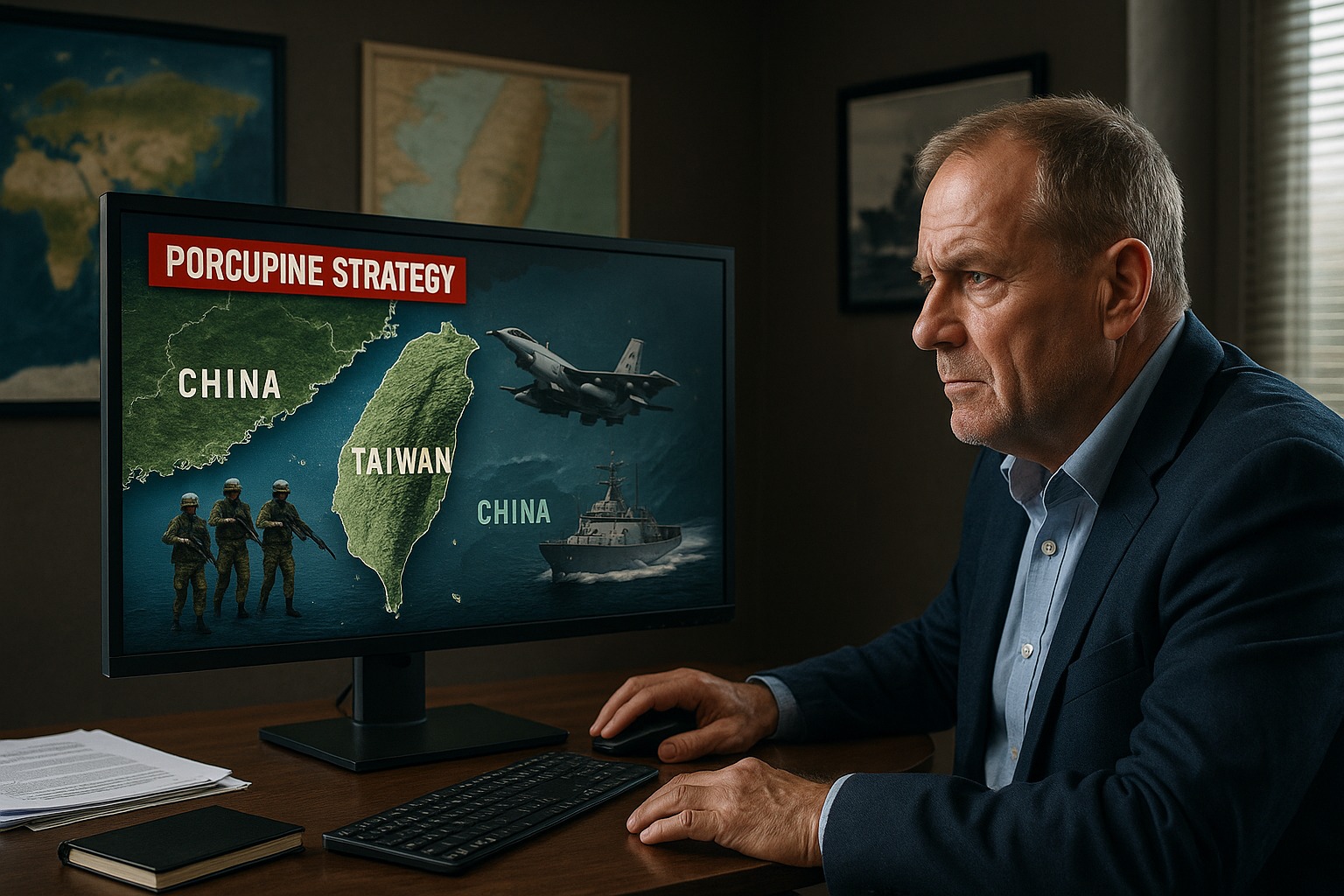


Analysis by British Expert Philip Ingram MBE Explains How Taiwan Adopts the “Porcupine Strategy” — An Asymmetric Defense That Combines Missiles, Aviation, Navy, and Civilians to Deter a Chinese Invasion and Prevent Global War
Military intelligence expert Philip Ingram MBE analyzed how Taiwan could use the so-called “porcupine strategy” to defend itself against a possible Chinese invasion and prevent the conflict from escalating into a Third World War. The assessment was made in the latest episode of Battle Plans Exposed from the British newspaper The Sun.
“While the world’s attention is focused on Ukraine, another critical point could trigger an even larger conflict,” warned Ingram.
For him, Taiwan is seen as a strategic ally of the United States, mainly due to its importance in the global market.
-
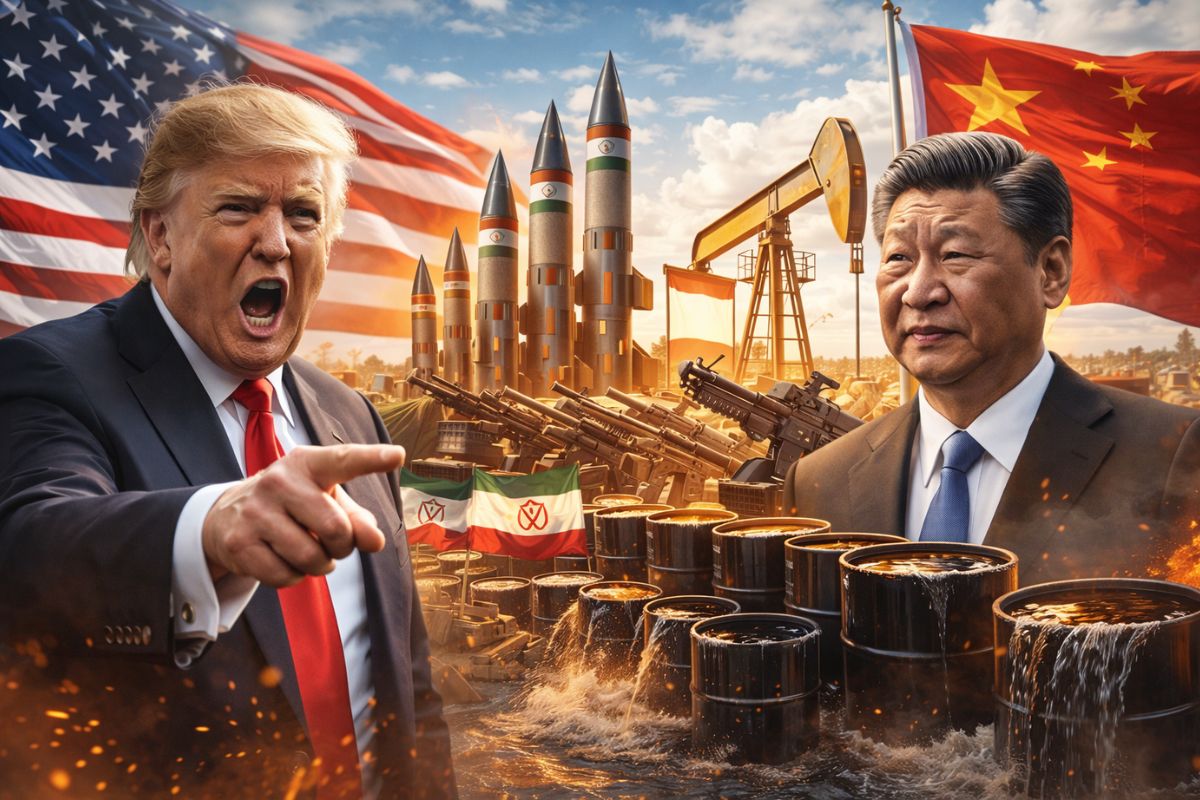
Trump threatens China with a 50% tariff if Beijing supplies weapons to Iran and offers U.S. oil; pressure rises with the blockade, but the measure faces a legal hurdle, without a decree.
-
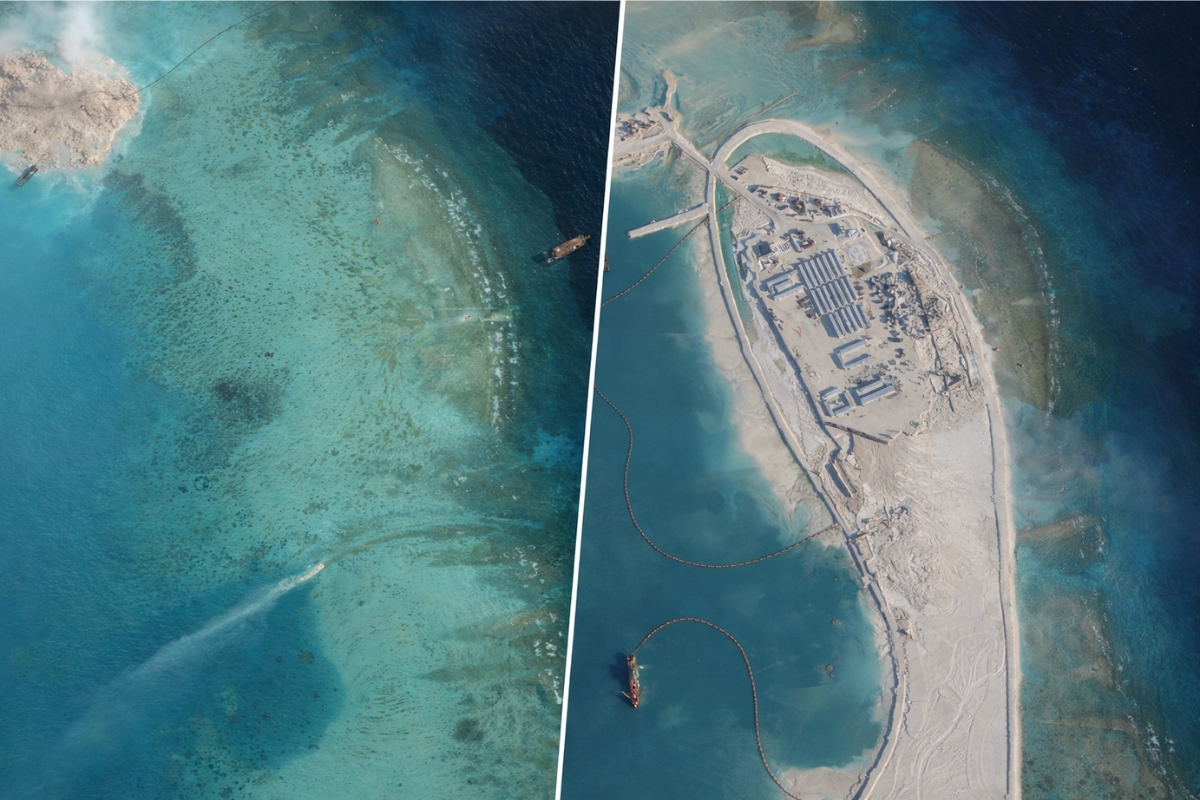
China took advantage of the international conflict with Iran to seize a strategic island, and the worst part is that it is now militarizing the area.
-
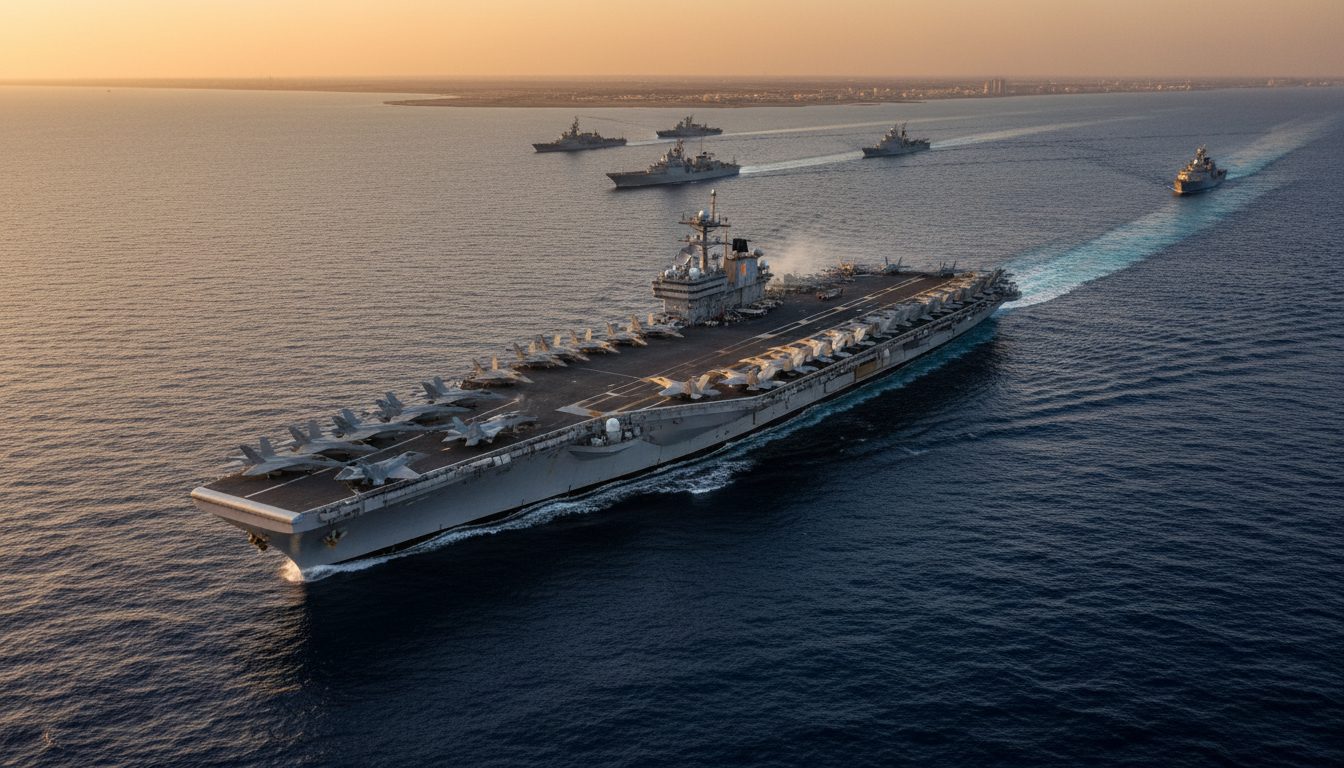
After a devastating fire that left 3 injured and 200 intoxicated by smoke in the Red Sea, the most expensive warship ever built — $13.3 billion — returns to the front in Iran after quick repairs in Croatia.
-
It fell apart! The US and Iran fail to reach an agreement and global tension explodes — Vance’s exit from Pakistan raises alarms about Hormuz and the nuclear program.
The Essence of the Porcupine Strategy
According to the expert, the “porcupine strategy” — also known as asymmetric defense — defines Taiwan’s military posture toward China.
The island does not seek to win in a conventional confrontation but rather to make invasion extremely difficult, costly, and bloody in order to deter Beijing.
This tactic is based on the idea that an invader, even if more powerful, will hesitate when faced with a target that incurs high human and material costs.
Therefore, Taiwan invests in a defense system that complicates any attempt at total occupation.
The Air Force as the First Line of Defense
The Taiwan Air Force is regarded as the first line of defense. Its main function is to contest Chinese air superiority over the Taiwan Strait and withstand the initial waves of missile attacks.
According to Ingram, this initial engagement is essential because it allows time to reorganize other forces and protect strategic targets.
Thus, the success of this phase depends on the Taiwanese aviation’s ability to remain operational even under intense bombardment.
The Strategic Role of the Taiwan Navy
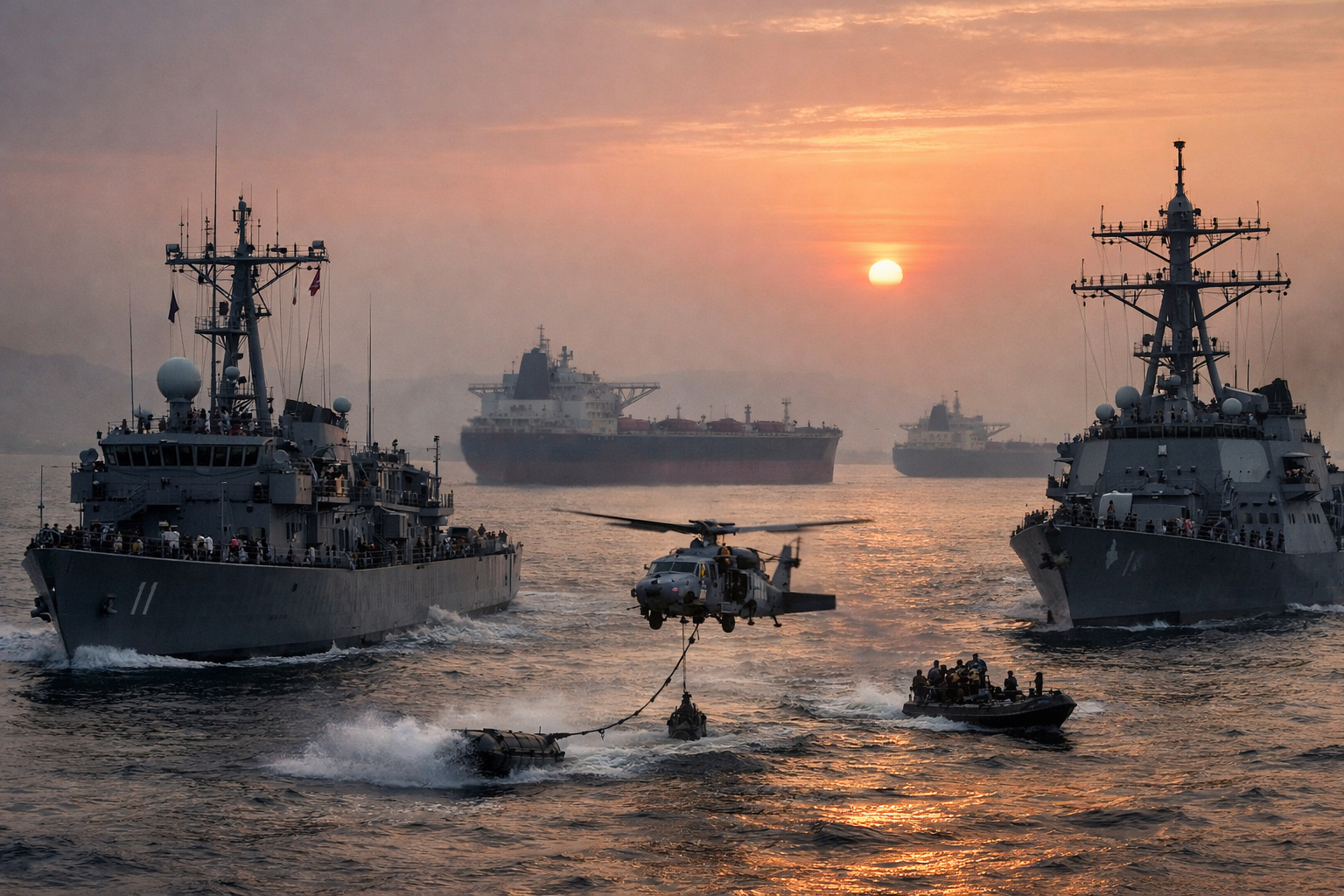
The Taiwan Navy also plays a crucial role. It would be responsible for challenging the People’s Liberation Army Navy in the strait, as well as preventing a naval blockade.
“Deploying sea mines and complicating invasion routes is a central part of this tactic,” explained the expert.
The fleet, composed of destroyers, frigates, and submarines of American origin, would function as a mobile shield, creating risk zones for enemy ships.
Additionally, submerged mines and smaller, faster, stealthy vessels would increase the degree of unpredictability for the Chinese, making any landing attempt extremely dangerous.
Missiles: The “Quills” of the Porcupine
Long and medium-range missiles are another decisive element of the strategy. Ingram describes them as “the quills of the porcupine,” capable of inflicting significant damage on China without Taiwan needing to engage in direct warfare.
“This is the core of Taiwan’s deterrence,” he stated. “The strategy is based on a huge arsenal of precise, mobile, and hard-to-detect missiles.”
These weapons, capable of hitting strategic targets, create a retaliation power that forces the enemy to think twice before launching an attack.
Civil Mobilization and Reserve Training
In addition to the armed forces, Taiwan has been strengthening its civilian and reserve capacity.
The military recruitment period has been extended from four months to one year, and almost 2.2 million reservists now undergo regular training and participate in mobilization exercises.
This measure increases public involvement and ensures a coordinated national response in case of conflict.
According to Ingram, the size of the Chinese force would require total mobilization of Taiwanese society to resist.
Therefore, the government seeks to integrate civilians and military into a cohesive defense structure that can sustain prolonged combat and keep essential infrastructure operational.
Conclusion: A Shield That Deters Invasion
Philip Ingram’s analysis concludes that the combination of Air Force, Navy, missiles, and civil mobilization creates a robust and flexible defense system.
This integrated network of forces, according to him, does not guarantee a conventional victory but serves to “deter” invasion by raising the military and political cost for Beijing.
In other words, the “porcupine” does not need to defeat the predator — just make the attack painful enough for it to give up.
Taiwan is banking on this approach to preserve its sovereignty and prevent a new global conflict from starting in the Pacific.
With information from R7.






Great article, thank you for sharing these insights! I’ve tested many methods for building backlinks, and what really worked for me was using AI-powered automation. With us, we can scale link building in a safe and efficient way. It’s amazing to see how much time this saves compared to manual outreach.
Great article, thank you for sharing these insights! I’ve tested many methods for building backlinks, and what really worked for me was using AI-powered automation. With us, we can scale link building in a safe and efficient way. It’s amazing to see how much time this saves compared to manual outreach.