





 Portuguese
  English
  Spanish
  3 min of reading
  0 comments


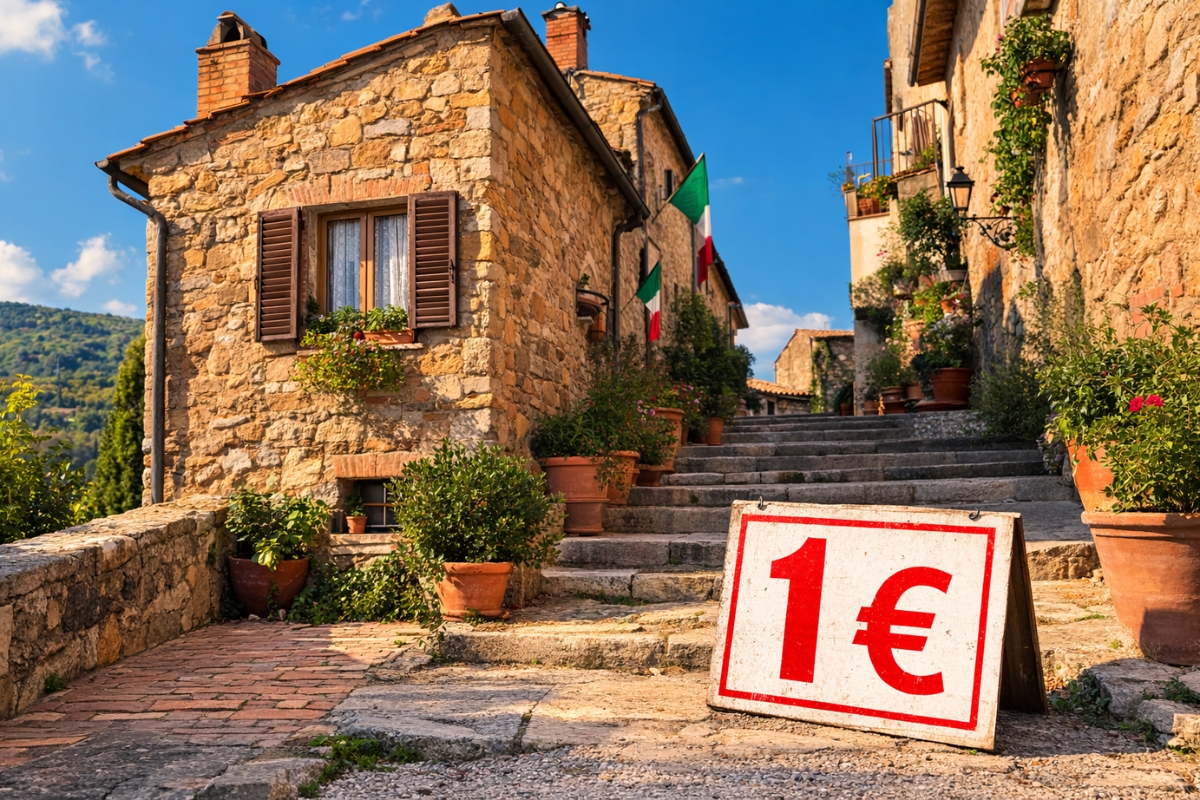
The Initiative of Houses for 1 Euro Attracts Foreigners, but Involves Strict Deadlines, Expensive Renovations, and Municipal Rules That Make All the Difference in the Final Outcome.
Italy has created one of Europe’s most talked-about housing programs by allowing the sale of houses for 1 euro in small, nearly empty towns. The measure aims to curb depopulation, preserve historic centers, and revive local economies.
The symbolic amount, however, does not mean low cost. The real challenge lies in the conditions imposed by the municipalities, which include renovation deadlines, financial guarantees, and legal commitments that vary from town to town.
It is within this set of rules that the so-called “trick” of the program resides, often overlooked by those who only look at the advertised price.
-
These are the drivers who may stop paying tolls on highways in a project that promises to reduce costs for those who live from transportation in Brazil.
-
(Video): Italian pilot lands plane on moving train at 120 km/h and achieves unprecedented feat in aviation, even with a narrow runway and without direct visual contact.

-
It seems to have come out of a science fiction movie: A Brazilian city where it rains almost every day, recording over 4,000 mm per year, driven by climatic factors — a direct result of its strategic location in the Amazon.

-
The water crisis that could change everything this year has already begun; it’s not just about the climate, it affects technology, raises product prices, and can halt entire companies without warning.


What Happened and Why This Caught Attention
Various Italian municipalities have begun offering abandoned properties for 1 euro as a way to attract new residents and investors.
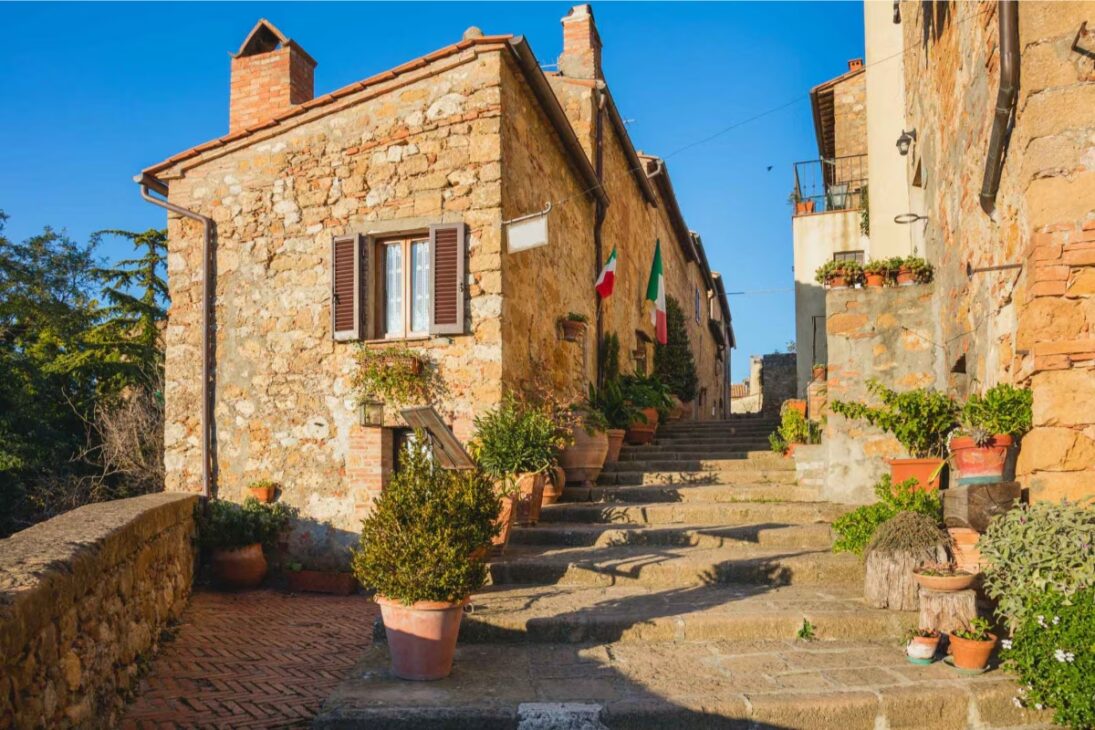
The houses are generally found in small villages, with an aging population and properties degraded by abandonment over decades.
The proposal gained international attention by promising access to property in Italy for a symbolic amount, something rare in any real estate market.
How the Purchase of Houses for 1 Euro Works
The buyer does not pay for the property itself but assumes a formal commitment to renovation. Each municipality defines its own rules, deadlines, and requirements.
In most cases, it is necessary to present a renovation project, begin the works within a specified deadline, and complete everything within a few years.
Additionally, the buyer usually has to deposit a financial guarantee, which is only refunded after the full compliance with the obligations.
What Are the Most Common Deadlines and Requirements
Municipalities usually require that the renovation begins a few months after the contract is signed and is completed within a previously set period.
The works must comply with local regulations for historical preservation, which can increase material and labor costs.
If the deadlines are not met, the municipality can impose fines, retain the guarantee, or even reclaim the property.
What Changes Practically for Buyers
The program is not suitable for those looking for a ready-made or cheap house in the short term. The real cost arises from the mandatory renovation, taxes, notary fees, and hiring local professionals.
On the other hand, those who comply with the rules can transform an abandoned property into a residence, vacation house, or even a tourist business.
In some cases, the final investment still remains below the market value of more competitive regions in Italy.
Points of Attention and Common Questions
A common mistake is to think that all cities follow the same model. Each municipality defines its own conditions, guarantee amounts, and deadlines.
Another critical point is the availability of labor and suppliers in small villages, which can delay works.
It is also important to consider indirect costs, such as local taxes, future maintenance, and bureaucratic requirements.

What Can Happen from Now On
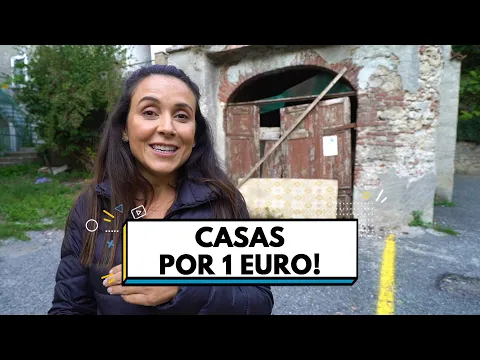
With the aging population and the depopulation of rural areas, the trend is that more cities will adopt similar initiatives.
The 1 Euro House program remains a tool for urban revitalization, but with increasingly detailed rules to prevent speculation.
For those who understand the conditions and plan well, the initiative can represent a real opportunity. For those who ignore the requirements, the dream can turn into an expensive problem.
In the end, the symbolic amount grabs attention, but what defines the success of the purchase are the deadlines, guarantees, and municipal rules.
This set of conditions transforms the 1 euro house into an opportunity or a trap.






-

-

2 pessoas reagiram a isso.