





 Portuguese
  English
  Spanish
  5 min of reading
  0 comments


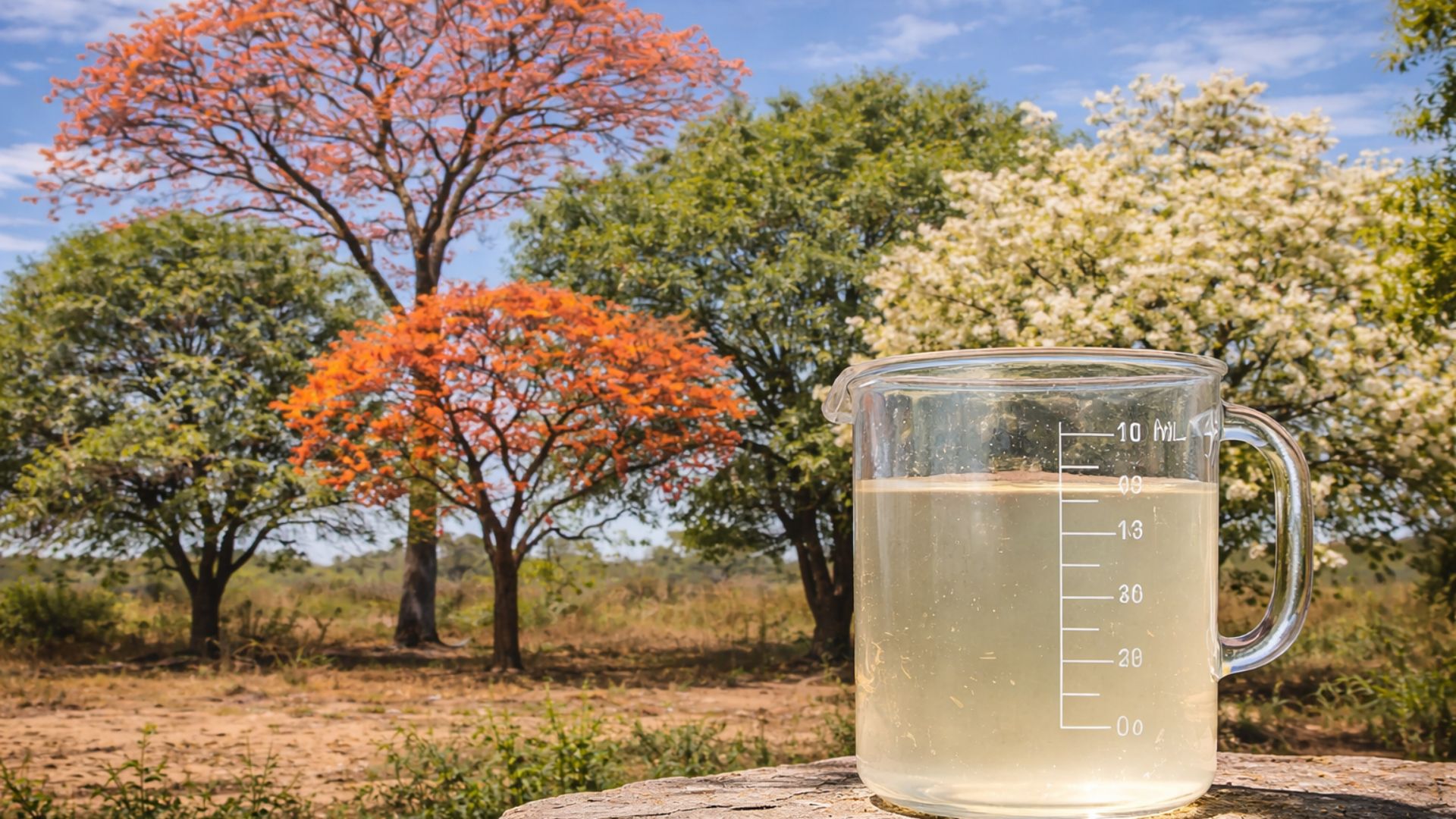
Research by Embrapa shows how the use of brackish water in the production of caatinga seedlings strengthens sustainability, increases plant resistance, and expands solutions in the Brazilian semi-arid region.
The production of caatinga seedlings with brackish water is already a reality proven by Embrapa. This discovery represents an important advance for the Brazilian semi-arid region, where the scarcity of fresh water has always been one of the main obstacles to agricultural production and environmental recovery.
Right from the start, what stands out is the direct impact of this technology. In a region where about 70% of underground sources show some level of salinity, transforming brackish water into a productive resource expands the possibilities for water use. Instead of limiting production, it begins to broaden possibilities, strengthening sustainability and reducing pressure on sources of drinking water.
Furthermore, studies show that plants not only survive but can become more resistant when grown under these conditions. This factor is crucial for facing the extreme climate of the semi-arid region.
-
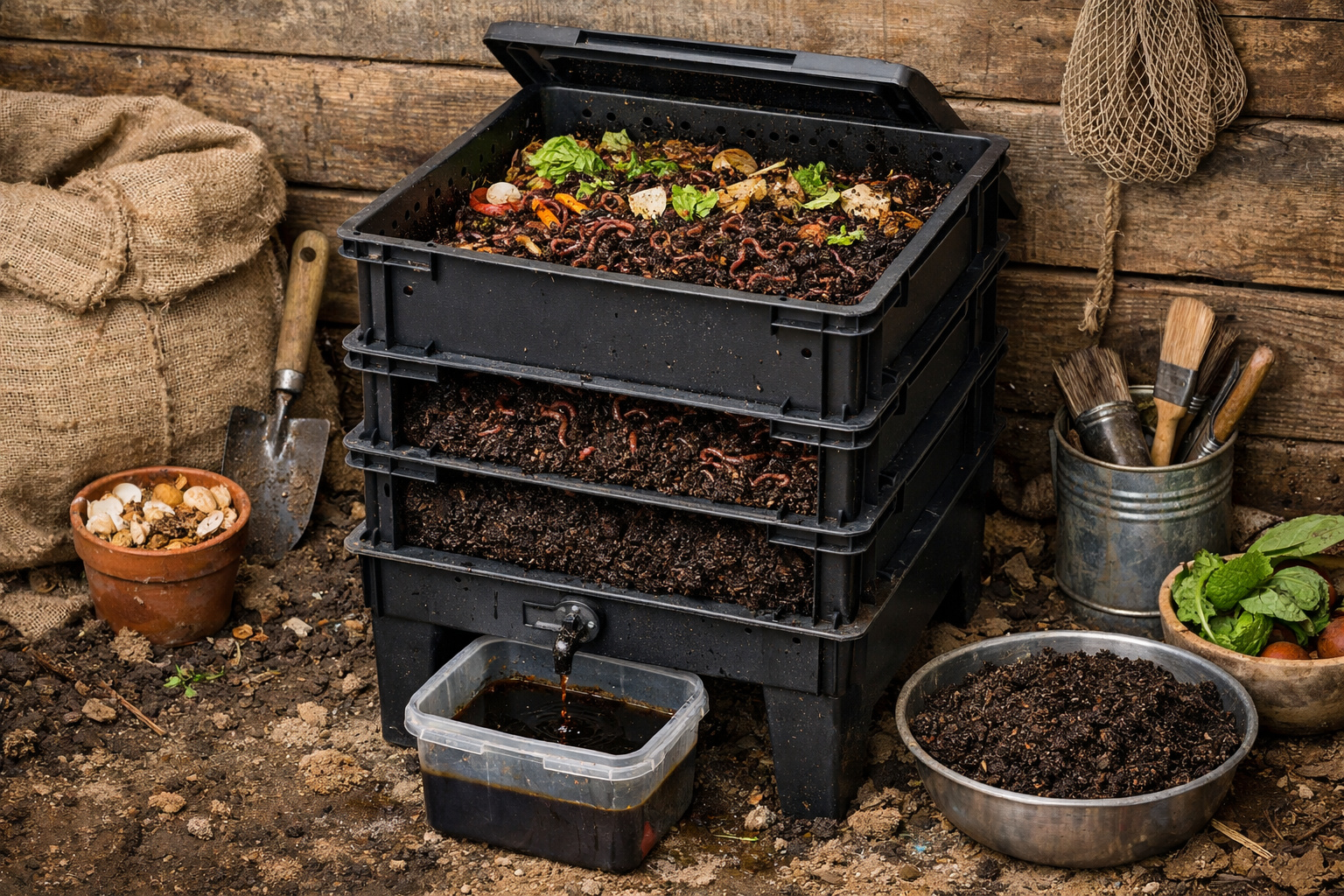
6 sources of free fertilizer that you are throwing away every day and can transform your garden without spending anything.
-
With a water crisis on the radar, Sabesp invests in reclaimed water for data centers and transforms sewage treatment into a solution that saves millions of liters and protects public supply.

-
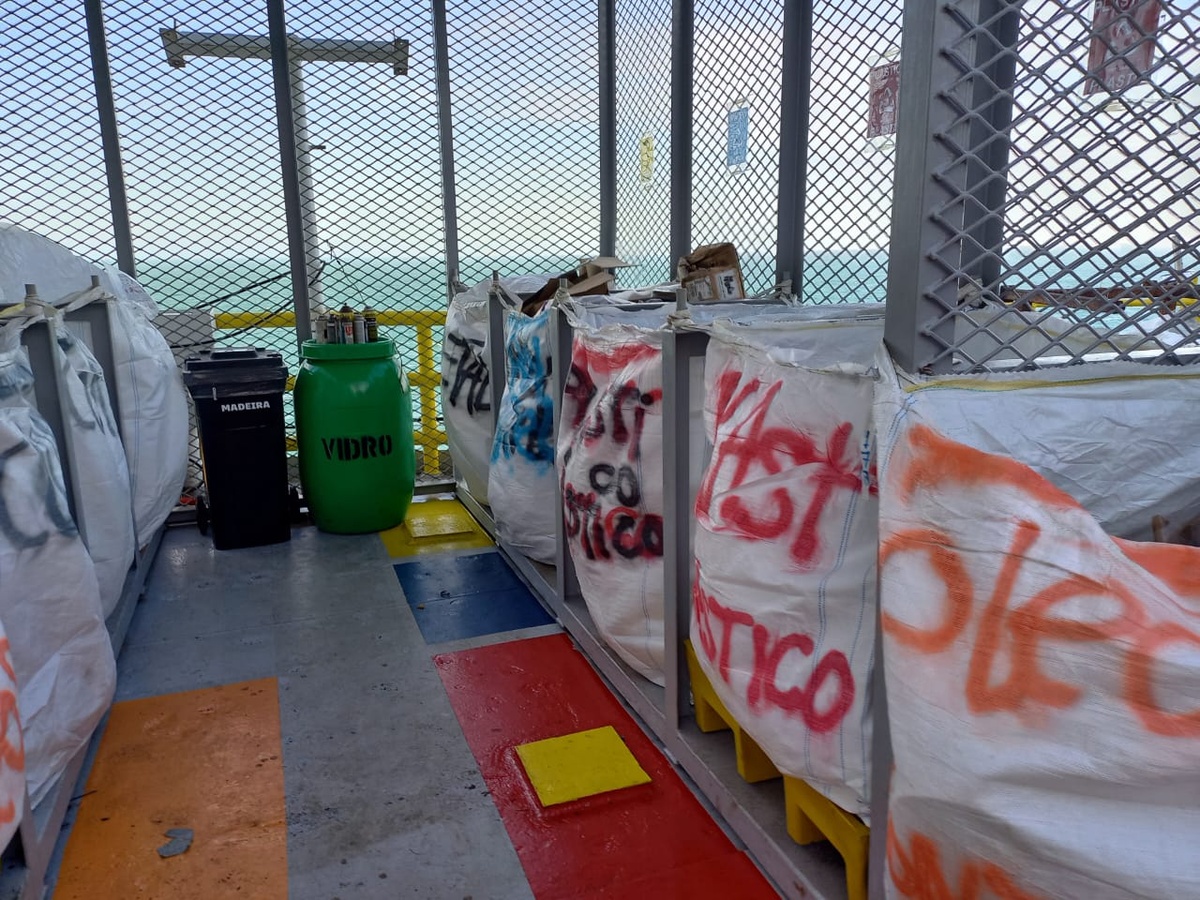
Foresea achieves 100% offshore waste reuse in 2025, eliminates landfill disposal, and consolidates sustainable strategy with 1,500 tons recycled.
-
With earth, bamboo, straw, and lime mortar, a specialist builds a house for just over $460 and draws attention for its cost being much lower than traditional construction.

Embrapa demonstrates in practice how brackish water enables caatinga seedlings
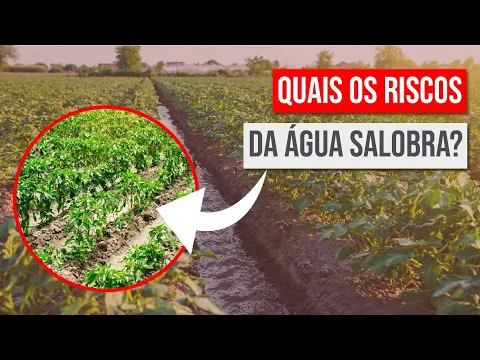
The experiments conducted by Embrapa Semiárido confirmed that the use of brackish water in nurseries is efficient and safe. The central point is in the management: irrigation occurs in substrates, outside the soil, during the initial phase of the plants.
This technical detail prevents problems such as soil salinization, which is one of the biggest concerns when discussing the use of saline water. Thus, the production of caatinga seedlings becomes viable even in regions where fresh water is scarce.
Another important aspect is the safety of the process. According to researcher Bárbara França Dantas, the use of this water in the nursery is considered one of the most efficient ways of utilization, with no risks to human health and no negative environmental impacts.
Resistance of species surprises and strengthens sustainability in the semi-arid
One of the most relevant results of Embrapa’s research is in the response of native species. Some plants from the Caatinga demonstrated a high capacity for adaptation to salinity, maintaining healthy growth even under adverse conditions.
Among the species that performed best are:
- Angico-de-caroço (Anadenanthera colubrina)
- Catingueira-verdadeira (Cenostigma pyramidale)
- Mulungu (Erythrina velutina)
- Pereiro (Aspidosperma pyrifolium)
These species managed to maintain good germination rates even when irrigated with brackish water with electrical conductivity above 12 dS/m, a value considered high and equivalent to more than one gram of salts per liter.
On the other hand, not all plants reacted the same way. The aroeira-do-sertão, for example, showed lower tolerance. This data reinforces the importance of correctly choosing the species used in each project.
Understand the role of salinity in the growth of caatinga seedlings
Salinity directly influences the ability of plants to absorb water and nutrients. This process is measured by electrical conductivity, which indicates the amount of dissolved salts.
In simple terms:
- The higher the conductivity, the greater the concentration of salts
- The higher the salinity, the greater the challenge for plant development
Even so, Embrapa demonstrated that, with proper management, it is possible to use brackish water without compromising the growth of seedlings. This happens because cultivation in nurseries allows total control of development conditions.
Another relevant point is the positive physiological effect. Controlled exposure to salinity stimulates natural defense mechanisms in plants, making caatinga seedlings better prepared to face drought, intense heat, and difficult soils after planting.

Technical guidelines from Embrapa make the use of brackish water safer
To ensure consistent results, Embrapa has provided specific technical guidelines for producers and nurserymen. These recommendations are essential to avoid mistakes and maximize the potential of the technology.
Among the main precautions are:
- Assess the quality of the water in advance
- Know the tolerance level of the species
- Use appropriate substrates for cultivation
- Control the frequency and intensity of irrigation
- Acclimatize the seedlings before final planting
Another differential is the possibility of integrating the use of brackish water with productive systems, such as the reuse of aquaculture effluents. These effluents can contain nutrients and organic matter, contributing to plant growth and strengthening the sustainability of the process.
Reforestation with caatinga seedlings gains strength with the use of brackish water
The production of caatinga seedlings with this technique has a direct impact on environmental recovery. Native species play an essential role in degraded areas, especially in the semi-arid region.
Among the main benefits are:
- Recovery of degraded soils
- Reduction of desertification advance
- Formation of ecological corridors
- Preservation of local biodiversity
Moreover, the use of brackish water allows for the expansion of reforestation projects without relying exclusively on fresh water, making actions more viable on a large scale.
This approach also contributes to meeting environmental goals and forest restoration programs, which are increasingly demanded in public policies and private initiatives.
The difference between brackish and saline water directly influences sustainability
Not all water with salts can be used in the same way. The classification depends on the concentration of dissolved salts.
In general:
- Brackish water has a lower concentration of salts
- Saline water has higher levels
The salts present include chlorides, carbonates, bicarbonates, and sulfates, associated with elements such as sodium, calcium, potassium, and magnesium. These components directly affect water quality and its viability for agricultural use.
In the case of caatinga seedlings, brackish water has proven suitable when used in a controlled manner, especially in the nursery phase.
Strategic use of brackish water expands economic opportunities in the semi-arid
In addition to environmental benefits, the technology developed by Embrapa also opens new economic opportunities. The production of caatinga seedlings can become a strategic activity for local communities.
Among the possibilities are:
- Commercialization of native seedlings
- Production and sale of seeds
- Participation in reforestation projects
- Involvement in carbon credit programs
These activities help diversify income in the semi-arid region, reducing dependence on traditional activities that are more vulnerable to drought.
At the same time, the use of brackish water can reduce operational costs, as it decreases the need for drinking water, an increasingly scarce resource.
A new path to produce, recover, and coexist with the semi-arid
The technology developed by Embrapa represents more than an agricultural innovation. It points to a new way of coexisting with the semi-arid region, based on the intelligent use of available resources.
By transforming brackish water into a productive input, the research expands production possibilities and strengthens sustainability at different levels. This includes everything from small nurseries to large environmental restoration projects.
The caatinga seedlings, more resistant and adapted, play a central role in this process. They not only survive under adverse conditions but also help recover ecosystems and generate new opportunities.
Based on concrete data and technical guidelines, the initiative shows that it is possible to produce more, use less fresh water, and at the same time, preserve the environment. It is a paradigm shift that is likely to gain traction in the coming years.






Seja o primeiro a reagir!