





 Português
  Inglês
  Espanhol
  4 min de leitura
  0 comentários


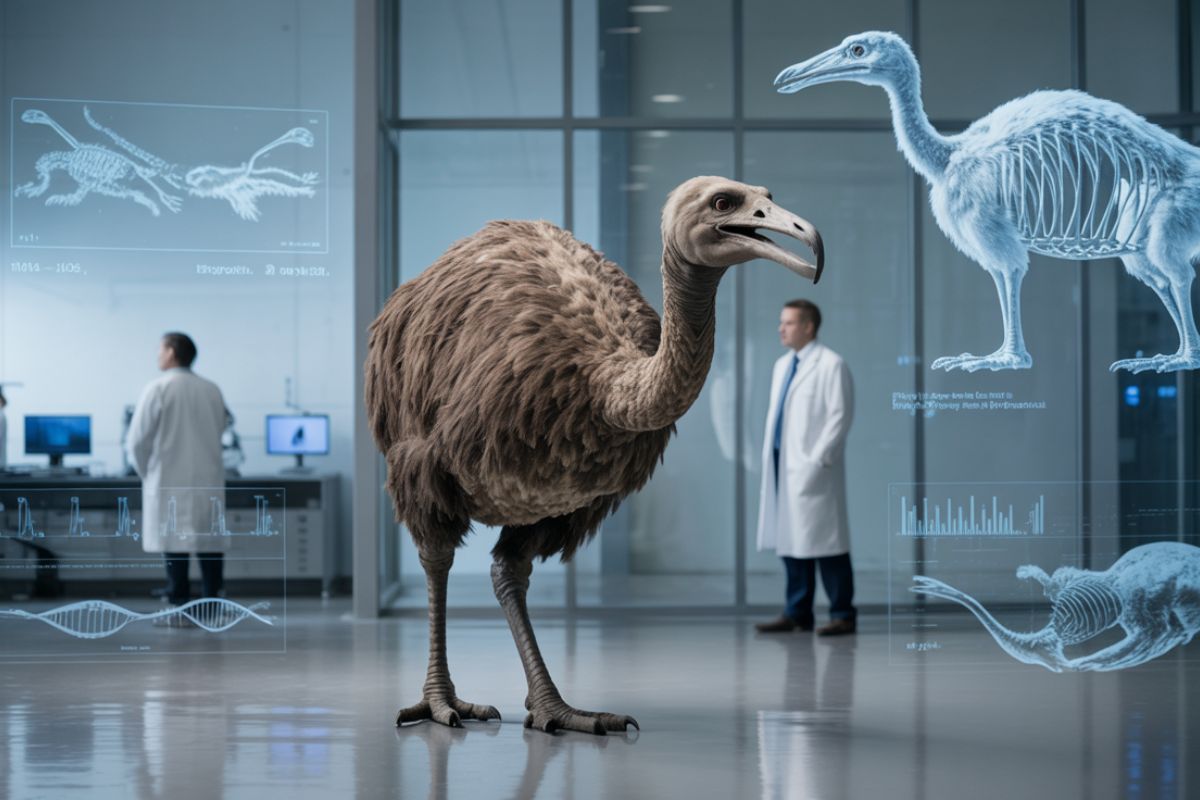
With Funding From The Director Of ‘The Lord Of The Rings’, Colossal Biosciences Announced Its Latest Plan: The Company Wants To Resurrect The Extinct Great Moa Bird, Which Disappeared 600 Years Ago, But Scientists Warn Of The Risks.
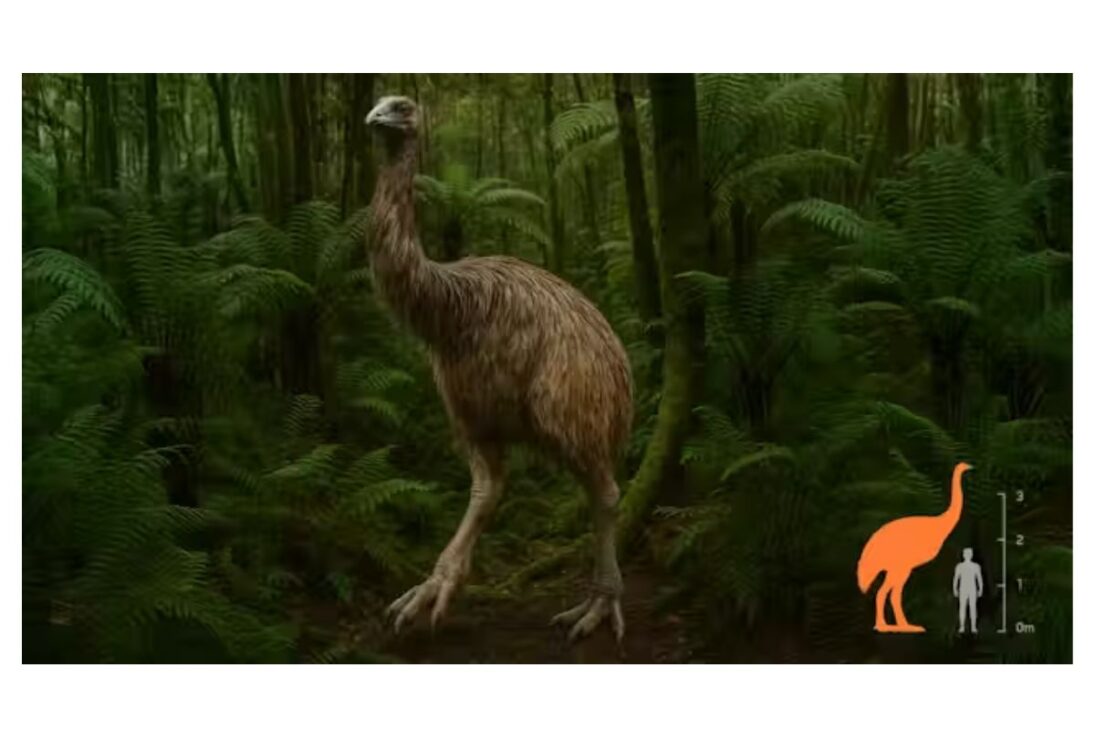
Colossal Biosciences, a biotechnology company known for its ambitious “de-extinction” projects, announced its newest target: the moa. The news that the company wants to bring back the giant bird, which could reach over three meters in height, has reignited the debate about the limits of science and ethics. The project, which seems straight out of a science fiction movie, has a heavyweight investor and an innovative methodology.
However, the initiative is not a consensus in the scientific community. While some see the possibility of correcting past mistakes and restoring ecosystems, others warn of the unpredictable risks of reintroducing an extinct species into the wild and the danger of diverting the focus from the conservation of animals that are still struggling to survive.
How Does The Company Want To Resurrect The Great Bird?
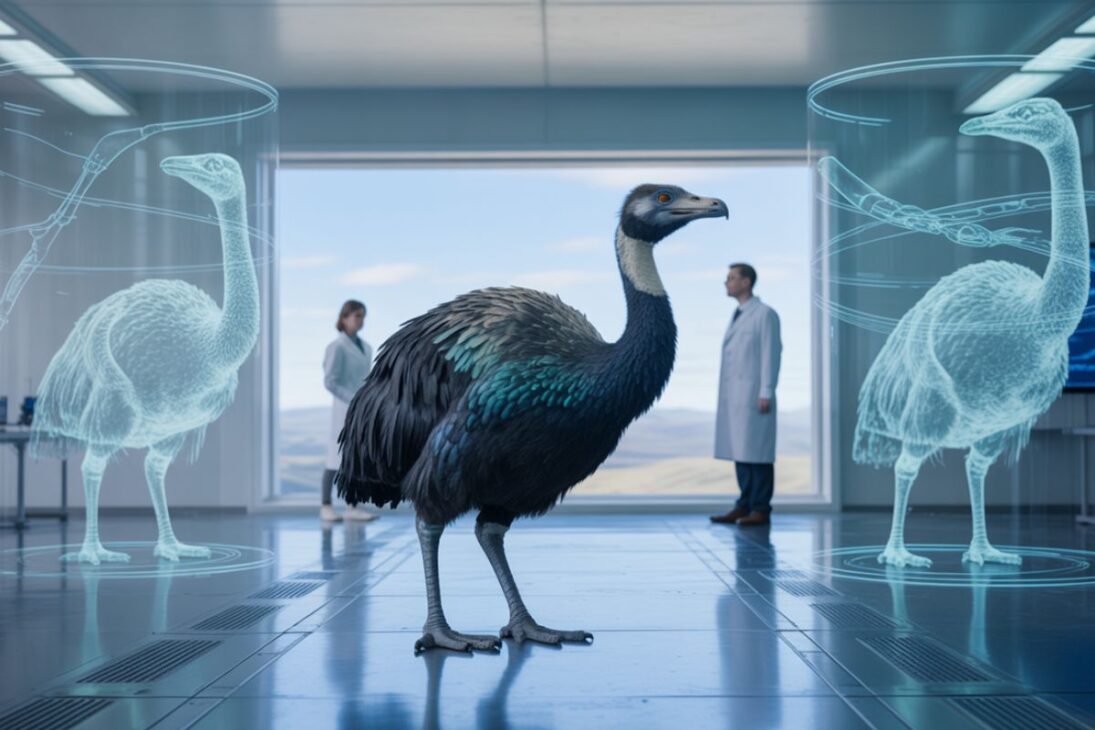
The plan of Colossal Biosciences is a complex journey of genetic engineering. The process to bring the moa back to life is based on cutting-edge technology and a partnership with the Ngāi Tahu Research Centre at the University of Canterbury in New Zealand.
-
New technology transforms the human body into a “machine”: centaur robot reduces effort when carrying up to 20 kg, improves balance during walking and impresses in practical tests in China.

-
A traffic police robot has started operating at a school, technology from Omoda & Jaecoo expands the use of artificial intelligence in smart cities.
-
44 minutes on the cosmic scale: mysterious object in the Milky Way emits simultaneous radio and X-ray signals and raises an intriguing question about what is really happening in deep space.

-
Omoda & Jaecoo and AiMOGA Robotics advance in industrial artificial intelligence with a strategic debut in Thailand and a focus on advanced automation.


The step-by-step of the project includes:
Ancient DNA Collection: Scientists will analyze well-preserved moa fossils to extract and sequence its complete genome.
Genetic Editing: With the moa genome mapped, they will compare it with that of its closest living relative, the emu. Using CRISPR technology, they will edit the emu’s genes to match those of the moa.
Incubation and Birth: The genetically modified embryo will be incubated, with the expectation that a chick with the characteristics of the moa will be born.
Reintroduction to Nature: After birth, the animals will be raised in captivity and then released into “renaturalization sites”—controlled areas in New Zealand.
The Texas-based company estimates that the project could take five to ten years to yield the first concrete results.
It Is A Million-Dollar Investment
Behind the scientific ambition, there is a Hollywood figure. Filmmaker Peter Jackson, director of the ‘The Lord of the Rings’ saga, is one of the main investors in the project. A New Zealander and a passionate collector of moa bones, Jackson has invested over US$ 15 million (around R$ 83 million) in the initiative.
His participation not only financially enabled the project but also brought enormous popular and cultural appeal, especially in New Zealand, where the moa is part of Māori mythology and history.
A Project That Divides The Scientific Community
Despite the enthusiasm, the news that the company wants to resurrect the giant bird has been met with skepticism by many experts. Ecologist Stuart Pimm from Duke University, who is not involved in the project, raised crucial questions about the viability and risks of the initiative.
“Is it possible to return a species to nature after exterminating it?” questioned Pimm, who considers it “extremely unlikely” that reintroduction could be done significantly and safely. He warns that the moa, with its height of over three meters, could be a potentially dangerous animal.
The main criticisms of the project are:
Ecological Risks: The reintroduction of a species that has been extinct for 600 years into an ecosystem that has already changed could cause unpredictable imbalances.
Ethical Issues: Many scientists argue that the resources and attention dedicated to “de-extinction” projects would be better employed in the conservation of species that are currently on the brink of extinction.
Other De-Extinction Projects By Colossal
The moa is not the first animal in Colossal’s sights. The company is already working on other equally ambitious projects, showing that its goal is to create a platform to reverse extinction.
In April 2025, the company announced the birth of the first dire wolf pups, a species that went extinct about 10,000 years ago, recreated from fossil DNA. Before that, in March, it revealed the creation of a “fluffy mouse,” a genetically modified rodent with characteristics of the woolly mammoth, another step towards the resurrection of the Ice Age giant.
What do you think of the idea of bringing extinct animals back to life? Is it a fascinating scientific advance or an unnecessary risk for the planet? Leave your opinion in the comments!







-

Uma pessoa reagiu a isso.